Why this mistake is so damaging: The excavated soil, particularly Connecticut's clay-heavy shoreline soil, has the same low permeability problem that likely contributed to the original drainage issue. Backfilling with this soil directly on top of the gravel and fabric system creates a dense, slow-draining cap that reduces the rate at which surface water can reach the drainage system below it. In clay soil, surface water sits on top of this backfill rather than percolating down into the French drain, which means the system never receives the water it was designed to manage.
The correct approach uses clean gravel as backfill above the fabric-wrapped drainage layer up to a point near the surface, with the final few inches restored with topsoil and seed or sod to blend with the surrounding landscape. This maintains permeability through the full depth of the installation rather than capping a functional drainage system with the same low-permeability soil that was part of the original problem.
A gutter system can collect roof water correctly and still leave a Madison home with a foundation moisture problem. The failure often happens at the last few feet. If a downspout empties beside the wall, into a flat planting bed, onto settled soil, or through a damaged underground line, the roof’s runoff becomes concentrated in the exact area that should remain as dry as practical.
The result may begin as a puddle beneath one outlet. Repeated storms can saturate the foundation perimeter, increase pressure against the wall, contribute to dampness, and overload other drainage components. The problem is especially noticeable on flat coastal lots.
For homeowners researching downspout drainage Madison CT, the priority is to follow roof water beyond the gutter. A complete plan identifies how much runoff reaches each leader, where the pipe carries it, whether the route remains clear, and where the water finally exits or infiltrates.
Why Roof Runoff Becomes a Foundation Problem
A roof sheds rain quickly. Gutters gather water from a broad surface and direct it into a small number of downspouts. That is exactly what the system is designed to do, but it also means each outlet releases a concentrated flow. When that flow ends beside the house, a large portion of the roof’s drainage is delivered to a narrow strip of foundation soil.
During the September-to-October transition, heavier rain and falling leaves can make an existing discharge problem easier to see. Gutters may slow, leaders can carry uneven flows, and wet soil may have less remaining capacity to absorb another storm. The month itself does not cause the defect. Seasonal weather simply reveals whether the roof runoff has a complete route away from the building.
The U.S. Department of Energy’s Building Science Education program advises using gutters and downspouts to direct stormwater away from a building and reduce the chance of saturating soil around the foundation. Review its guidance on gutters and downspouts. The key word is away. Moving water from the roof to the ground is only half of the system.
Drainage Pro of CT frequently finds that the most correctable foundation-water source is visible at the downspout outlet. Addressing it early can reduce the moisture load without beginning with a larger excavation project.
One Inch of Rain Adds Up Quickly on a Roof
The amount of water involved is easy to underestimate because the roof drains in sections rather than as one sheet. A practical rule of thumb is that one inch of rain on a 1,600-square-foot roof produces about 1,000 gallons of runoff before small losses. With four similar drainage areas, each downspout may handle roughly 250 gallons during that one-inch event.
Those figures are an illustration, not a design calculation. Roof pitch, plan area, valleys, gutter layout, outlet count, rainfall intensity, debris, and leader placement all affect real flow. Still, the example explains why a short splash block may be overwhelmed. It may be asked to release hundreds of gallons onto soil only a few feet from the wall.
On a flat Madison lot, that water may not move farther on its own. It can soak into backfill beside the foundation, collect in a low planting bed, spread under a walkway, or join naturally high groundwater. On an inland lot, a poorly placed outlet may release onto a slope that bends runoff back toward the home.
The U.S. EPA’s moisture-control guidance describes rainwater that is not drained away from a foundation as a potential source of moisture beneath a building. Read the EPA’s moisture-control guidance. Roof runoff is therefore not separate from foundation drainage. It is one of the inputs the foundation system must manage.
How Poor Downspout Drainage Saturates Foundation Soil
Foundation-side soil contains pore spaces that can hold air or water. As repeated downspout discharge fills those spaces, the soil becomes saturated and drains more slowly. Water can remain against the below-grade wall after the rain stops, particularly where backfill has settled, soil is compacted, or the water table is already elevated.
Several common failures produce this pattern:
- The downspout terminates directly beside the foundation.
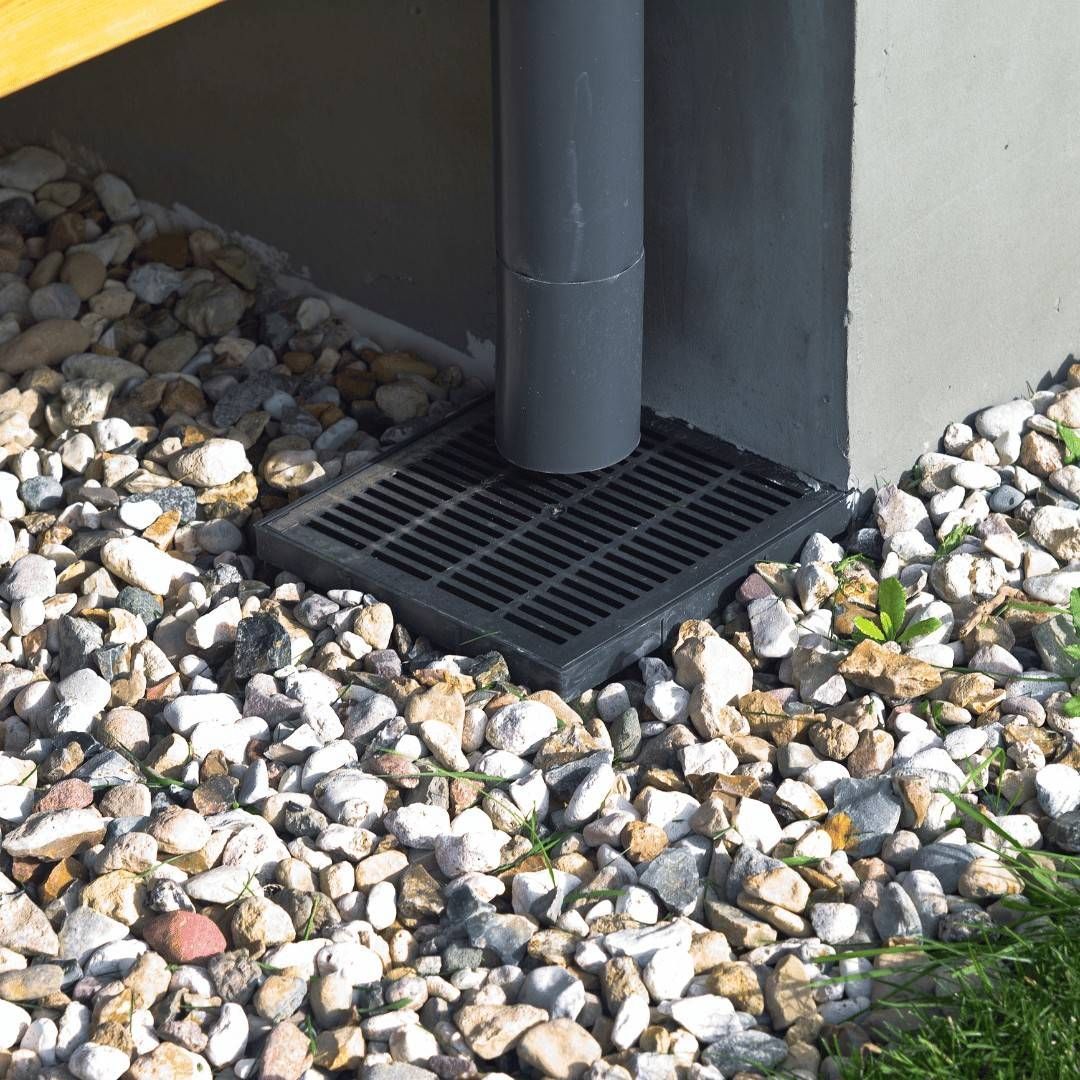
- A splash block is too short, reversed, sunken, or blocked by mulch.
- A flexible extension becomes crushed, disconnected, or pitched uphill.
- An underground pipe holds sediment, roots, or standing water.
- Several downspouts feed a trunk line that is too small or poorly sloped.
- The buried route ends in a low area with no capacity to drain.
- A dry well is undersized, silted, or installed where soil cannot absorb the volume.
As saturation continues, water pressure can build against foundation walls and around penetrations. The moisture may move through porous masonry, existing cracks, joints, or gaps around utility entries. Even when no liquid water enters, a chronically wet exterior can contribute to damp interior conditions.
This does not mean every damp foundation needs waterproofing. It means the roof runoff should be separated from the foundation perimeter before deeper causes are judged. Correct the avoidable water source, then evaluate what remains.
Warning Signs at the Outlet and Inside the Home
Poor roof runoff drainage usually leaves evidence outside first. Walk the property after a steady rain when conditions are safe, and look at every downspout rather than only the one nearest the damp room. Water can travel along the foundation or through backfill before the interior symptom appears.
| Observation | What it may indicate | Next check |
|---|---|---|
| Puddle directly below a leader | Outlet is too close or grade is flat | Follow surface flow away from the wall |
| Water bubbles from buried pipe connection | Blockage, separation, or overloaded line | Inspect route and final outlet |
| Mulch or soil washes away repeatedly | Concentrated discharge and erosion | Check extension length and grade |
| One wall becomes damp after roof runoff | Leaders along that wall may be feeding saturation | Compare timing with rainfall |
| Efflorescence returns on masonry | Moisture is moving through and evaporating | Check grade, leaders, and deeper pressure |
| Basement moisture remains in dry weather | Source may extend beyond roof runoff | Evaluate groundwater and waterproofing |
Other exterior clues include moss below the outlet, algae on the lower wall, a soft trench along the foundation, heaved pavers, overflowing dry wells, or an extension that disappears underground without an identifiable outlet. Indoors, note musty odor, stains, peeling finishes, damp corners, and moisture at the wall-floor joint.
EPA remodeling guidance recommends directing downspouts away from the house and testing underground drains to confirm that they work. See the EPA’s exterior moisture-control recommendations. A hose test may provide information in mild conditions, but it should not be used if water could enter the home, surcharge an unknown pipe, or discharge near electrical or unstable areas.
What Underground Downspout Drainage Changes
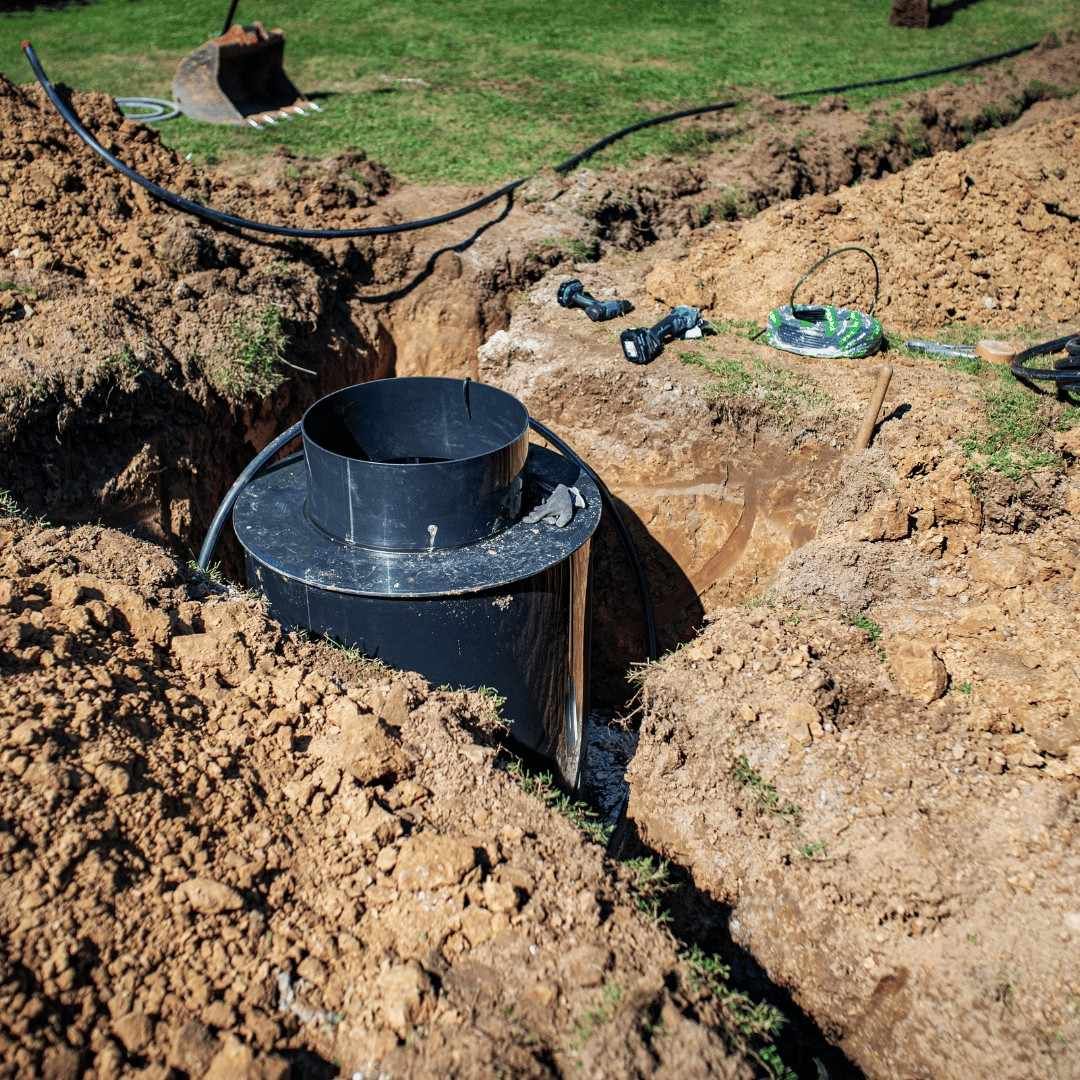
An underground downspout drainage system connects roof leaders to solid pipe and carries the concentrated runoff away from the foundation. Drainage Pro uses smooth-wall PVC on Madison installations, sets the pipe to a planned slope, and routes it to an appropriate discharge point. Once the trench is restored, the system manages water without loose extensions across the lawn.
The installation may serve one downspout or combine several leaders into a shared trunk line. The design depends on the roof areas feeding each leader, pipe length, elevation, turns, available outlet, and maintenance access. A long roofline with several downspouts may benefit from coordinated routing rather than separate short extensions that all release into the same part of the yard.
A complete system should address:
- Secure transitions from each downspout into the underground pipe
- Appropriate pipe size for the connected roof areas
- Continuous fall without low sections that hold sediment and water
- Cleanouts or accessible points where the design calls for them
- Separation from foundation drains unless the approved design says otherwise
- A final outlet with enough capacity for the expected runoff
- Surface restoration that does not recreate negative grading
Drainage Pro’s downspout drainage service in Madison is designed around the entire route. The pipe is not the outcome. The outcome is roof runoff reaching a safe destination without saturating the foundation perimeter or creating a new problem elsewhere.
The Final Outlet Matters as Much as the Buried Pipe
A buried line can look finished while still failing hydraulically. If it ends in a low part of the lawn, points toward a neighbor, empties into already saturated soil, or feeds an undersized dry well, the water has only been relocated. The destination must be selected before the trench route is finalized.
Possible outlets include:
- Daylight on a stable, sloping area where discharge is allowed
- A dry well sized for roof area, rainfall, and soil absorption
- A suitable surface or underground drainage system
- Another approved location that can receive runoff without erosion or backflow
The EPA’s Soak Up the Rain program describes redirecting downspouts toward landscaped areas, rain gardens, or other runoff-management features where conditions allow. Explore the EPA’s downspout-redirection resources. On a Madison property, however, infiltration should not be assumed. High groundwater, compacted soil, limited setbacks, ledge, regulated areas, and existing saturation can make one outlet practical and another unsuitable.
The same principle applies in Guilford, Clinton, and Branford. A Guilford property may need to work around rocky or sloped terrain, a low Clinton lot may need carefully sized infiltration, and a Branford home may have less room between buildings and property lines. Supporting communities share shoreline weather, but the available discharge route remains property-specific.
If proposed excavation or discharge could affect wetlands or watercourses, local review may be necessary. Connecticut DEEP states that work in or near these resources, including clearing, grading, piping, excavation, and filling, must be submitted to the municipal wetlands agency when applicable. Review Connecticut’s municipal wetlands permitting guidance.
When Downspouts Are Not the Only Moisture Source
Correcting roof runoff can solve many foundation-moisture conditions, but it cannot remove groundwater already pressing against a below-grade wall. It also cannot correct a yard that slopes toward the house, a failed footing drain, or runoff arriving from uphill land. A drainage assessment should determine whether the downspouts are the main source, one contributor, or unrelated to the deeper issue.
Signs that the property may need more than downspout work include:
- Foundation moisture continues after all leaders discharge well away.
- Water appears during wet seasons even without recent roof runoff.
- The yard visibly slopes toward the home from multiple directions.
- Efflorescence and dampness remain across a long below-grade wall.
- Water enters through the wall-floor joint or recurring cracks.
- An uphill property or natural slope contributes surface or subsurface flow.
In these cases, the solution may include regrading, a swale, curtain drain, footing drain, dry well, catch basin, or foundation waterproofing Madison CT service. Drainage Pro works only on exterior drainage and begins by tracing the source. We recommend the least extensive system that can reasonably correct the actual condition, not the most expensive service by default.
This sequence also gives homeowners a clearer way to measure results. Once roof runoff is permanently routed away, the foundation can be observed through later rain. If the moisture stops, the concentrated discharge was likely the main source. If it continues, the remaining pattern provides better evidence for the next step.
What Downspout Drainage and Waterproofing May Cost
Estimated 2026 Market Context
Drainage Pro of CT publishes current planning ranges for Madison residential services. These are our general ranges, not fixed quotes for every home. We inspect the property, map the pipe route and outlet, and provide exact written pricing before work begins.

| Drainage Pro service | Published Madison planning range | Common scope factors |
|---|---|---|
| Underground downspout drainage | $1,000–$2,500 | Leader count, pipe length, access, trenching, outlet |
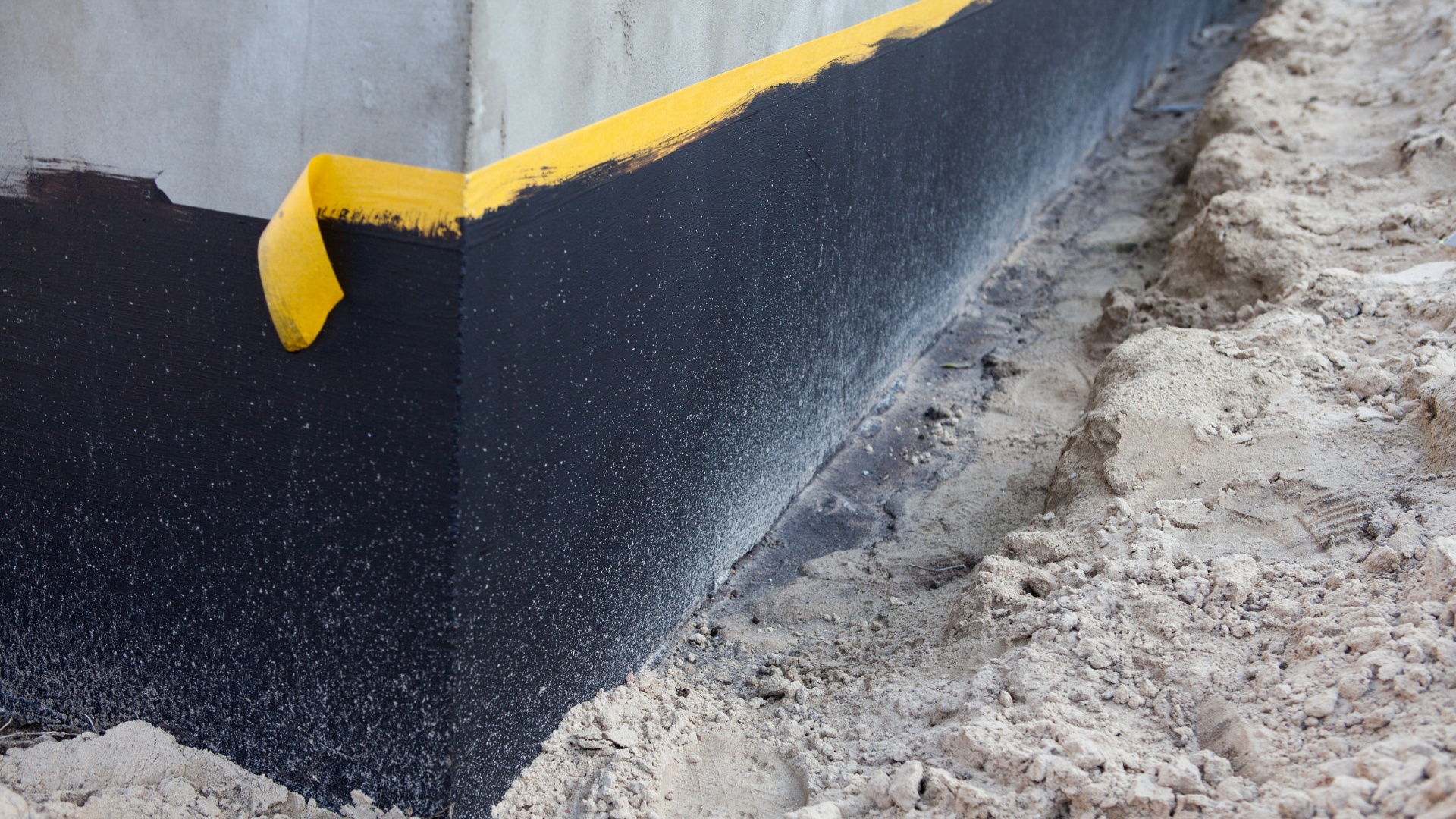
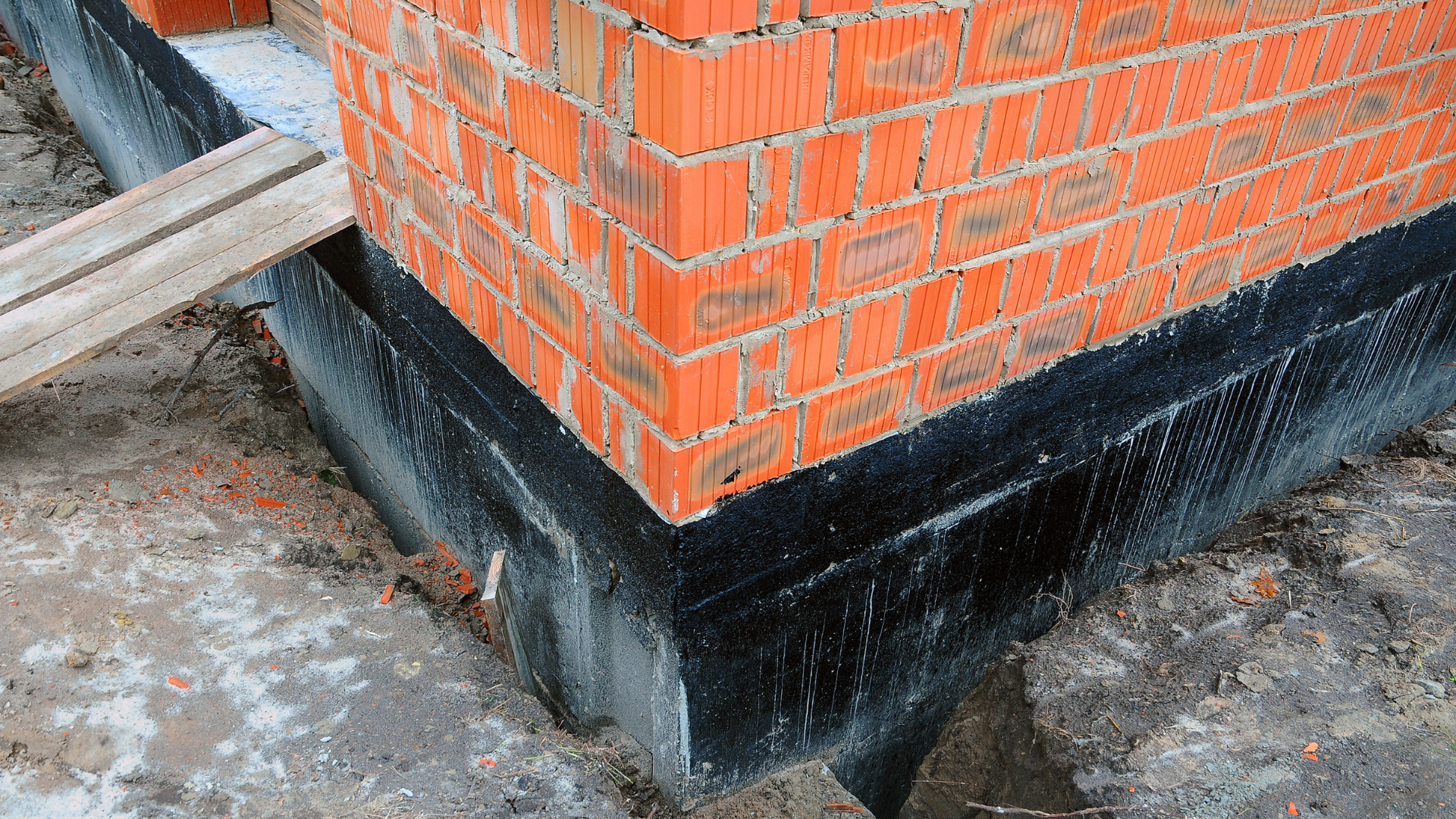
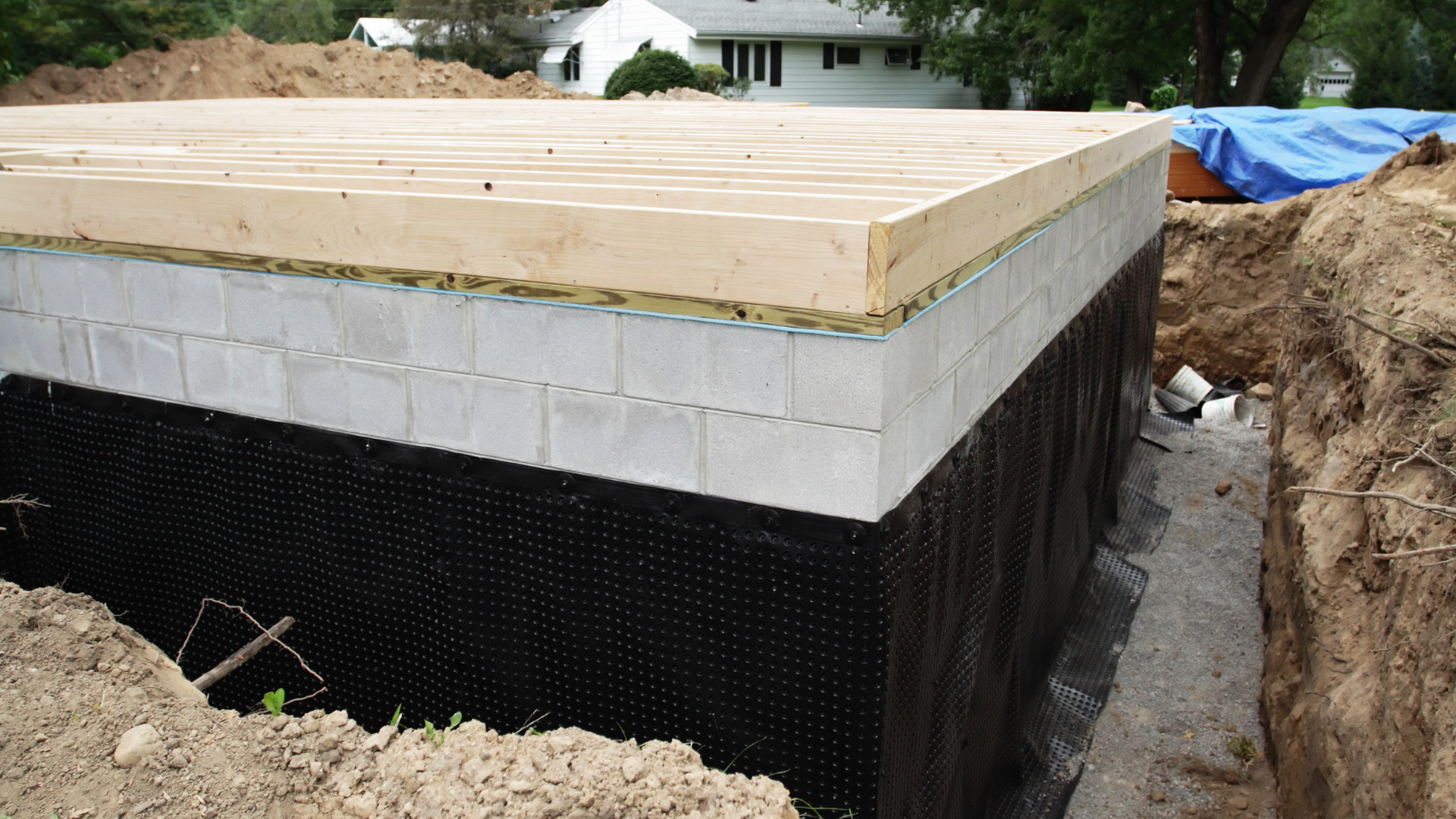
| Exterior foundation waterproofing | $4,000–$8,500 | Wall length, depth, soil, footing drain, restoration |
| Yard grading or regrading | $2,000–$5,500 | Area, imported material, finish grade, discharge plan |
| Free on-site assessment | $0 | Exterior diagnosis and written recommendation |
| Shared trunk line or dry well | Site-specific | Connected roof area, elevation, capacity, soil, access |
A short, accessible run to a reliable daylight outlet may remain toward the lower end. Multiple downspouts, long trench routes, hardscape crossings, deep excavation, a shared trunk, or a dry well can increase the scope. Sandy coastal soil can be easier to trench, but high groundwater and limited outlet options may require more design work.
Qualifying installations include Drainage Pro’s
5-year workmanship warranty. The company is licensed under HIC#0706616 and fully insured. A written proposal should identify which leaders are connected, the pipe material, route, outlet, restoration, and any components priced separately.
Move Roof Water Before It Becomes Foundation Moisture
Poor downspout drainage creates a repeating cycle: the roof concentrates water, the outlet releases it beside the wall, foundation soil saturates, and the home shows moisture after each heavy storm. Breaking that cycle means controlling the runoff from the leader connection to the final discharge point.
Drainage Pro of CT provides free exterior drainage assessments for Madison homeowners. We inspect each outlet, trace existing underground lines, review grading and foundation symptoms, and determine whether the home needs roof runoff drainage, regrading, waterproofing, or a coordinated system.
Call (860) 852-6270 or request a free estimate to plan a permanent route for roof water before another wet period adds more moisture beside the foundation.
Related Services & Pages
Foundation Waterproofing in Madison
Yard Grading and Regrading in Madison