Why this mistake is so damaging: The excavated soil, particularly Connecticut's clay-heavy shoreline soil, has the same low permeability problem that likely contributed to the original drainage issue. Backfilling with this soil directly on top of the gravel and fabric system creates a dense, slow-draining cap that reduces the rate at which surface water can reach the drainage system below it. In clay soil, surface water sits on top of this backfill rather than percolating down into the French drain, which means the system never receives the water it was designed to manage.
The correct approach uses clean gravel as backfill above the fabric-wrapped drainage layer up to a point near the surface, with the final few inches restored with topsoil and seed or sod to blend with the surrounding landscape. This maintains permeability through the full depth of the installation rather than capping a functional drainage system with the same low-permeability soil that was part of the original problem.
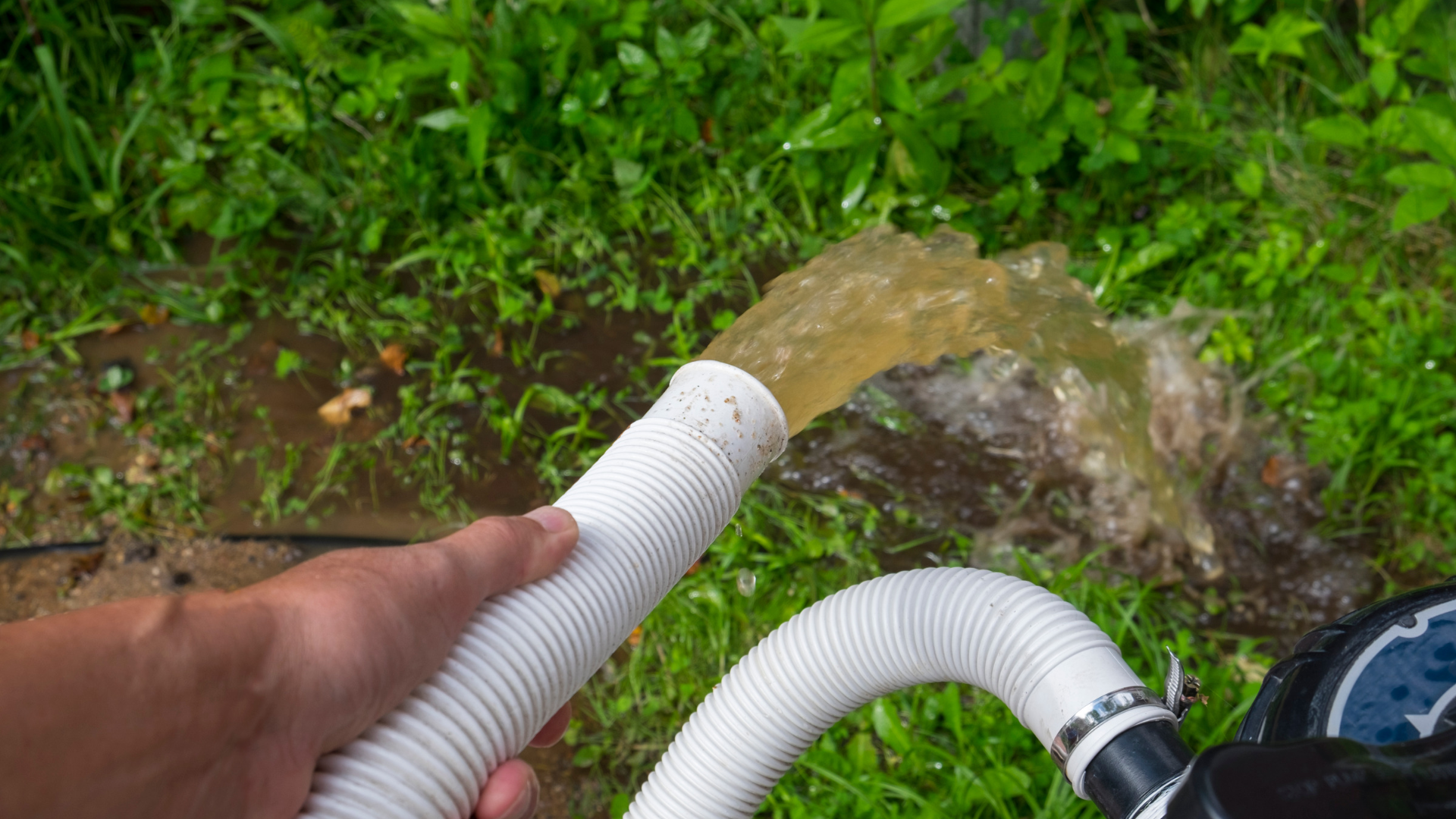
A conventional salt-regenerating water softener should not discharge its regeneration wastewater into a Connecticut household septic system. Connecticut's current standards allow certain other treatment wastewater to enter septic systems under specific conditions, but that does not create permission for softener brine. The appropriate alternative needs to account for the treatment equipment, discharge volume, site conditions, and local health department requirements. Moving the hose onto the lawn is not an acceptable shortcut.
At Drainage Pro of CT, we evaluate exterior discharge routes and install buried outdoor lines and suitable receiving systems within the approved project scope. We work with homeowners in Madison and Westbrook who need to understand where their water-treatment wastewater goes. Our work is outside the building, rather than servicing the softener or altering indoor plumbing. This guide explains the disposal decision before you commit to excavation or a new connection.
What Connecticut's Current Standards Say
The equipment producing the wastewater matters. The Connecticut Department of Public Health's current subsurface disposal resources identify revised standards effective September 1, 2026. Section 16 addresses water-treatment wastewater, and Appendix D identifies particular sources that may qualify for septic discharge subject to additional requirements. Salt-regenerating water softeners are not among those listed sources.
That distinction prevents two misleading answers: that all treatment wastewater is automatically acceptable, or that every treatment device is governed identically. Madison's water-treatment discharge guidance recommends separating treatment discharge from household septic disposal. Its historical permitting discussion should not replace checking the current process for your project. Ask the Health Department to confirm the applicable requirements using the actual equipment information before construction is planned.
Why Softener Wastewater Is Different From Roof Runoff
A softener uses a treatment process that changes the composition of its waste stream. During regeneration, water carries away brine and material released during the cycle. That is a different source from rainfall collected by a gutter, even if both leave the house through a small pipe.
The DPH's ion-exchange guidance explains how salt brine regenerates treatment resin and directs homeowners to current disposal criteria and local approval procedures. Regeneration can occur on a schedule or according to equipment demand. The discharge may therefore appear at night or on a dry day without any connection to rain.
| Water source | What needs identifying | Why the distinction matters |
|---|---|---|
| Softener regeneration | Brine use, cycle volume, and frequency | Requires treatment-wastewater disposal planning |
| Other filter backwash | Filter media, contaminants, and chemicals | Requirements depend on the actual waste stream |
| Roof runoff | Roof collection area and rainfall | Stormwater design does not authorize brine disposal |
| Groundwater drainage | Water entering from surrounding soil | Not a substitute destination for treatment wastewater |
| Household septic sewage | Approved sewage system and its design | A nearby connection is not permission to add softener waste |
Do not assume that a rainwater dry well is approved for a softener drain line. A buried chamber's appearance does not establish its permitted purpose, capacity, or location. The receiving system has to be appropriate for the discharge it will actually handle.
Our water-softener discharge services focus on exterior routing and the receiving arrangement. That starts with identifying the source, rather than connecting treatment wastewater to whichever underground pipe is easiest to reach. The route and destination need to be evaluated together.
How to Find Out Where Your Existing Drain Goes
You may know where the softener sits without knowing the drain's final destination. A line can disappear behind a wall, cross the foundation, or connect to a buried structure that is no longer obvious. An unseen outlet needs tracing, not a guess based on the nearest outdoor drain.
Gather what you can without disconnecting plumbing or opening buried systems:
- The softener's manufacturer, model, and installation records.
- Its manual and available regeneration information.
- A home inspection report mentioning treatment discharge.
- Septic plans, well records, and any separate discharge-system drawings.
- Photos of an accessible exterior pipe or wet area.
- The approximate time and duration of recurring outdoor discharge.
- Any earlier repairs or changes to the route.
A pipe entering the ground does not prove it reaches a dedicated system. Likewise, a connection to an indoor drain may require a plumber or treatment specialist to confirm its destination. We can assess the exterior portion and explain where additional tracing or indoor work is needed.
If a property inspection flagged the arrangement, keep the inspector's wording and photos. Ask whether the concern is a septic connection, a surface outlet, an unknown route, or evidence of poor performance. Those are different problems and may require different corrections.
Warning Signs That the Current Arrangement Needs Review
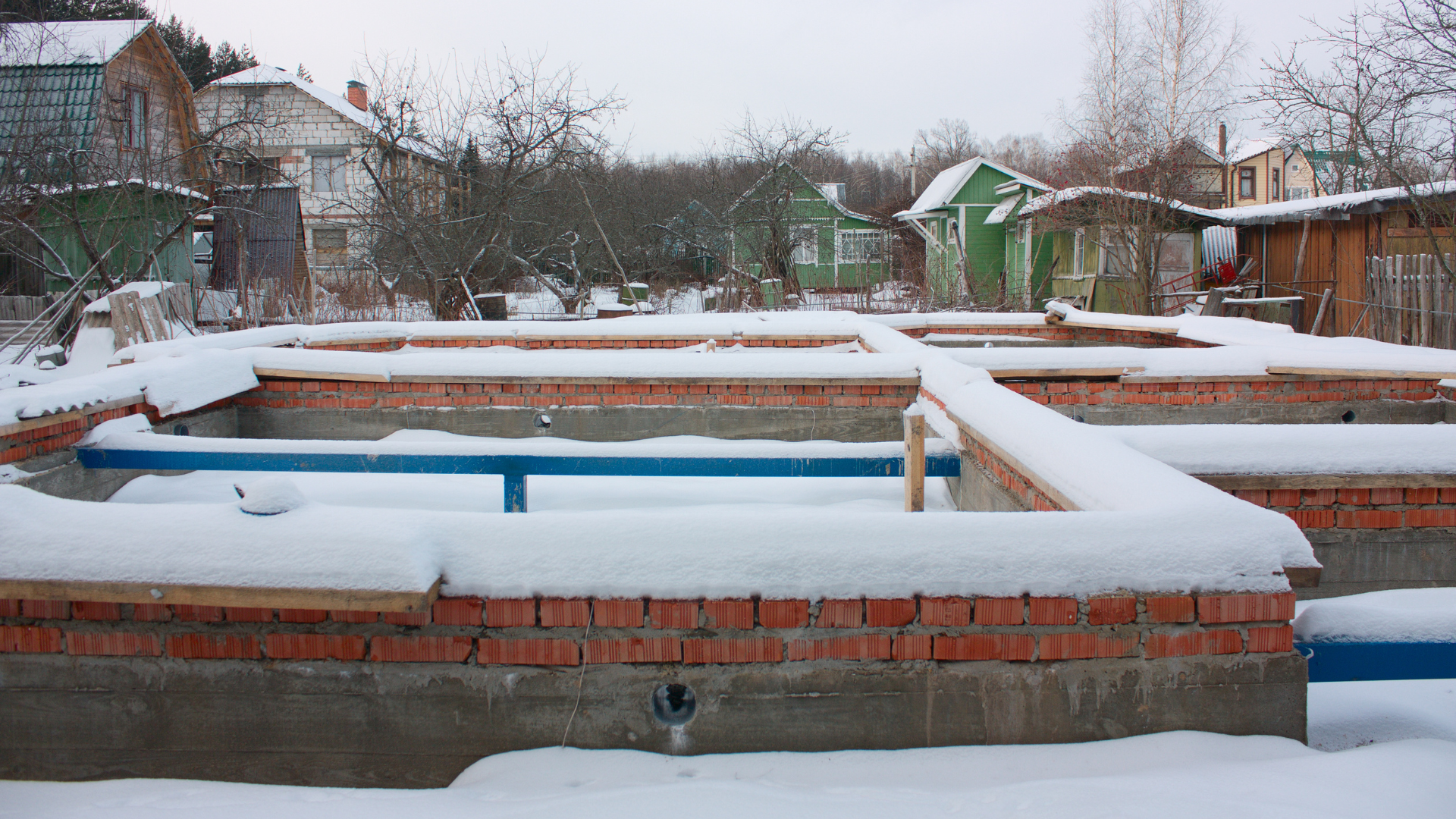
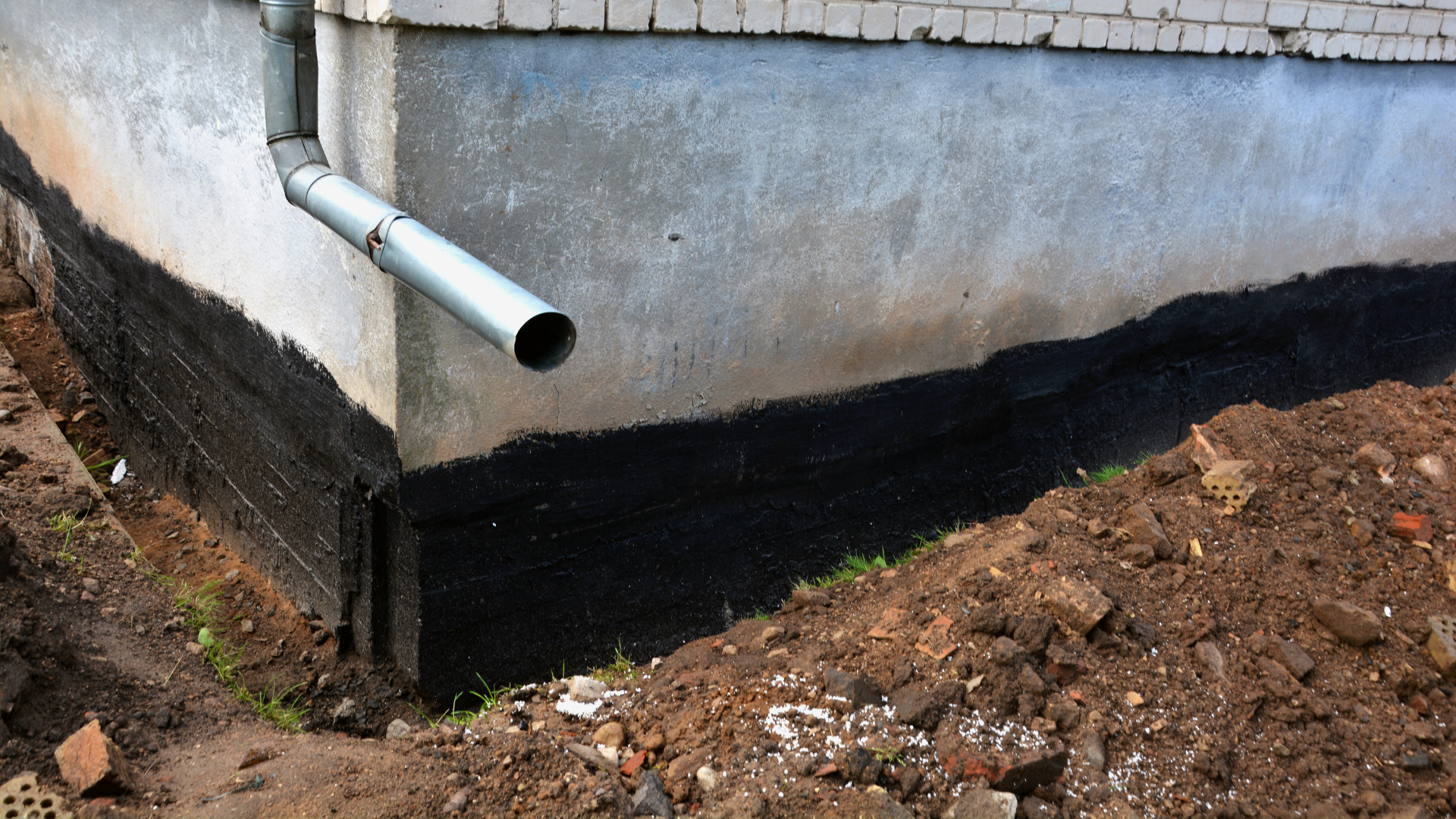
An outlet ending against the foundation deserves attention because it concentrates discharge close to the building. Repeated surface water, a recurring wet patch after regeneration, or a drain connected to the septic line also warrants review. None of those observations identifies the full scope by itself. The next step is to confirm the route and receiving conditions before moving the outlet.
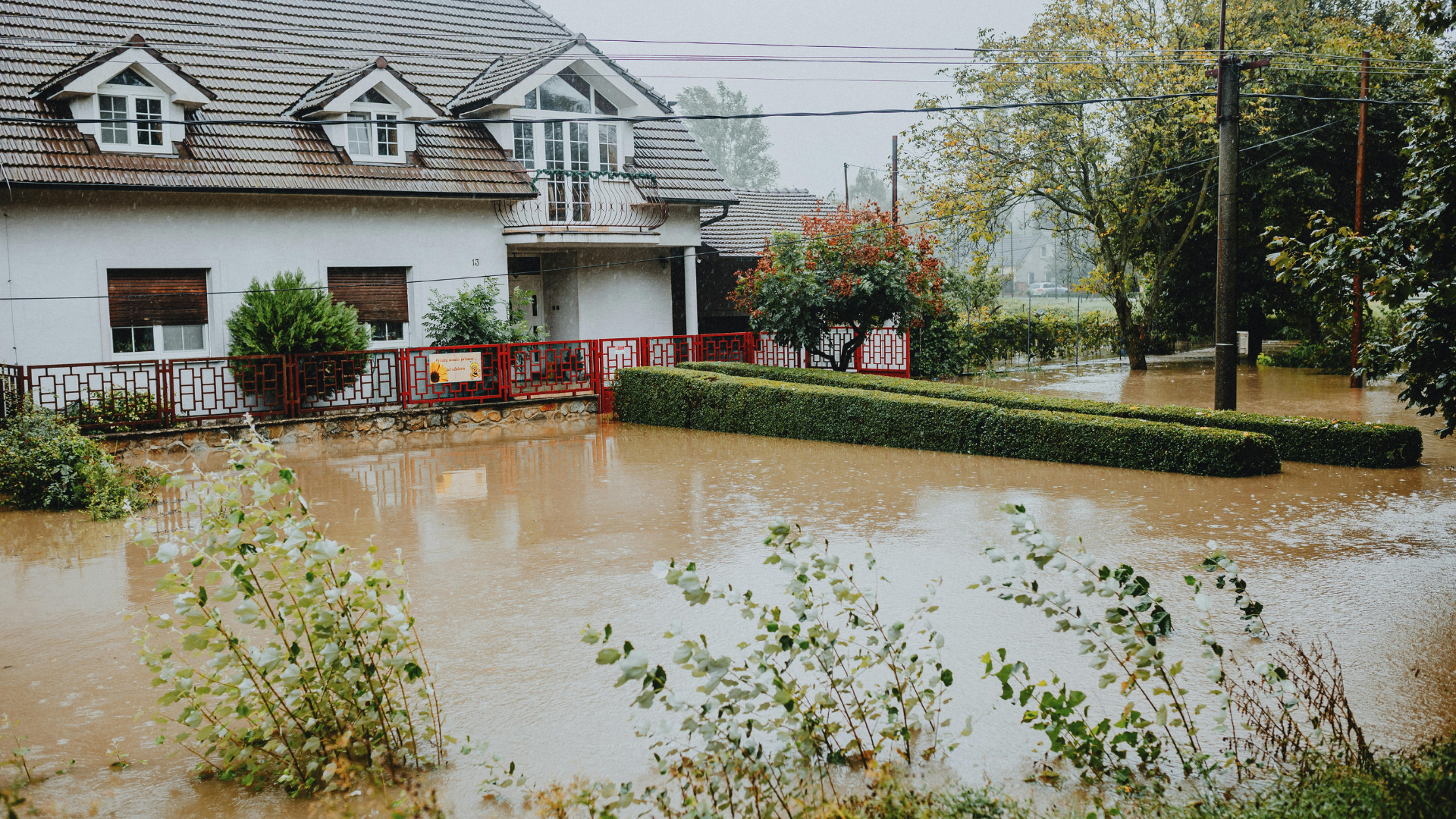
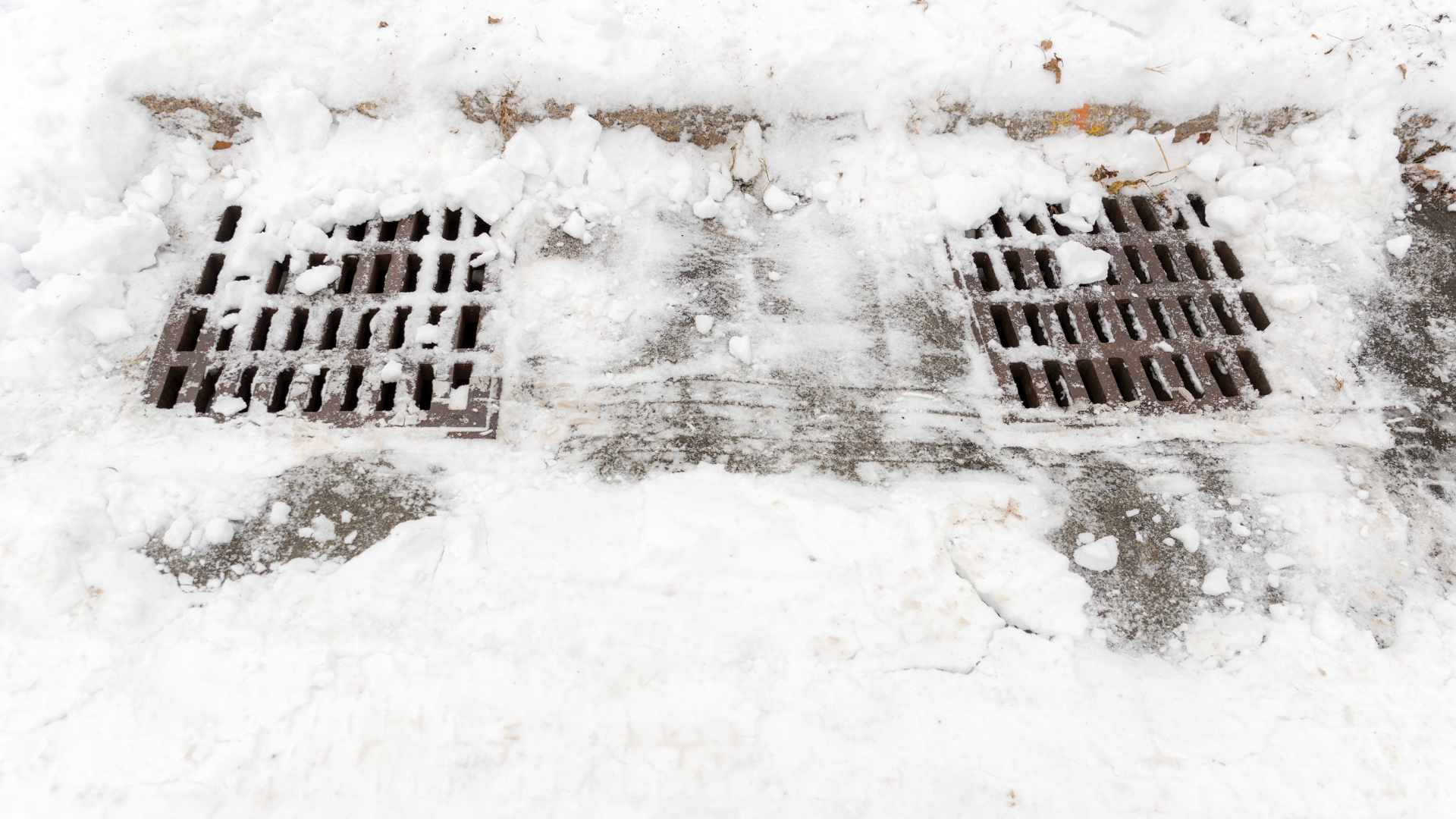
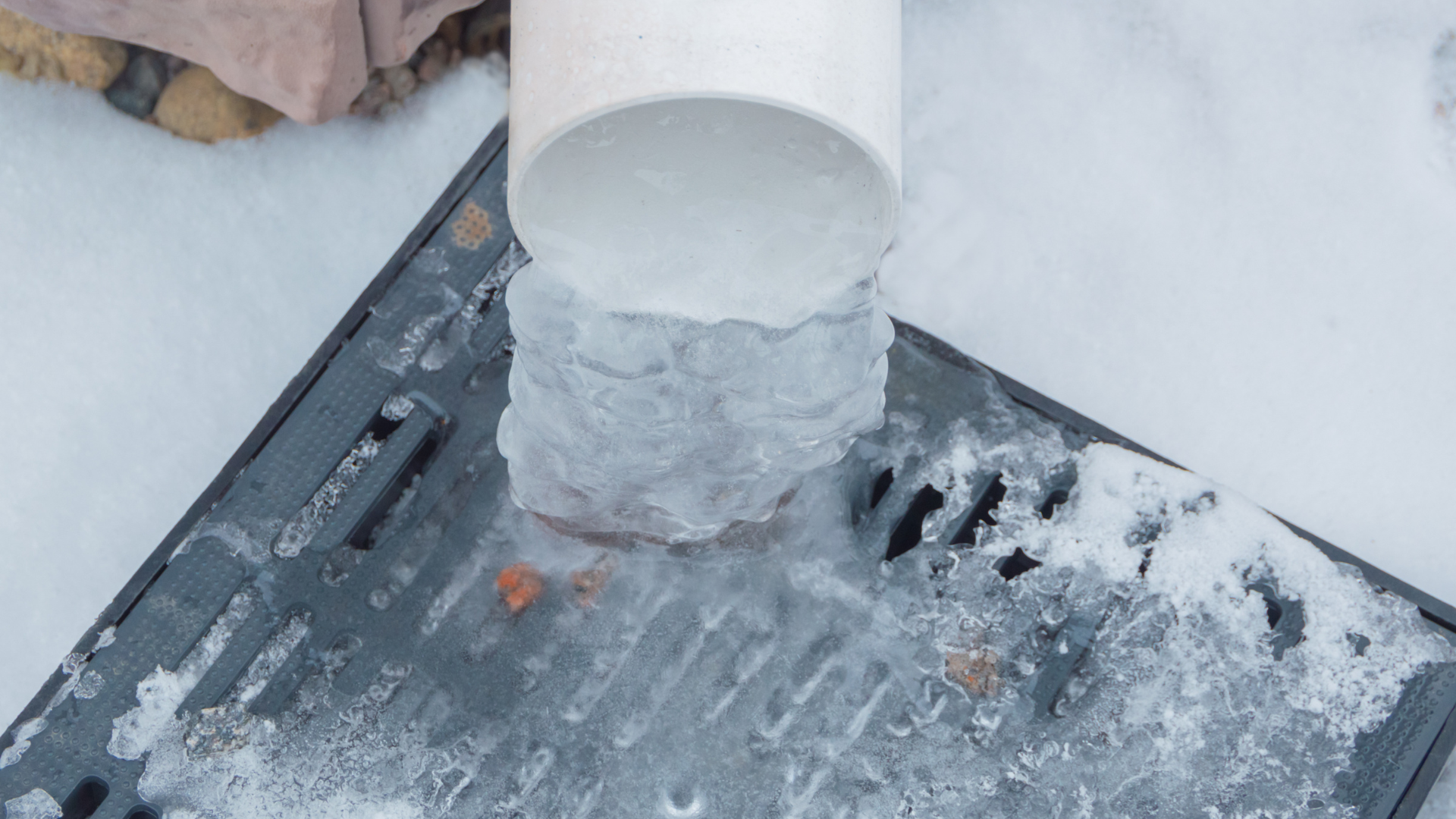
A wet yard can have more than one source, including runoff, groundwater, and treatment discharge occurring together. Our article on winter yard drainage problems explains why saturated or frozen conditions can complicate outdoor drainage. A treatment cycle that becomes visible only during wet weather may be exposing limited receiving capacity rather than creating all the water in the yard. Record the timing so the evaluation can separate these overlapping sources.
What a Separate Subsurface System Actually Does
A dedicated exterior line carries the identified wastewater to a separate receiving arrangement suited to the site and approved use. A subsurface dispersal system temporarily receives that flow and allows it to disperse into suitable soil under the applicable design conditions. It is not simply a pit selected because it is far from the house. The end of the line needs as much planning as the pipe that reaches it.
The design must consider how much water arrives during a cycle and whether the receiving soil can manage repeated discharge. A larger pipe alone cannot create absorption capacity in saturated or unsuitable ground. Where the site presents constraints, the appropriate authority and qualified project professionals need to determine the acceptable solution. Our general dry-well installation services describe stormwater work, which must be distinguished from a treatment-wastewater installation.
What Has to Be Checked Before Excavation
A feasible location needs more than open lawn. Wells, sewage systems, buildings, groundwater, rock, utilities, and property boundaries can limit where a receiving system belongs. The disposal plan should preserve the function of existing systems rather than trade one drainage problem for another.
| Site factor | What the evaluation needs | Why it affects the project |
|---|---|---|
| Discharge data | Actual cycle volume and frequency | Determines the flow the system must receive |
| Equipment chemistry | Treatment type and regeneration materials | Helps establish the applicable disposal approach |
| Soil conditions | Appropriate site investigation and absorption information | Affects dispersal feasibility |
| Seasonal groundwater and rock | Conditions at the proposed location | Can limit depth and placement |
| Wells and septic components | Accurate locations and required clearances | Protects water supplies and existing infrastructure |
| Outdoor route | Elevations, pipe suitability, and freeze protection | Supports reliable conveyance |
| Site access | Utilities, landscaping, and excavation constraints | Shapes construction and restoration scope |
The current state standards include separate provisions for conveyance and receiving structures. That is why a single setback number copied from a generic article can be misleading. The responsible reviewer should confirm which requirement applies to each part of your installation.
In Madison and Westbrook, the usable portion of a lot can differ substantially from its total acreage. A large yard may still contain a well, septic reserve area, shallow groundwater, or other limitations. We look at the actual proposed route rather than assume a property has room for a dedicated dry well because the lawn looks spacious.
Confirm the Local Process Before Work Begins
Start with the Health Department serving the property and identify the proposed work as water-treatment wastewater disposal. Ask what equipment records, drawings, site investigation, approvals, and inspection arrangements are needed. An evaluation by a contractor does not replace the authority's approval process. Keep the project information together for that review.
Westbrook's Health Department resources include an application for constructing a water-treatment wastewater system. Its listed form requests equipment and discharge information together with a site plan. Confirm the current version and submission requirements rather than rely on an old form's fee or sizing note. Madison homeowners should make the same project-specific check with their own department.
Compare the Complete Scope and Cost
Choose the disposal approach first, then compare prices for that approach. A quote for burying a pipe is incomplete if it leaves the destination unresolved. A stormwater chamber price also cannot establish the cost of an approved treatment-wastewater system.
A Practical Decision Framework
- Confirmed softener-to-septic connection: Ask the local health authority and appropriate contractors to plan a compliant correction.
- Visible surface discharge: Arrange evaluation of the wastewater source and a suitable disposal route rather than extending a hose across the lawn.
- Unknown underground destination: Trace and document the existing arrangement before proposing replacement.
- Separate system with recurring ponding: Investigate the line, receiving structure, soil, and discharge load together.
- Limited suitable space: Confirm feasibility and required review before choosing equipment or excavation locations.
- Indoor equipment concern: Involve the treatment provider or plumber while we address the exterior scope.
Our exterior proposal should explain the route, receiving scope, and work boundaries. Indoor drain connections, softener programming, and equipment maintenance belong with the appropriate plumbing or water-treatment professional. Coordinating those scopes helps avoid completing a buried line that the indoor equipment cannot properly connect to.
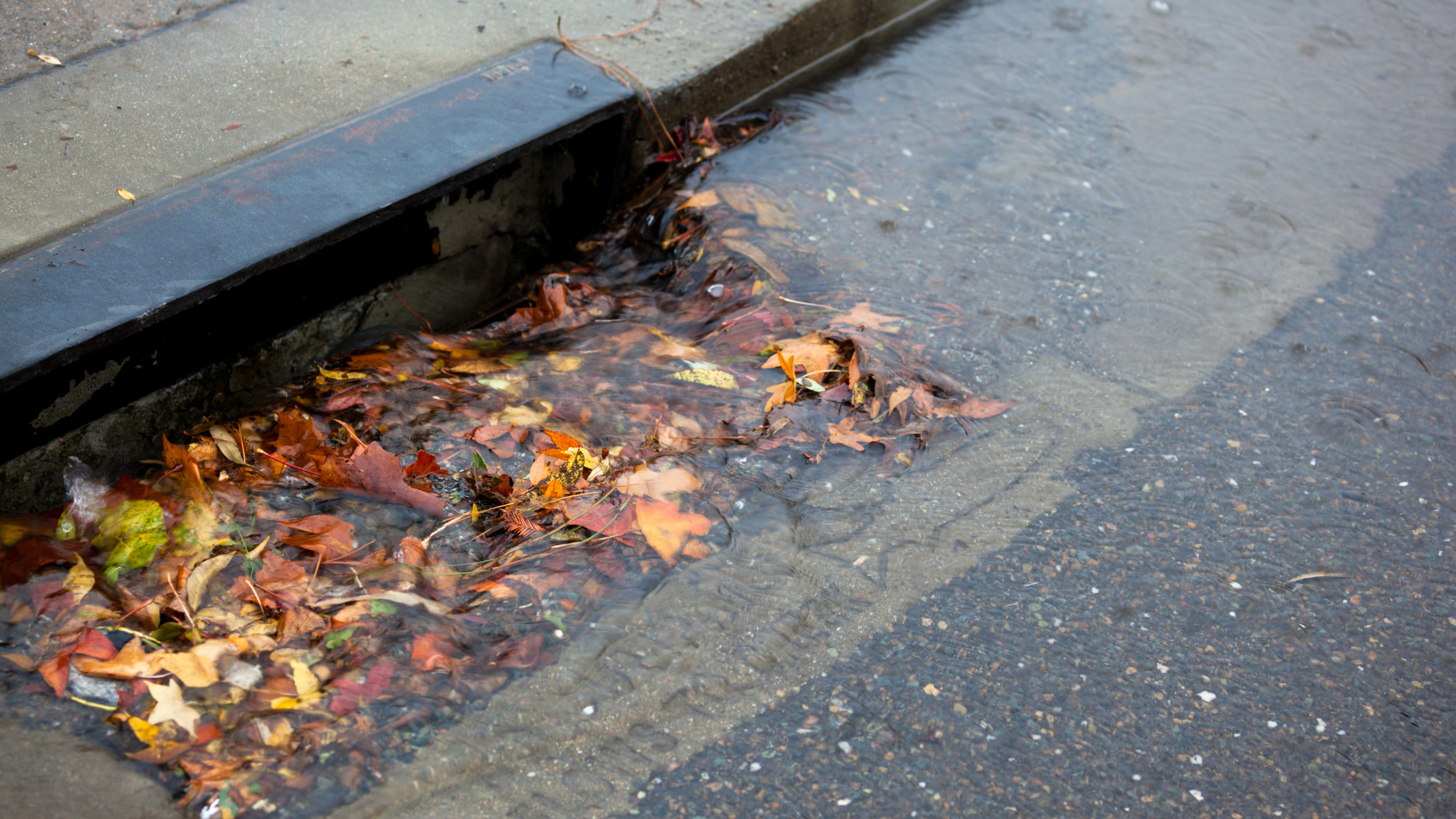
For broader surface-drain issues, our article on leaf-related drainage restrictions explains another source of outdoor ponding. Those restrictions may need attention on the same property. They do not change the separate requirements for treatment wastewater.
What Should Be Included in the Estimate?
We provide a
Free Drainage Evaluation to discuss the exterior conditions and proposed work. For broad market context only, HomeGuide's drainage cost guide lists around
1,000–4,000 for shallow exterior yard drainage. That is a different category from a dedicated softener-wastewater installation, so it is not a substitute budget for this project. We price the defined treatment-discharge work after its route, receiving requirements, and site constraints are understood.
| Cost component | How to budget it | What to confirm |
|---|---|---|
| Initial exterior evaluation | Free Drainage Evaluation | Scope of the visit and available records |
| Site investigation or professional design | Project-specific where required | Who provides it and whether it is included |
| Buried conveyance line | Measured exterior proposal | Route, excavation, pipe, and connections |
| Receiving/dispersal system | Approved project-specific scope | Capacity, siting, materials, and access |
| Local review and documentation | Confirm with the authority | Applications, fees, inspections, and records |
| Indoor changes and equipment work | Separate qualified trade where needed | Clear boundary between indoor and exterior work |
| Lawn or surface restoration | Defined in the proposal | Grading, topsoil, seed, or other finishes |
Compare whether proposals include both the line and destination, not merely their total prices. Ask how the work will be documented before it is covered. Keep the approved information and final location records with the home's well and septic documents.
A correction does not have to mean replacing the water softener. If the equipment is operating appropriately, the problem may be the wastewater route rather than water treatment itself. Conversely, a change in equipment or discharge volume may require the exterior plan to be reviewed again.
Request a Free Drainage Evaluation for Your Exterior Route
If you are unsure where your softener wastewater goes, we can evaluate the exterior route at your Madison property. We also help Westbrook homeowners investigate recurring discharge and plan suitable buried outdoor lines. Bring any equipment information, inspection comments, and well or septic drawings you have. We focus on the route and receiving conditions before recommending excavation.
Request a Free Drainage Evaluation or call 860-852-6270 to discuss your property. We will explain our exterior scope and the information needed to move forward. Applicable local review and any indoor work should be coordinated before installation. Drainage Pro of CT is licensed and insured under HIC#0706616.
Helpful Services and Related Reading