5 Drainage Problems Fallen Leaves Can Create Around Madison Homes
Mike James • October 6, 2026

Why this mistake is so damaging: The excavated soil, particularly Connecticut's clay-heavy shoreline soil, has the same low permeability problem that likely contributed to the original drainage issue. Backfilling with this soil directly on top of the gravel and fabric system creates a dense, slow-draining cap that reduces the rate at which surface water can reach the drainage system below it. In clay soil, surface water sits on top of this backfill rather than percolating down into the French drain, which means the system never receives the water it was designed to manage.

The correct approach uses clean gravel as backfill above the fabric-wrapped drainage layer up to a point near the surface, with the final few inches restored with topsoil and seed or sod to blend with the surrounding landscape. This maintains permeability through the full depth of the installation rather than capping a functional drainage system with the same low-permeability soil that was part of the original problem.

Fallen leaves do more than cover lawns and walkways. They collect at yard-drain grates, settle inside catch basins, fill shallow swales, and move with runoff toward the lowest part of a property. Once wet, leaves compress into a dense layer that can slow water even when the drainage system beneath them remains intact. A small surface blockage can then create standing water in the yard or redirect runoff toward an area that was never designed to receive it.


Drainage Pro of CT evaluates yard drainage in Madison, CT by tracing where water originates, how leaves and sediment affect its route, and where it is supposed to discharge. The correct response may be surface cleaning, catch-basin maintenance, pipe clearing, grading correction, or a redesigned system. Replacing a drain is unnecessary when the only problem is removable debris, but clearing a grate will not repair a collapsed pipe or an undersized outlet. These five problems help homeowners decide what to inspect before freezing weather makes the symptoms harder to follow.


Why Fallen Leaves Create Drainage Chain Reactions

Leaves travel with runoff until they reach a grate, bend, inlet, narrow channel, or low point. The first layer catches on the obstruction, and later material builds on top of it. Fine sediment then settles into the wet organic matter and reduces the open area available for water. The result can be a blockage at the surface, inside the basin, or farther downstream.


This matters because a drainage system works as a connected path. Cleaning the visible grate may restore flow temporarily while a sediment-filled sump or restricted outlet continues to hold water. The City of Portland’s catch-basin maintenance guidance identifies slow drainage and ponding near a grate as signs that maintenance may be needed. A complete assessment checks collection, conveyance, and discharge instead of stopping at the first visible leaf pile.

Where Leaves Collect What Happens Next Typical Warning Sign
Yard-drain grate Inlet area shrinks Water ponds around the drain
Catch-basin sump Storage fills with organic material Drainage slows during moderate rain
Pipe entrance Debris forms a plug Basin fills but outlet flow stays weak
Swale or channel Water diverts around the pile New washout or soggy strip appears
Foundation-side low spot Leaves hold moisture against soil Water remains close to the wall

1. A Yard-Drain Grate Becomes Clogged

A clogged yard drain often begins with a mat of wet leaves covering the grate. Water may still enter around the edges during light rain, which can make the drain appear functional. During a heavier storm, the remaining openings cannot accept runoff quickly enough and a shallow puddle expands across the lawn or hardscape. Sediment and grass clippings can make the blockage more compact.


Homeowners can observe safely from ground level:

  • Whether water swirls above the grate before entering
  • Whether the pond disappears after surface leaves are removed
  • Whether sediment is packed into the grate openings
  • Whether nearby soil has settled below the drain rim
  • Whether the same drain backs up during every storm


Removing loose surface debris is reasonable when the grate is accessible and there is no electrical, traffic, or deep-water hazard. Wear gloves and place removed leaves where they cannot wash back into the system. Do not reach into an unknown basin or force tools into a connected pipe. If water remains after the grate is clear, the restriction may be below the surface or the drain elevation may no longer match the surrounding grade.


2. Catch-Basin Capacity Shrinks

Catch basin drainage depends on more than an open grate. The basin’s sump holds sediment and debris below the outlet so cleaner water can continue into the pipe. Leaves that enter the basin break down, mix with soil, and consume that storage volume. When the sump fills, material can reach the outlet and reduce downstream flow.


Warning signs include:

  • Ponding around a clear grate
  • Water remaining inside the basin long after rain
  • Visible sediment close to the outlet elevation
  • Organic odor from decaying material
  • Debris moving into the outlet pipe


Portland’s guidance explains that routine sediment and debris removal improves drainage and helps prevent localized flooding. The principle applies to residential systems even though the basin size and maintenance method may differ. A technician should inspect the sump depth, outlet tee or connection, pipe flow, grate condition, and final discharge. Surface raking alone cannot restore storage that has already filled below the grate.


3. Leaves Block Swales, Channels, and Drainage Paths

A shallow swale or open channel carries water through a gentle low route rather than collecting it in one structure. Leaves can form small dams at branches, stones, fence openings, culvert entrances, and flattened sections. Water then spreads onto adjoining lawn or cuts a new route around the obstruction. The resulting wet area may appear far from the original blockage.


Check these locations after rain:

  • The upstream side of culvert or pipe openings
  • Narrow points between landscaping and structures
  • Low sections crossed by roots or fallen branches
  • Channel outlets hidden by groundcover
  • Areas where sediment has formed a new ridge


The goal is to restore the intended water path without scraping away stable soil or pushing debris downstream. A swale that has lost grade, settled, or eroded may need more than cleaning. Similarly, a channel carrying more runoff than it was designed for may keep overtopping after leaves are removed. Drainage Pro of CT’s Madison yard-drainage service evaluates the route, grade, soil, volume, and outlet together.


4. Runoff Is Redirected Toward the Foundation

A leaf blockage can turn a harmless drainage route into a foundation concern by forcing water around the obstruction. Water may leave a swale, overflow a basin, or spread from a blocked drain into soil beside the home. Repeated saturation matters more than one temporary puddle because wet soil can remain against the foundation after the surface appears dry. Look for mulch movement, soil staining, damp lower walls, and puddles that repeatedly form in the same location.


The U.S. Environmental Protection Agency explains that stormwater flows across roofs, pavement, and other surfaces while carrying yard waste and pollutants toward drainage systems and waterways. Its stormwater overview reinforces the need to keep debris out of runoff paths rather than washing it into drains. Removing the leaf dam may restore normal flow, but water pooling near the foundation still requires evaluation if the grade directs water inward. The site may need a collection point, pipe, swale correction, or another exterior drainage solution.


5. Saturated Lawn and Erosion Spread Beyond the Drain

When a drain accepts water too slowly, the surrounding lawn becomes temporary storage. Repeated ponding can soften soil, thin turf, expose roots, and create muddy access areas. Water moving around a blocked inlet can also cut channels through mulch or topsoil. These fall drainage problems often become visible as a widening bare patch rather than a dramatic flood.


The pattern helps separate a maintenance issue from a design problem:

  • A small puddle that disappears after leaf removal suggests surface blockage
  • Ponding over a clear drain suggests a deeper restriction or low inlet
  • A long wet strip may follow a buried pipe leak or subsurface flow
  • New erosion may show that runoff is bypassing the intended collection point
  • Several wet zones may indicate a system-wide outlet or capacity problem


Avoid adding soil blindly to a wet low spot because raising one area can push water toward a different part of the yard. Reseeding also fails when the water source remains. The system should first be tested from the collection point to its safe outlet. Restoration makes sense only after the drainage path is working.


What Homeowners Can Check Safely Before Calling

Begin with observations during rain from a safe, stable location. Note where water first appears, which direction it travels, how quickly it reaches the drain, and whether the outlet produces flow. Take photographs at the start, peak, and end of the storm when possible. Those details can shorten diagnosis because dry-weather staining does not always show the full route.


Use this inspection checklist:

  • Remove only loose leaves from accessible surface grates
  • Check whether standing water drops after the surface is cleared
  • Look for sediment, broken grates, settlement, or damaged edges
  • Trace visible swales and channels without entering deep water
  • Find the discharge point if it can be reached safely
  • Record whether the problem occurs in light rain or only heavy rain


Stop if a grate is broken, a basin is deep, water is moving rapidly, wiring is nearby, or the outlet location is unknown. Do not enter a catch basin or enclosed drainage structure. Avoid flushing a suspected clog with high pressure because debris may compact farther into the line. Professional testing can isolate the obstruction without turning a maintenance problem into pipe damage.

Observation Likely First Step When Broader Evaluation Is Needed
Leaves cover an accessible grate Remove surface debris Water still ponds afterward
Basin contains sediment Inspect and clean the sump Outlet remains slow or blocked
Swale has a leaf dam Clear loose material carefully Grade is lost or erosion continues
Water reaches the foundation Restore drainage route Pooling persists beside the wall
Lawn stays wet for days Document the pattern Multiple components may be failing

How to Decide Between Maintenance and Drainage Repair

Maintenance fits when the drainage route is intact and removable debris is the only restriction. Repair becomes more likely when pipes are crushed or separated, basin elevations have settled, outlets are blocked, or swales no longer carry water. A redesigned system may be needed when existing components are undersized or the property has no workable discharge. The decision should follow a flow test, not an assumption based on one puddle.


Use this decision framework:

  1. Clear the visible inlet. Remove accessible leaves without forcing material downstream.
  2. Test conveyance. Confirm water moves through the basin and pipe rather than only leaving the surface.
  3. Verify discharge. Identify where collected water exits and whether that location remains open.
  4. Check site grade. Determine whether water naturally reaches the inlet or bypasses it.
  5. Match the fix. Choose maintenance, pipe repair, basin adjustment, or a larger system based on the failed step.


Estimated 2026 Market Context

Drainage Pro of CT publishes current planning ranges for several yard-drainage solutions. A catch basin with a short pipe run starts around $1,500 to $2,500, French drain systems typically run $3,000 to $6,000, and Madison dry-well installation typically runs $1,500 to $3,500. Comprehensive systems combining multiple components may cost $5,000 to $10,000 or more. These are our planning ranges for installed solutions, not prices for leaf removal or routine maintenance, and exact written pricing follows an on-site assessment.

Drainage Pro Solution Published Planning Range Main Cost Factors
Catch basin with short pipe run $1,500 to $2,500 Basin, pipe length, outlet, restoration
French drain system $3,000 to $6,000 Length, depth, soil, discharge
Madison dry well $1,500 to $3,500 Capacity, percolation, connections
Comprehensive yard system $5,000 to $10,000 or more Multiple components, access, complexity
Maintenance-only scope Written after inspection Basin count, sediment, access, blockage

The right comparison is between scopes that solve the same failed step. A maintenance visit should not be compared directly with installation of a new collection and discharge system. Conversely, repeated cleaning will not correct a collapsed pipe or a drain installed above the actual low point. We explain whether the property needs maintenance, repair, or redesign before work begins.

Restore the Full Drainage Path Before Winter

Leaf removal matters most when it restores a complete route from surface collection to safe discharge. Drainage Pro of CT can inspect yard drains, catch basins, swales, buried pipes, and outlets throughout Madison and nearby Shoreline communities. We identify whether debris, sediment, settlement, pipe damage, grade, or limited capacity is causing the symptom. That gives homeowners a focused repair plan instead of a guess based on where the puddle appears.


If you are dealing with a clogged yard drain, catch-basin overflow, erosion, or persistent ponding, contact Drainage Pro of CT for a free on-site estimate. We serve Madison, Guilford, Clinton, Killingworth, Westbrook, and surrounding areas under HIC#0706616. Our installations include a five-year workmanship warranty, and we provide clear written pricing before work begins. Acting before freezing conditions can help keep a seasonal leaf blockage from becoming a hidden winter drainage failure.


Related Services & Pages

Yard Drainage Madison CT

Residential Drainage Services in Madison

French Drain Installation

Dry Well Installation in Madison

Contact Drainage Pro of CT

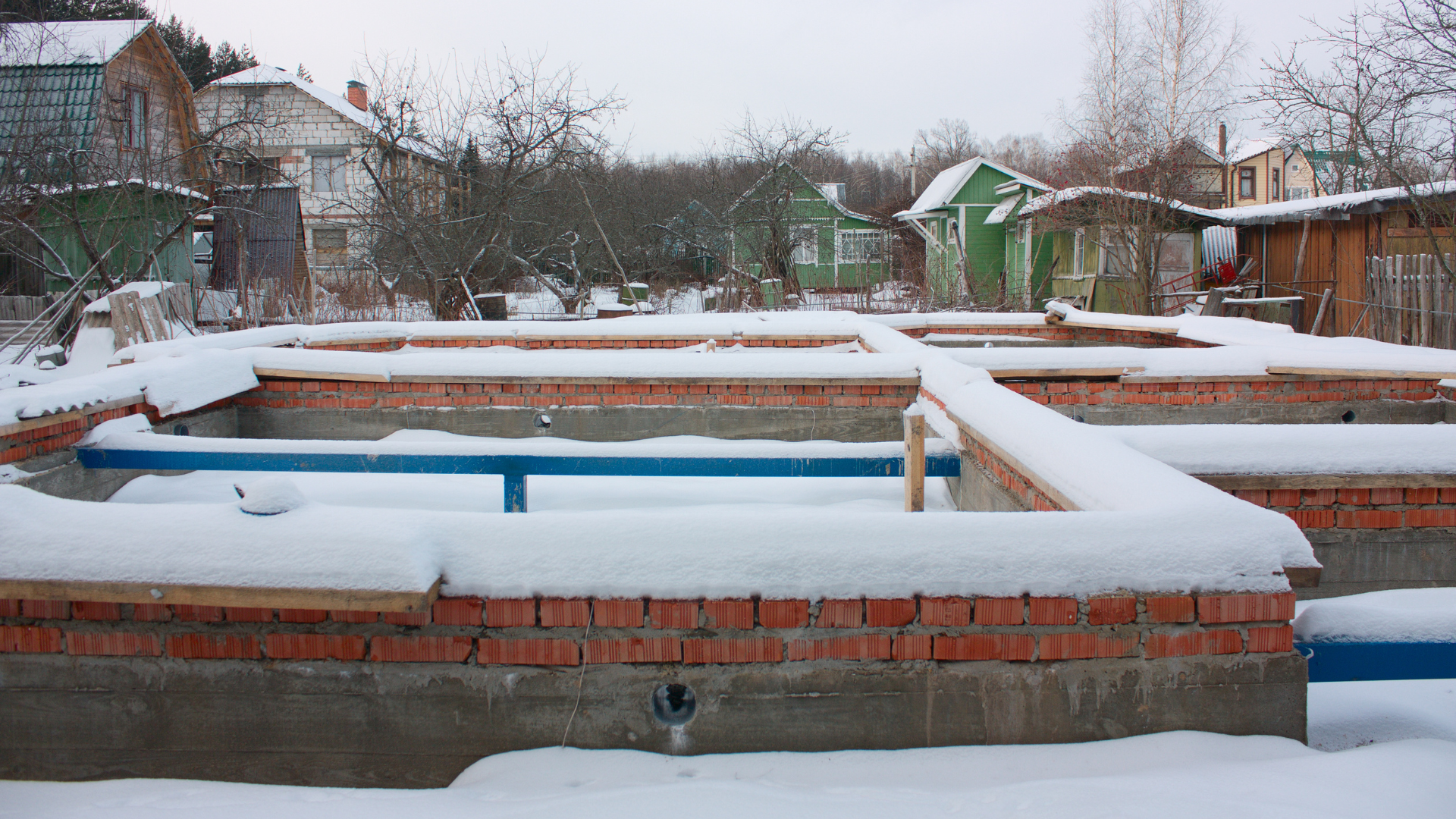
Snow-covered brick pools in a backyard garden with houses and trees in the background
By Mike James • October 13, 2026
Learn why basement seepage appears during winter thaws in Madison, how snowmelt creates water pressure, and when exterior waterproofing may be needed.
White pipe vent protruding from a snow-covered rooftop with ice buildup around the base
By Mike James • October 13, 2026
Learn why frozen ground and snowmelt worsen Madison yard drainage, how to recognize blocked flow, and which drainage solutions address the real cause.
White drain pipe protruding from a concrete wall with black waterproofing at the base beside dirt ground
By Mike James • October 6, 2026
Learn seven signs hydrostatic pressure is building around your Madison foundation, how to identify the water source, and which exterior fixes help most.
House corner with black waterproofing along the foundation and dirt trench beside it.
By Mike James • September 29, 2026
Learn why older footing drains fail during Connecticut's wet fall weather, how to diagnose basement seepage, and when Madison homes need drainage repair.
Brick and stone exterior wall beside a paved walkway
By Mike James • September 29, 2026
Learn why water appears where basement walls meet the floor after heavy rain, what to inspect, and which waterproofing solution fits your Madison home.
Person installing a black downspout extension on a house corner beside red dirt and grass
By Mike James • September 22, 2026
Learn how poor downspout drainage creates foundation moisture in Madison homes, which warning signs to watch, and when underground drainage can help today.
PVC pipes beside a concrete block foundation under construction
By Mike James • September 22, 2026
Learn why water pools around Madison foundations after heavy rain, how negative grading develops, and when regrading or waterproofing may solve the issue.
Black and yellow curb edge being coated with sealant beside muddy ground
By Mike James • September 15, 2026
Compare foundation waterproofing vs downspout drainage for Madison homes, including basement moisture, underground drainage, causes, and project costs.
Brick building corner with black waterproofing at the base, seen on a concrete ground.
By Mike James • September 15, 2026
Compare foundation waterproofing vs regrading for Madison homes, including negative grading, pooling water, drainage causes, and current project costs.
Foundation wall under construction with black waterproofing, cinder blocks, and plywood framing on top.
By Mike James • September 8, 2026
Learn 8 signs your CT Shoreline foundation may need waterproofing before fall rain, what hydrostatic pressure means, and what exterior repairs may cost.