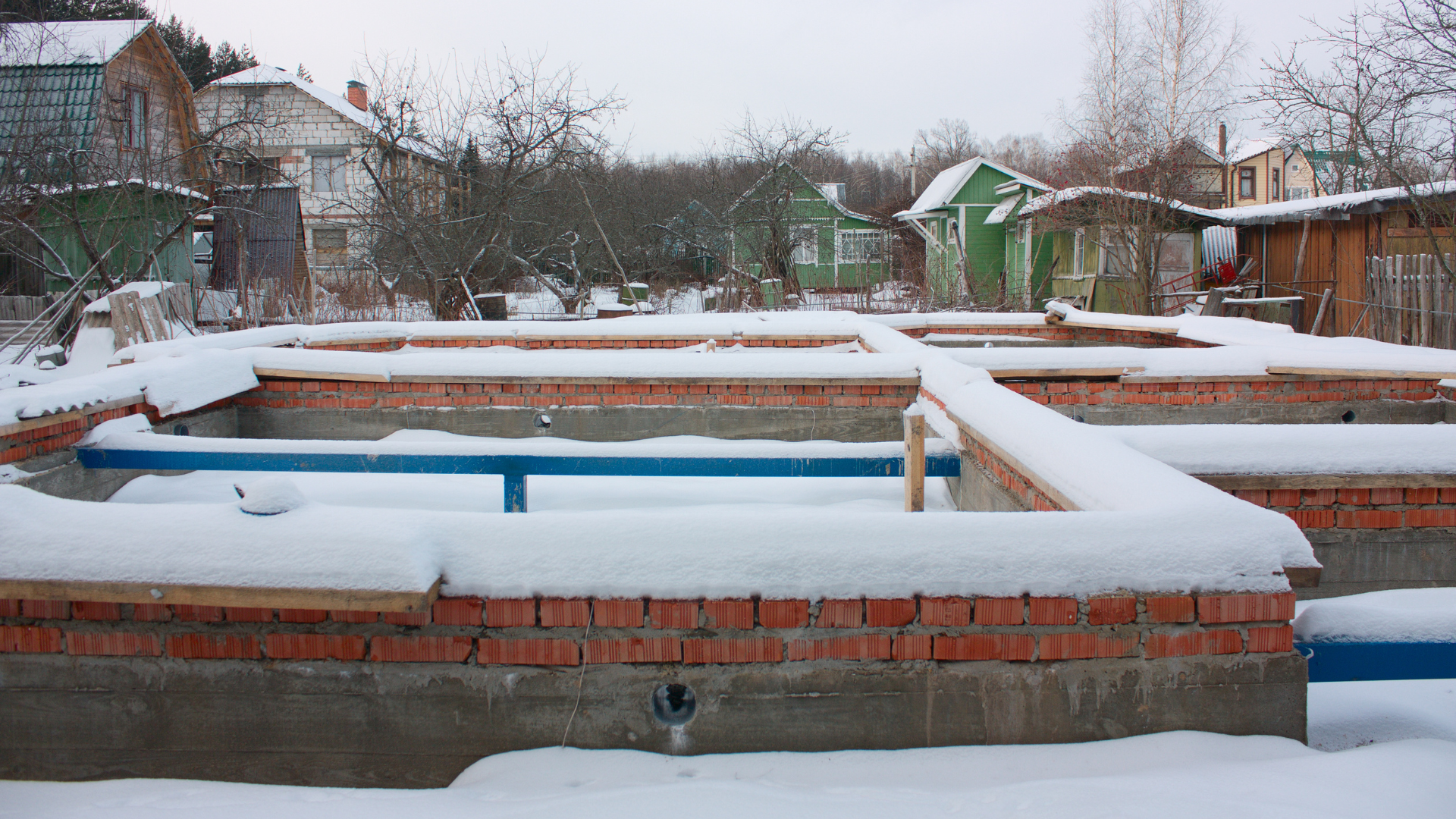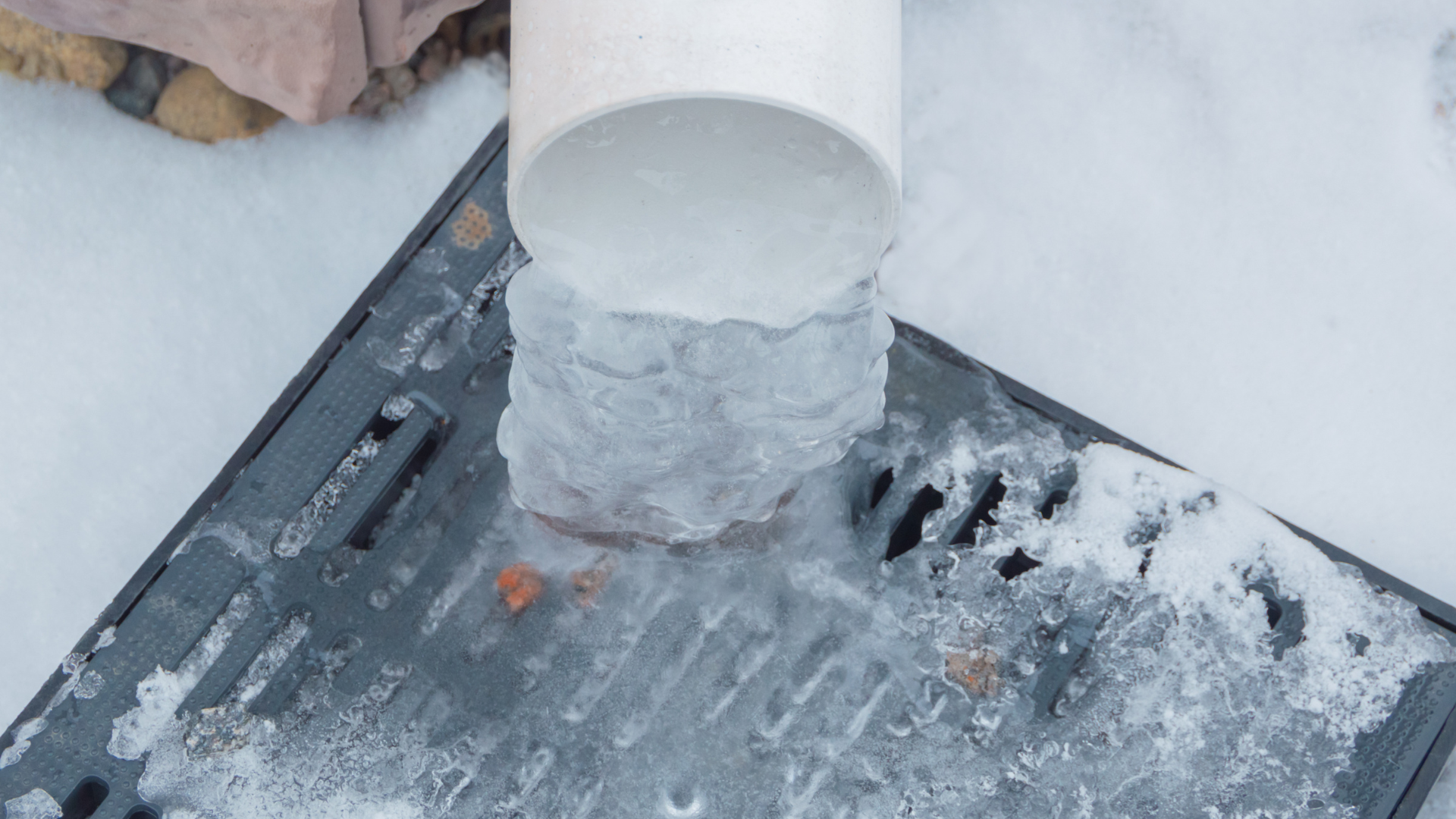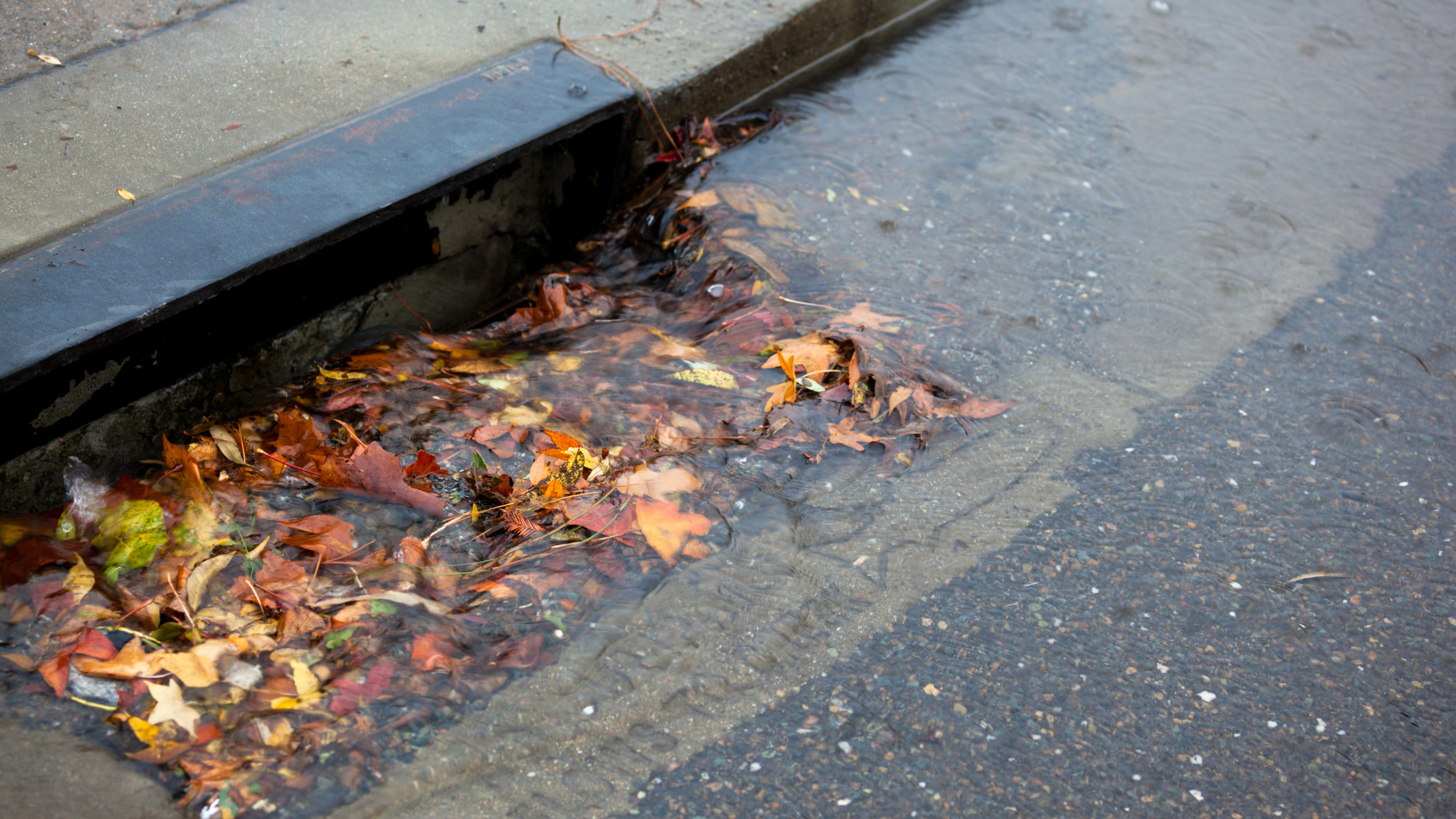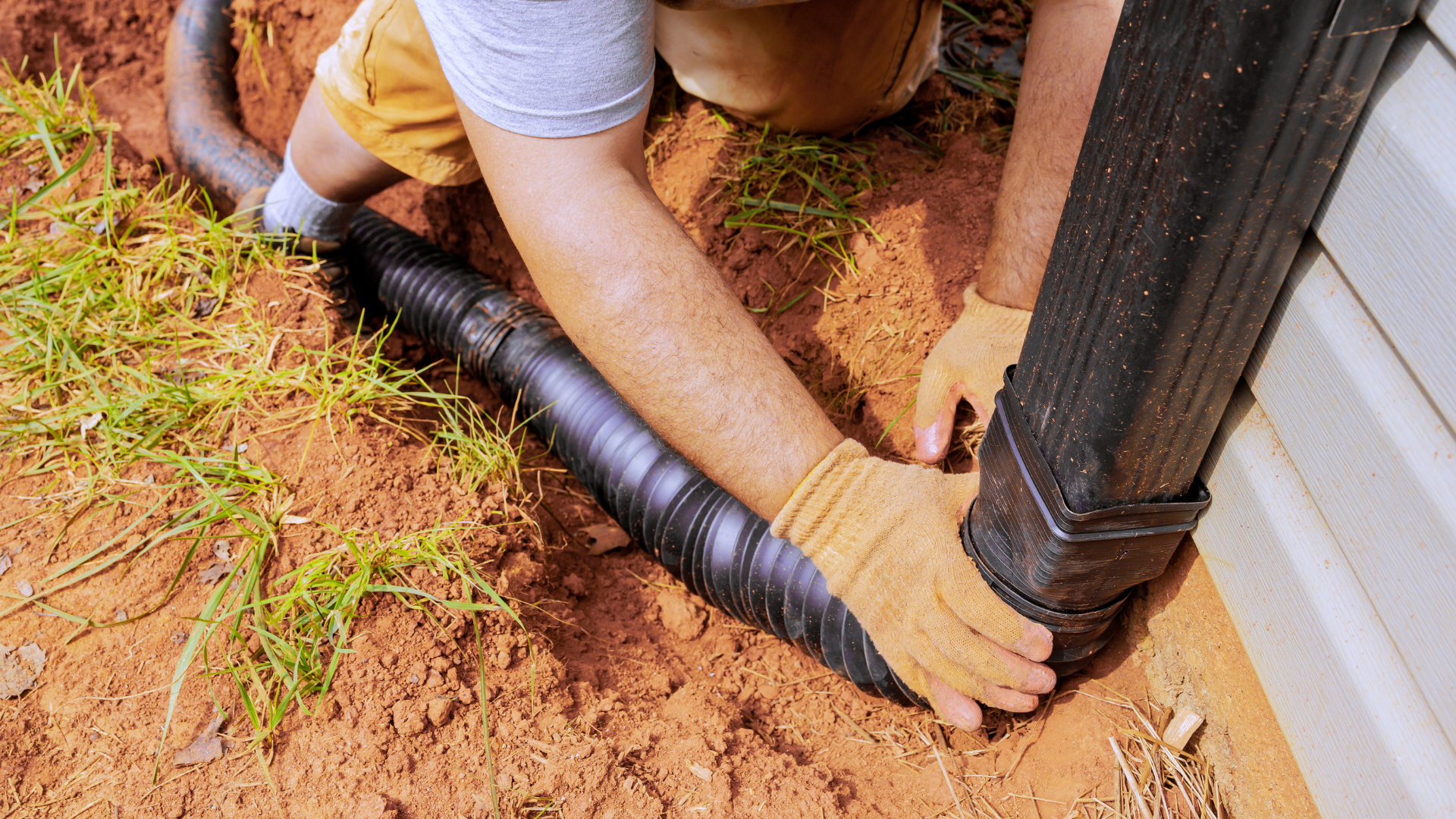
Why this mistake is so damaging: The excavated soil, particularly Connecticut's clay-heavy shoreline soil, has the same low permeability problem that likely contributed to the original drainage issue. Backfilling with this soil directly on top of the gravel and fabric system creates a dense, slow-draining cap that reduces the rate at which surface water can reach the drainage system below it. In clay soil, surface water sits on top of this backfill rather than percolating down into the French drain, which means the system never receives the water it was designed to manage.
The correct approach uses clean gravel as backfill above the fabric-wrapped drainage layer up to a point near the surface, with the final few inches restored with topsoil and seed or sod to blend with the surrounding landscape. This maintains permeability through the full depth of the installation rather than capping a functional drainage system with the same low-permeability soil that was part of the original problem.
Foundation moisture may appear inside only after water accumulates outside for hours or days. Rain saturates soil and presses water against below-grade walls and footings. Pores, cracks, penetrations, and joints can become entry paths after remaining dry early in a storm. The pattern helps distinguish exterior pressure from condensation, plumbing leaks, and surface runoff.
Drainage Pro of CT provides foundation waterproofing in Madison, CT by addressing the exterior source. We evaluate grade, downspouts, soil saturation, wall conditions, footing drainage, and outlets before recommending excavation. Not every damp basement needs full waterproofing. These signs help show when moisture may be connected to pressure around the foundation.
What Hydrostatic Pressure Means Around a Foundation
Hydrostatic pressure develops when water saturates soil and pushes against a below-grade surface. Pressure is greatest where water is deepest, so lower walls and footing areas often show clearer effects. Soil type, water-table elevation, grade, drainage, rainfall duration, and available outlets all influence the condition. The phrase describes the force of water, not a single repair recommendation.
The U.S. Department of Energy’s Building America Solution Center states that groundwater management is necessary for below-grade spaces to mitigate hydrostatic pressure and prevent infiltration. Exterior drainage and waterproofing work together to direct water away. A membrane alone cannot provide an outlet for collected water, while a drain without a continuous water-control layer may leave the wall exposed. Diagnosis should therefore consider the entire exterior system.
| Condition | What It Suggests | What It Does Not Prove Alone |
|---|---|---|
| Moisture begins after prolonged rain | Soil saturation may be building | Full waterproofing is definitely required |
| Lower wall is wetter than upper wall | Pressure may be stronger near footing | The footing drain has failed |
| White mineral deposits appear | Moisture has moved through masonry | The wall is structurally damaged |
| One crack leaks during storms | Water is finding a focused path | The crack is the only exterior problem |
| Soil stays wet beside the home | Foundation perimeter is not drying | Groundwater is the sole source |
Signs 1 and 2: Moisture Appears Late and Low on the Wall
1. Dampness Starts After Repeated or Prolonged Rain
Water-pressure problems often follow a delay. During the first rain, unsaturated soil may still absorb or transmit water, but its available storage decreases as wet weather continues. The basement may remain dry at first and become damp after the second or third storm. That timing is an important clue for a hydrostatic pressure basement assessment.
Record these details:
- How many hours or days of rain occur before moisture appears
- Whether dampness continues after the weather clears
- Which wall or corner becomes wet first
- Whether the pattern follows snowmelt as well as rain
- Whether exterior soil remains saturated during the same period
A plumbing leak tends to follow fixture use or supply pressure rather than regional rainfall. Condensation responds more strongly to indoor humidity and cold surfaces. Moisture that repeatedly follows saturated-ground conditions deserves an exterior drainage review. The review should still test all plausible sources before assigning the cause.
2. The Lower Foundation Wall Is Consistently Wetter
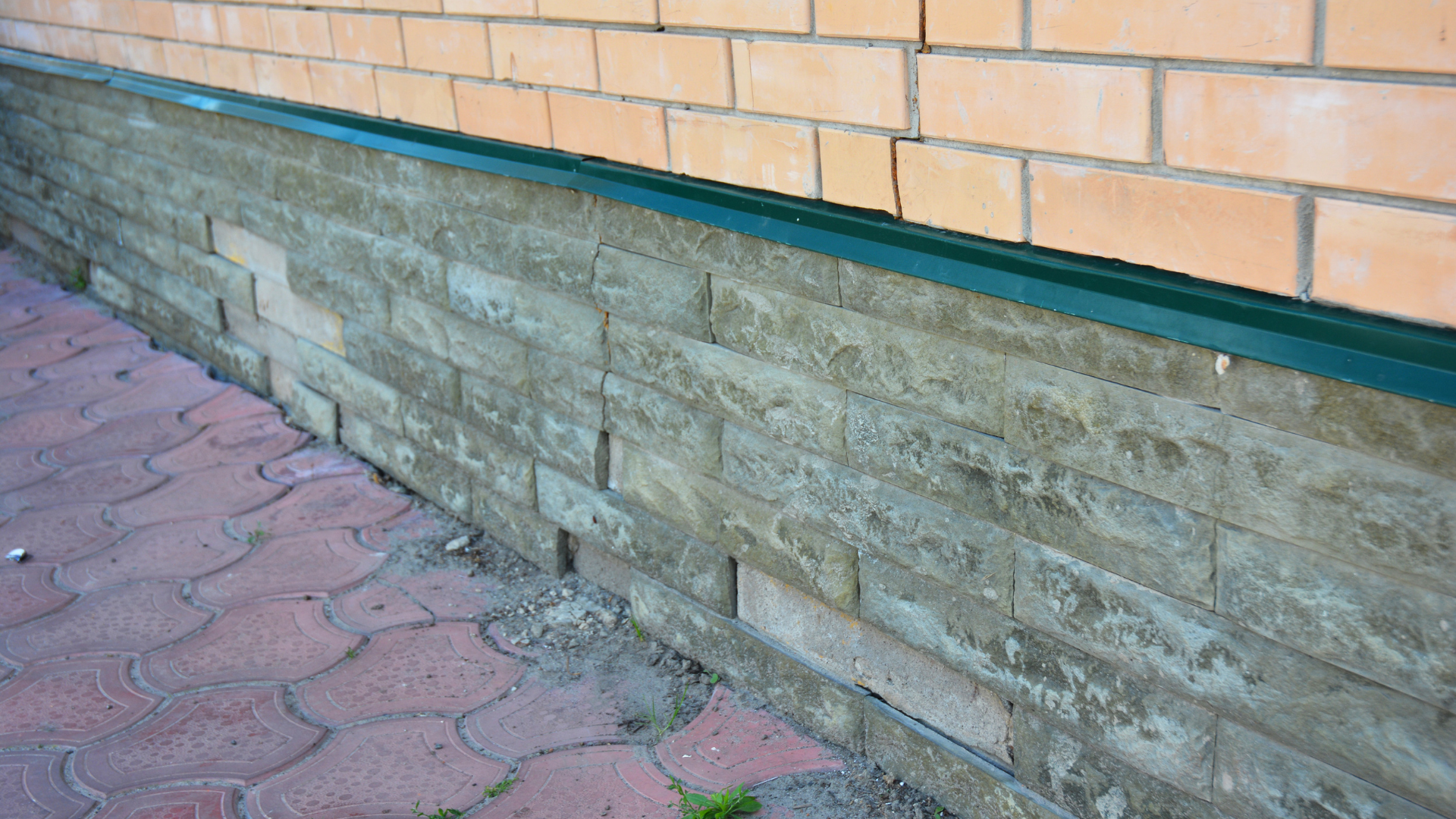
Water pressure increases with depth, and drainage failures near the footing can keep the lowest wall area wet. Darkening, dampness, or mineral deposits may appear first near the slab or lower masonry courses. This does not mean every mark at the base of a wall has the same cause. Wicking, surface spills, condensation, and the wall-floor joint can produce overlapping evidence.
Compare the vertical pattern rather than looking at one stain. If the upper wall remains dry while moisture repeatedly develops lower down after extended rain, exterior saturation becomes more likely. Note whether several feet of wall are affected or only one focused point. A broad lower-wall pattern often calls for evaluating the soil and drainage beyond the visible interior spot.
Signs 3 and 4: Water Uses Cracks and Leaves Mineral Evidence
3. Seepage Appears Through a Crack or Penetration
Water follows the easiest available path. A hairline crack, tie-rod opening, pipe penetration, or porous masonry section may remain dry until exterior pressure rises enough to drive water through it. The interior opening is where water becomes visible, but it may not be where the exterior drainage problem begins. Sealing only the inside can cause moisture to seek another path if the surrounding soil stays saturated.
Useful observations include:
- Whether the crack leaks only after long rainfall
- Whether the damp area spreads beyond the opening
- Whether nearby exterior grade slopes toward the wall
- Whether downspouts discharge close to the affected area
- Whether the crack has changed in width or alignment
Structural movement and water entry are separate questions. A changing, displaced, or unusually wide crack should receive appropriate structural evaluation. A stable crack may still need water-source correction before sealing. Our Madison foundation waterproofing assessment identifies how water reaches the wall and what route will carry it away.
4. Efflorescence or Repeated Mineral Staining Develops
Efflorescence is the white, powdery material left when moisture moves through masonry, dissolves salts, and evaporates at the surface. It shows that water movement has occurred, but it does not measure current pressure or prove active leakage on the inspection day. Brushing away the deposit improves visibility without correcting the moisture route. Reappearance after wet weather is more informative than a single old stain.
Track where deposits return and whether the wall feels cool or damp nearby. Photographing the area before cleaning provides a useful baseline. If salts recur across a broad lower wall, inspect the exterior grade, drainage layer, footing area, and discharge system. The evidence should guide diagnosis rather than trigger an automatic repair scope.
Signs 5 and 6: Finishes Deteriorate and Exterior Soil Stays Saturated
5. Paint, Coatings, or Wall Finishes Keep Failing
Peeling paint, blistered coatings, crumbling surface material, or discolored finishes can result when moisture repeatedly enters or moves through the wall. Repainting may hide the symptom temporarily but does not reduce exterior water pressure. The pattern matters because isolated failure near a plumbing line has different implications than broad deterioration after rainfall. Moisture testing and exterior observation can help connect the finish damage to its source.
Do not assume that a waterproof paint on the interior can replace exterior drainage. Some coatings may tolerate limited dampness, but they do not intercept groundwater or provide a safe discharge. Trapped moisture can also reappear at edges, cracks, or untreated sections. The repair plan should first control water on the exterior side.
6. Soil Beside the Foundation Stays Wet for Days
Persistent exterior saturation is one of the most useful clues because hydrostatic pressure begins in the surrounding soil. Flat grade, roof runoff, uphill flow, dense soil, a high seasonal water table, or a blocked drainage outlet may keep the perimeter wet. Probe only from stable ground and avoid digging near utilities or unknown lines. Photograph puddles, downspout discharge, and the transition between wet and dry soil.
Look for contributing conditions:
- Ground sloping toward the foundation
- Downspouts ending near the wall
- Mulch or soil piled high against the exterior
- A low area trapping water beside the home
- An uphill property or hardscape directing runoff inward
The Building America Solution Center’s grading guidance emphasizes preventing soil around the foundation from becoming saturated. Correcting surface water can reduce the load on deeper drainage, but it may not resolve a seasonally high water table or failed footing system. The assessment should separate water arriving from above from groundwater building below. That distinction determines whether grading, downspout work, subsurface drainage, or waterproofing fits.
7. Dampness Persists After Surface Water Is Corrected
Some homes improve after gutters, downspouts, and grading are corrected, which confirms that surface runoff was a major contributor. When damp foundation walls and seepage continue despite a clear surface route, the remaining source may be groundwater or saturated soil at depth. This is especially relevant when the symptom follows extended regional rain rather than one roof-discharge event. The exterior footing area and available drainage outlet then deserve closer evaluation.
Persistent moisture does not automatically prove that every wall needs excavation. One elevation may face uphill flow, one footing-drain segment may be blocked, or one foundation section may lack an effective membrane. An inspection should map symptom locations against exterior conditions and construction details. Targeted treatment may be appropriate when the source and affected area are truly limited.
How to Separate Water Pressure From Other Moisture Sources
Start with timing, location, and conditions. Plumbing leaks may appear during fixture use, condensation can form during humid weather without rain, and roof or siding leaks often begin higher on the wall. Basement seepage after rain that begins low and worsens with prolonged saturation supports an exterior-groundwater diagnosis. Use the comparison below during observation, but do not rely on one sign alone.
| Moisture Pattern | More Consistent With | Useful Next Check |
|---|---|---|
| Starts after several wet days | Saturated soil or groundwater | Exterior soil and footing drainage |
| Appears after fixture use | Plumbing supply or waste leak | Shutoff and plumbing inspection |
| Forms on many cool surfaces | Indoor humidity or condensation | Humidity and ventilation review |
| Begins high near an opening | Wall, window, roof, or flashing entry | Exterior envelope inspection |
| Concentrates low after rain | Foundation drainage or pressure | Grade, outlet, membrane, footing drain |
Document the sequence before drying or repainting the area. Note rainfall duration, wall location, humidity, plumbing use, and exterior ponding. Avoid opening walls or excavating until utilities and the likely source are understood. Good evidence can prevent an expensive solution aimed at the wrong mechanism.
What Exterior Foundation Waterproofing Actually Addresses
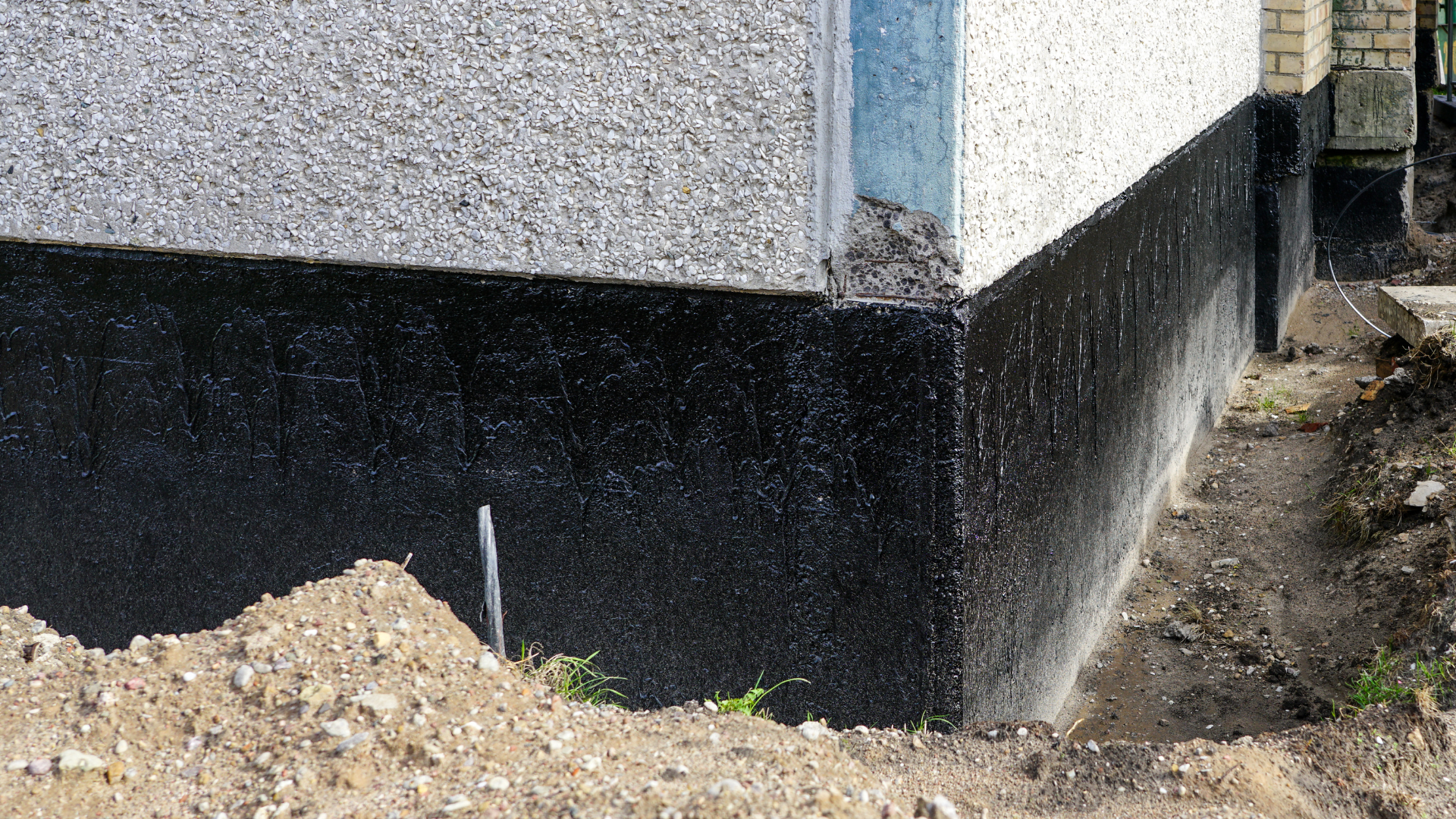
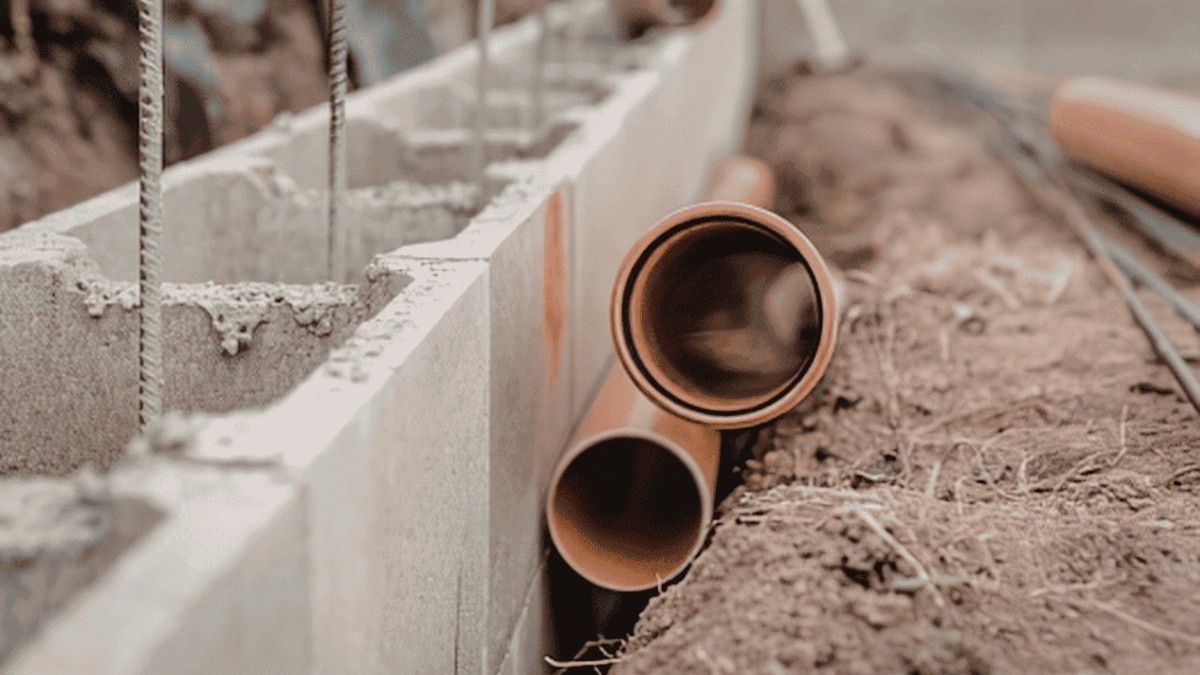
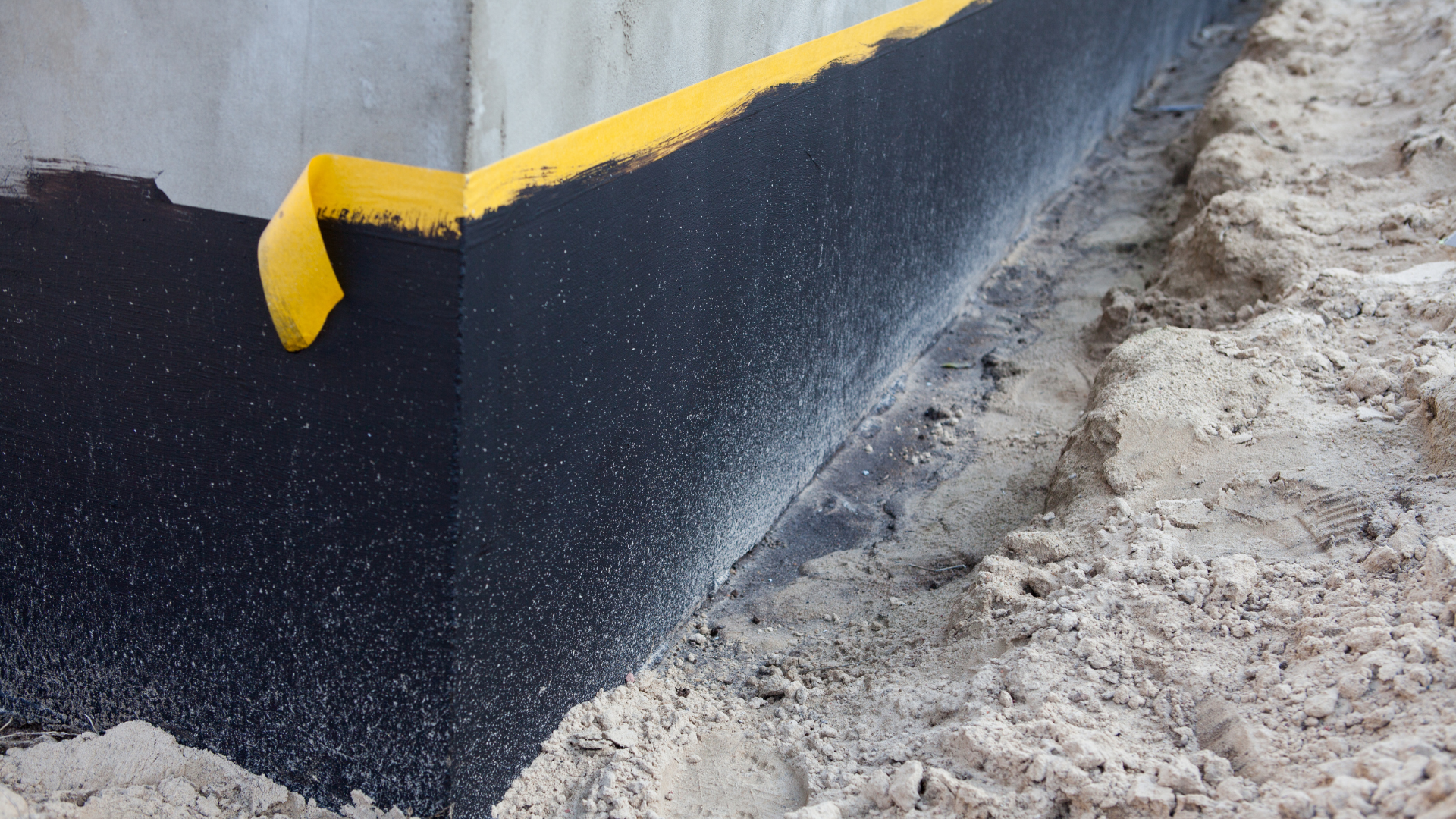
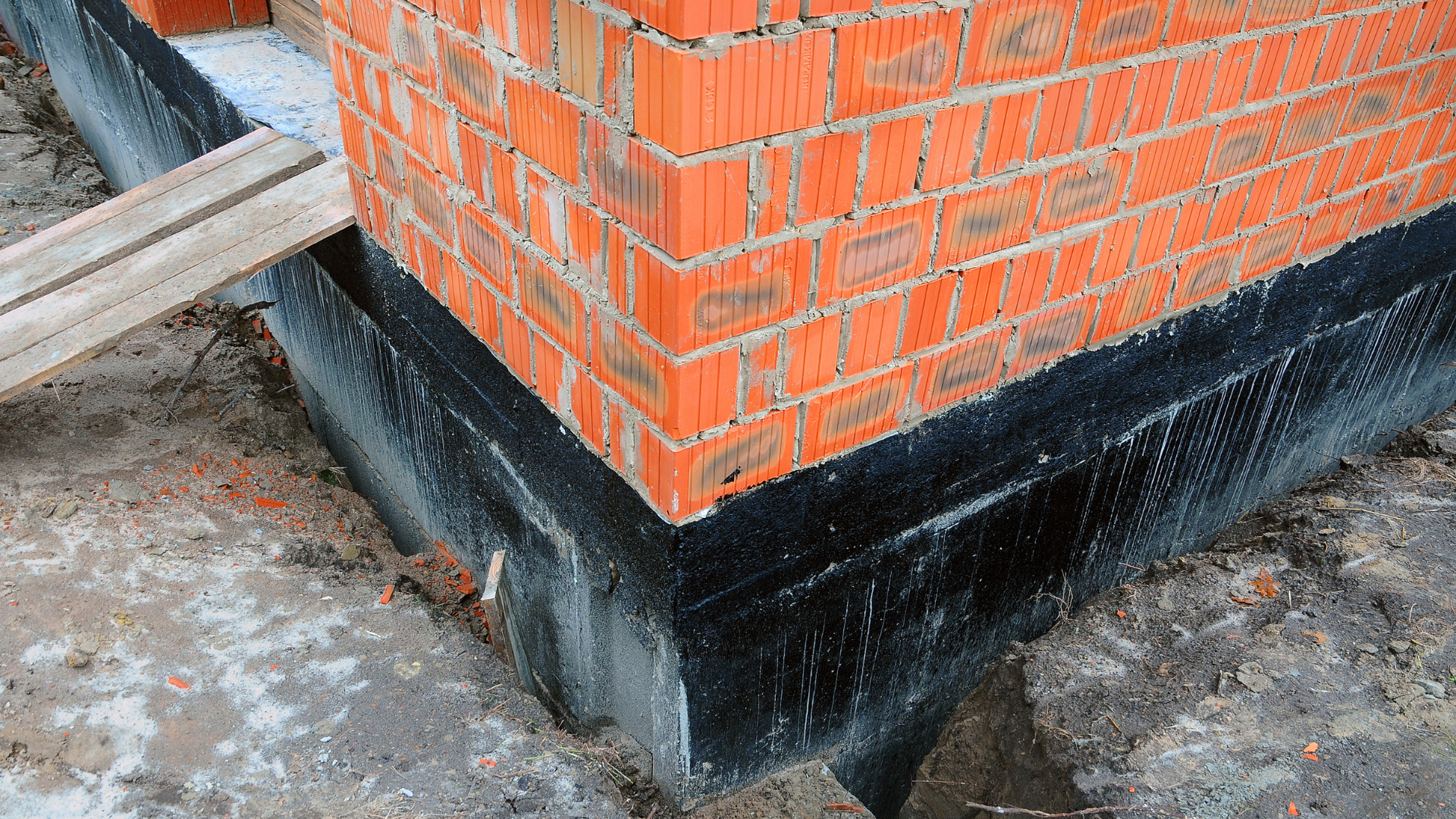
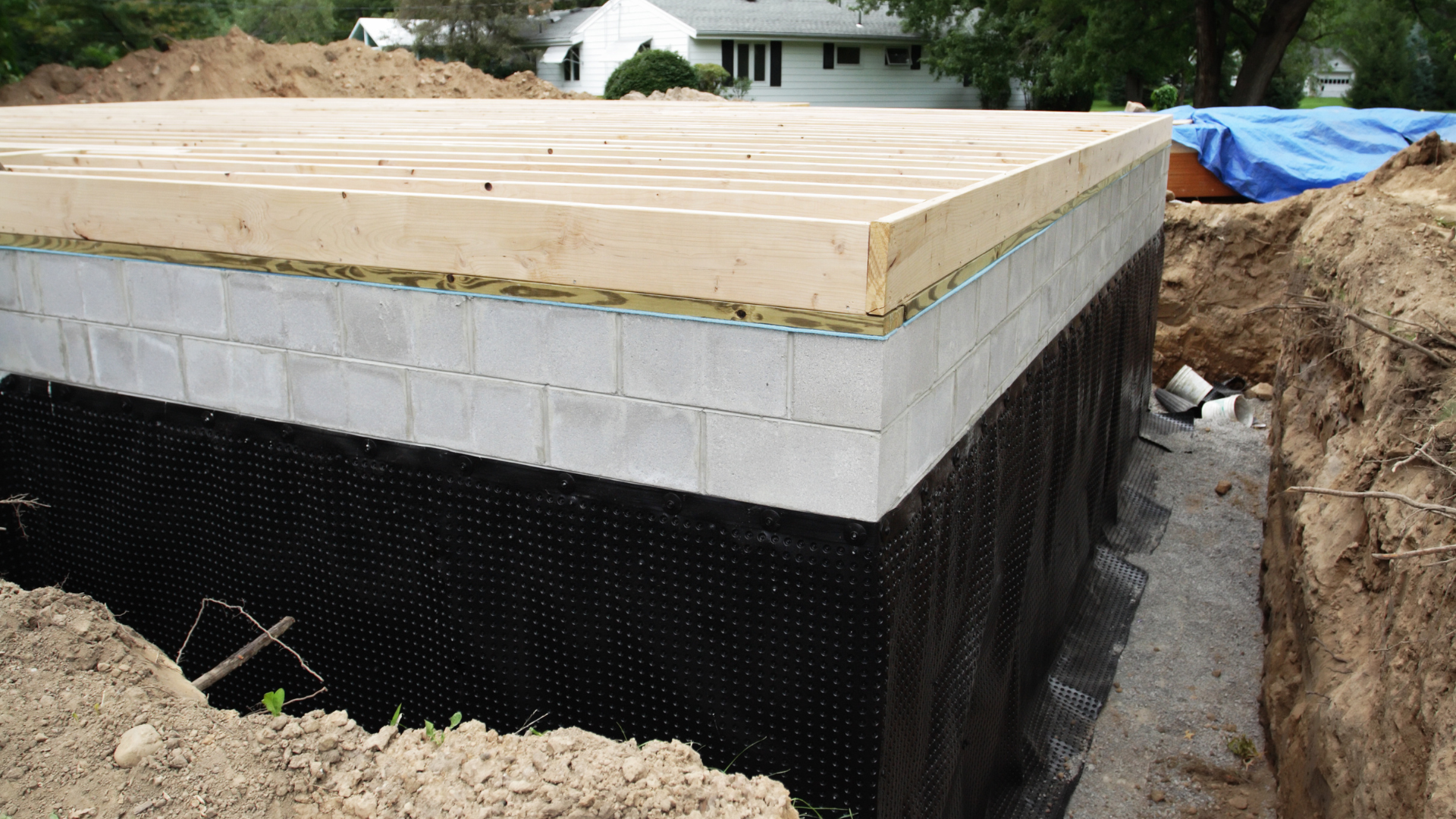
Exterior waterproofing creates a water-control system on the soil side of the foundation. Drainage Pro excavates to the footing, prepares the wall, applies a continuous waterproofing membrane, adds a drainage board, and connects footing drainage to a proper outlet where the inspected condition calls for that scope. The membrane resists direct water entry while the drainage layer relieves water accumulation against the wall. The outlet completes the path by carrying intercepted water away.
This exterior foundation drainage system is different from painting the interior or collecting water after it enters. It also should not be the first recommendation when a shorter downspout extension or grade correction will solve the problem. The Building America basement guidance similarly describes exterior drainage mat, waterproofing, and footing drainage as coordinated components. A complete design matches the wall treatment to soil, depth, water source, and a dependable discharge point.
How to Decide the Right Scope and Budget
The decision begins with the source rather than the symptom. Surface runoff calls for correction at grade or at the downspout, while subsurface flow may require interception. Sustained pressure against a below-grade wall can justify exterior waterproofing and footing drainage when simpler water-routing work will not control it. The smallest complete solution is better than both an incomplete patch and unnecessary excavation.
Use this decision framework:
- Document timing. Connect the moisture to rainfall duration, snowmelt, plumbing use, or humidity.
- Map the pattern. Identify affected walls, height, cracks, deposits, and exterior wet zones.
- Correct obvious surface sources. Check grade, downspouts, and nearby collection points.
- Evaluate deeper drainage. Inspect footing-level water management and available outlets.
- Choose the scope. Use targeted drainage or exterior waterproofing based on verified conditions.
- Confirm the finish. Include backfill, landscape restoration, discharge, and warranty details.
Estimated 2026 Market Context
Drainage Pro of CT publishes
exterior foundation waterproofing in Madison at $4,000 to $8,500 for residential properties. Sandier coastal soils can simplify excavation, while full-perimeter work, heavier soil, depth, access, landscaping, and outlet infrastructure increase scope. This is a planning range, not a fixed home price. We provide a free on-site assessment and exact written pricing before work begins.
| Drainage Pro Scope | Published Madison Guidance | Main Cost Factors |
|---|---|---|
| Exterior foundation waterproofing | $4,000 to $8,500 | Wall length, depth, soil, access |
| Free on-site assessment | $0 | Source diagnosis and written scope |
| Membrane and drainage board | Included as scoped | Wall condition and treated area |
| Footing drain connection | Project-specific | Existing system and outlet route |
| Five-year workmanship warranty | Included on installations | Qualifying completed system |
Compare estimates by wall length, excavation depth, membrane coverage, drainage board, footing drain, outlet, backfill, and restoration. One price may cover a short accessible wall while another includes a larger perimeter and complex landscaping. Ask what happens to intercepted water after it reaches the footing. A waterproofing system without a dependable drainage route is incomplete.
Stop Foundation Water Before It Reaches the Interior
The most useful warning signs are patterns: moisture that appears after prolonged rain, affects lower walls, returns through cracks, leaves mineral deposits, or continues while exterior soil stays saturated. Drainage Pro of CT traces those patterns back through grading, downspouts, soil, wall condition, footing drainage, and discharge. We explain when surface corrections are enough and when exterior waterproofing is justified. That keeps the recommendation connected to the water source rather than the most visible stain.
If you need foundation waterproofing in Madison, CT, contact Drainage Pro of CT for a free exterior assessment and written estimate. We serve Madison, Guilford, Clinton, Killingworth, Branford, and surrounding Shoreline communities under HIC#0706616. Our qualifying installations include a five-year workmanship warranty, and all pricing is explained before work begins. Addressing pressure outside helps protect the foundation before repeated seepage creates a larger interior moisture problem.
Related Services & Pages
Foundation Waterproofing Madison CT
Exterior Foundation Waterproofing
Residential Drainage Services in Madison