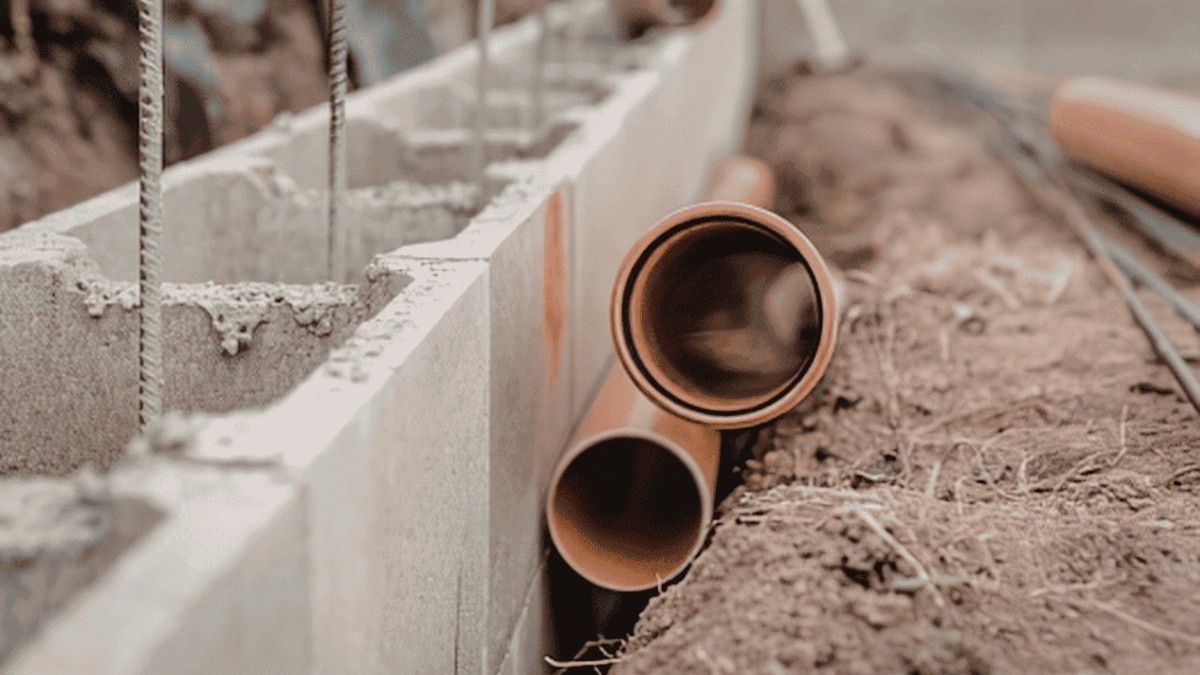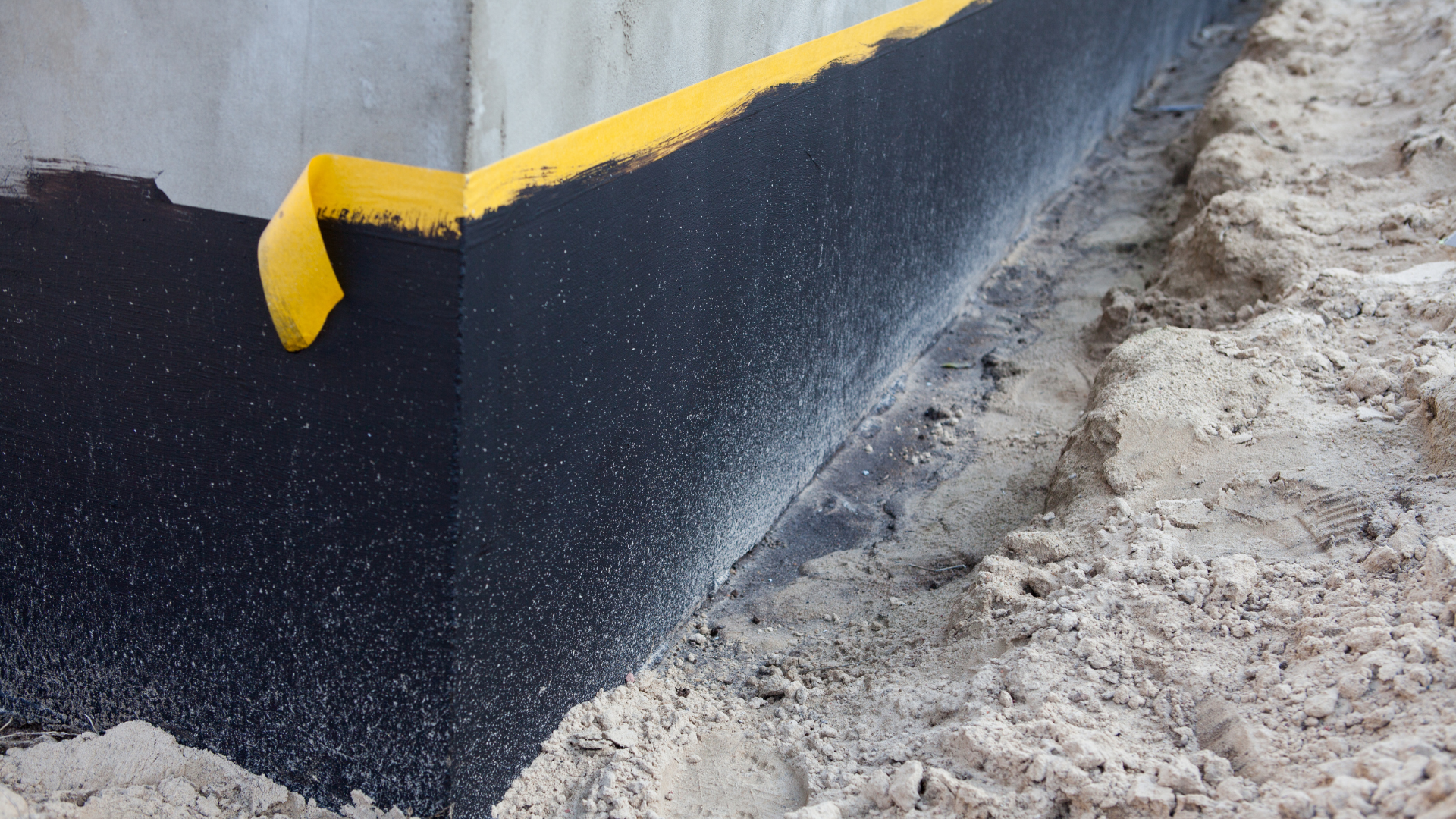
Why this mistake is so damaging: The excavated soil, particularly Connecticut's clay-heavy shoreline soil, has the same low permeability problem that likely contributed to the original drainage issue. Backfilling with this soil directly on top of the gravel and fabric system creates a dense, slow-draining cap that reduces the rate at which surface water can reach the drainage system below it. In clay soil, surface water sits on top of this backfill rather than percolating down into the French drain, which means the system never receives the water it was designed to manage.
The correct approach uses clean gravel as backfill above the fabric-wrapped drainage layer up to a point near the surface, with the final few inches restored with topsoil and seed or sod to blend with the surrounding landscape. This maintains permeability through the full depth of the installation rather than capping a functional drainage system with the same low-permeability soil that was part of the original problem.
A flooded driveway is not always caused by one clogged grate. Water may arrive from the pavement, an uphill yard, a roof outlet, a neighboring slope, or several sources at once. During prolonged rain, these flows can combine while soil and outlets are near capacity, turning a small low spot into a broad pool.
Understanding driveway drainage problems begins with three questions: where does the water come from, why does it collect here, and where can it safely go? The answer may be cleaning, regrading, a channel drain, a basin, or a better discharge route. The improvement must protect access without moving water toward a garage, foundation, well, septic area, street, or neighbor.
Why Paved Surfaces Flood During Long Rain
Asphalt, concrete, and tightly set pavers absorb far less water than an open lawn. The U.S. Environmental Protection Agency explains that impermeable surfaces limit infiltration, so more water moves toward a low point. Smooth pavement also offers little storage or resistance. Without a working inlet and outlet, water accumulates faster than it can leave.
Prolonged rain magnifies the issue because surrounding ground may already be saturated. Water can no longer infiltrate through a gravel edge or lawn at the same rate, and a dry well or outlet may also lose capacity. A basin that handled the first storm can overflow during the next if debris, small pipe, or poor discharge restricts it. The flood is often the final symptom of a longer route problem.
Where Driveway and Walkway Drainage Fails
The first failure may occur before water reaches a drain. A driveway can slope toward the garage, settle into a bowl, or receive runoff from an altered uphill grade. Walkways can trap water between curbing, steps, beds, or compacted soil. Even a well-positioned grate fails if the pipe has poor pitch or terminates without a workable outlet.
Our Madison yard drainage service inspects the full contributing area rather than only the deepest puddle. We review pavement slope, surrounding grade, roof runoff, inlets, pipe route, outlet elevation, and settlement. Long shoreline entrances and established town-center lots can fail for different reasons. One visible symptom may therefore connect to several causes.
| Observed problem | Likely failure point | Useful next check |
|---|---|---|
| Water reaches a garage door | Driveway slopes inward or channel drain is missing, blocked, or undersized | Confirm pavement elevations and trace all uphill runoff |
| Puddle forms around one grate | Basin sump, outlet pipe, or downstream discharge is restricted | Inspect grate, basin condition, pipe route, and outlet |
| Walkway floods beside a planting bed | Bed, edging, or settled soil traps water against the pavement | Compare elevations and identify a safe surface route |
| Water sheets across the full driveway | Large uphill area drains onto an impervious surface | Measure the contributing area and peak collection demand |
| Flooding appears only after several wet days | Saturated soil or a slow infiltration outlet reduces available capacity | Evaluate groundwater, dry well recovery, and alternate outlets |
| Pavement edge is cracking or sinking | Water is entering and weakening the base below the surface | Correct the source before resurfacing the damaged area |
Warning Signs Around Paved Access Areas
Many failures are visible before access is blocked. Inspect from a safe location during light rain and again after water recedes. Never enter deep or moving water because it can hide a missing grate or washed-out edge. Water entering a building or reaching electrical equipment is urgent.
Look for these warning signs:
- A dark wet line remains along the garage threshold. This shows that water is reaching the building even when it has not yet entered.
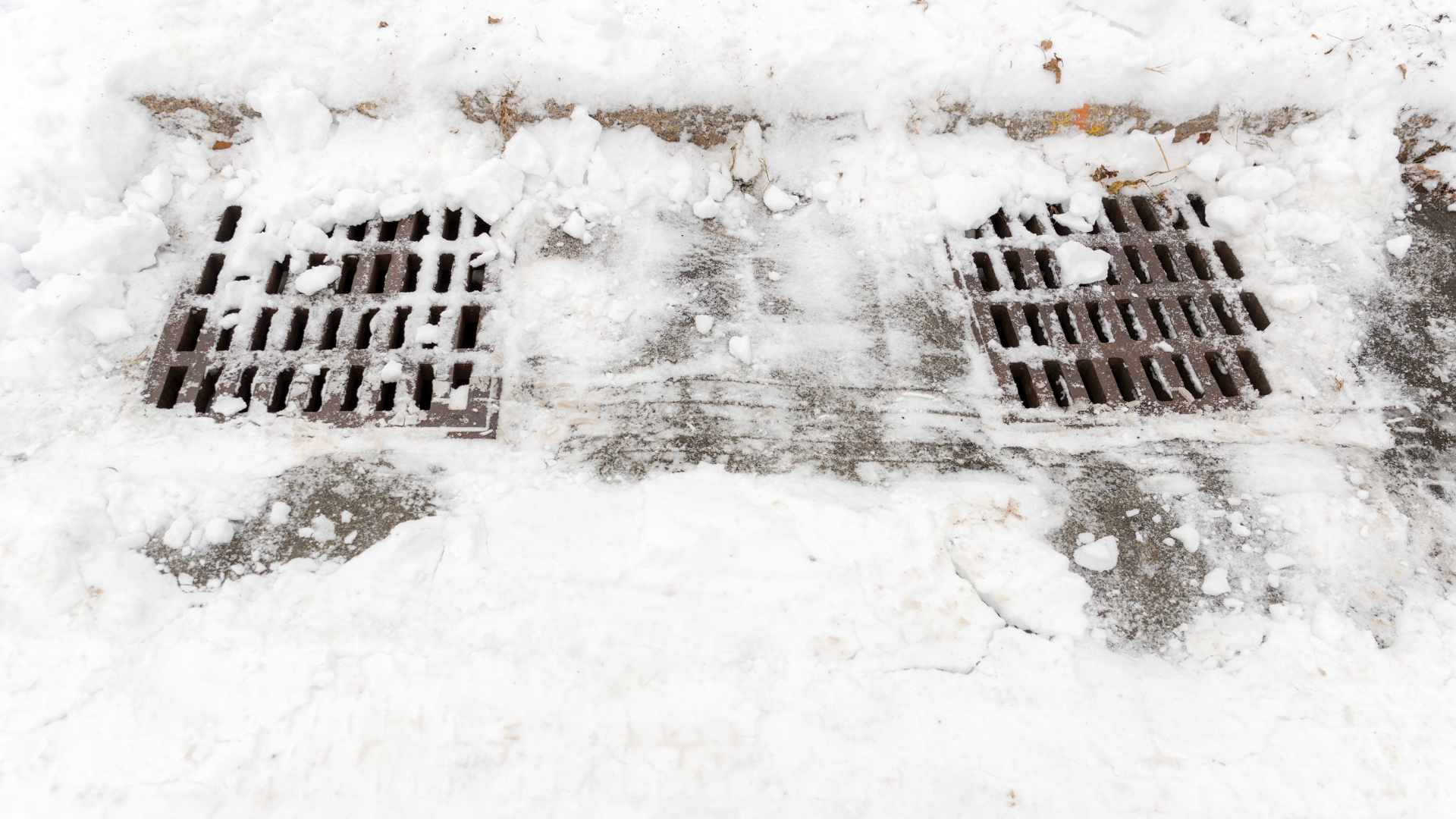
- Sediment forms a fan around the grate. Water may be slowing, bypassing the inlet, or carrying soil from an upstream erosion point.
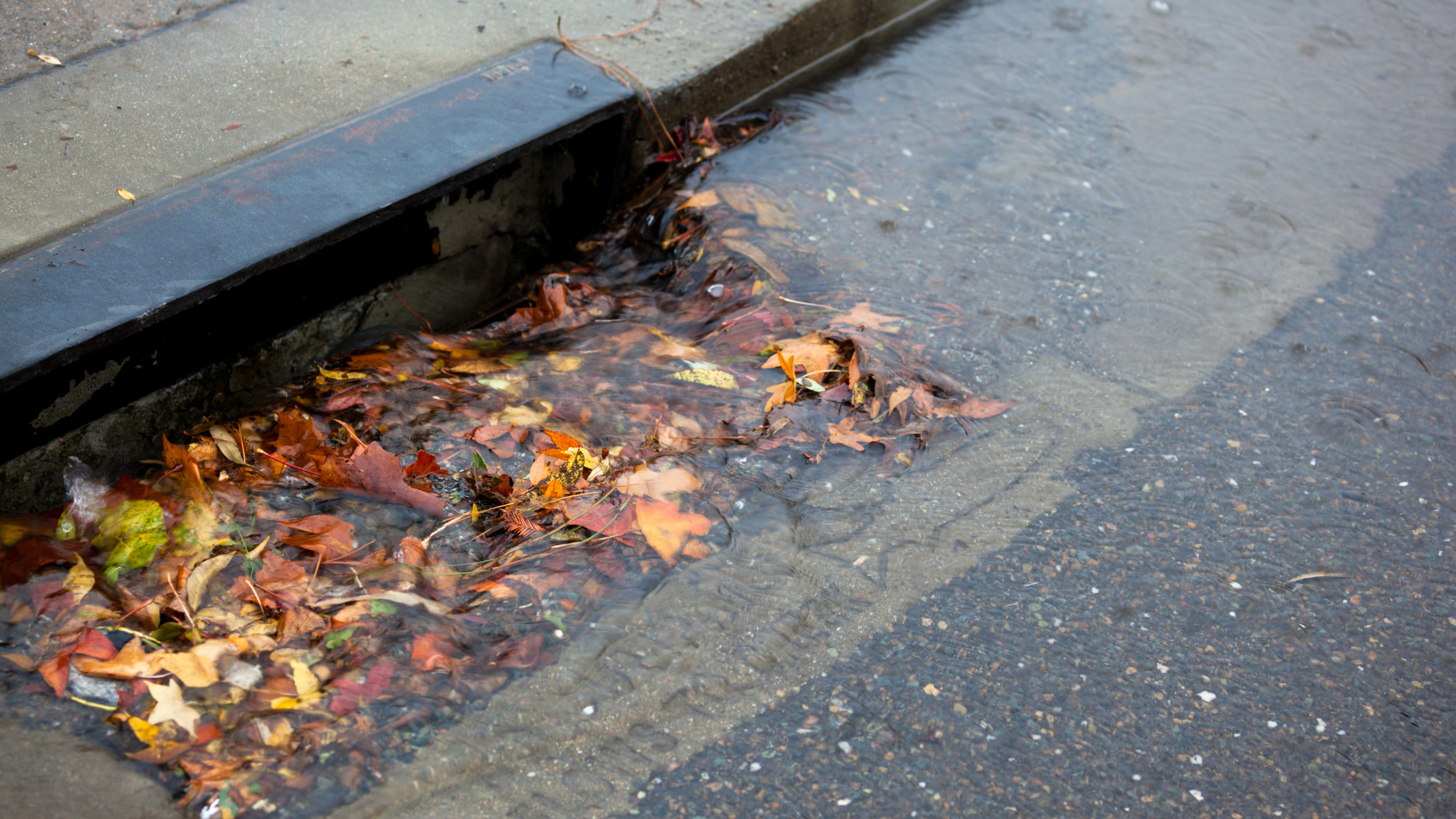
- Leaves repeatedly cover the inlet. Its design or surrounding flow may concentrate too much debris.
- Water bubbles from a basin instead of entering it. The downstream pipe or outlet may be surcharged, obstructed, or too small.
- Pavers move or joints wash out. Flow is reaching the base and carrying bedding material away.
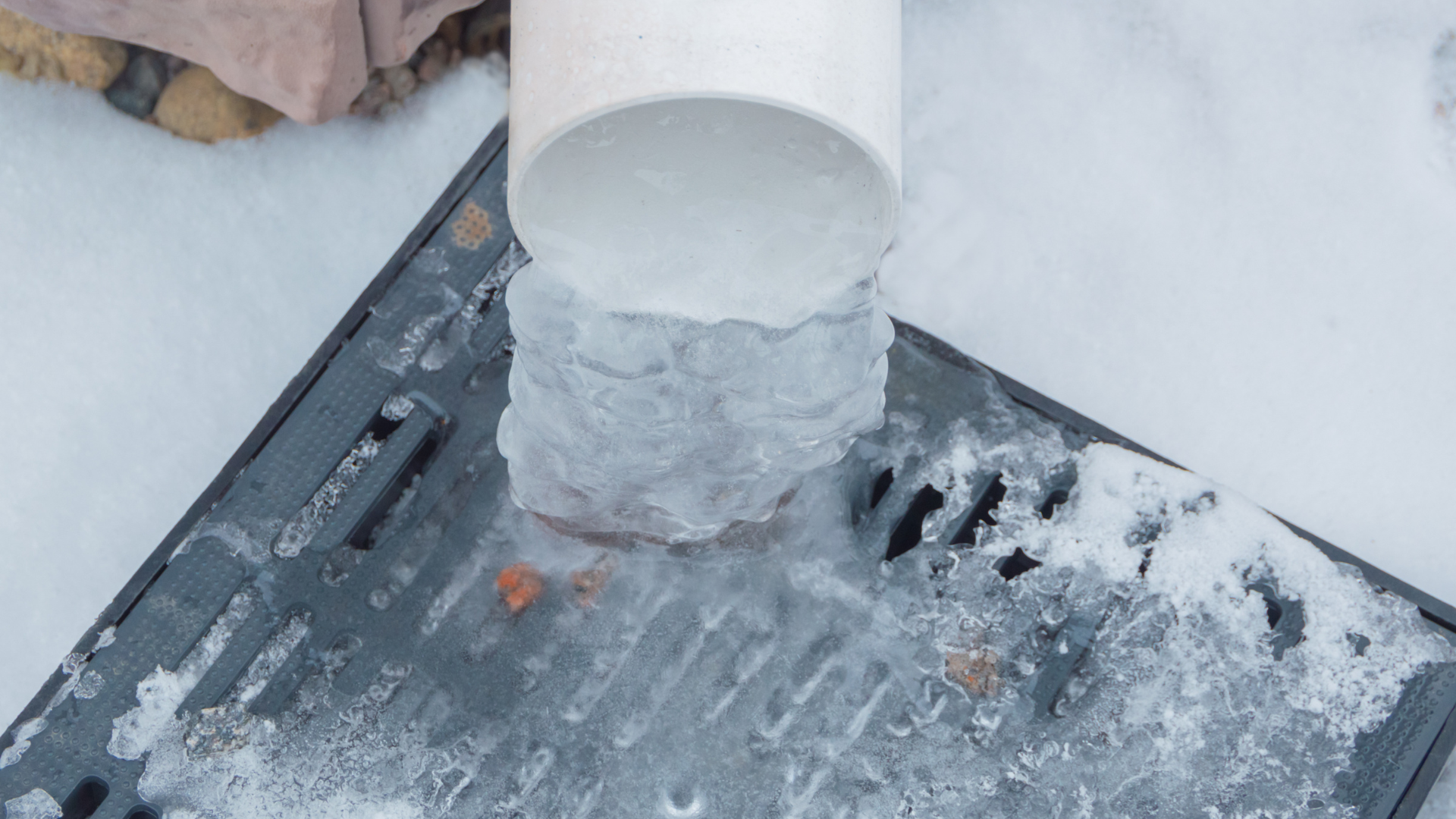
- A walkway puddle freezes after temperatures fall. Drainage has become an access and slip problem, not only a cosmetic inconvenience.
- Runoff crosses the driveway from an uphill yard. The collection point may need to be placed before water reaches the pavement.
- The low spot grows after resurfacing. New pavement may have preserved the elevation problem.
Photograph the water and mark its approximate edge after it drains. Record the storm duration, prior ground conditions, and how long pavement remained covered. Note whether downspouts or sump discharge were flowing. This evidence separates a surface-grade problem from a network failure that appears at the pavement.
How Grade and Surface Runoff Work Together
Gravity controls surface water, but small elevation differences matter across wide pavement. A driveway should guide water toward a planned collection point without trapping it at a garage, step, or walkway. Settlement, frost movement, roots, resurfacing, curbing, and landscaping can alter the path. Grade must manage both direct rainfall and runoff arriving from higher areas.
Regrading can restore a positive route before water reaches pavement. On flatter Madison sites, changing slope without designing the destination may only relocate the pool. Our Madison grading and regrading service treats the outlet as part of the decision. Where pavement elevations cannot change reasonably, a channel drain or basin may intercept the flow.
Catch Basins, Channel Drains, and Outlets
A catch basin collects water at a low point and stores sediment below its outlet. A channel drain is a linear inlet that intercepts water across a wider path, such as a garage threshold. Neither makes water disappear. Both need sufficient pipe, pitch, maintenance access, and a workable discharge location.
Use the water pattern to understand which configuration may fit:
- A compact low-point puddle may suit a catch basin.
- Broad sheet flow across pavement may require a channel drain.
- Uphill runoff may need interception in the yard before it reaches the driveway.
- Subsurface seepage beside the pavement may require a French or curtain drain rather than only a surface inlet.
- A sound but blocked basin may need cleaning rather than replacement.
- A flat lot without daylight discharge may require a dry well.
- Several sources entering one small pipe may require separation or added capacity.
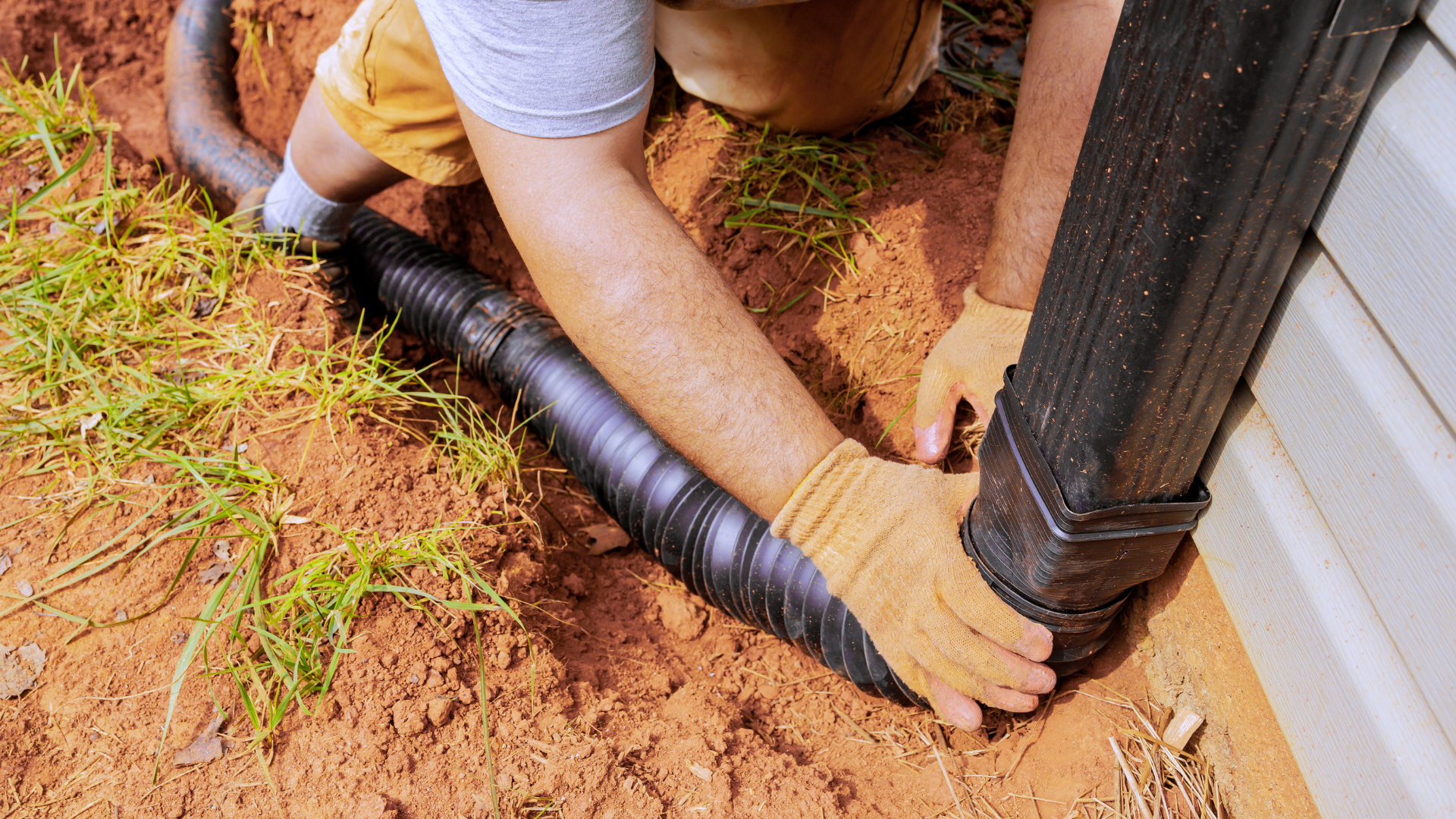
The outlet is often overlooked. A pipe ending in saturated soil, rising before discharge, or emptying into a low area cannot improve because a larger grate is installed. Our French drain installation guidance applies the same principle below ground: collection, conveyance, and discharge work together. Some driveways need both surface and subsurface control.
| Component | What it manages | When it is commonly useful | Key design question |
|---|---|---|---|
| Catch basin | Concentrated surface water | A defined low spot in pavement or lawn | Is the grate and outlet sized for the contributing area? |
| Channel drain | Sheet flow across a hard surface | Garage entrances, driveway crossings, patios, and walkways | Does it span the full flow path without becoming a weak point? |
| Regrading or swale | Surface direction before water reaches pavement | Uphill yard runoff or settled shoulder grade | Where will the redirected water end safely? |
| French or curtain drain | Water moving through soil | Seepage beside pavement or flow arriving from higher ground | Is the trench placed at the actual subsurface flow line? |
| Dry well | Temporary storage and infiltration | Flat lots without a workable daylight outlet | Can the soil and seasonal water table accept the design volume? |
| Solid outlet pipe | Conveyance from inlet to discharge | Any collected surface system | Does the route have adequate pitch, strength, access, and capacity? |
Homeowners can inspect the surface without opening structures or excavating. Clear loose leaves from an accessible grate while standing on stable ground, but do not remove secured covers or reach into openings. Stop if pavement is undermined, water is moving quickly, or electrical equipment is nearby. Utilities must be marked before any digging.
Use this short inspection sequence:
- Start at the highest visible point and follow water downhill.
- Check whether pavement slopes toward the building.
- Look for settlement, cracking, raised edging, or displaced pavers.
- Remove loose surface debris from accessible grates.
- Find the visible outlet, if one exists, and confirm it is not buried or crushed.
- Observe how quickly the inlet drains and whether water reappears after rain.
- Photograph erosion, sediment, and high-water marks.
- Do not pump or trench water toward the street, neighboring land, a well, or a septic area without confirming that the discharge is appropriate.
Cleaning may restore flow when leaf cover is the only restriction, but it does not prove the system is adequate. If overflow returns with a clean grate, the basin, pipe, outlet, and capacity need evaluation. Patching pavement before correcting the water path can hide continuing saturation. Address drainage and base support before cosmetic resurfacing.
What Driveway Drainage Improvements May Cost
Our live service pages publish planning ranges for driveway components. A catch basin with a short pipe run starts around $1,500 to $2,500, while Madison grading projects typically range from $2,000 to $5,500. Madison dry well installation typically ranges from $1,500 to $3,500. These are our ranges, not an automatic driveway quote.
We do not publish a fixed channel-drain price because width, grate rating, excavation, pipe, outlet, vehicle loads, and pavement restoration vary. Basin cleaning or repair also depends on material volume, access, pipe condition, and downstream work. We provide written pricing after identifying the route. The estimate should state collection, materials, discharge, and restoration.
| Potential improvement | Our published planning range | What can change the scope |
|---|---|---|
| Catch basin with short pipe run | $1,500 to $2,500 starting range | Basin size, depth, pipe length, outlet, and restoration |
| Madison grading or regrading | $2,000 to $5,500 | Area, elevation correction, imported material, access, and finish |
| Madison dry well | $1,500 to $3,500 | Storage volume, percolation, seasonal water table, and connections |
| French drain system | $3,000 to $6,000 | Length, depth, stone, fabric, soil, pitch, and discharge |
| Combined drainage system | $5,000 to $10,000 or more | Multiple inlets, long runs, paving work, grading, outlet, and restoration |
A Decision Framework for the Right Improvement
Choose the least extensive solution that resolves the full cause, not only the deepest puddle. Cleaning fits an obstructed but otherwise functional system. Regrading fits misdirected surface water with a safe destination. Collection infrastructure becomes important when pavement cannot be reshaped enough or runoff is concentrated.
Use this framework when reviewing the problem and comparing proposals:
- Maintenance first: choose cleaning or minor repair when the layout, pipe, capacity, and outlet are sound but debris or a damaged grate restricts flow.
- Grade correction: consider regrading when water is directed toward the pavement or building because soil has settled or landscaping changed the surface route.
- Point collection: consider a catch basin when runoff consistently reaches one defined low point.
- Linear interception: consider a channel drain when water crosses a broad driveway or approaches a garage across the full opening.
- Subsurface control: consider a French or curtain drain when water moves through soil and saturates the pavement edge or emerges from uphill terrain.
- Outlet improvement: repair, enlarge, relocate, or add a discharge solution when collection works but water cannot leave reliably.
- Coordinated design: combine components when several water sources reach the same area.
- Faster action: prioritize work when water enters the garage, blocks emergency access, creates repeated ice, undermines pavement, or erodes soil near a structure.
Ask a contractor to show the contributing area, flow direction, inlet, pipe route, outlet, maintenance access, and restoration. A low quote that omits pavement repair or a workable outlet may not compare with a complete proposal. Our residential drainage assessment in Madison makes these relationships clear before construction. You should understand why every component is included.
Madison Winter Conditions Add a Safety Concern
Water on pavement can become ice after rain or a thaw. Connecticut DEEP advises preventing meltwater from pooling where it can refreeze and using deicing salt carefully because runoff carries chloride toward soil, wells, drains, and freshwater. Its winter salt guidance emphasizes physical removal and restrained application rather than using salt as a drainage solution. Correcting the water path reduces the condition that makes icing recur.
Madison’s flat shoreline lots, older town-center properties, and wooded inland parcels create different routes. Coastal properties may lack a gravity outlet, established neighborhoods may have settled grades, and inland homes may receive runoff from higher terrain. Design must preserve access while protecting the garage, foundation, pavement base, and neighboring land. A site-specific elevation and discharge assessment is more dependable than selecting a drain by puddle size.
Keep Driveways and Walkways Usable Through Wet Weather
Recurring pavement flooding needs a complete diagnosis. We trace runoff from contributing surfaces through the low point, collection device, pipe, and discharge. The scope may be cleaning, repair, grading, a basin, a channel drain, a dry well, subsurface drainage, or a coordinated system. Our goal is to protect access and structures without transferring the problem elsewhere.
Drainage Pro of CT offers free on-site assessments and written pricing for Madison homeowners. We are licensed and insured under HIC#0706616, and our installations include a five-year workmanship warranty. Call (860) 852-6270 or request a free drainage estimate before another prolonged storm turns a low spot into blocked or icy access. We will explain the cause, route, outlet, and restoration so you can choose confidently.
Related Services and Resources
Yard drainage solutions in Madison
Residential drainage services in Madison
Yard grading and regrading in Madison