Why this mistake is so damaging: The excavated soil, particularly Connecticut's clay-heavy shoreline soil, has the same low permeability problem that likely contributed to the original drainage issue. Backfilling with this soil directly on top of the gravel and fabric system creates a dense, slow-draining cap that reduces the rate at which surface water can reach the drainage system below it. In clay soil, surface water sits on top of this backfill rather than percolating down into the French drain, which means the system never receives the water it was designed to manage.
The correct approach uses clean gravel as backfill above the fabric-wrapped drainage layer up to a point near the surface, with the final few inches restored with topsoil and seed or sod to blend with the surrounding landscape. This maintains permeability through the full depth of the installation rather than capping a functional drainage system with the same low-permeability soil that was part of the original problem.
A basement can remain dry during a hard freeze and then show dampness or active seepage when temperatures rise. Snowmelt releases stored water while frozen or saturated soil may limit where that water can go. If grade, roof runoff, foundation drainage, cracks, or wall protection already have weak points, the thaw can expose them quickly. Effective foundation waterproofing in Madison, CT starts by determining whether the problem is surface water, groundwater pressure, a failed drainage component, or a different leak entirely.
Water may appear at a crack, penetration, porous masonry area, or wall-floor edge even when the source begins outside. That does not mean every thaw-related leak requires full excavation. Drainage Pro of CT evaluates the wall, footing drainage, grade, downspouts, soil, and outlet before recommending a scope. This guide explains what thaw changes, what to document, and how exterior corrections reduce water contact.
Why a Thaw Can Trigger Seepage After a Dry Freeze
Snow stores precipitation on the roof and ground until temperature, sun, or rain releases it. A rapid warm period can deliver water to the foundation perimeter while deeper soil and shaded areas remain partly frozen. That mismatch may reduce infiltration or redirect flow along the surface and through disturbed backfill beside the house. Water then follows cracks, joints, penetrations, and porous materials that already offer less resistance.
The U.S. Environmental Protection Agency’s moisture-control guidance identifies melting snow, surface runoff, and groundwater as exterior sources that can enter foundations. A winter thaw does not create every defect, but it can reveal how the existing water-management system performs under a concentrated load. The timing matters because seepage that begins during melting points investigators toward an exterior water source. Recording where snow is piled and how water moves outside can be as useful as photographing the basement stain.
Where Thaw Water Can Enter the Foundation System
Water rarely selects one universal entry point. It moves toward the path with the least resistance after reaching the wall, footing, or slab perimeter. The visible location therefore helps narrow the diagnosis but does not prove where the exterior route began.
Common entry locations include:
- Foundation wall cracks: Existing cracks can transmit water when exterior pressure rises.
- Wall-floor transitions: Water beside or beneath the foundation may become visible where the wall and slab meet.
- Utility penetrations: Pipe, conduit, and service openings can lose their seal or provide a pathway around the sleeve.
- Porous masonry: Block, mortar joints, and untreated concrete can absorb and transmit moisture under sustained contact.
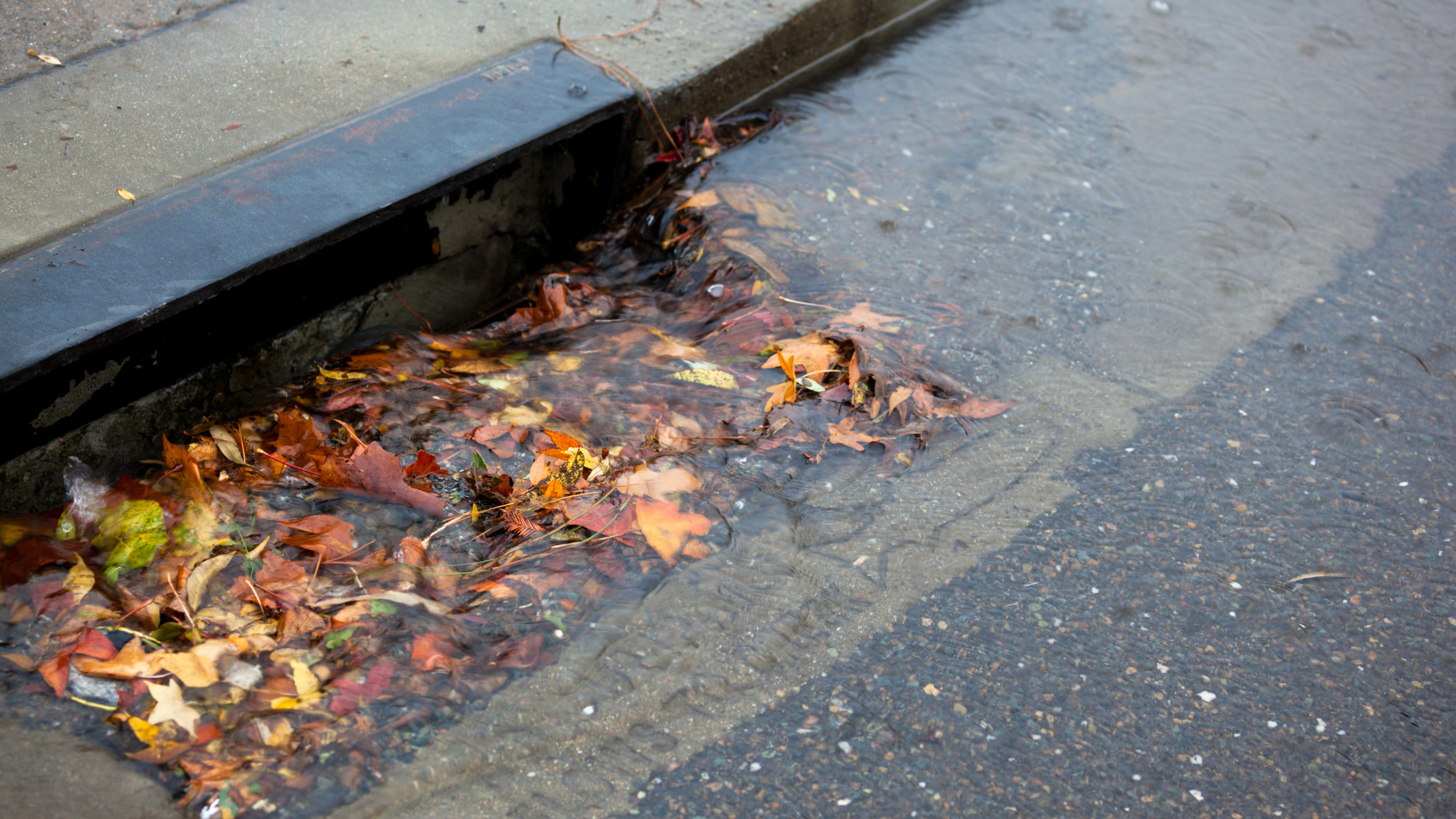
- Window wells: Snow and meltwater can collect against low windows when drains are blocked or covers fail.
- Bulkhead and stairwell areas: Exterior steps and below-grade entries can funnel meltwater toward doors and joints.
- Sump and footing-drain pathways: A blocked, disconnected, or poorly discharged system can allow water to accumulate.
- Plumbing sources: A supply, waste, heating, or appliance leak can coincide with thaw weather and should not be overlooked.
| Visible symptom | Possible exterior source | Important verification |
|---|---|---|
| Damp wall patch | Saturated soil or porous material | Compare outside grade and snow storage |
| Water at a crack | Exterior pressure at an existing opening | Track crack location and change |
| Wet wall-floor edge | Footing-level or under-slab water | Check perimeter drainage and outlet |
| Water below a window | Snowmelt in window well | Inspect well drain, cover, and grade |
| Moisture near a pipe | Failed penetration seal or plumbing leak | Confirm whether water tracks from outside |
| Sump running continuously | High inflow or discharge problem | Check outlet, power, and safe discharge |
Snowmelt Can Increase Water Pressure Outside the Wall
Soil around a foundation contains voids that can hold water. When incoming meltwater arrives faster than the soil and drainage system can release it, the surrounding material moves toward saturation and water pressure increases at the wall. The Department of Energy’s Building Science Education guidance recommends site grading, wall damp-proofing or waterproofing, a vertical drainage plane, and a footing drain to control water and relieve hydrostatic pressure. These layers work together rather than acting as interchangeable products.
Frozen ground can change the delivery of that water. USDA research on freezing and thawing processes explains that soil ice can reduce permeability and promote runoff and erosion, although actual behavior varies with moisture, soil, frost depth, and thaw rate. Surface melt may therefore reach the foundation from an unexpected direction or remain concentrated beside the wall. The inspection should identify both the volume arriving and the failed route away.
Freeze-Thaw Cycling Can Expose Existing Weak Points
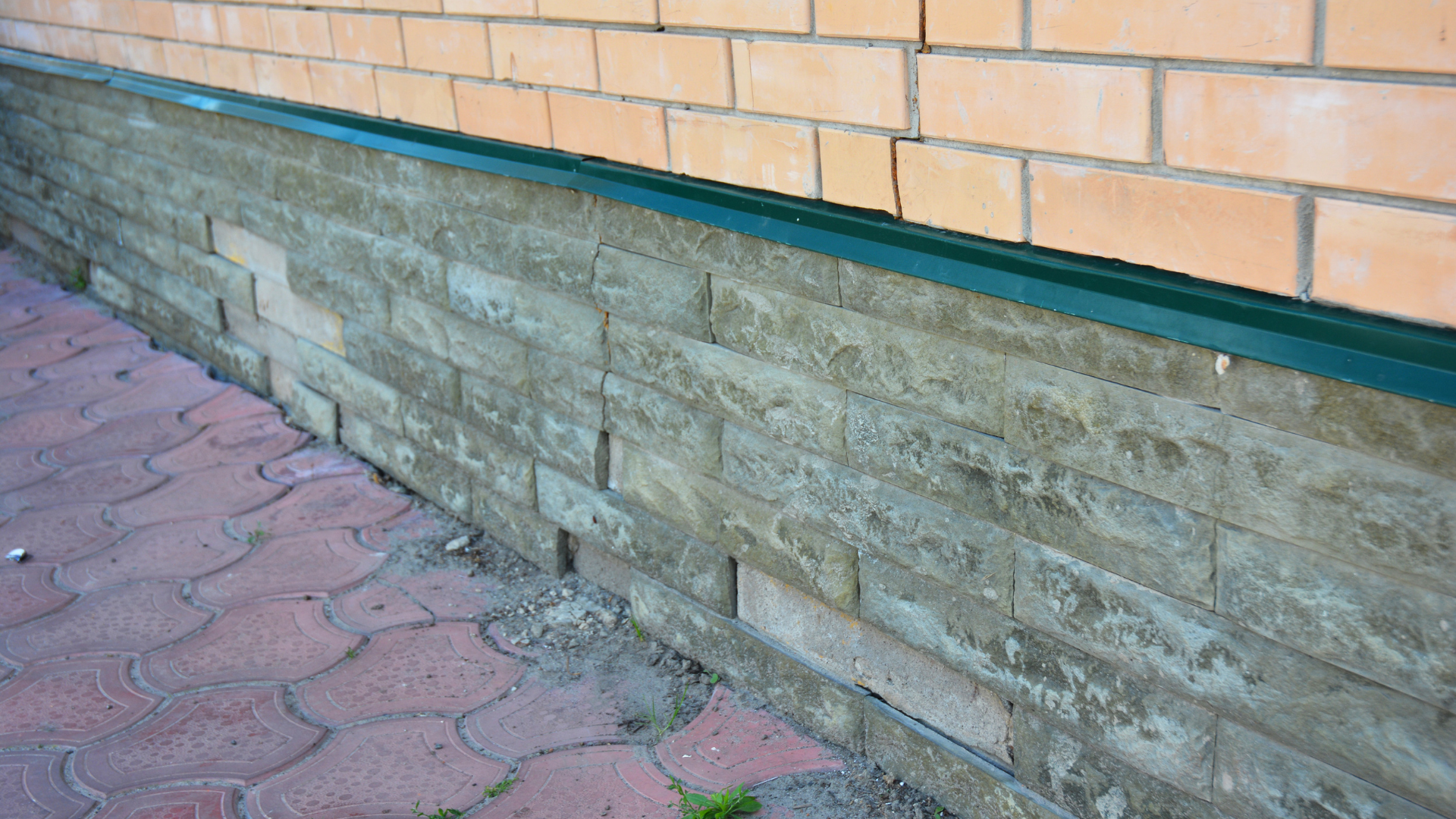
Repeated freezing and thawing affects soil moisture, frost depth, surface grade, and drainage components around the home. It may reveal a pipe low point that retains water, a crack that transmits moisture only under pressure, or settled soil that now directs runoff inward. The most useful question is not whether winter caused the entire problem, but which existing weakness the winter load exposed.
Look for changes such as:
- A foundation crack that appears wider, damp, stained, or newly active.
- Soil separation or a depression beside the foundation after thawing.
- Efflorescence, peeling coatings, or darkened masonry along a repeated wet line.
- A footing-drain or sump discharge that is frozen, blocked, or returning water toward the house.
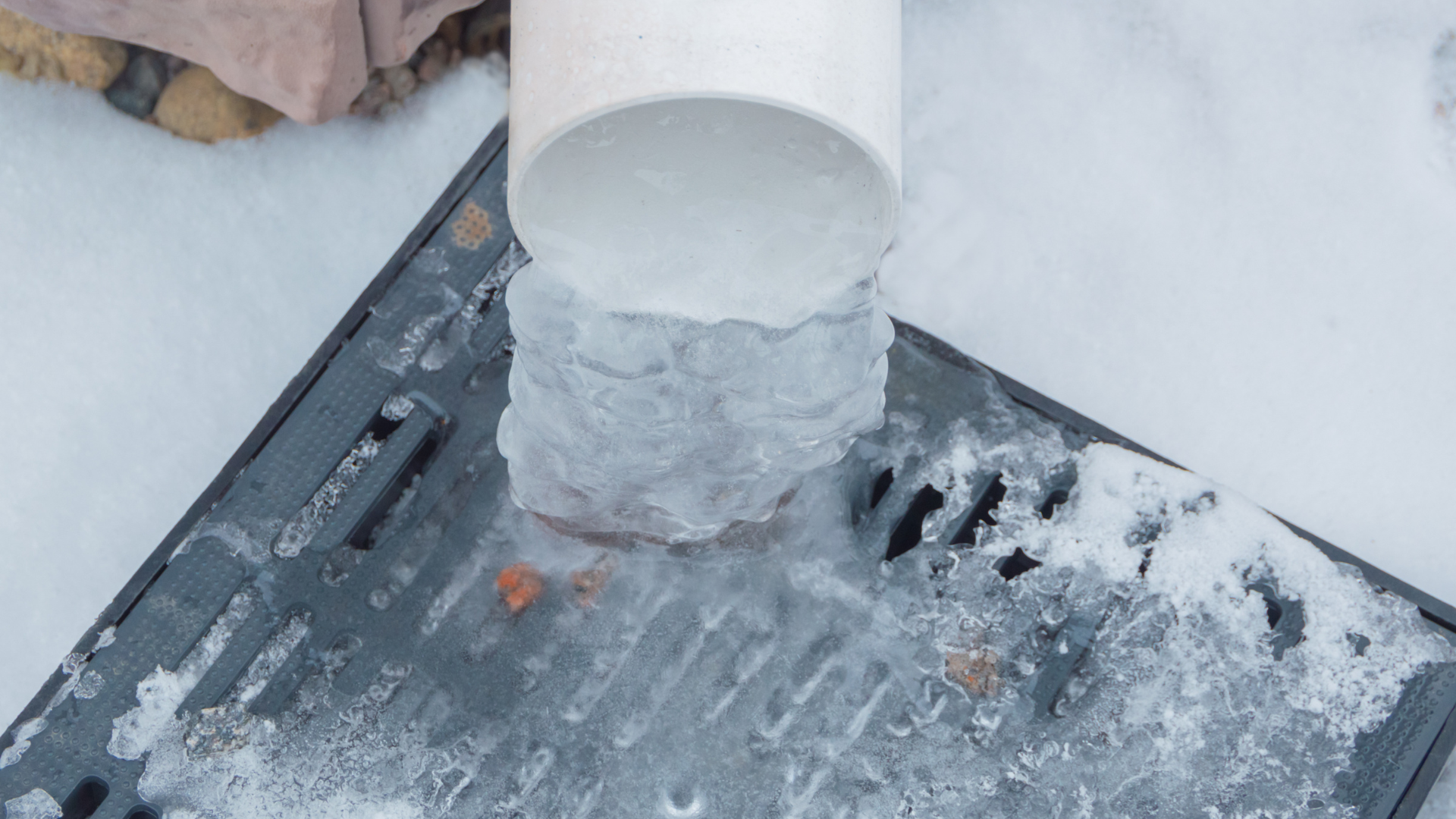
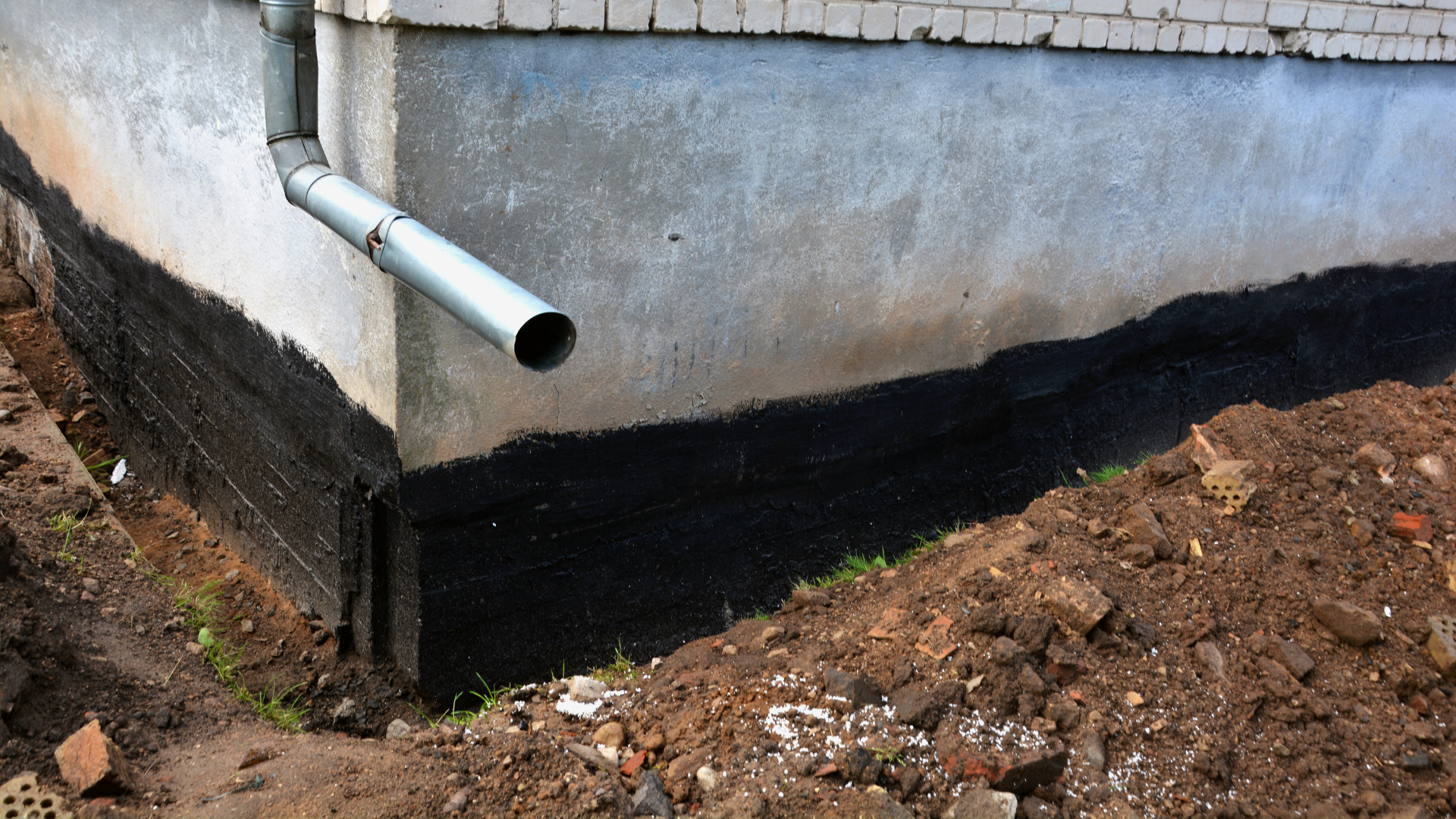
- Downspout extensions that disconnected, shifted, or terminate in a snowbank.
- Window-well water that rises during daytime melting.
- New ice at the base of the wall, bulkhead, or exterior stairwell.
- A musty odor or elevated humidity that continues after visible water dries.
Do not use interior paint, caulk, or a surface patch as the only response to active exterior pressure. Those materials may hide the first sign without reducing water against the wall. Water near an electrical panel, receptacle, appliance, or energized equipment deserves immediate caution, and the affected area should not be entered when shock risk exists. Structural movement, a rapidly widening crack, or significant flowing water also warrants prompt professional evaluation.
Identify the True Water Source Before Waterproofing
Thaw-related basement water can come from roof runoff, negative grade, groundwater, a failed footing drain, a window well, plumbing, or several sources at once. The correct diagnosis compares indoor timing with outdoor conditions and follows the water path back toward its source. An exterior assessment should begin before assuming the most extensive solution is required. Drainage Pro will recommend a simpler correction when it addresses the cause.
EPA moisture guidance emphasizes checking landscape slope, roof drain leaders, pooled water, and foundation cracks as parts of one system. The same principle applies to Madison homes where coastal water tables, flat lots, older town-center grades, and wooded inland runoff create different pressure patterns. Photographs during the thaw, sump behavior, snow-pile locations, and the time between melting and seepage all improve the diagnosis. A dry day inspection is stronger when paired with that evidence.
| Water source | Exterior clue | Potential correction |
|---|---|---|
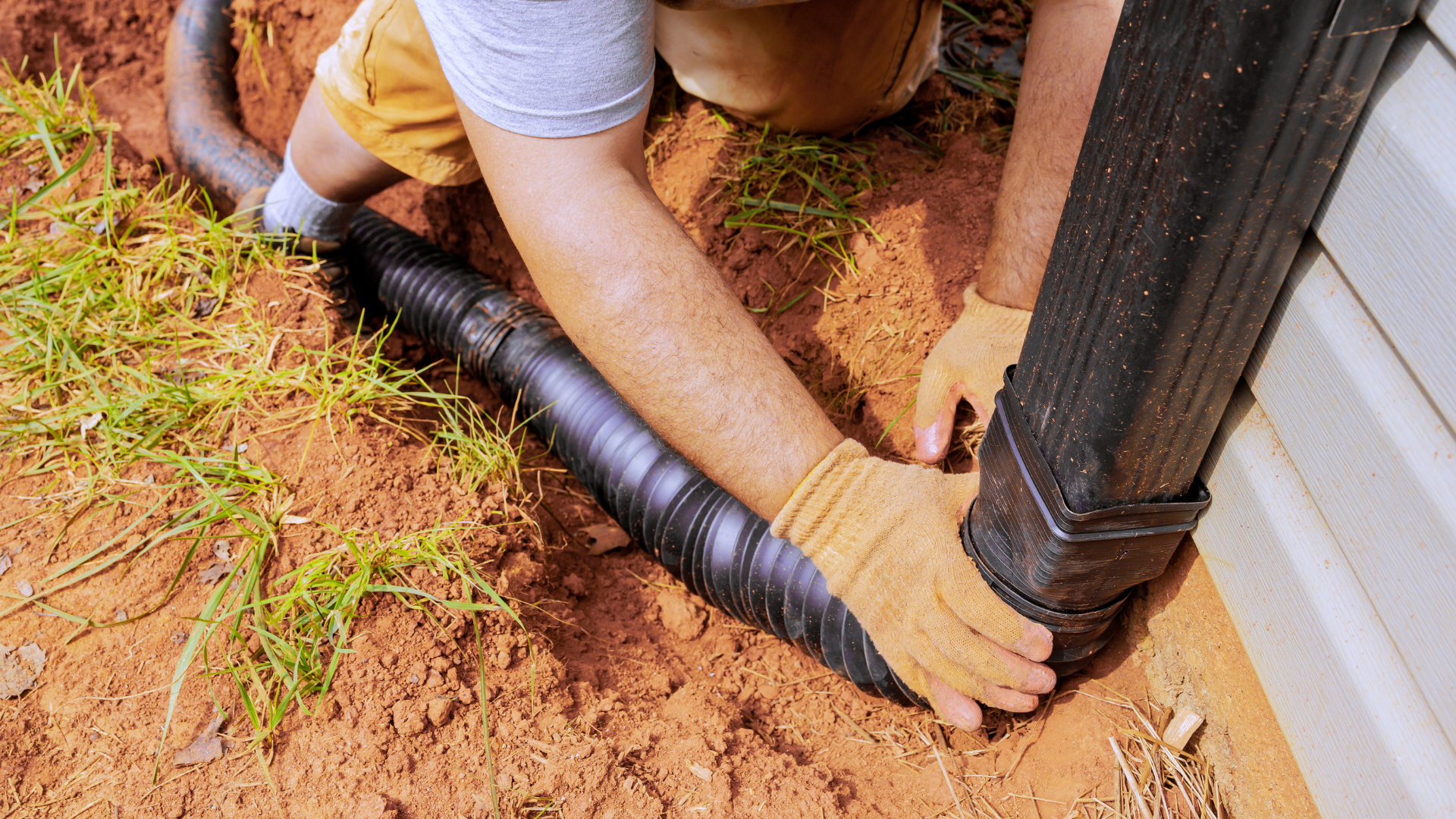
| Roof runoff | Downspout ends near wall or in snowbank | Underground downspout drainage |
| Negative grade | Meltwater slopes toward foundation | Regrading with planned outlet |
| Uphill surface or subsurface flow | Wetness begins on higher side of property | Curtain drain or interception system |
| High groundwater | Lower wall remains damp after surface dries | Footing drainage and wall protection |
| Window-well collection | Water level rises beside basement window | Well drainage, cover, and grade correction |
| Plumbing leak | Water does not follow thaw or weather timing | Plumbing diagnosis and repair |
Surface Drainage and Foundation Drainage Work Together
Surface drainage reduces the amount of water delivered to the foundation perimeter. Gutters, downspouts, positive grade, swales, catch basins, and properly placed outlets keep roof and yard runoff from concentrating beside the wall. Below grade, a drainage plane carries water downward while the footing drain provides a route away. A waterproofing membrane limits direct water contact with the foundation material.
One layer cannot compensate indefinitely for failure in another. A waterproofed wall should not receive avoidable roof discharge, and a downspout extension cannot relieve sustained groundwater pressure at footing level. The DOE Building America Solution Center describes footing drains as exterior systems installed beside the footing to carry water away from the foundation. The final design must also provide a reliable daylight outlet, dry well, sump, or other approved discharge method.
What Exterior Foundation Waterproofing Involves
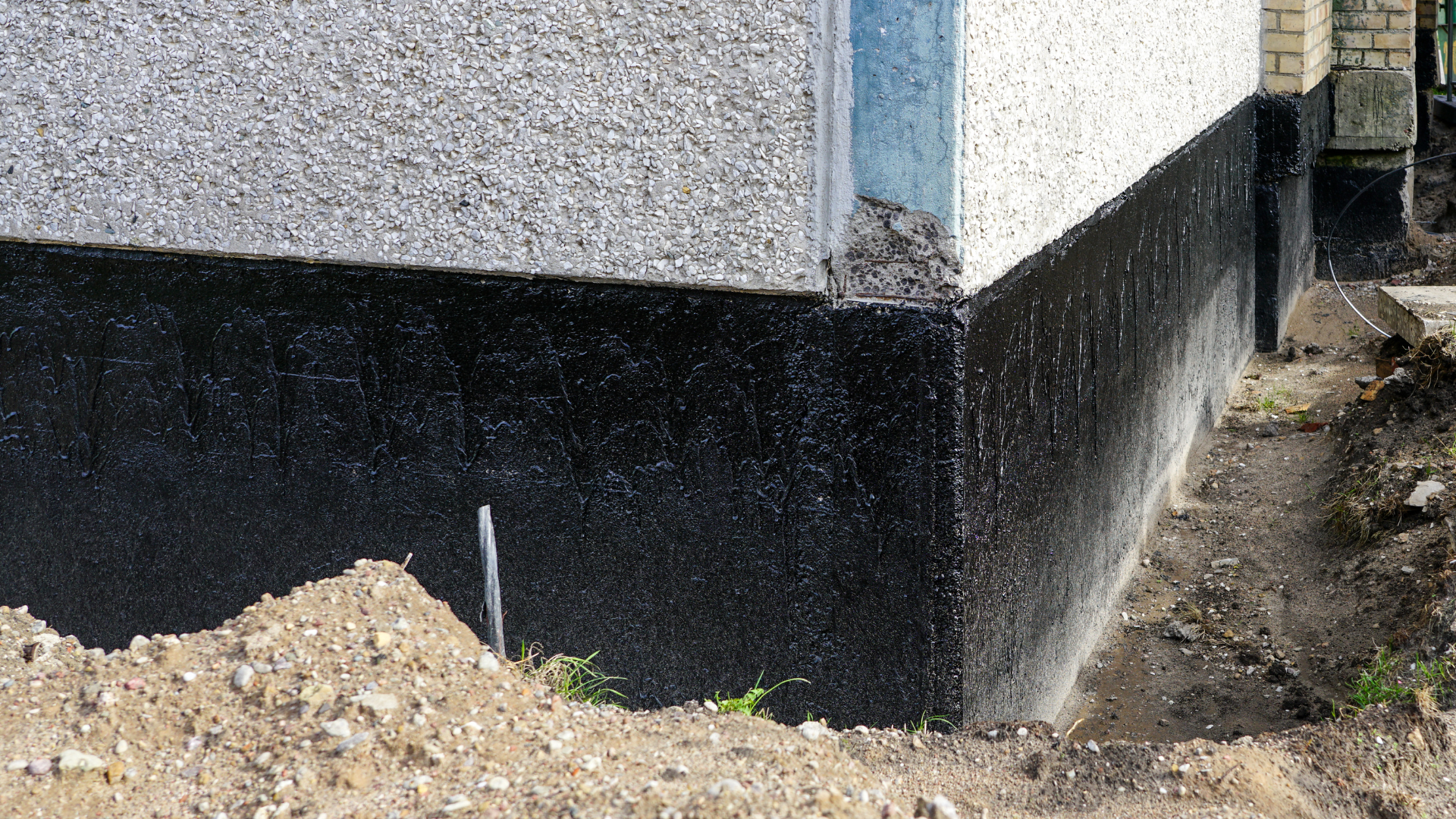
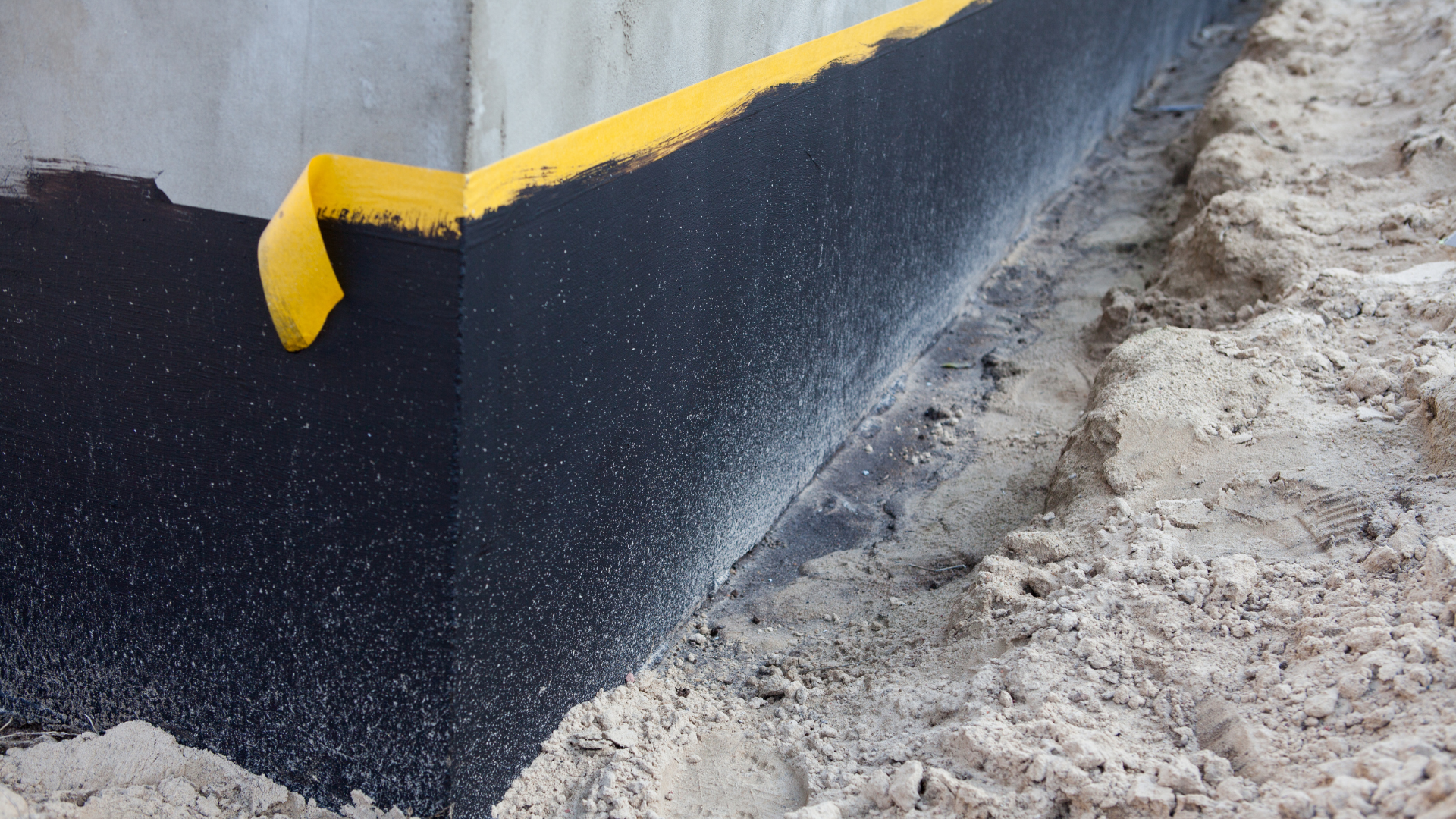
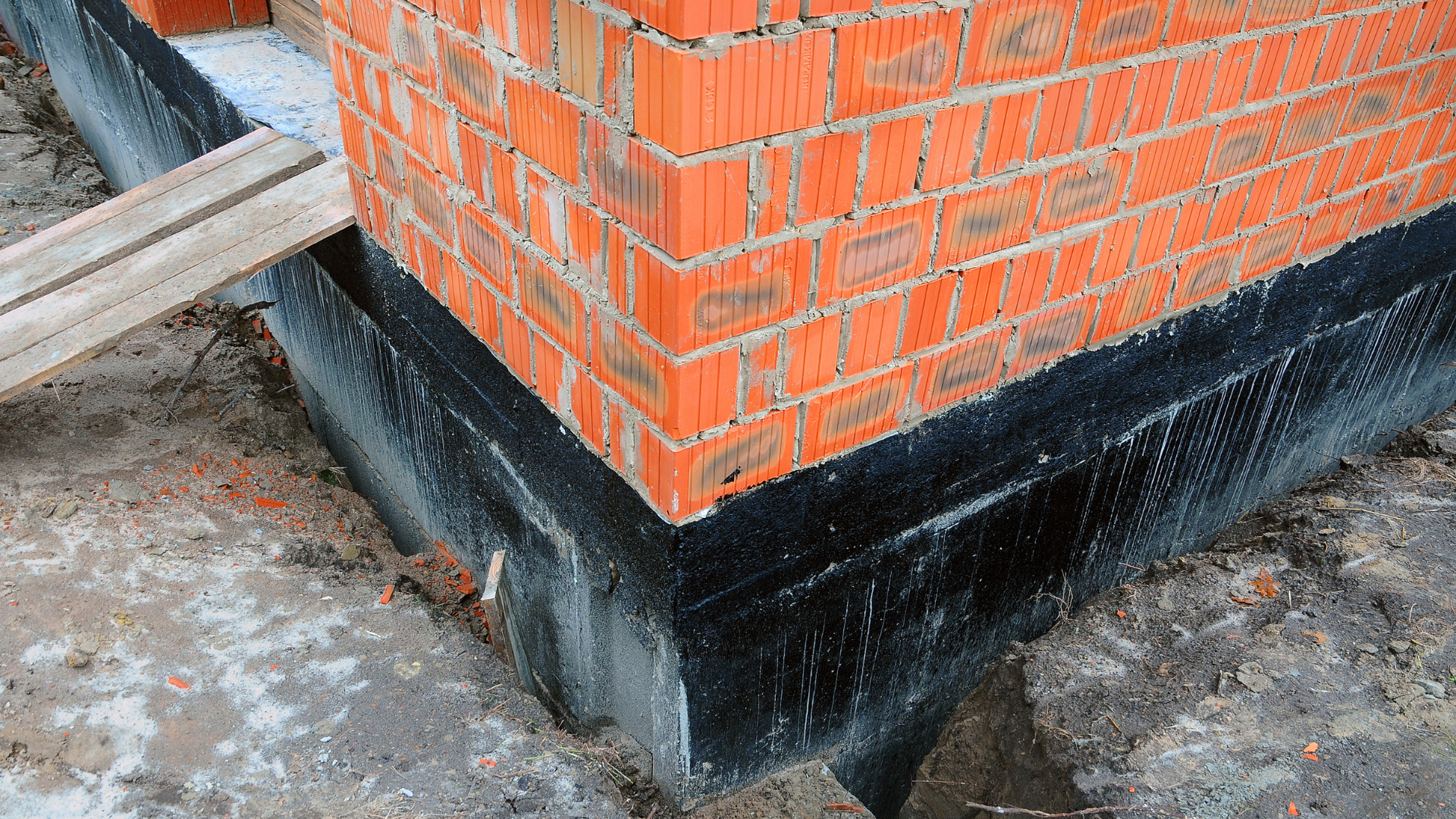
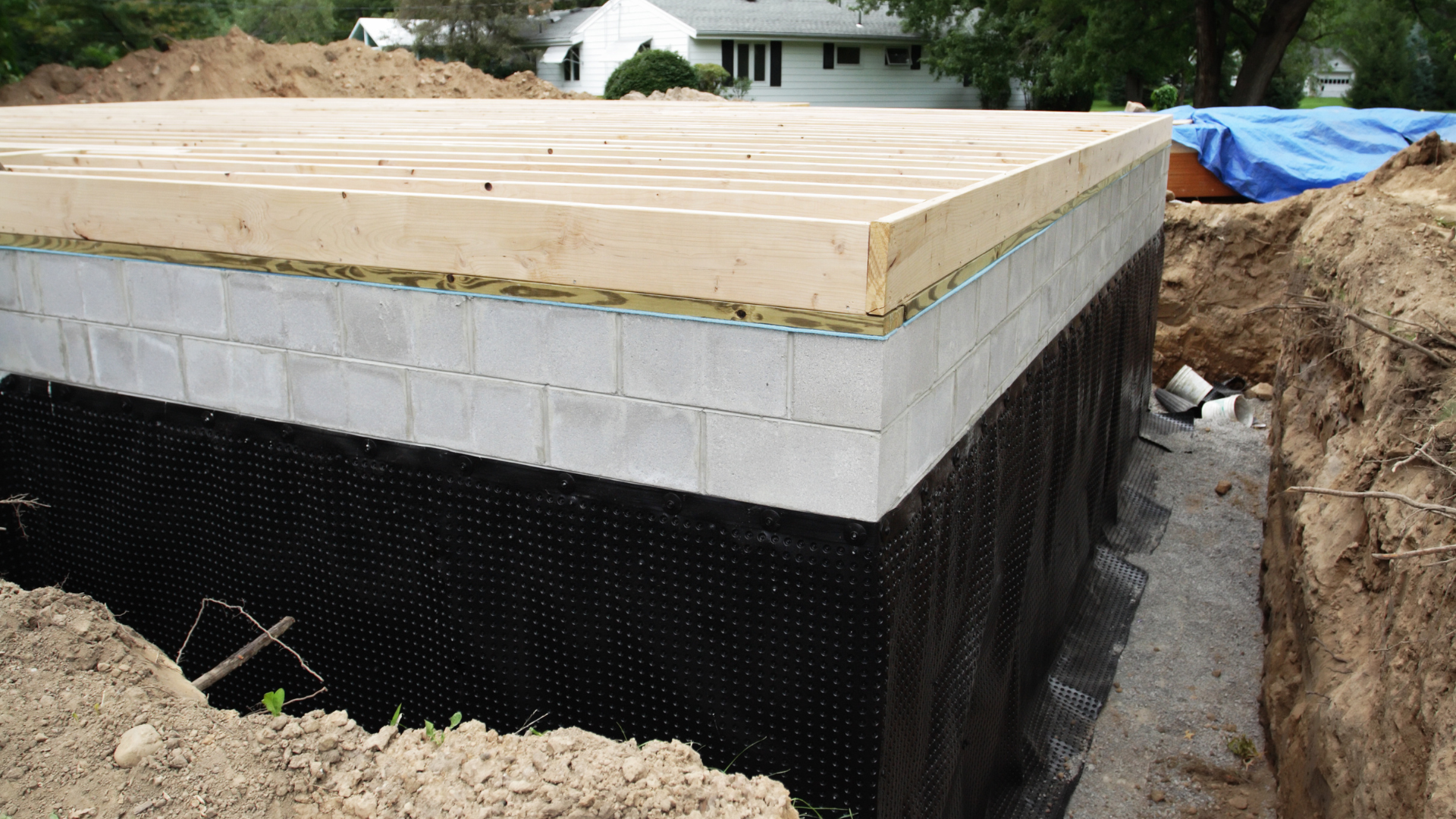
Exterior waterproofing addresses the water before it moves through the wall. For a typical Madison project, the affected wall is excavated to the footing, prepared, protected with a continuous waterproofing membrane, and paired with vertical and footing-level drainage. The excavation is then backfilled and the grade restored to move surface water away.
A complete scope may include:
- Confirming the wall section and moisture source before excavation.
- Protecting utilities, landscaping, hardscape, and safe equipment access.
- Excavating to the footing along the affected exterior wall.
- Cleaning and preparing the foundation surface.
- Repairing appropriate cracks, gaps, or penetrations within the system design.
- Applying a continuous exterior waterproofing membrane.
- Installing drainage board to create a vertical path toward the footing.
- Placing perforated footing drain in clean stone with appropriate filtration.
- Connecting the collected water to a dependable discharge point.
- Restoring positive grade and disturbed lawn or landscape areas.
Drainage Pro’s foundation waterproofing service in Madison is performed from the exterior because that is where soil water contacts the wall. Some homes instead need underground downspout drainage, grading, or a curtain drain before full waterproofing is justified. The recommendation should state which source each component controls. The objective is to reduce water contact and pressure, not merely conceal the interior symptom.
Use a Decision Framework for Winter Basement Seepage
Begin with safety, then separate the water source from the visible entry point. A damp patch after one unusual thaw calls for documentation and inspection, while flowing water, electrical exposure, or rapid structural change requires faster action. Permanent work should be based on repeatable evidence and the condition of the full exterior drainage route.
Use this framework:
- Document and monitor when dampness is minor, isolated, and dries after the event without damage.
- Check roof runoff first when downspouts end near the wall, disconnect, or discharge into piled snow.
- Correct surface grade when meltwater visibly moves toward the home or ponds beside the foundation.
- Address window wells and entries when snowmelt collects at a specific below-grade opening.
- Assess footing drainage when lower-wall or wall-floor seepage continues after surface sources are controlled.
- Consider exterior waterproofing when sustained soil contact or groundwater pressure is driving moisture through the wall.
- Request plumbing diagnosis when seepage does not match weather, melting, or exterior flow.
- Seek prompt structural evaluation when cracks widen, walls move, or other signs suggest more than moisture entry.
- Treat electrical exposure as urgent and avoid standing water near energized equipment.
This decision process applies across Madison, Guilford, Clinton, Killingworth, and Branford, but the physical causes vary. Flat shoreline lots may need carefully planned storage and discharge, while inland properties may need interception of water arriving from higher terrain. Drainage Pro traces the exterior water source before recommending a scope. That protects the homeowner from paying for a wall system when a smaller drainage correction is the real answer.
Current Drainage Pro Pricing and Scope Factors
Drainage Pro publishes current Madison planning ranges for the services that may address thaw-related seepage. Exterior foundation waterproofing typically costs
$4,000 to $8,500, underground downspout drainage
$1,000 to $2,500, yard grading
$2,000 to $5,500, curtain drain installation
$2,500 to $5,500, and a Madison dry well
$1,500 to $3,500. These are our published planning ranges, while wall length, excavation depth, soil, access, pipe length, discharge infrastructure, and restoration determine exact pricing. We provide a
free onsite assessment, and qualifying installations include our published five-year workmanship warranty.
| Drainage Pro solution | Published Madison range | Main scope factors |
|---|---|---|
| Exterior foundation waterproofing | $4,000 to $8,500 | Wall length, depth, soil, footing drain, restoration |
| Underground downspout drainage | $1,000 to $2,500 | Leaders, pipe length, trench, and outlet |
| Yard grading or regrading | $2,000 to $5,500 | Area, material, finish grade, and discharge |
| Curtain drain installation | $2,500 to $5,500 | Run length, depth, soil, and outlet |
| Madison dry well | $1,500 to $3,500 | Capacity, percolation, excavation, and connections |
| Onsite assessment | Free | Exterior diagnosis and written recommendation |
Stop Winter Thaw Water Before It Reaches the Basement
Winter thaw seepage is evidence that water has found a route the exterior system is not controlling. Drainage Pro of CT evaluates roof discharge, grade, snow storage, wall conditions, footing drainage, soil, groundwater clues, and the final outlet before recommending work. We explain whether the home needs a downspout correction, grading, a curtain drain, dry well, footing drainage, or exterior foundation waterproofing. The result is a plan tied to the source rather than a cosmetic response to the wet spot.
If seepage appears as snow melts around your Madison home, photograph the interior and exterior conditions and arrange an assessment before the evidence disappears. Review our Madison foundation waterproofing service or request a free estimate through our residential drainage page. We serve Madison, Guilford, Clinton, Killingworth, Branford, and nearby Connecticut Shoreline communities. Our licensed and insured team works under HIC#0706616 and provides exact written pricing for the inspected scope.
Related Services & Pages
Foundation Waterproofing in Madison
Residential Drainage Services in Madison