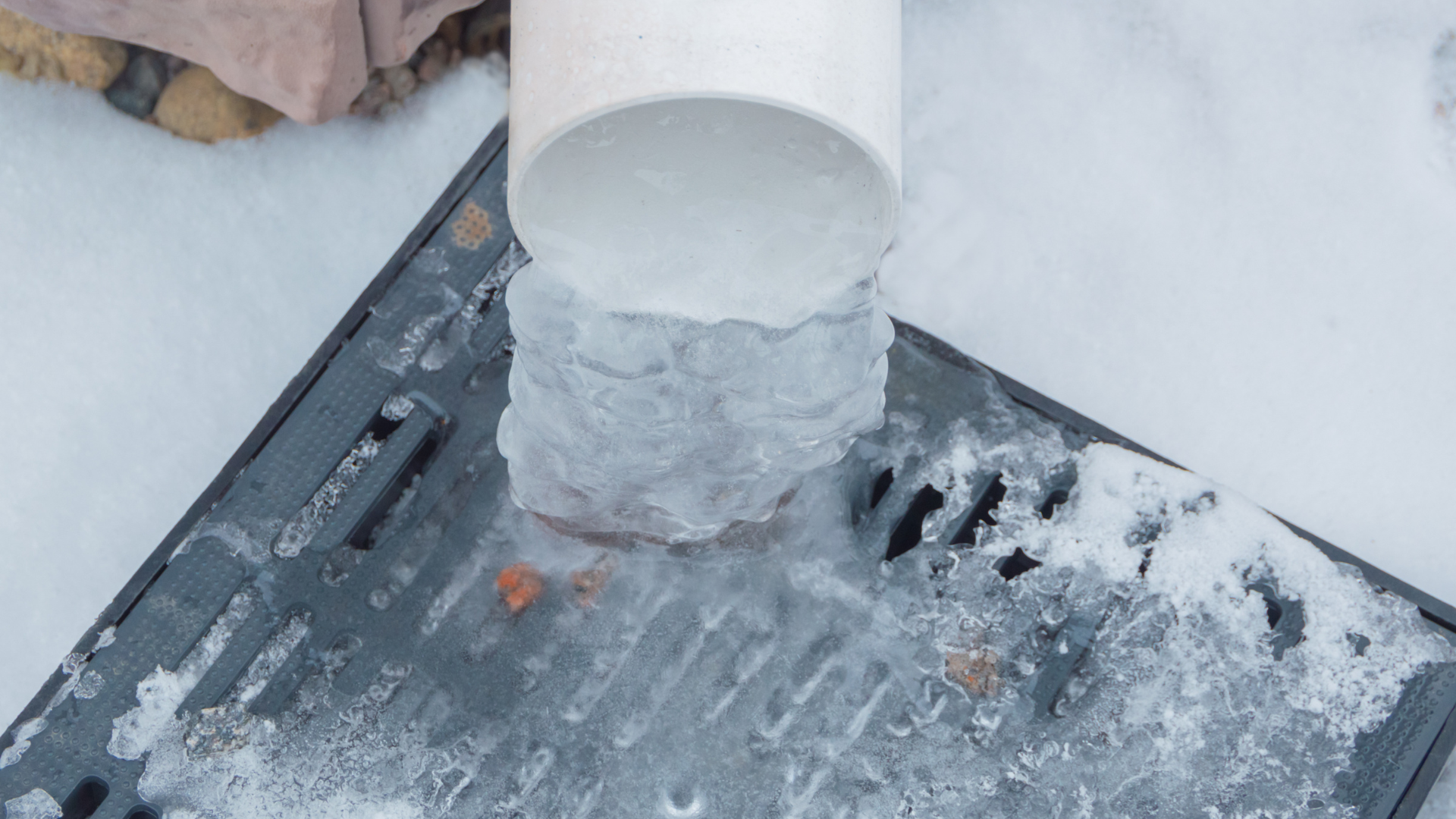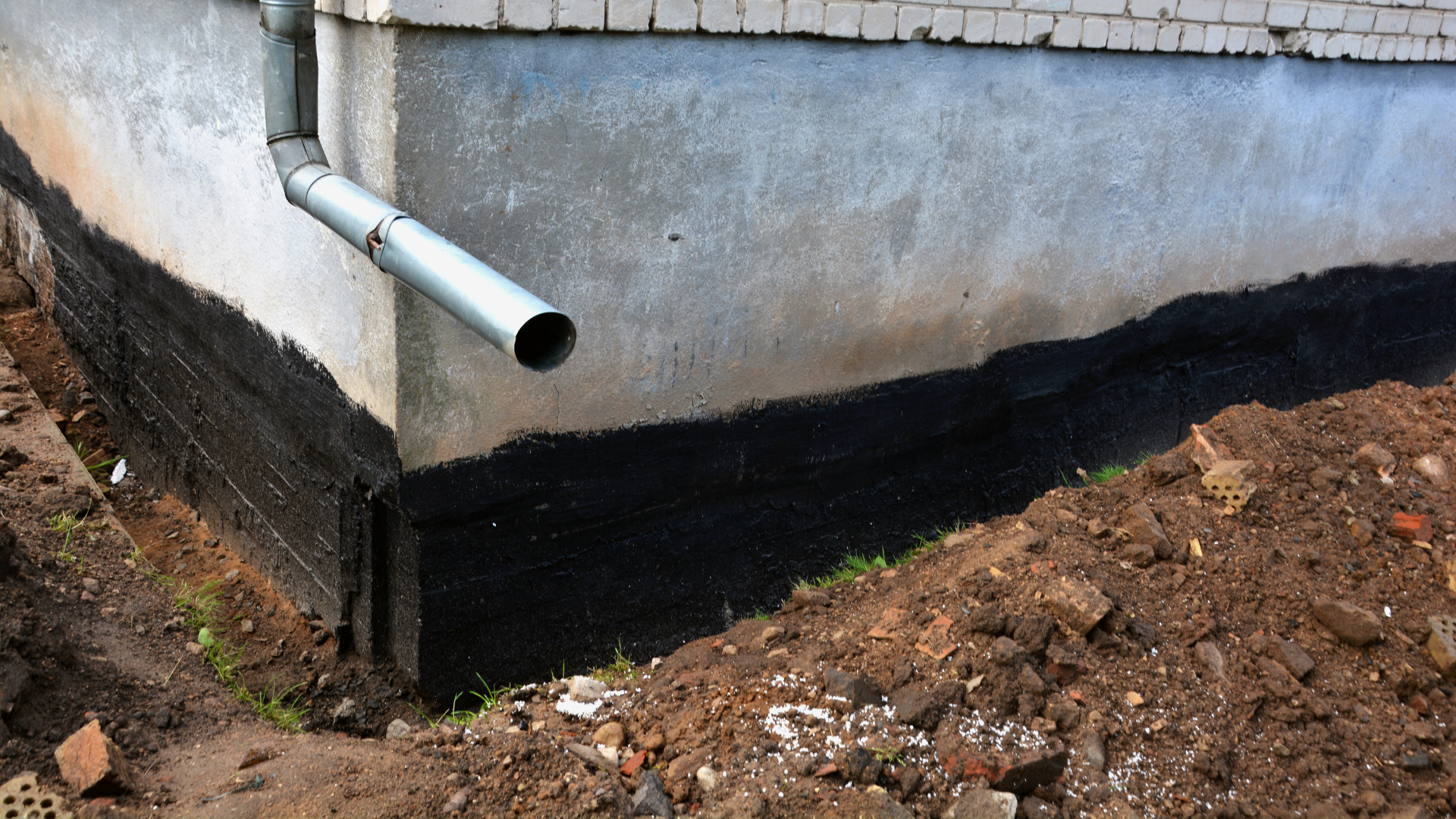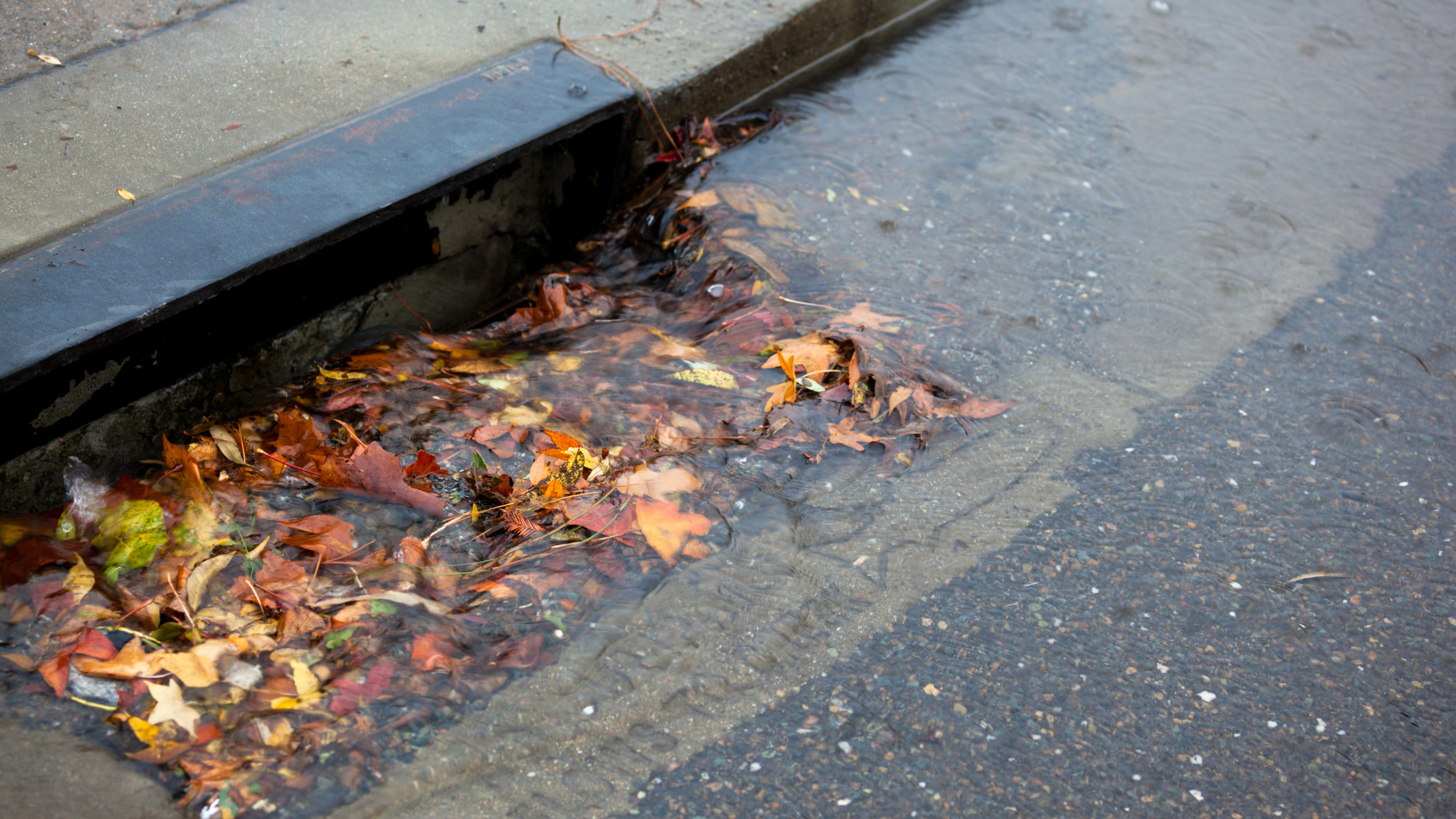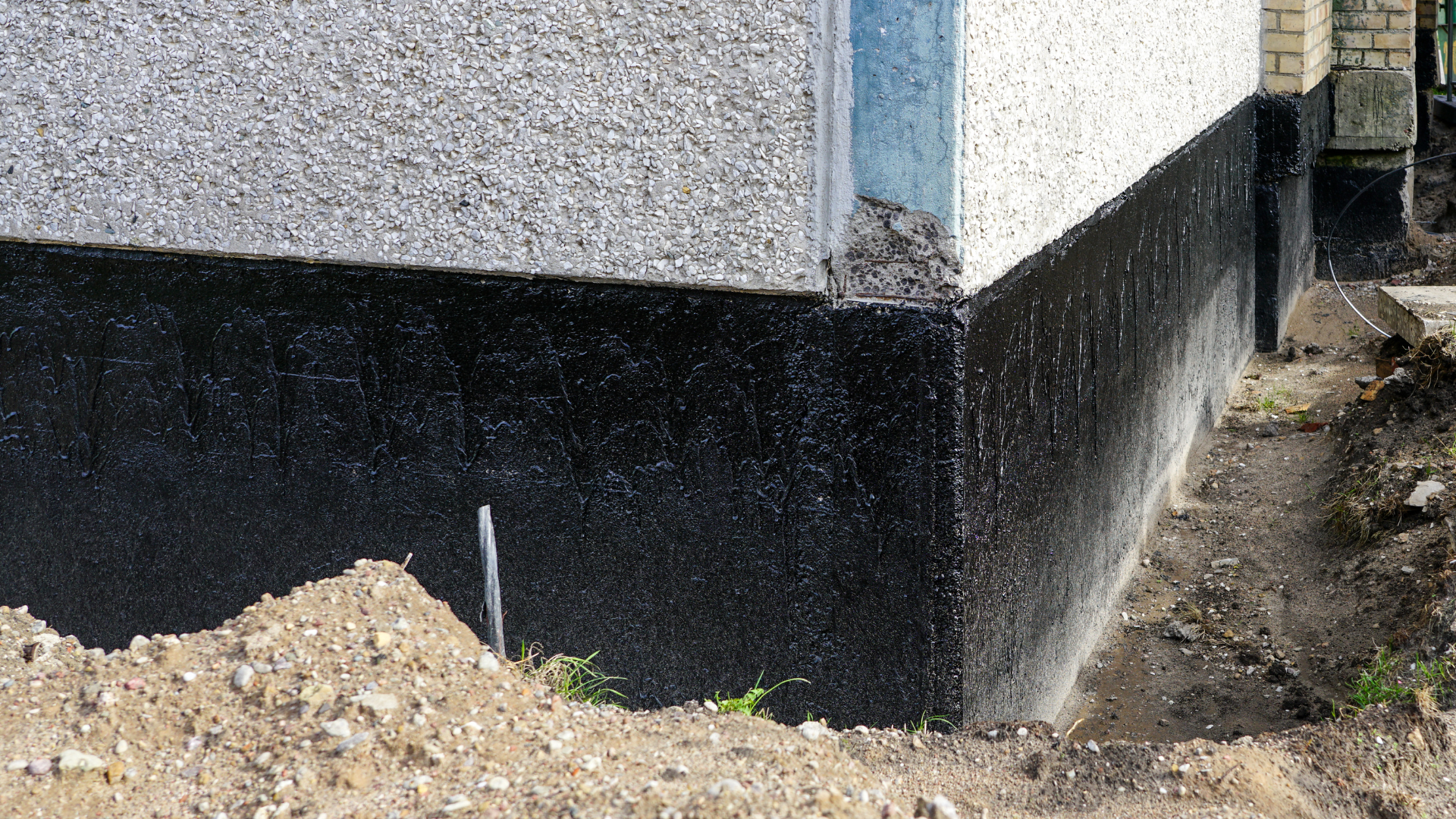
Why this mistake is so damaging: The excavated soil, particularly Connecticut's clay-heavy shoreline soil, has the same low permeability problem that likely contributed to the original drainage issue. Backfilling with this soil directly on top of the gravel and fabric system creates a dense, slow-draining cap that reduces the rate at which surface water can reach the drainage system below it. In clay soil, surface water sits on top of this backfill rather than percolating down into the French drain, which means the system never receives the water it was designed to manage.
The correct approach uses clean gravel as backfill above the fabric-wrapped drainage layer up to a point near the surface, with the final few inches restored with topsoil and seed or sod to blend with the surrounding landscape. This maintains permeability through the full depth of the installation rather than capping a functional drainage system with the same low-permeability soil that was part of the original problem.
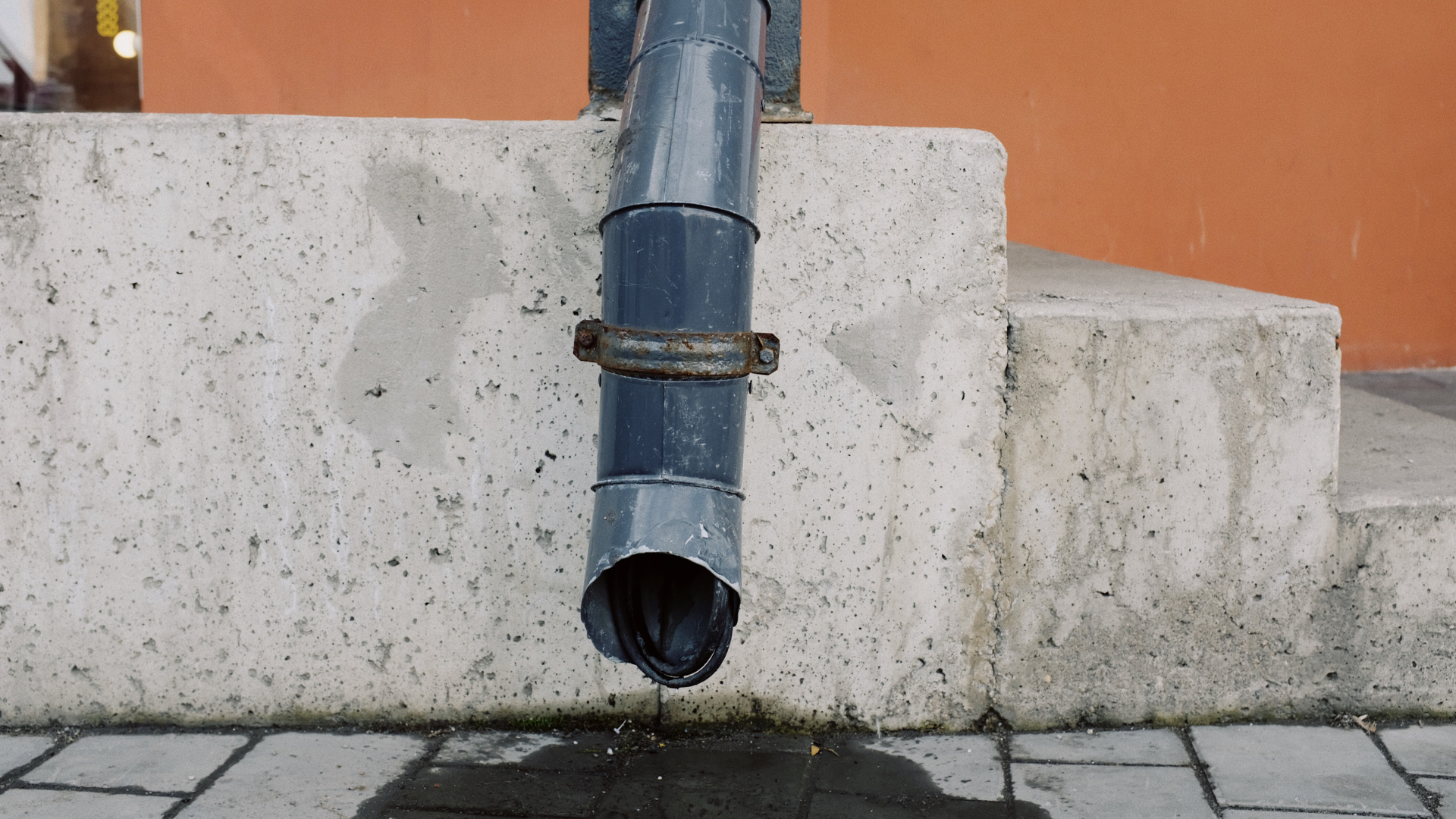
Iron-filter backwash can pool when the exterior outlet or receiving system cannot manage the discharge arriving during a cycle. Possible causes include a surface outlet, a restricted or poorly routed pipe, limited soil absorption, high groundwater, or an unsuitable receiving structure. The filter may also need evaluation if its discharge behavior has changed. A wet patch alone cannot establish which problem is responsible.
At Drainage Pro of CT, we help Westbrook homeowners investigate exterior water movement and plan buried discharge routes suited to the property. We also work in Madison, where equipment drainage can overlap with ordinary rain and groundwater problems. Our scope is outside the building, rather than repairing or programming an iron filter. The useful first step is to connect the outdoor symptom with the equipment's actual discharge pattern.
Why Water Appears When It Has Not Rained
Backwashing filters periodically release wastewater as part of cleaning their treatment media. That cycle can send water toward the same exterior location even during otherwise dry weather. A wet area that follows the filter's schedule may be treatment discharge rather than a new stormwater problem. Identifying the equipment and observing the timing helps narrow the investigation.
Not every iron-removal system uses the same process or produces the same wastewater. Connecticut DPH's iron and manganese guidance describes several treatment approaches, including filtration and ion exchange. The equipment manual and treatment provider should establish how your unit operates and what it releases. Do not change the backwash schedule simply to make the yard appear drier before that information is checked.
Identify Which Equipment Is Actually Discharging
Some homes have a softener, an iron filter, and other treatment equipment installed close together. Their drain lines may be difficult to distinguish once they leave the equipment area. Do not label every treatment drain a softener line or assume every backwash contains softener brine.
Gather these details from accessible records:
- Manufacturer and model of each treatment unit.
- The treatment process and media identified in the manual.
- Any regeneration or cleaning chemicals used.
- Stated backwash rate, duration, and volume where available.
- Frequency of discharge and whether more than one unit cycles together.
- Maintenance records and recent equipment changes.
- Existing exterior line or receiving-system drawings.
The DPH's ion-exchange guidance explains why regeneration chemistry and cycle controls matter for those systems. That source is relevant if your iron treatment uses ion exchange, but it does not establish that every iron filter operates that way. Ask the equipment provider to confirm the waste stream rather than infer it from the name on a household invoice.
Our water-treatment discharge routing services address the exterior path after the source and requirements are identified. If an indoor connection needs tracing, the appropriate plumbing or treatment professional should handle that part. Knowing the handoff point helps keep the exterior proposal accurate.
What Causes Water to Collect at the Outlet?
Pooling means water is arriving faster than it is leaving that location, at least during the period you are observing. That may involve the pipe, the destination, surrounding ground conditions, or several factors together. Staining can help locate repeated discharge without proving which component is failing.
| Possible contributor | What you might observe | What needs evaluation |
|---|---|---|
| Surface outlet | Water emerges directly onto the lawn | Appropriate wastewater disposal route |
| Restricted line | Slow delivery, backup, or changed behavior | Pipe condition and source-to-outlet flow |
| Poor routing or retained water | Repeated trouble at a low point | Elevations, installation, and freeze exposure |
| Limited soil absorption | Ponding persists around the receiving area | Soil suitability and actual discharge load |
| High groundwater | Trouble worsens during wet periods | Seasonal groundwater and receiving elevation |
| Undersized receiving system | Overflow during otherwise normal cycles | Storage, dispersal, and equipment data |
| Changed equipment discharge | Pooling starts after replacement or settings changes | Treatment-provider data and exterior capacity |
The Pipe Can Be the Bottleneck
A line that is restricted or incorrectly routed may not convey the equipment's discharge reliably. However, a visible outdoor trickle does not prove that the pipe is too small, since the actual cycle rate still needs confirmation. We examine the route and available records before recommending a replacement line. A larger pipe is only useful when it connects to an appropriate destination.
The Receiving Area Can Be the Bottleneck
A buried receiving system depends on suitable surrounding conditions as well as its own capacity. If the soil is saturated or absorption is limited, moving water through the pipe faster may not correct the surface symptom. A system that previously worked also deserves review after equipment changes increase the load. The solution should address the limiting condition rather than add capacity by guesswork.
What Orange Stains and Sediment Can Tell You
Iron-related discoloration can reveal where repeated discharge travels, while manganese and other constituents may produce different appearances. Color is a clue, not a complete water analysis or drainage diagnosis. A stained area that dries between cycles presents a different symptom from standing water that remains or spreads. Both the wastewater characteristics and the outdoor route still need to be understood.
Photograph the stain and note whether water is actively emerging during the filter's cycle. Avoid assuming that a colorless discharge is suitable for unrestricted disposal or that every orange patch came from this filter. A treatment provider can interpret water-quality and equipment questions, while we evaluate the exterior conveyance and receiving conditions. If there is concern about well-water quality, arrange appropriate laboratory testing rather than use the lawn's appearance as the test.
Safe Observations That Help Locate the Problem
You do not need to dig up a pipe or open a buried chamber to provide useful information. Observe from a safe location and avoid handling wastewater or entering soft, unstable ground. Do not force a manual backwash cycle just to reproduce the problem without the equipment provider's direction.
Useful observations include:
- Whether pooling occurs on dry days.
- The approximate start and finish time of visible discharge.
- How long the wet patch remains after the cycle.
- Whether the area changes after rain or during a thaw.
- Whether water appears from a pipe end, the ground, or an access point.
- Any freezing, erosion, or flow toward the foundation.
- Recent filter replacement, service, or drain-line work.
Take a wider photo showing the house and wet area, followed by a closer view only if it is safely accessible. Mark the location on a sketch rather than drive stakes into an unknown buried route. Keep children and pets away from the discharge area while its source and condition are investigated.
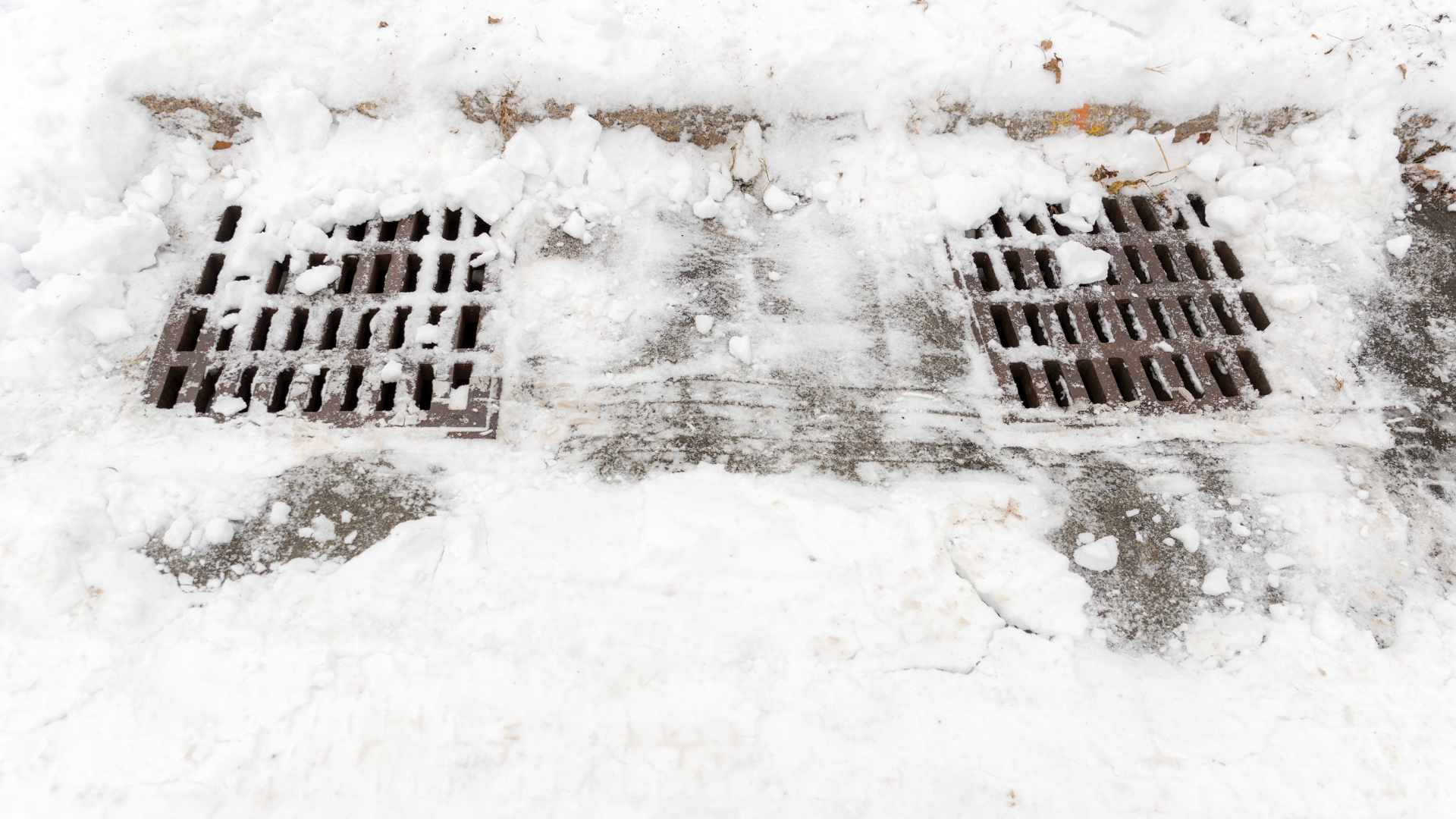
Our article on leaf-related drainage problems explains why separate surface-drain restrictions can create similar outdoor symptoms. A blocked yard inlet may coexist with treatment discharge. The evaluation should establish which water reaches which system before work is selected.
Why Weather Can Expose Exterior Drainage Weaknesses
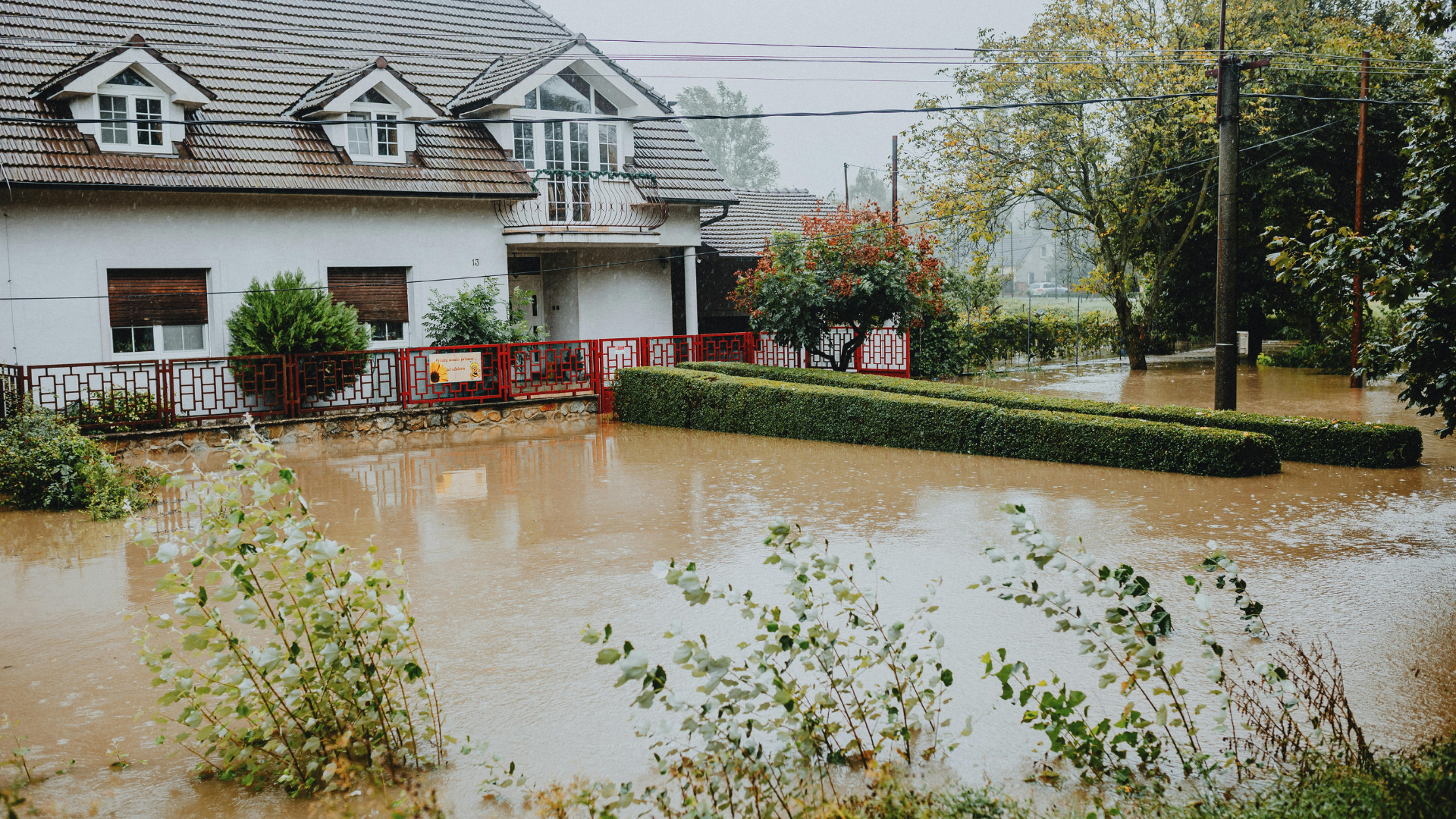
A receiving area may have less available capacity when surrounding ground is already wet. A route that retains water can also become vulnerable during freezing conditions. A problem that appears only in winter is not automatically caused by the filter itself. Equipment flow and exterior conditions need to be considered together.
For example, a homeowner may notice no standing water through a dry period, then see repeated ponding after several wet days. That history points toward a need to assess the receiving conditions, but it does not prove a specific groundwater level or soil type. Our guide to winter yard drainage problems explains the wider interaction of cold ground, meltwater, and drainage routes. We use that context without treating a water-treatment discharge line as an ordinary stormwater drain.
How a Buried Line and Separate Receiving System May Help
A suitable exterior arrangement connects the identified wastewater source to an appropriate receiving system rather than leaving a recurring surface outlet. That can involve a solid buried conveyance line and a separately planned subsurface dispersal structure.
The installation must suit the wastewater and property, not merely hide the pipe.
| Project question | What should be established | Why it matters |
|---|---|---|
| What produces the wastewater? | Treatment type, media, and chemical use | Establishes the correct disposal review |
| How much arrives? | Per-cycle volume, frequency, and flow | Supports conveyance and receiving design |
| Where can it go? | Suitable location under applicable requirements | Avoids moving the problem to another part of the lot |
| Will the soil receive it? | Relevant site investigation | Determines feasibility |
| What is nearby? | Wells, septic components, buildings, and boundaries | Affects clearances and route choices |
| How will it be serviced? | Access and documentation | Supports future inspection and maintenance |
Our general dry-well installation services address stormwater systems. A structure intended for roof runoff is not automatically an approved iron-filter backwash dry well. A dedicated treatment-wastewater proposal needs its own applicable siting, capacity, and review.
In Westbrook and Madison, apparent open space does not establish a suitable location. Groundwater, rock, existing utilities, and well or septic clearances can narrow the choices. We assess the route alongside those constraints before recommending excavation or promising a particular receiving structure.
Check Westbrook's Wastewater Review Process
Westbrook's Health Department lists an application for a water-treatment wastewater system. Its WTW application requests the equipment type, discharge volume and frequency, and a plan showing important property features. Confirm the current form, design criteria, and submission steps before construction. An older form's presence online is not a reason to disregard updated state standards.
Connecticut DPH identifies revised disposal standards effective September 1, 2026. The applicable route depends on the actual treatment wastewater, with only specified sources eligible for septic discharge under additional conditions. Do not assume an iron filter qualifies because another type of filter may qualify, or that all iron-filter wastewater is legally identical to salt-regeneration brine. The local authority should confirm the correct approach using your equipment and site information.
A practical sequence is:
- Identify the treatment equipment and wastewater characteristics.
- Establish the current outlet and receiving arrangement.
- Confirm the applicable review and site-investigation requirements.
- Develop a suitable exterior scope with appropriate qualified input.
- Complete required coordination before excavation.
- Keep final drawings and installation records with the property documents.
Changing the indoor equipment may require its own specialist, while constructing an outdoor line requires a defined connection point. We explain the exterior work we can provide and coordinate the boundaries with the relevant project professionals. Our home-improvement registration does not replace any additional authorization or specialist work a particular project requires.
Choose the Repair Around the Findings and Full Cost
The right response depends on where the problem actually occurs. Do not replace a working filter because its exterior receiving area is unsuitable, and do not build a larger receiving system around an equipment fault that has not been evaluated. The treatment provider and exterior contractor have different parts of the investigation.
A Useful Decision Framework
- Normal equipment discharge, unsuitable surface outlet: Review a suitable wastewater destination and exterior route.
- Restricted or damaged pipe: Investigate targeted conveyance repair while checking the receiving system.
- Receiving area overwhelmed: Compare actual discharge with site and system capacity.
- Changed cycle behavior: Have the treatment provider assess equipment operation before final sizing.
- Unknown route or mixed connections: Trace the system before committing to excavation.
- Water moving toward the building or freezing on access routes: Arrange prompt evaluation and keep people away from affected areas.
What Should the Price Cover?
We provide a
Free Drainage Evaluation to discuss the exterior conditions and proposed work. Our quote should define whether the project includes line repair, a new buried route, receiving-system construction, and surface restoration. For broad comparison, HomeGuide's drainage installation guide lists
1,000–4,000 for shallow exterior yard drainage nationally. That category is not an iron-filter wastewater price; the approved scope and site conditions determine the cost of this work.
| Budget component | Pricing approach | Question to ask |
|---|---|---|
| Initial exterior visit | Free Drainage Evaluation | Which records should I provide? |
| Equipment diagnosis | Separate treatment-provider scope | Is the discharge behavior normal? |
| Testing, design, or local review | Project-specific as required | Who is responsible for each step? |
| Exterior pipe work | Defined repair or measured new route | Does it include the full connection and excavation? |
| Receiving system | Based on suitable approved design | What capacity and siting information supports it? |
| Surface restoration | Written proposal item | Which lawn or hardscape finishes are included? |
| Completion records | Confirm in the scope | What final drawings and inspection records will I receive? |
Compare proposals by the problem each one solves. A pipe-only estimate can look lower while leaving the receiving bottleneck untouched. A complete proposal should also identify work excluded because it belongs to a treatment specialist or another qualified contractor.
After installation, retain the equipment information used for planning. A future change in filter type, chemicals, cycle frequency, or volume may require the disposal arrangement to be reviewed. Report recurring ponding rather than assume the buried system will never need inspection.
Get the Outdoor Discharge Problem Evaluated
If iron-filter backwash keeps pooling at your Westbrook home, we can assess the exterior route and receiving conditions. We also help Madison homeowners investigate recurring water-treatment discharge problems. Tell us when the water appears, where it emerges, and whether equipment or drainage work changed recently. Those details help us evaluate the cause before recommending a buried line or receiving-system project.
Request a Free Drainage Evaluation or call 860-852-6270 to discuss the exterior work. Have the filter information and available well or septic plans ready if possible. We will explain our scope and any additional review or specialist coordination needed before construction. Drainage Pro of CT is licensed and insured under HIC#0706616.
Helpful Services and Related Reading