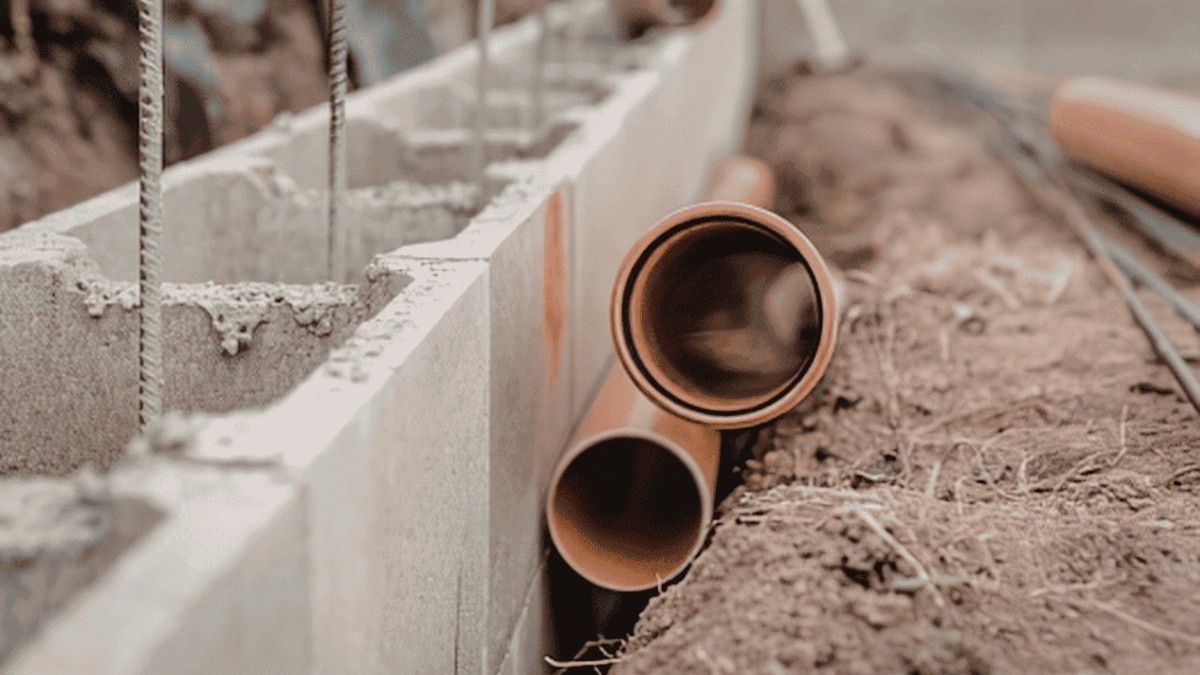
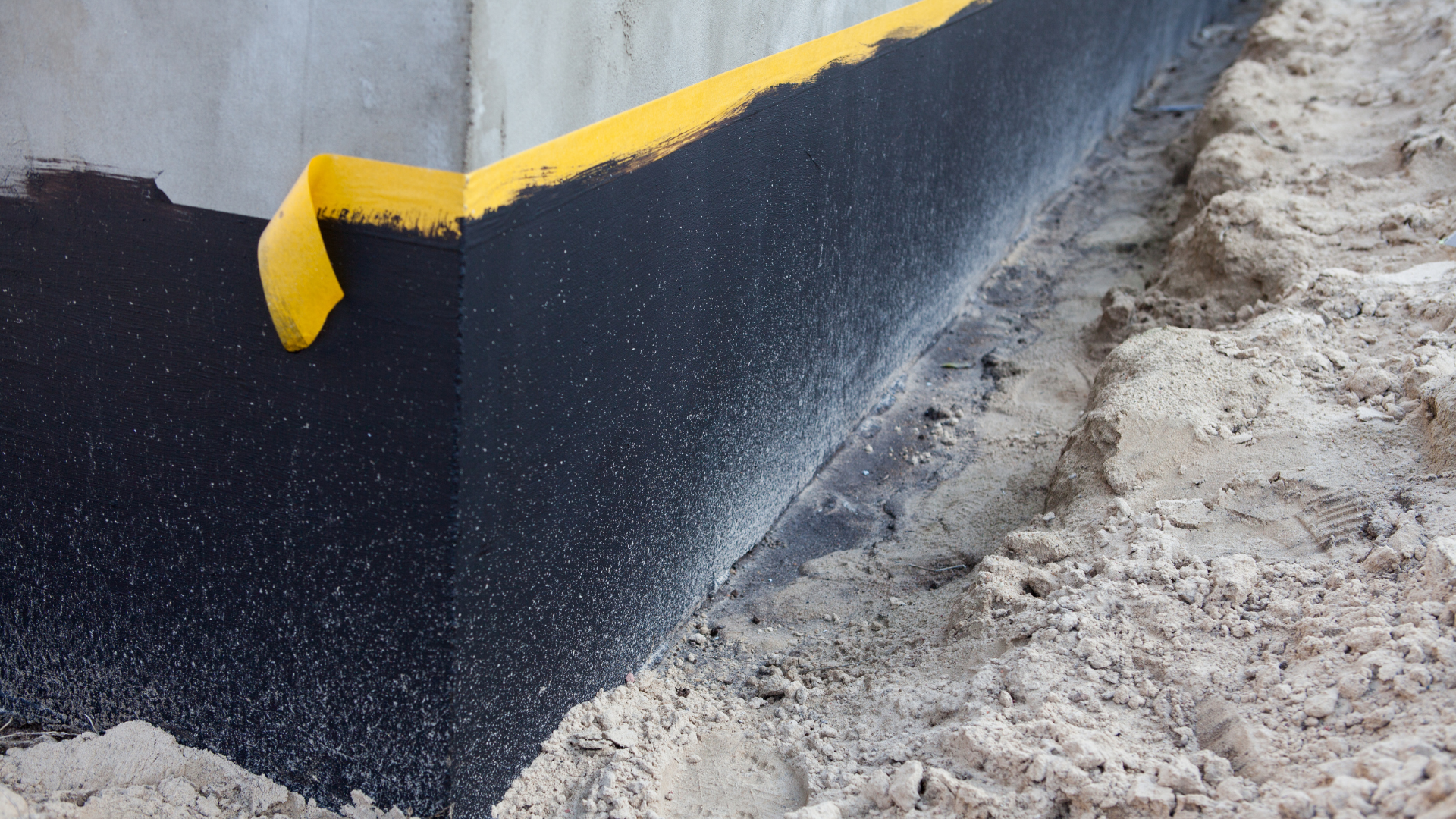
Why this mistake is so damaging: The excavated soil, particularly Connecticut's clay-heavy shoreline soil, has the same low permeability problem that likely contributed to the original drainage issue. Backfilling with this soil directly on top of the gravel and fabric system creates a dense, slow-draining cap that reduces the rate at which surface water can reach the drainage system below it. In clay soil, surface water sits on top of this backfill rather than percolating down into the French drain, which means the system never receives the water it was designed to manage.
The correct approach uses clean gravel as backfill above the fabric-wrapped drainage layer up to a point near the surface, with the final few inches restored with topsoil and seed or sod to blend with the surrounding landscape. This maintains permeability through the full depth of the installation rather than capping a functional drainage system with the same low-permeability soil that was part of the original problem.
A seasonal outlook cannot tell us exactly how much rain will fall on one Madison property. It can, however, justify inspecting drainage before repeated storms expose a weak grade, blocked outlet, undersized basin, or saturated yard. Yard drainage preparation should start with the path water already follows, not a product chosen before the cause is known.
NOAA’s current outlook favors wetter-than-average conditions along much of the Eastern Seaboard, and its Climate Prediction Center expects a strong-to-very strong El Niño to remain likely through early 2027. That does not guarantee flooding in Madison. It does make it sensible to check whether your property can collect, carry, and discharge water through several wet periods with limited drying time.
Why This Winter Outlook Deserves a Drainage Check
The NOAA winter outlook released in October 2026 favors above-normal seasonal precipitation along the East Coast. NOAA’s El Niño diagnostic discussion also says the event is continuing to strengthen, but it carefully describes impacts as probabilities rather than promises. Madison could experience long rain events, mixed precipitation, rapid thaws, or periods that are comparatively quiet. The practical takeaway is not to predict one exact storm, but to prepare for the possibility of more water moving through the property over the season.
Repeated rainfall tests a drainage system differently from one short downpour. The first storm can fill soil pores and leave low areas wet, so the next arrives when the ground has less capacity. French drains, basins, dry wells, swales, and outlets must keep moving water while surrounding soil remains damp. Persistent weather can therefore reveal a capacity, pitch, or discharge problem that one isolated storm does not.
What Extended Rain Does to Madison Soil
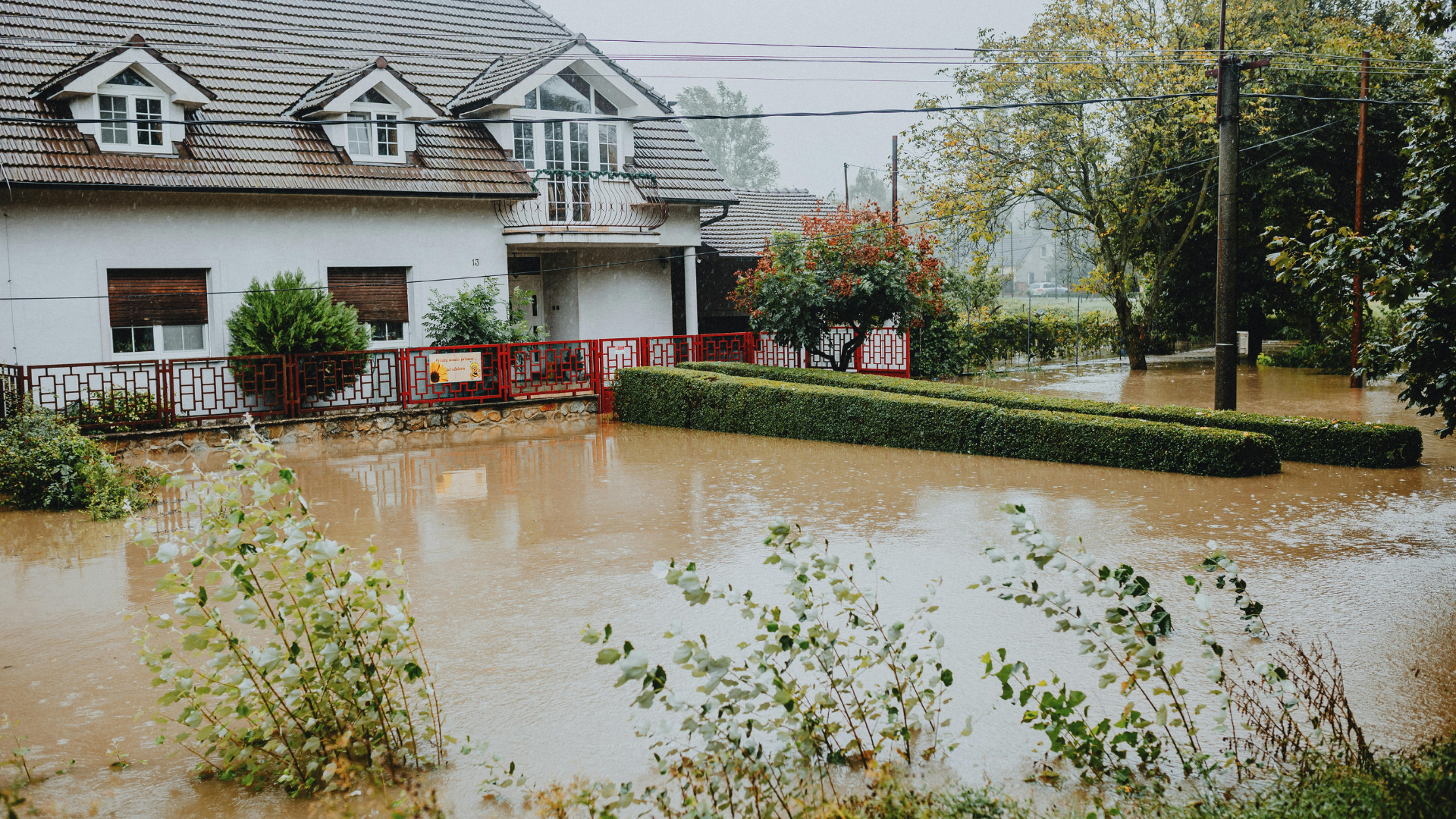
Soil does not absorb an unlimited amount of water. The U.S. Geological Survey’s explanation of infiltration compares saturated soil to a wet sponge: when the available pore space is already filled, less additional rain can soak in and more travels across the surface. On a property, that change can turn a normally manageable low area into a pond, send runoff across a walkway, or keep water pressed against the foundation. The rate and direction depend on soil, slope, vegetation, hard surfaces, and the elevation of the water table.
Madison properties do not all respond the same way. Flat coastal lots may have limited natural fall and a seasonally responsive water table, while wooded inland parcels receive runoff from higher terrain. Older town-center lots may also have settlement or landscape changes that altered the original path. Our Madison yard drainage service identifies which condition is controlling the water.
| Condition during repeated rain | What changes on the property | What a homeowner may notice |
|---|---|---|
| Soil approaches saturation | Infiltration slows and surface runoff increases | Puddles form sooner than they did in earlier storms |
| Shallow groundwater rises | Water enters low soil layers from below | Lawn stays soft even after surface water disappears |
| Low areas remain full | The next storm begins with less available storage | Ponding spreads beyond the usual wet spot |
| Drain outlet becomes submerged | Gravity discharge slows or temporarily stops | Basin or trench drains back up despite being clean |
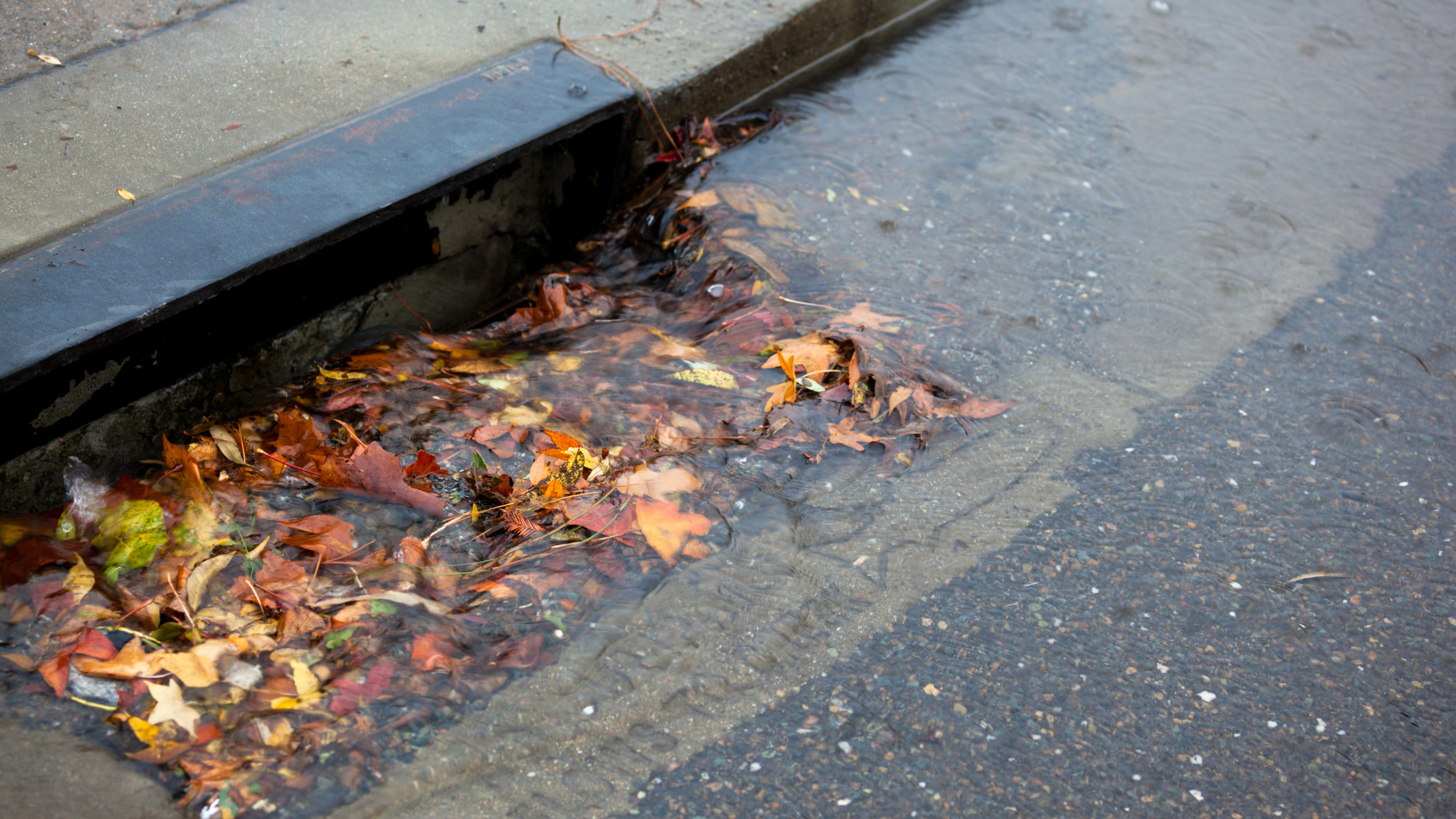
| Leaves and sediment restrict an inlet | Less water enters the drainage network | Water flows around the grate or crosses pavement |
| Roof runoff joins yard runoff | A concentrated source adds volume quickly | Erosion or pooling appears near downspout areas |
Signs Your Existing System May Be Near Capacity
Drainage capacity problems often appear as a pattern rather than one dramatic failure. Take photos during rainfall, after it ends, and the next day to compare where water starts, how far it spreads, and how long it remains. Note whether the problem follows only intense rain or also moderate rain after several wet days. Those details separate a maintenance issue from an undersized or poorly routed system.
Watch for these practical warning signs:
- Standing water expands after each storm. A puddle that now reaches a walkway, planting bed, septic area, or foundation deserves attention.
- A catch basin fills faster than it drains. The grate, sump, downstream pipe, or outlet may be restricted.
- The French drain line remains visibly wet. Persistent saturation above the trench can point to a blocked outlet, inadequate pitch, damaged pipe, or more inflow than the system can carry.
- Water exits in the wrong place. Runoff crossing a driveway, cutting an erosion channel, or moving toward the house has an uncontrolled route.
- A dry well backs up during consecutive storms. The chamber may be too small, surrounding soil saturated, or too many sources connected.
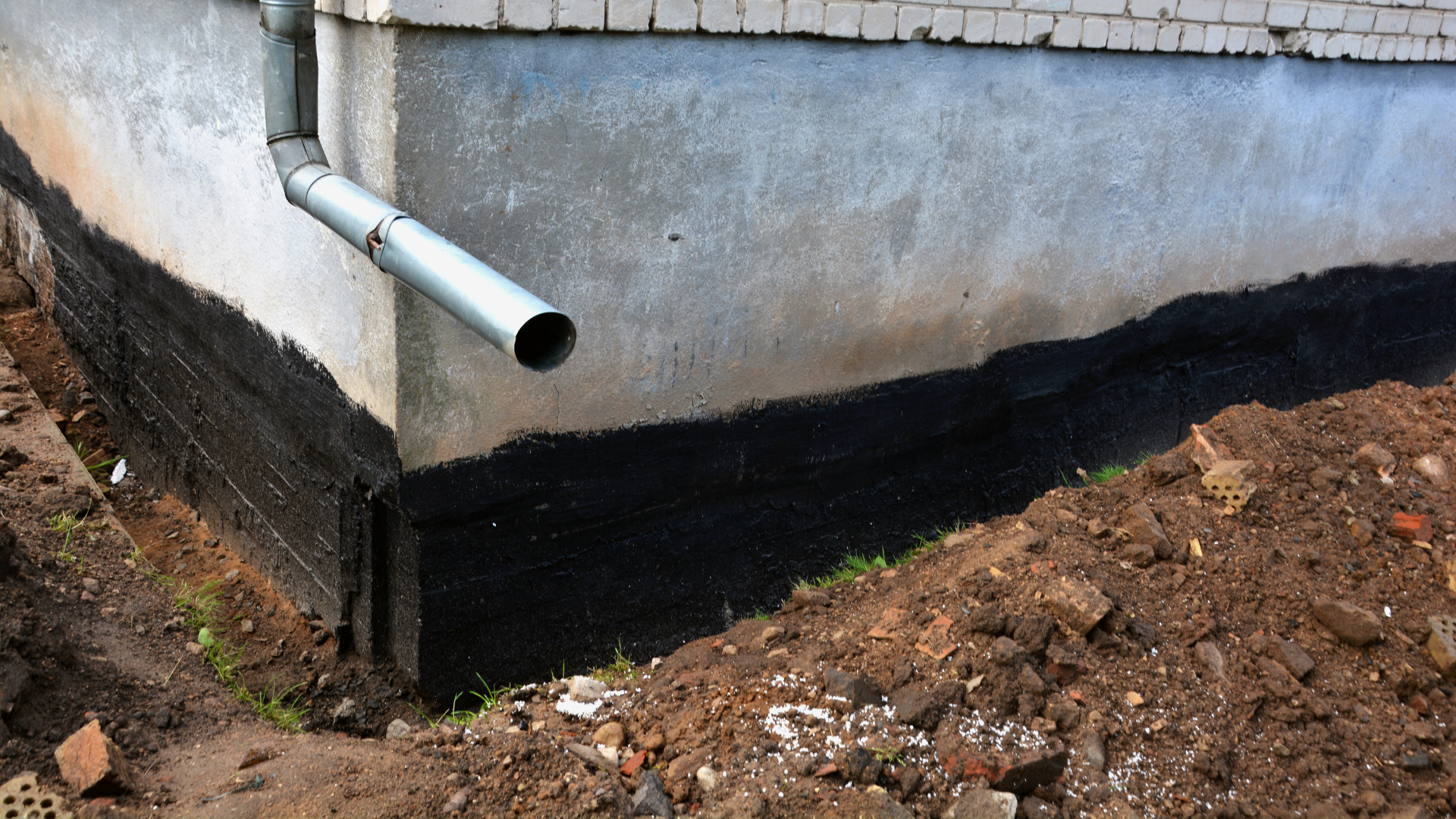
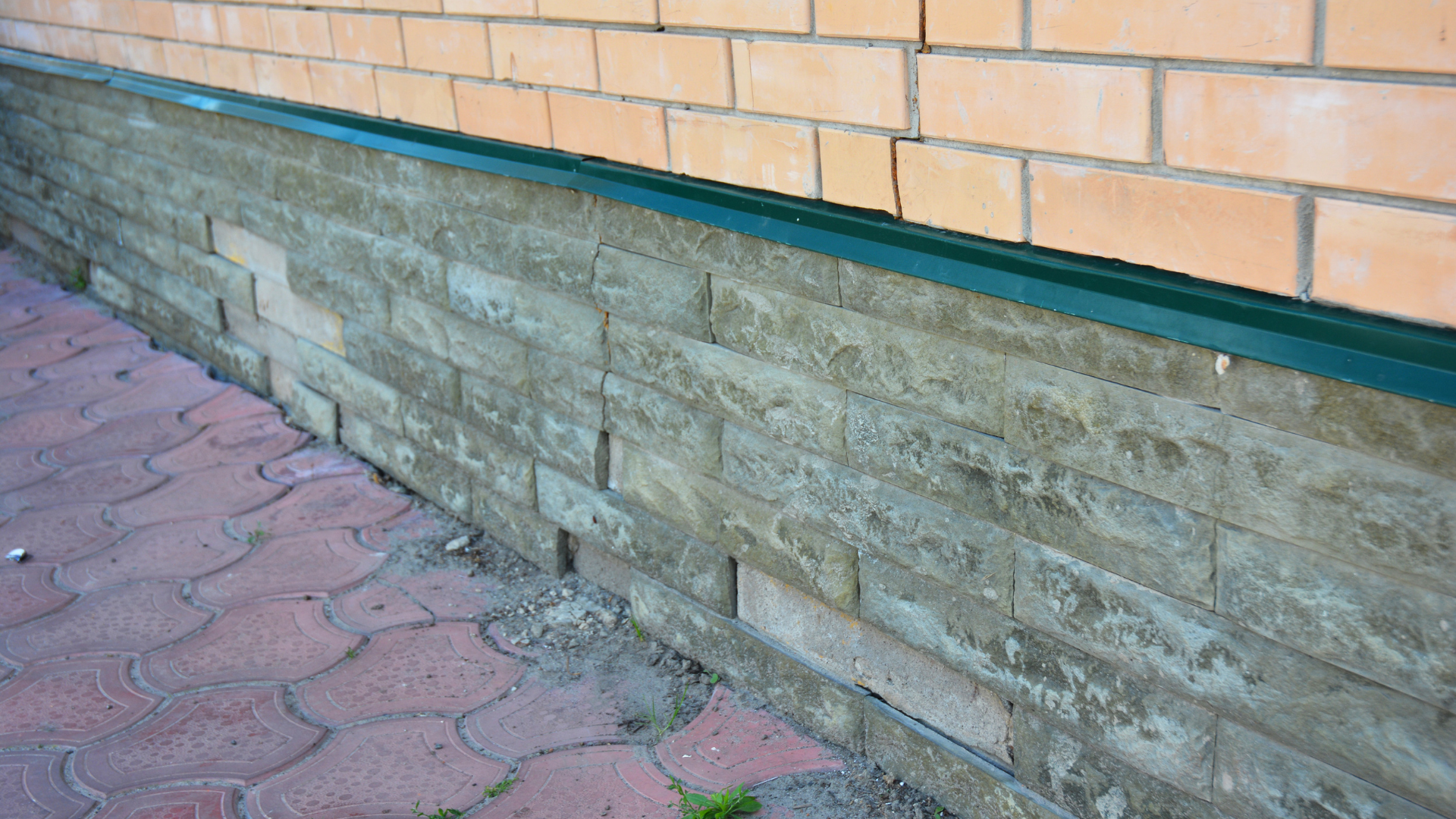
- Water appears near the foundation. Damp walls, seepage, or pooling beside the house requires a broader assessment of grading, downspouts, subsurface water, and discharge.
Do not assume that a larger pipe will solve these symptoms. A clean inlet connected to an undersized dry well can still back up, and a basin connected to a flat or obstructed pipe cannot discharge properly. The whole route must work from collection point to outlet. Timing and flow direction are therefore more useful than simply reporting that the yard is wet.
How Different Drainage Components Handle Water
Every drainage component has a specific job. A catch basin receives surface water, while a French drain intercepts water moving through soil. Grading shapes surface flow, and a dry well provides storage and infiltration where no gravity outlet is available. Reliable design matches each component to the failed stage of the water path.
During extended rain, one component can bottleneck the others. A French drain may collect water but struggle if its outlet is submerged, while a basin can overflow if the downstream pipe is too small. Our French drain installation approach evaluates source, elevation, pitch, filtration, capacity, and discharge together. The assessment determines whether one correction or a coordinated system is justified.
| Drainage component | Primary job | Best fit | Common reason it underperforms |
|---|---|---|---|
| Grading or regrading | Direct surface water by gravity | Water flows toward the home or collects because of settled grade | No usable outlet is planned at the end of the slope |
| Catch basin | Collect surface runoff at a low point | Defined puddles in lawns, driveways, or paved areas | Filled sump, blocked grate, small pipe, or poor placement |
| French drain | Intercept and carry subsurface water | Soggy soil, hillside seepage, or groundwater moving through a wet zone | Incorrect depth, inadequate pitch, clogged filtration, or weak outlet |
| Curtain drain | Intercept water arriving from uphill | Runoff and subsurface flow entering from higher terrain | Installed below or beyond the actual interception line |
| Dry well | Store water and release it into surrounding soil | Flat lots without a daylight discharge point | Small chamber, slow percolation, or high seasonal water table |
| Swale | Slow and guide shallow surface flow | Broad runoff that can move through a landscaped route | Settlement, vegetation buildup, or an interrupted flow line |
What Homeowners Can Check Before Repeated Winter Rain
Start with observations that can be made safely from the ground. Walk the property during light rain if conditions are stable, then stay away from deep water, fast flow, unstable slopes, broken grates, electrical equipment, and flooded structures. Never enter a catch basin or excavation, and contact Connecticut’s utility-marking service before any digging. A homeowner inspection should gather useful information, not create a new hazard.
Use this preparation checklist:
- Clear loose leaves from accessible grates without removing secured covers.
- Confirm that outlets are not buried by mulch, soil, leaves, or landscaping.
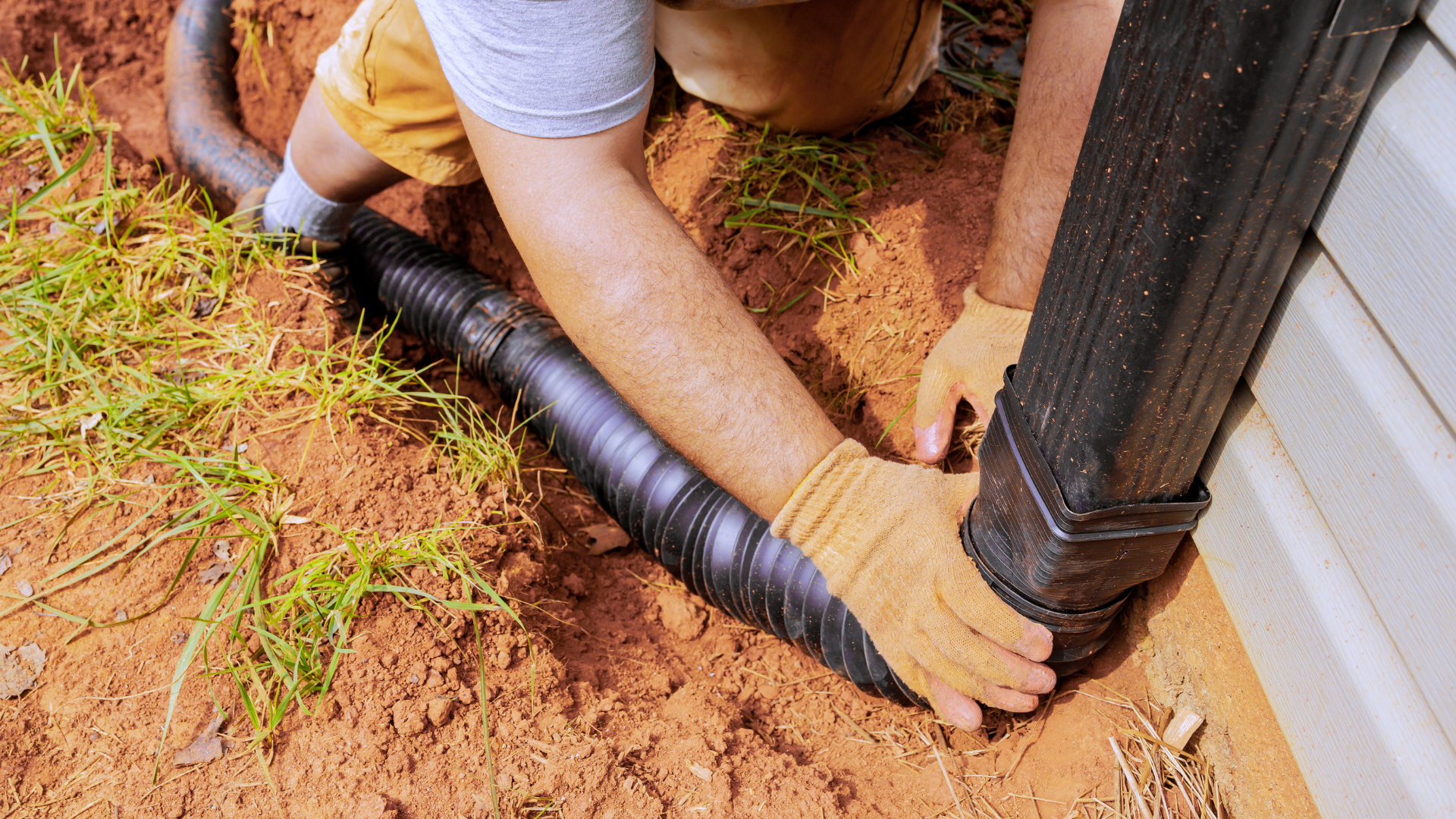
- Check whether downspouts empty into known drainage lines or release beside the foundation.
- Photograph the outer edge of recurring ponding after water recedes.
- Record whether water remains for hours, one day, or several days.
- Note whether the wet area begins at the surface, spreads downhill, or seems to rise from below.
- Inspect swales and paved runoff paths for settlement, debris, or obstacles.
- Keep children and pets away from flooded drains, eroded soil, and hidden depressions.
Avoid cutting random trenches simply to see what happens. An improvised path can send water toward a neighbor, road, septic system, well, or foundation, while excavation can damage utilities. If the source or destination is unclear, request an on-site assessment. Bring storm photos and timing notes because they reveal behavior that may not be visible on a dry day.
What Yard Drainage Preparation May Cost
Our current yard drainage pricing guide publishes planning ranges for common Shoreline improvements. These are genuine Drainage Pro of CT ranges, but not prices for every Madison property. Pipe length, depth, soil, access, elevation, discharge, restoration, and connected sources affect the scope. We provide exact written pricing after a free on-site assessment.
Maintenance may be enough when the layout is sound and debris, a damaged grate, or an obstructed outlet is the only failure. Redesign becomes more likely when the system lacks capacity, pitch, a workable outlet, or control of the true source. A low price is poor value if it only moves the puddle. Compare proposals by collection, route, outlet, and restoration.
| Potential scope | Our published planning range | Major cost factors |
|---|---|---|
| Simple regrading | $1,500 to $3,000 | Area, imported soil, access, finish restoration, and outlet |
| Catch basin with a short pipe run | $1,500 to $2,500 starting range | Basin size, pipe length, depth, outlet, and surface restoration |
| Madison dry well installation | $1,500 to $3,500 | Storage volume, soil percolation, seasonal water table, and connections |
| French drain system | $3,000 to $6,000 | Length, depth, soil, stone, filtration, pitch, and discharge |
| Coordinated yard drainage system | $5,000 to $10,000 or more | Multiple collection points, grading, long pipe runs, outlets, and restoration |
A Decision Framework for Yard Drainage Preparation
The most useful question is not “Which drain should I install?” It is “Which step in the water path is failing?” Follow the water from its source to the low area, through any inlet and pipe, and finally to its outlet. If one of those stages cannot be identified, the design is not ready.
Use this sequence to organize the decision:
- Identify the source. Separate direct rainfall, roof discharge, uphill runoff, shallow groundwater, and water from paved surfaces.
- Classify the water. Surface flow may call for grading, a swale, channel drain, or basin; subsurface flow may require a French or curtain drain.
- Locate the collection point. Place an inlet where water naturally arrives, not where installation is easiest.
- Confirm the route. Pipe must have appropriate capacity, continuous pitch, durable materials, and accessible maintenance points.
- Choose a workable outlet. Daylight discharge, a dry well, or an approved connection must perform in wet conditions.
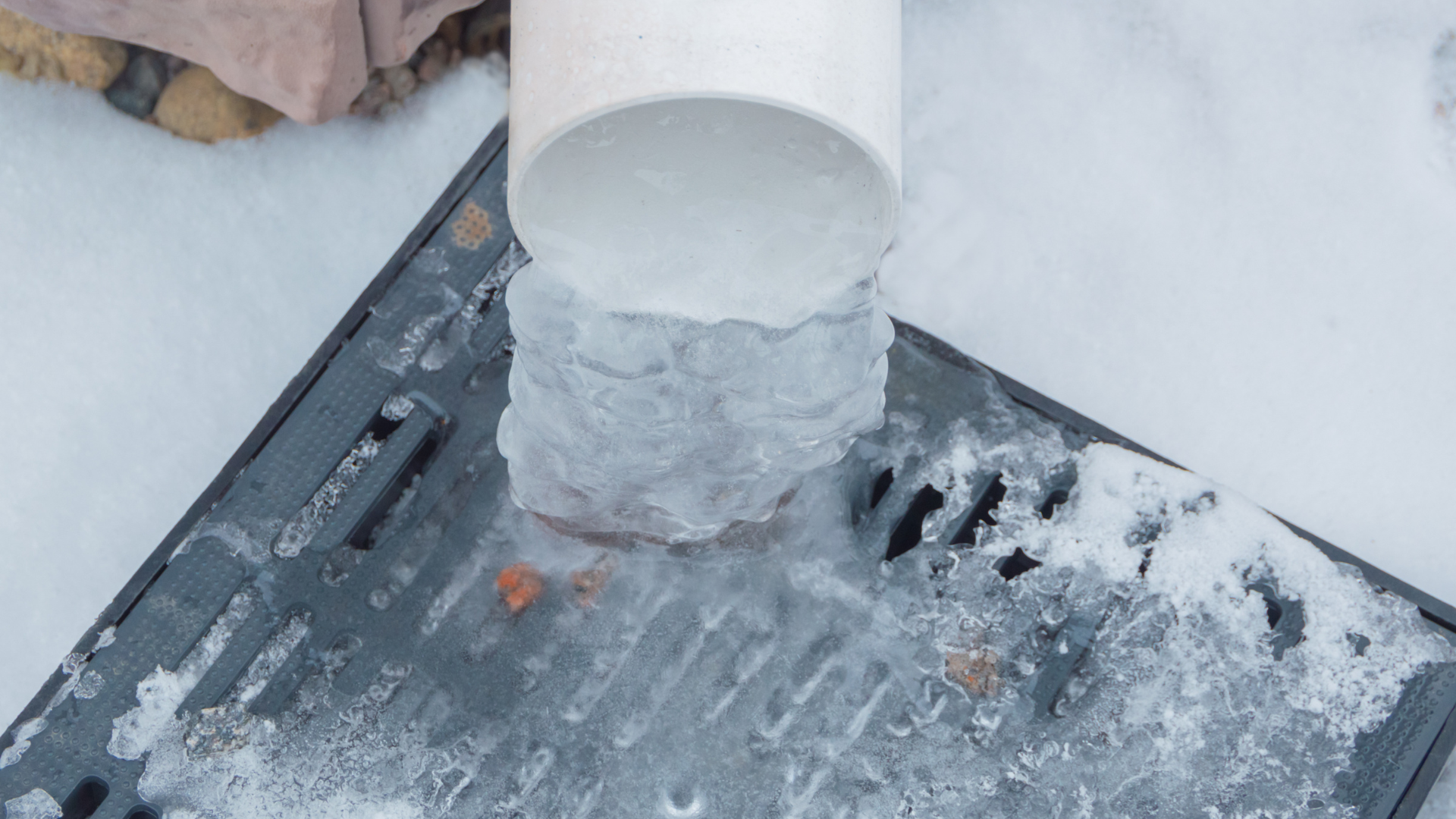
- Check downstream effects. The solution should not create erosion, icing, foundation pressure, or discharge onto neighboring land.
- Set the urgency. Water entering a structure, damaging access, creating unsafe ice, or causing active erosion deserves faster action than a temporary lawn puddle.
This framework also helps homeowners compare recommendations. Ask each contractor to explain the source, every component, the design volume, the outlet, and maintenance access. A proposal that names only a product leaves important questions unanswered. Our residential drainage services in Madison start with diagnosis so construction follows the property’s behavior.
Why Madison Properties Need a Site-Specific Plan
Madison’s coastal and inland properties can have very different constraints within the same town. A flat lot near Long Island Sound may need storage and infiltration because no practical downhill outlet exists, while a northern wooded parcel may need to intercept water arriving from higher terrain and reduce erosion velocity. Town-center properties may have hidden or abandoned drainage lines, settlement, mature roots, and hardscape added over decades. Yard drainage preparation must account for terrain, soil behavior, contributing area, existing infrastructure, and a lawful discharge destination.
The assessment must consider more than the visible wet patch. Roof area, pavement, neighboring slopes, foundation grade, wells, septic components, utilities, and winter access can change the design. We use storm evidence and an on-site evaluation to trace the route before recommending construction. That avoids solving today’s puddle while leaving an upstream source or downstream bottleneck untouched.
Prepare the Yard Before Saturation Becomes Standing Water
A wetter outlook is a reason to inspect, not a reason to panic. If your Madison yard already stays soft, a basin backs up, or runoff reaches the foundation, we can trace the source and show you which part of the route needs attention. Our recommendations may involve maintenance, regrading, a catch basin, a French drain, a dry well, or a coordinated system. The goal is a clear plan that works with your property rather than a generic product installed in the nearest wet spot.
Drainage Pro of CT provides free on-site assessments, clear written pricing, and a five-year workmanship warranty on our installations. We serve Madison and surrounding Connecticut Shoreline communities as a licensed and insured contractor under HIC#0706616. Call (860) 852-6270 or request a free drainage estimate before repeated winter rain makes an existing weakness harder to ignore. We will explain the source, route, outlet, and scope so you can make an informed decision.
Related Services and Resources
Yard drainage solutions in Madison
Residential drainage services in Madison
French drain installation in Madison