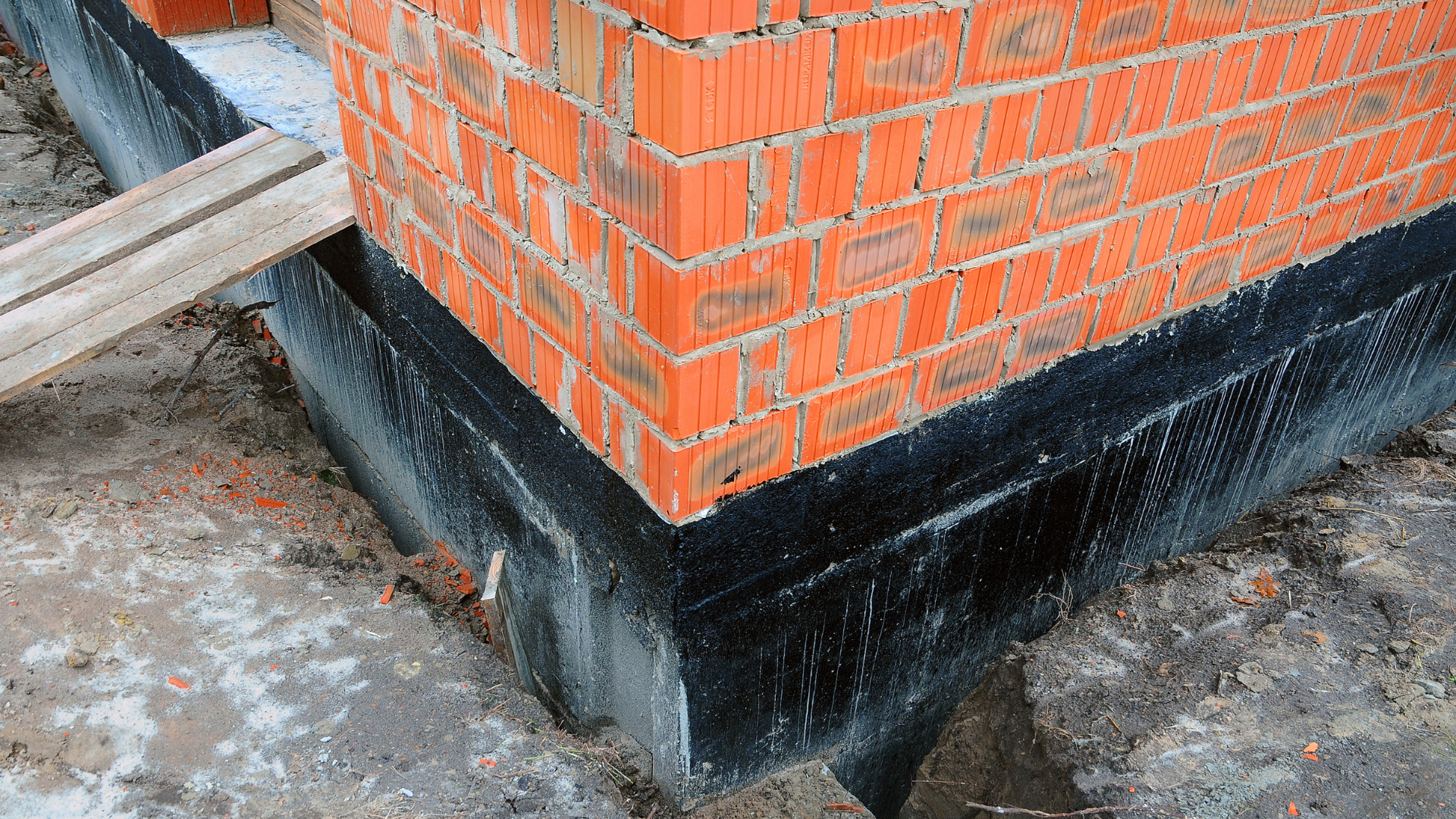
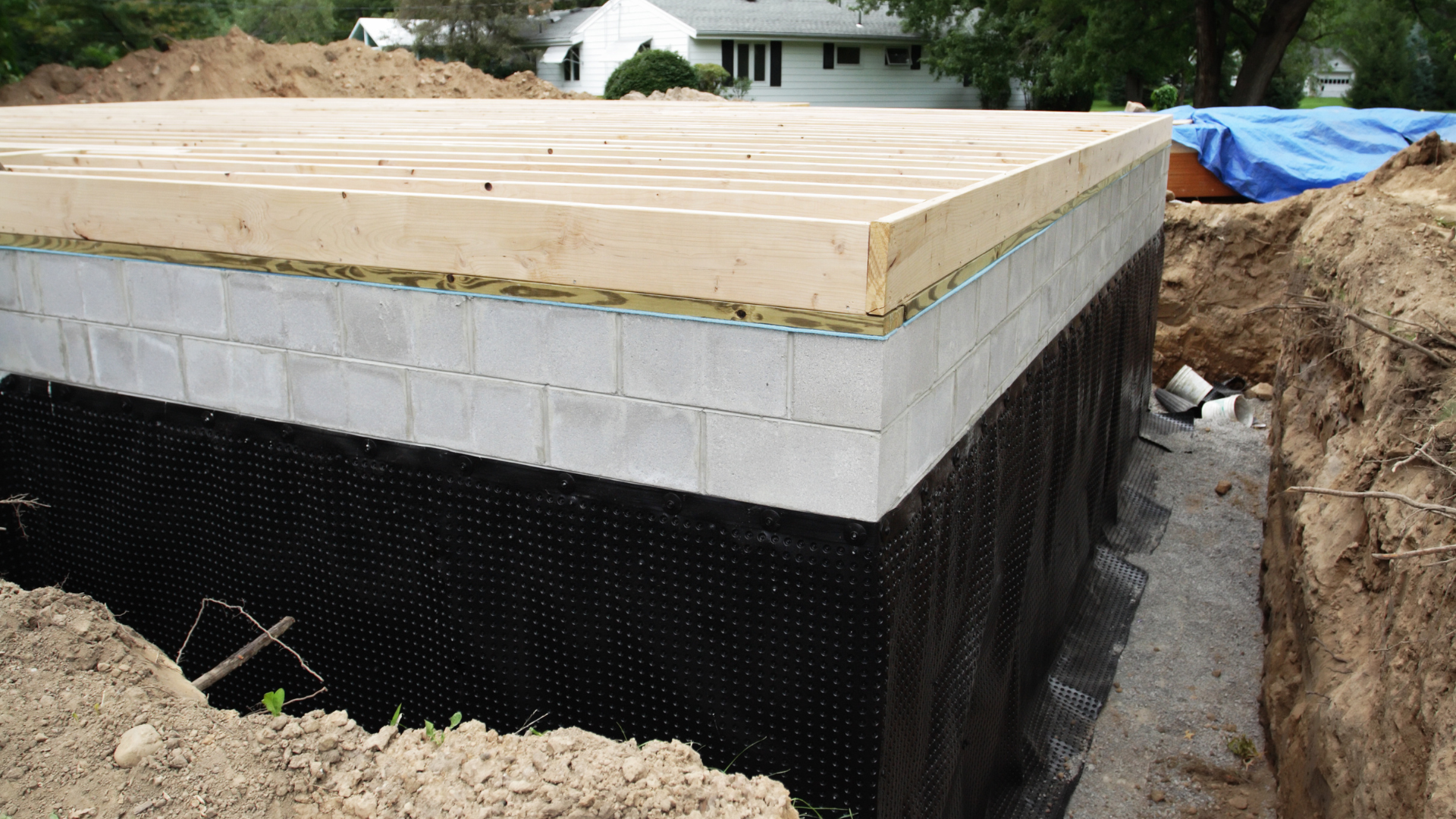
Why this mistake is so damaging: The excavated soil, particularly Connecticut's clay-heavy shoreline soil, has the same low permeability problem that likely contributed to the original drainage issue. Backfilling with this soil directly on top of the gravel and fabric system creates a dense, slow-draining cap that reduces the rate at which surface water can reach the drainage system below it. In clay soil, surface water sits on top of this backfill rather than percolating down into the French drain, which means the system never receives the water it was designed to manage.
The correct approach uses clean gravel as backfill above the fabric-wrapped drainage layer up to a point near the surface, with the final few inches restored with topsoil and seed or sod to blend with the surrounding landscape. This maintains permeability through the full depth of the installation rather than capping a functional drainage system with the same low-permeability soil that was part of the original problem.
Winter yard drainage problems develop when meltwater reaches soil, drains, and outlets that cannot release water fast enough. Frozen ground can reduce infiltration, while snowbanks, ice, leaves, and sediment redirect runoff. A grate may be open while the pipe is blocked, and a buried line may hold water at the wrong pitch. Effective yard drainage in Madison, CT begins by tracing the complete route instead of treating the newest puddle.
Coastal and inland Madison properties respond differently to winter water. Shoreline lots may have little natural fall and a high seasonal water table, while northern terrain can send runoff downhill over frozen soil. Drainage Pro of CT designs yard drainage solutions in Madison around the source, route, collection point, and outlet. This guide explains what homeowners can observe safely, which failures need attention, and how to choose a correction that works after the thaw.
Why Frozen Ground Changes the Way Water Moves
Unfrozen soil contains connected pores that may accept rainfall and meltwater until the soil reaches saturation. When water in those pores freezes, the available pathways can narrow and surface infiltration may slow sharply. USDA Agricultural Research Service guidance on freezing and thawing processes explains that soil ice can reduce permeability and increase runoff and erosion. The exact response still depends on soil moisture, frost depth, snow cover, texture, and the speed of the thaw.
This is why the same Madison low spot may behave differently from one winter event to the next. Slowly melting snow over partly thawed soil may infiltrate, while rapid warming or rain on frozen ground can create surface flow. USGS research on frozen soil and snowmelt runoff also shows that frost effects vary with site and event conditions rather than following one simple rule. A drainage assessment should use property evidence instead of assuming every frozen yard is impermeable.
What Happens When Snowmelt Arrives Faster Than the Yard Can Drain
Snow stores water across the property and releases it according to temperature, sun, rain, roof runoff, and wind. South-facing areas may melt while shaded ground and buried pipes remain frozen. The result is an uneven water load that can expose low grading, blocked inlets, undersized collection points, and poor outlets.
Common winter failure patterns include:
- Water ponds over frozen soil: Meltwater reaches a depression faster than the surface can release it.
- Snowbanks block the normal route: Plowed or shoveled snow creates a temporary berm across a swale, driveway edge, or drain inlet.
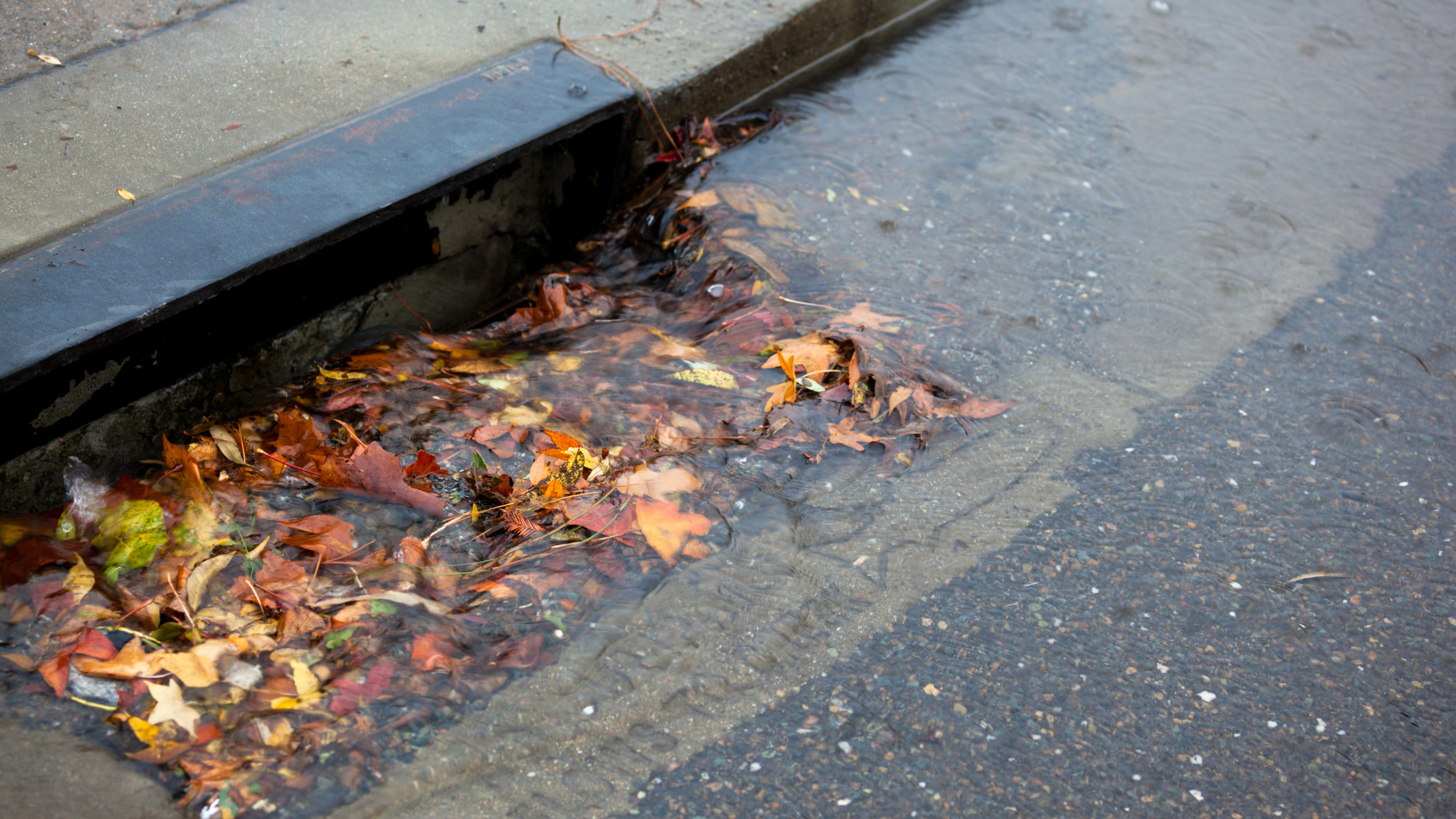
- A grate freezes over: Meltwater cannot reach the basin even when the pipe below remains open.
- A pipe contains trapped water: Poor pitch or settlement allows water to freeze in the line.
- The outlet is buried or iced shut: A functional inlet cannot drain when the discharge point is blocked.
- Roof runoff joins the thaw: Downspouts add concentrated water to snowmelt-soaked soil.
- Water refreezes after sunset: Daytime flow becomes overnight ice on lawns, walks, driveways, or building edges.
| Winter observation | Likely failed step | Useful next check |
|---|---|---|
| Puddle forms above a low lawn area | Collection or surface grade | Locate the actual low point |
| Water surrounds a clear grate | Ice or blockage below the inlet | Inspect basin, pipe, and outlet |
| Drain works briefly, then stops | Frozen low section or outlet | Check pitch and discharge condition |
| New ponding appears behind snowbank | Surface route is obstructed | Open a safe flow path |
| Water moves toward the foundation | Grade or discharge is misdirected | Trace roof and yard contributions |
| Ice forms at the pipe outlet | Discharge retains or refreezes water | Evaluate outlet elevation and exposure |
A Frozen Yard Drain Is Often an Outlet Problem
The visible drain is only the collection point. Water still needs an underground pipe with dependable pitch and a discharge location that remains available during cold weather. If the line sags, terminates in saturated soil, or ends where plowed snow accumulates, the system can back up even when the grate is clean. Pouring hot water into the inlet may create a temporary opening without correcting the condition that caused the freeze.
Drainage Pro evaluates the basin, pipe, fittings, slope, and outlet as one system. A flat Madison lot may need a dry well, while a sloped inland property may discharge safely to daylight where permitted. Lines that retain water may need pitch correction, repair, or replacement instead of repeated thawing. That complete route must remain available during the melt. The outlet must accept water at the same time the inlet collects it.
Standing Water in Winter Can Create More Than a Wet Lawn
Winter standing water can refreeze into a walking or driving hazard, saturate plant roots, erode soil during the next melt, and move toward structures. It can also hide the depth and edge of a depression under thin ice. Homeowners should observe from stable ground and avoid breaking ice over an unknown hole, basin, or channel.
Watch for these higher-priority conditions:
- Water or ice repeatedly reaching the foundation.
- Ponding across a driveway, walk, steps, or used route.
- Flow entering a garage, window well, crawlspace, or doorway.
- Erosion carrying soil toward a neighbor, road, wetland, or watercourse.
- A retaining wall area that stays saturated.
- A drain backing up immediately when snow begins melting.
- Standing water near electrical equipment or utilities.
- Frozen discharge creating ice on a sidewalk or public travel area.
Do not enter standing water when electrical contact is possible. Clear leaves and loose snow only when the inlet is safely accessible, and avoid tools that may damage components. If water is approaching the home or creating a hazard, document the flow and request an assessment. The timing and route can make diagnosis faster.
Madison Properties Can Fail in Different Ways
Flat coastal Madison lots may lack a reliable downhill discharge path, so collection without adequate storage or percolation simply moves the puddle underground. Central neighborhoods can have settled grade, older pipes, patios, and landscape changes that redirect water from its original route. Northern and inland parcels may receive both surface runoff and subsurface flow from higher wooded terrain. Each pattern requires a different combination of interception, collection, conveyance, and discharge.
The same differences appear across Guilford, Clinton, Killingworth, and Westbrook. Sandy coastal soil can drain quickly in ordinary conditions yet become limited when the seasonal water table rises, while heavier inland soil may release water slowly after saturation. A curtain drain in Madison may intercept water arriving from uphill, but it will not replace a catch basin needed for surface ponding at a low point. Local geography informs the diagnosis, but the observed water path decides the solution.
Diagnose the Source, Route, Collection Point, and Outlet
A reliable drainage plan follows water from beginning to end. The source may be snowmelt, roof runoff, higher terrain, groundwater, a sump discharge, or several contributions arriving together. The route is the grade or subsurface path the water follows, while the collection point and outlet determine whether the system can move that volume away. Correcting only one step can leave the same winter failure elsewhere.
Photographs during the thaw are useful because dry-weather inspections cannot recreate every flow line. Mark the edge of ponding, note the time and temperature, and record which drain or outlet stopped working first. Connecticut DEEP advises that drainage, grading, excavation, and discharge work near inland wetlands and watercourses may require municipal review. A complete assessment should therefore consider both hydraulic performance and where the water may legally and safely go.

| Diagnostic step | Question to answer | Why it matters |
|---|---|---|
| Source | Where is the water coming from? | Controls volume and timing |
| Route | How does water cross the property? | Reveals grade and interception needs |
| Collection | Where should water enter the system? | Determines basin, channel, or drain location |
| Conveyance | Can the pipe maintain flow and pitch? | Prevents retained water and backup |
| Outlet | Where can collected water discharge? | Determines whether the system can complete the route |
| Maintenance | What can clog, settle, or freeze later? | Keeps the design serviceable |
Match the Yard Drainage Solution to the Failed Step
No single product solves every winter drainage problem. A catch basin collects surface water at a low point, while a French drain addresses subsurface saturation. Grading changes the surface route, and a curtain drain intercepts water before it reaches the problem area. The solution may use several components when snowmelt, roof runoff, and groundwater overlap.
Possible corrections include:
- Cleaning or repair when sediment, leaves, broken pipe, or basin damage restricts an otherwise sound route.
- Grading or regrading when the ground sends surface water toward a low area or building.
- Catch basins where runoff predictably collects at a defined surface low point.
- Channel drains where water sheets across a driveway or paved entrance.
- French drains where subsurface water keeps soil saturated after surface puddles disappear.
- Curtain drains where water arrives from uphill terrain.
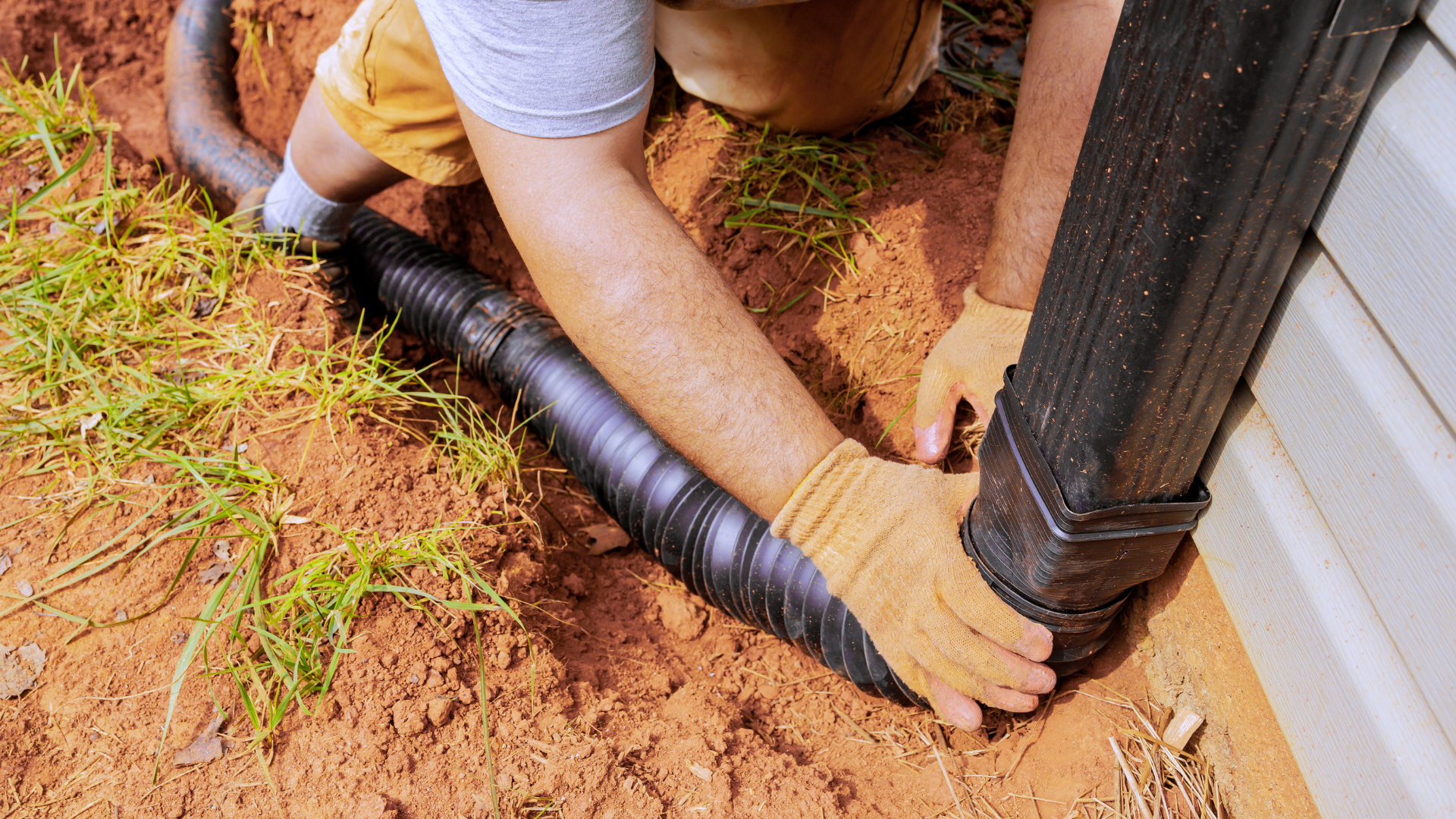
- Underground downspout drainage when roof water is adding concentrated flow to the winter problem.
- Dry wells where a flat lot lacks a daylight outlet and soil supports infiltration.
- Combined systems when collection, conveyance, and discharge all need improvement.
The best installation is not the longest trench or the largest basin. It is the system sized and positioned for the actual drainage area, soil, slope, seasonal water table, and outlet. Madison yard grading should establish a destination before soil is moved, and pipe systems should be planned from the outlet back to the inlet. This sequence prevents a new system from sending water to another unusable low point.
Use a Decision Framework Before Winter Drainage Work
Start with urgency, then identify which step is failing. Active water entering a structure, electrical exposure, dangerous ice, or major erosion deserves a faster response than a temporary puddle in an unused lawn area. Permanent work should still wait until the route, outlet, soil, and regulatory conditions are understood.
Use this framework:
- Clear and observe when loose snow, leaves, or surface debris is safely blocking a known inlet.
- Repair the existing system when a basin, pipe, fitting, or outlet is damaged or retains water.
- Correct the grade when surface water consistently moves toward the home or a recurring low spot.
- Add collection when runoff reaches a defined point but has no inlet.
- Intercept uphill flow when water enters from higher terrain before reaching the wet area.
- Separate roof runoff when downspouts overload the same soil and drainage route during a thaw.
- Improve the outlet when the inlet and pipe work but the discharge point cannot accept water.
- Request wetlands review before regulated excavation, grading, or discharge work.
- Monitor first when the event is isolated, causes no damage, and the system drains after conditions normalize.
We use this process because standing water is the result, not always the original failure. Inspection may show that maintenance is enough or reveal a collapsed pipe, poor pitch, undersized dry well, negative grade, or missing outlet. The recommendation should name the failed step and expected outcome. That makes the scope easier to compare and maintain.
Current Drainage Pro Pricing and Scope Factors
Drainage Pro publishes current planning ranges for Madison residential drainage work. A catch basin with a short pipe run is generally
$1,500 to $2,500, French drain systems are typically
$3,000 to $6,000, Madison dry wells are
$1,500 to $3,500, and comprehensive systems combining multiple components may be
$5,000 to $10,000 or more.
Yard grading in Madison typically runs
$2,000 to $5,500, while exact maintenance or repair pricing follows inspection. We provide a
free onsite assessment and written recommendation, and qualifying installations include our published five-year workmanship warranty.
| Drainage Pro solution | Published planning range | Main scope factors |
|---|---|---|
| Catch basin with short pipe run | $1,500 to $2,500 | Basin, pipe, outlet, and restoration |
| French drain system | $3,000 to $6,000 | Length, depth, soil, access, and discharge |
| Madison dry well | $1,500 to $3,500 | Capacity, percolation, connections, and excavation |
| Yard grading or regrading | $2,000 to $5,500 | Area, material, finish grade, and outlet |
| Comprehensive yard system | $5,000 to $10,000 or more | Multiple components and site complexity |
| Onsite assessment | Free | Source tracing and written recommendation |
Build a Winter Drainage Route That Works From Start to Finish
Winter exposes drainage systems that collect water without giving it a dependable way out. Drainage Pro of CT traces the source, grade, basin, pipe, and outlet before recommending cleaning, repair, grading, a French drain, a catch basin, a curtain drain, downspout drainage, or a dry well. We also explain when wetlands review or another specialist belongs in the plan. The goal is a complete route that performs during rain, snowmelt, and changing ground conditions.
If frozen ground and snowmelt repeatedly leave water standing on your Madison property, arrange an assessment while the flow pattern is still documented. Review our Madison yard drainage solutions or request a free estimate through our residential drainage page. We serve Madison, Guilford, Clinton, Killingworth, Westbrook, and nearby Connecticut Shoreline communities. Our licensed and insured team works under HIC#0706616 and provides exact written pricing for the inspected scope.
Related Services & Pages
Yard Drainage Solutions in Madison
Residential Drainage Services in Madison
Yard Grading and Regrading in Madison