The comparison is important because
underground downspout drainage is one of the most correctable exterior moisture sources we find on Madison properties. Drainage Pro of CT specifically notes that many flat coastal homes can resolve foundation-moisture conditions by fixing downspout discharge before moving into more extensive waterproofing. The diagnosis should start at the roofline and follow the water all the way to its final outlet.
When Underground Downspout Drainage Is the Better Fix
The Downspout Ends Right Beside the Foundation
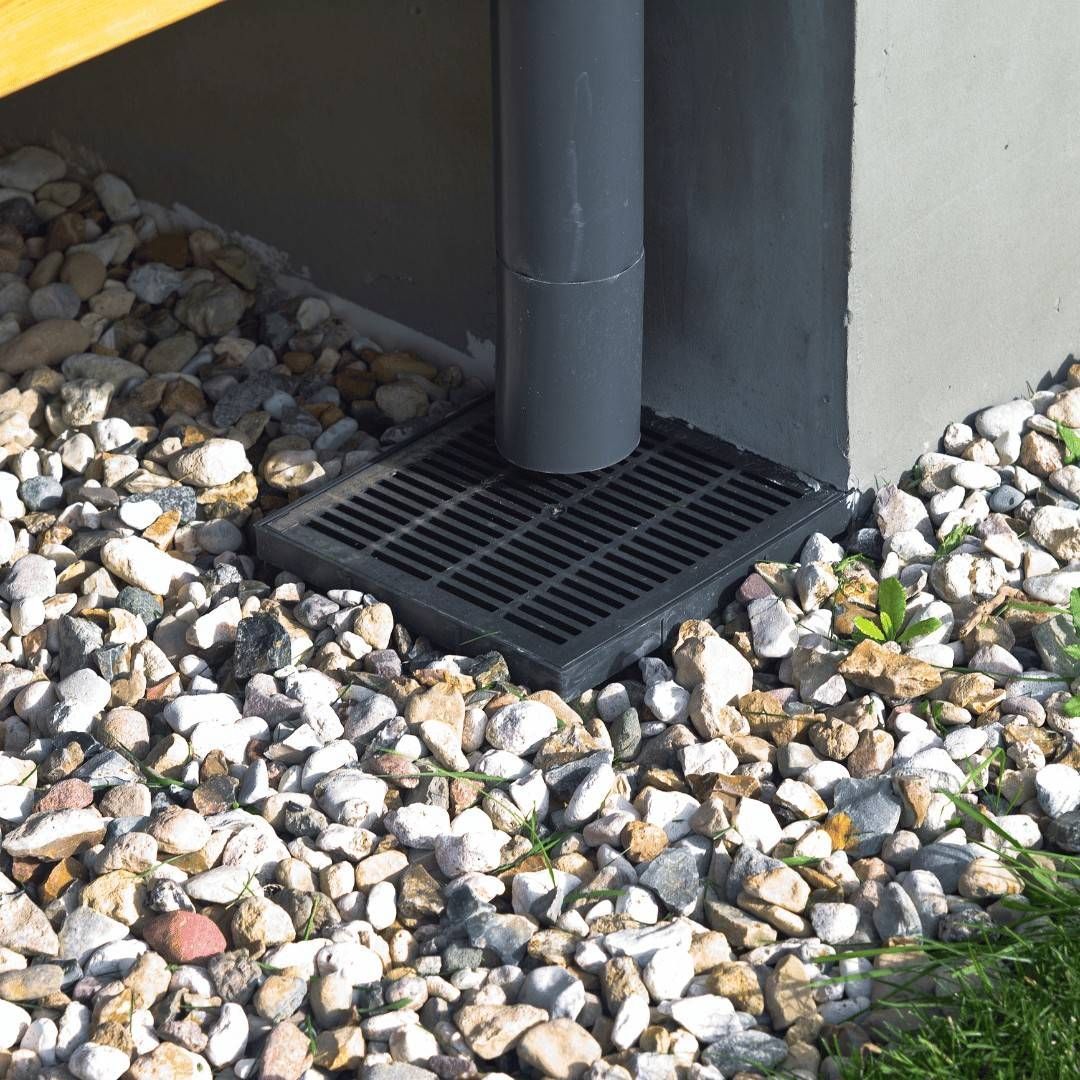
A gutter system can be working perfectly and still create a foundation problem if the last few feet are handled poorly. Water leaving the downspout at grade can saturate the same strip of soil beside the wall during every storm. Routing that water underground through smooth-wall PVC moves the concentrated discharge away from the building permanently.
Water Pools Below One or More Downspouts
Visible pooling below the outlet is a strong sign that the soil cannot absorb the roof water fast enough. On flat East Wharf and West Wharf lots, there may be almost no natural surface slope to move the water elsewhere. Underground drainage gives the water a controlled route to a safe outlet, dry well, or other discharge point.
The Foundation Problem Appears Only During Major Rain
If the basement or lower wall becomes damp only when the roof is sending large amounts of water through the downspouts, that timing matters. The moisture may be driven by concentrated roof runoff rather than a foundation wall that is failing continuously. Correcting the downspouts first is usually the more direct and less invasive test.
Several Leaders Along One Wall Are Feeding the Same Area
Larger Madison homes can have several downspouts along one foundation wall, especially around Neck Road and other estate-scale properties. Drainage Pro of CT can combine those outlets into a shared underground trunk line that carries the water to one planned discharge point. That approach reduces repeated saturation along the entire foundation perimeter.
When Exterior Foundation Waterproofing Is the Better Fix
The Wall Stays Damp Even After Downspouts Are Corrected
If the roof water is already being carried away and the foundation still stays damp, the source is probably deeper than the gutter system. Groundwater may be pressing against the wall from below grade, especially on flat shoreline properties with a seasonally high water table. That is where
exterior foundation waterproofing becomes more appropriate.
Water Is Entering Through the Foundation Wall
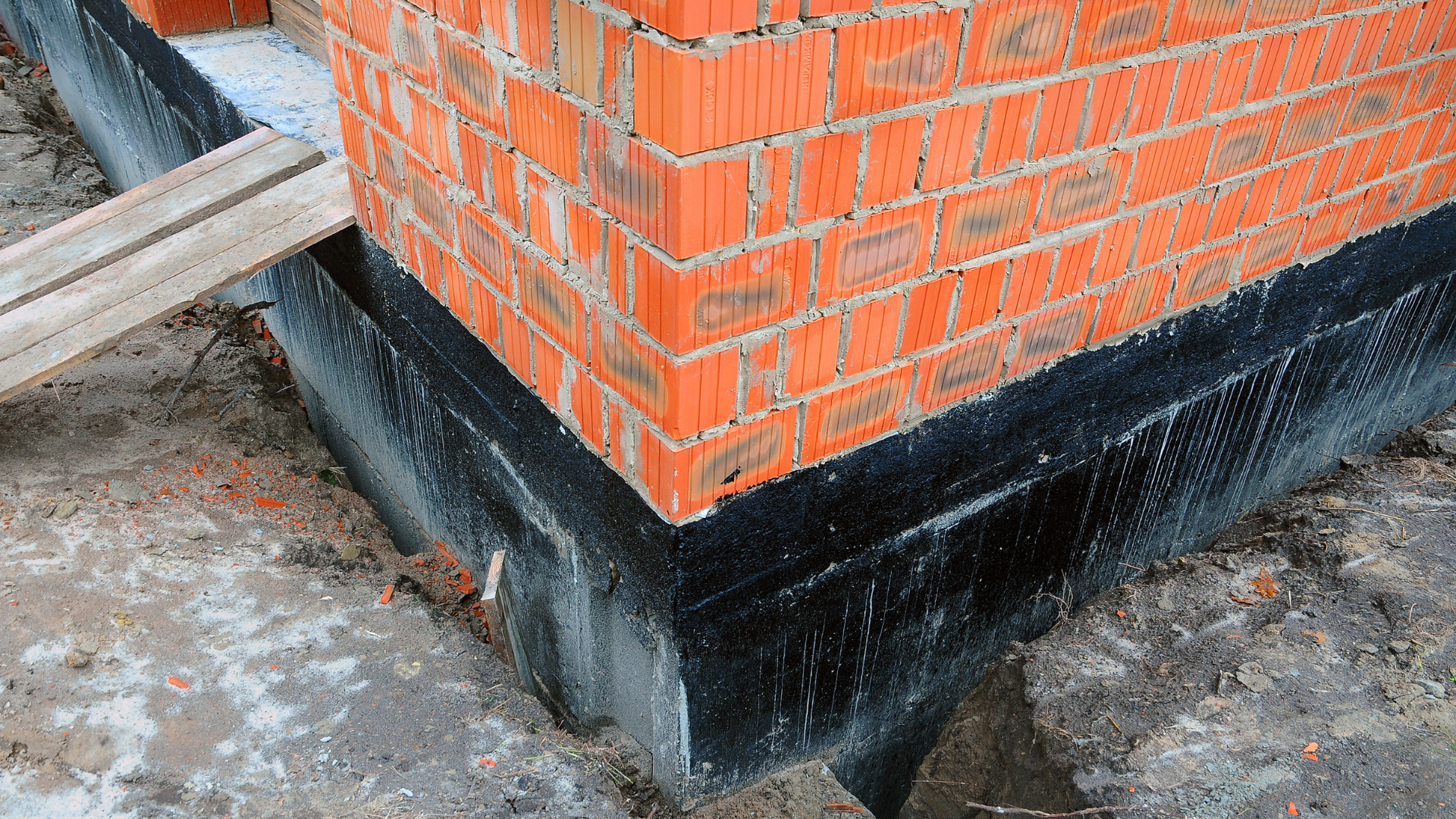
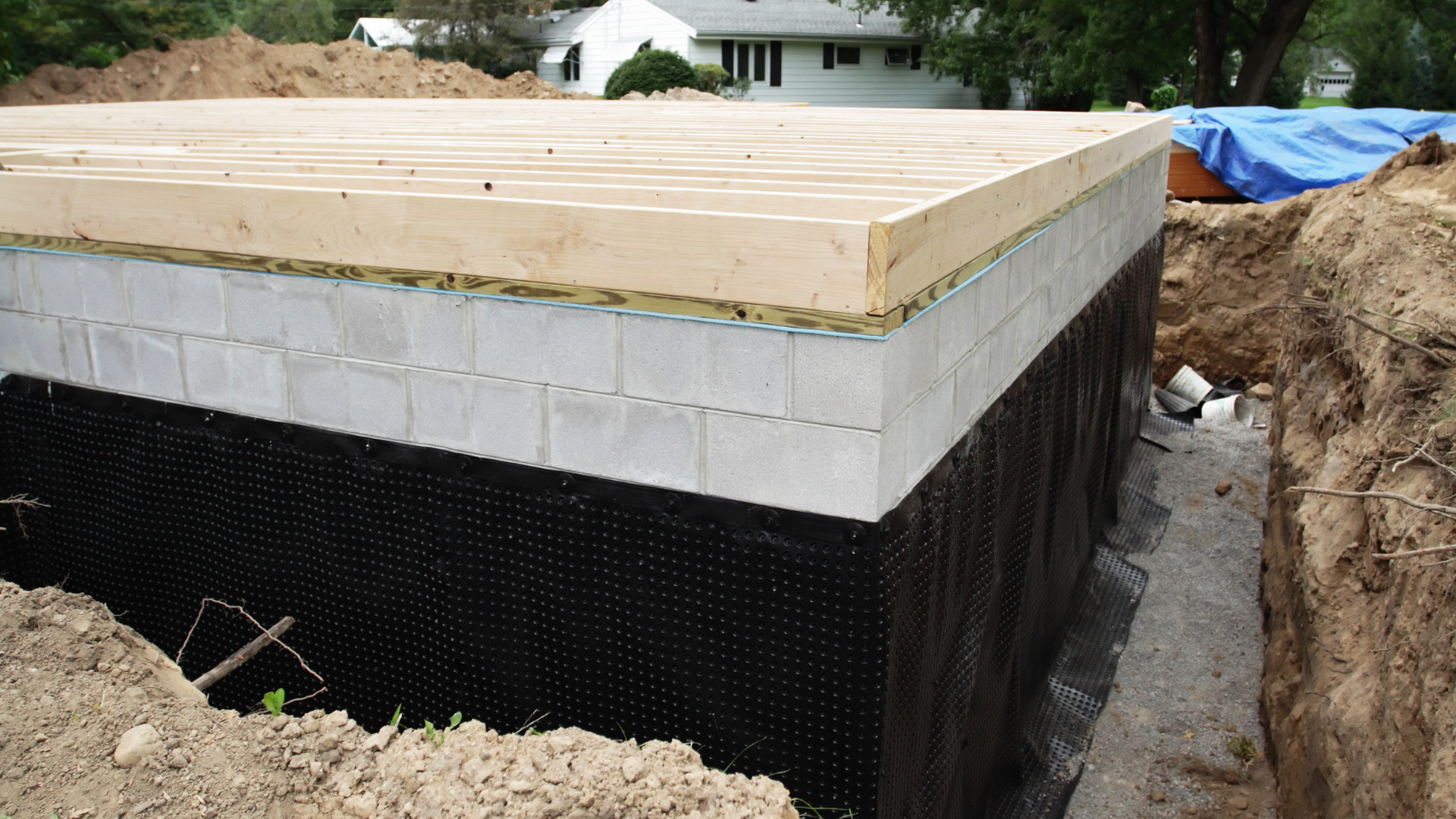
Moisture coming through masonry, cracks, penetrations, or the wall-floor joint indicates that water is reaching the foundation assembly itself. Moving roof runoff away can reduce the load, but it may not be enough if groundwater remains against the wall. Waterproofing treats the wall from the outside, where the water pressure begins.
Efflorescence Keeps Returning
White mineral deposits on masonry are a sign that moisture has been moving through the material and evaporating at the surface. One patch does not automatically mean a full waterproofing project is needed, but repeated efflorescence after simpler drainage corrections deserves closer investigation. The wall should not stay chronically wet if the exterior water load is under control.
The Property Has Persistent Hydrostatic Pressure
Madison's flat coastal areas can experience seasonal groundwater that stays high enough to keep soil saturated around the foundation. Downspout drainage removes one major water source, but it cannot eliminate groundwater that is already present below grade. Drainage Pro of CT's
Madison foundation waterproofing service is designed for those persistent conditions.
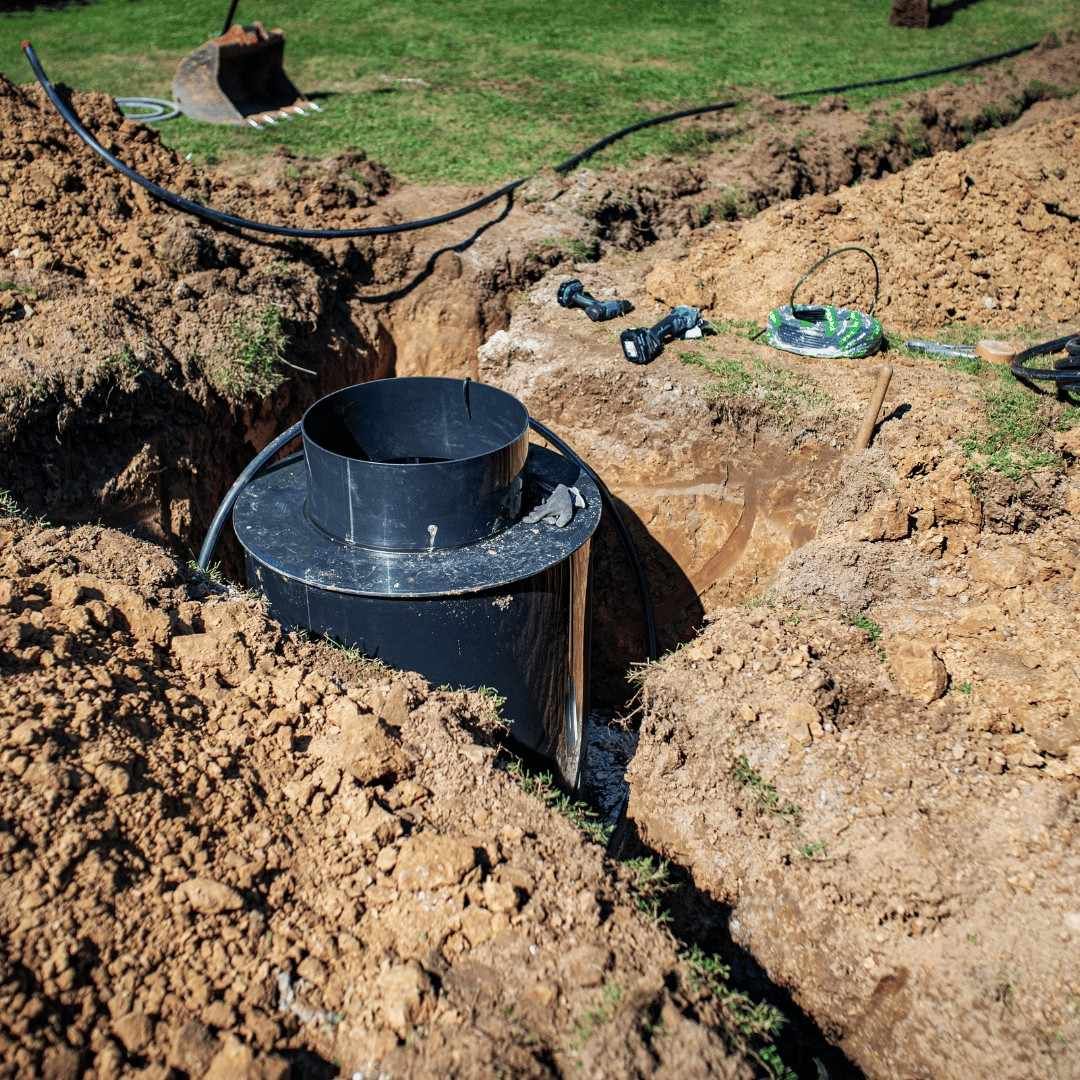
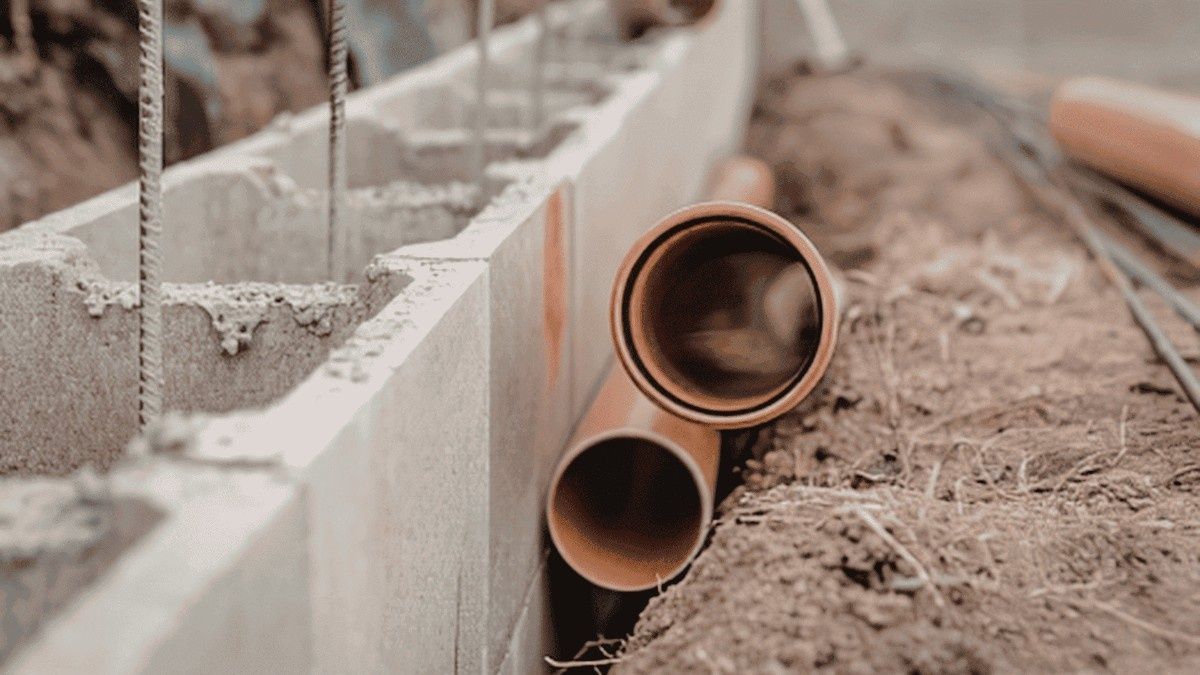
Drainage Pro of CT uses smooth-wall PVC pipe to connect each downspout to a permanent underground route. The pipe is installed at the correct slope and carried to a planned discharge point away from the building. Smooth-wall pipe maintains consistent flow and is less likely to collect sediment than flexible corrugated pipe.
Shared Trunk Lines
When several downspouts serve the same side of a home, individual extensions can connect into one larger trunk line. This is especially useful on long Madison rooflines where multiple leaders otherwise discharge into the same narrow strip of soil. A single planned outlet can be easier to manage than several separate surface discharges.
Dry Wells for Flat Coastal Lots
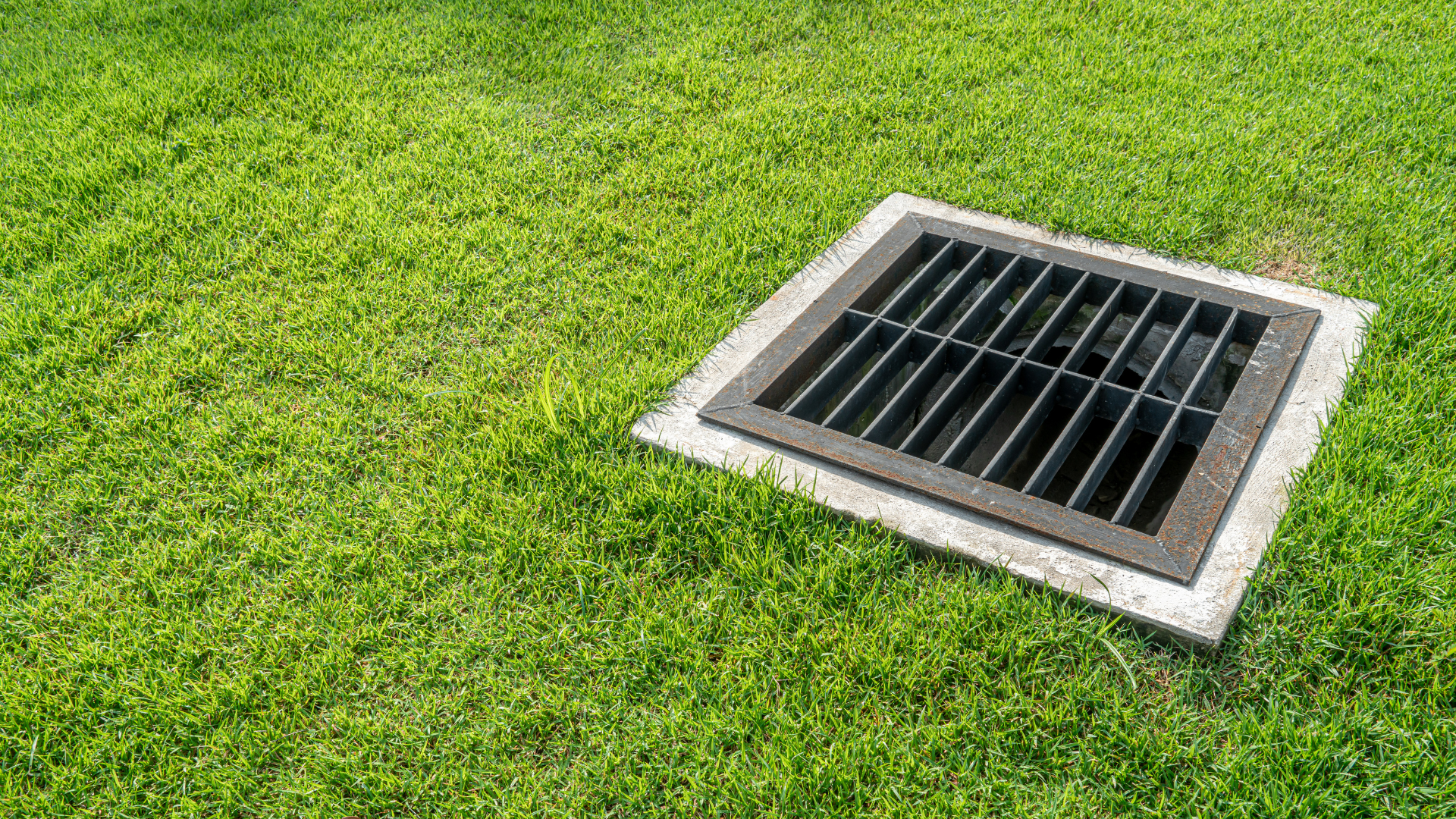
Some Madison homes do not have a downhill outlet where the pipe can daylight. In those cases, a dry well can receive the roof runoff and allow it to percolate underground at a safer distance from the foundation. Madison's sandier coastal soils can make this approach practical on many East Wharf, West Wharf, and Madison Center properties.
How the Decision Changes Across Madison Neighborhoods
East Wharf
East Wharf's flat terrain makes short downspout extensions especially weak because there is often no natural slope carrying the water away. Underground drainage can be one of the most cost-effective first fixes when the problem starts directly beneath the roof outlets. Foundation waterproofing becomes more likely only when moisture persists after that concentrated roof water has been redirected.
West Wharf
West Wharf has similar coastal conditions, with flat lots and seasonal groundwater making it important to separate roof runoff from deeper foundation pressure. A downspout system may need a dry well because there is no practical downhill discharge point. If the wall remains damp even after the roof water is moved away, the diagnosis shifts toward waterproofing.
Madison Center
Madison Center includes older homes where downspouts may have been added, shortened, or redirected over time as landscaping and hardscaping changed. A downspout that once discharged onto a useful slope may now empty beside a patio, planting bed, or settled grade that sends water back toward the house. Correcting the underground route can often solve the problem without excavating the foundation.
Why the Final Discharge Point Matters
Moving water underground only works if the pipe carries it somewhere that will not create a new drainage problem. The U.S. Department of Energy recommends discharging roof water to a sloping finish grade farther from the foundation or to an underground catchment system where needed.
U.S. Department of Energy foundation drainage guidance The destination is just as important as the pipe itself.
Drainage Pro of CT recommends routing downspout discharge at least 10 to 20 feet from the foundation where site conditions allow. The final outlet still has to respect property lines, neighboring lots, wetlands, and the way water moves across the land. A proper design gets roof water off the property or into an appropriate infiltration system rather than simply relocating the puddle.
Moisture Control Is a Whole-System Problem
EPA moisture-control guidance also emphasizes keeping rainwater away from the foundation perimeter, checking roof drain leaders, and using site drainage to keep below-grade walls drier.
EPA Moisture Control Guidance Gutters, downspouts, grade, foundation drainage, and waterproofing work best when they are treated as parts of the same water-management system.
What Do Downspout Drainage and Foundation Waterproofing Cost in Madison?
Drainage Pro of CT publishes current Madison pricing for both services. Underground downspout drainage installations typically cost
$1,000 to $2,500, while exterior foundation waterproofing typically costs
$4,000 to $8,500 for residential properties. These are current Drainage Pro planning ranges, not fixed prices for every Madison home.