Why this mistake is so damaging: The excavated soil, particularly Connecticut's clay-heavy shoreline soil, has the same low permeability problem that likely contributed to the original drainage issue. Backfilling with this soil directly on top of the gravel and fabric system creates a dense, slow-draining cap that reduces the rate at which surface water can reach the drainage system below it. In clay soil, surface water sits on top of this backfill rather than percolating down into the French drain, which means the system never receives the water it was designed to manage.
The correct approach uses clean gravel as backfill above the fabric-wrapped drainage layer up to a point near the surface, with the final few inches restored with topsoil and seed or sod to blend with the surrounding landscape. This maintains permeability through the full depth of the installation rather than capping a functional drainage system with the same low-permeability soil that was part of the original problem.
Water collecting around a Madison foundation does not automatically mean the foundation needs to be excavated and waterproofed. On many properties, the real problem is negative grading, settled soil, or a flat lot that allows surface water to move toward the house instead of away from it. The right fix depends on whether the water is coming across the surface or building pressure against the foundation from below grade.
Drainage Pro of CT is based in Clinton and serves Madison as part of its 13-town Connecticut Shoreline service area. We work exclusively on exterior drainage, so our first step is to trace where the water starts, how it moves across the property, and why it reaches the building. For foundation waterproofing Madison CT homeowners, that diagnosis matters because regrading can solve some foundation-water problems for far less than full exterior waterproofing.
Why Madison Homes Can Have Both Grading and Foundation Water Problems
Madison changes quickly from flat coastal lots near East Wharf and West Wharf to more varied terrain farther inland around Neck Road and northern neighborhoods. Coastal properties can have very little natural fall, while older homes may have soil that settled over decades and gradually reversed the original slope away from the foundation. Inland properties can have the opposite problem, where runoff moves downhill toward the house from a higher part of the lot.
The U.S. Department of Energy recommends that finished grade slope away from the foundation to move stormwater away from below-grade walls and footings. Its building-science guidance uses a minimum target of about 0.5 inch of fall per foot for 10 feet where site conditions allow. U.S. Department of Energy grading guidance
Foundation Waterproofing or Regrading? Start With the Water Source
Regrading treats surface-water direction, while exterior waterproofing treats water pressing against or moving through the foundation wall. Some homes need only one of those services, while others need grading plus a footing drain, dry well, catch basin, or another discharge solution. The comparison below shows where each approach usually fits.
| Condition | Regrading Usually Makes Sense | Foundation Waterproofing Usually Makes Sense |
|---|---|---|
| Soil slopes toward the house | Yes | Not as the first fix |
| Water pools at foundation after rain | Often | If deeper moisture persists |
| Settled grade around older home | Yes | Only if wall remains wet |
| Raised beds redirect water inward | Yes | Usually not first |
| Damp wall after every wet period | Maybe part of solution | Often |
| Efflorescence on foundation wall | Sometimes | Often |
| Water enters through wall cracks | Limited | Often |
| High seasonal groundwater | Limited | Often |
| Persistent hydrostatic pressure | No | Yes |
| Flat lot with no outlet | Regrading plus discharge | May still be needed |
The most expensive option is not automatically the right option. Drainage Pro of CT's Madison waterproofing page specifically notes that downspout corrections and perimeter grading solve many coastal foundation-moisture problems without full waterproofing. That is why we diagnose before we dig.
When Yard Regrading Is the Better Fix
The Yard Slopes Toward the Foundation
If the soil visibly falls toward the house, rainwater is being directed exactly where you do not want it. Yard grading Madison CT work reshapes that surface so water moves away from the building and toward a planned discharge point. This can be enough when the foundation itself is sound and the moisture problem is being created primarily by surface runoff.
The Grade Settled Over Time
Older Madison homes can lose the positive slope that existed when the property was first built. Fill soil settles, foot traffic compacts the surface, and landscape changes can gradually flatten or reverse drainage direction. Regrading restores that slope without excavating the full foundation wall.
Landscaping Changed How Water Moves
Raised planting beds, patios, walkways, retaining walls, and new lawn areas can redirect water toward the building even when the original site drained correctly. In those cases, waterproofing the wall would not correct the surface-flow mistake. The first step is to restore a drainage path that carries water away from the foundation.
The Water Problem Is Mostly at the Surface
If you see water pooling near the wall after storms but the basement or crawlspace stays mostly dry once the yard drains, regrading may be the more direct solution. The grade may still need to connect to a swale, catch basin, dry well, or other outlet depending on the property. On a flat coastal lot, simply building a slope without giving the water somewhere to go can move the problem instead of solving it.
When Exterior Foundation Waterproofing Is the Better Fix
The Foundation Wall Stays Damp After the Surface Dries
Surface water can disappear while the soil against the foundation remains saturated. If the wall stays damp, shows repeated staining, or develops efflorescence after wet periods, deeper groundwater pressure may still be present. That is where exterior foundation waterproofing becomes more relevant.
Water Is Moving Through the Wall or Floor-Wall Joint
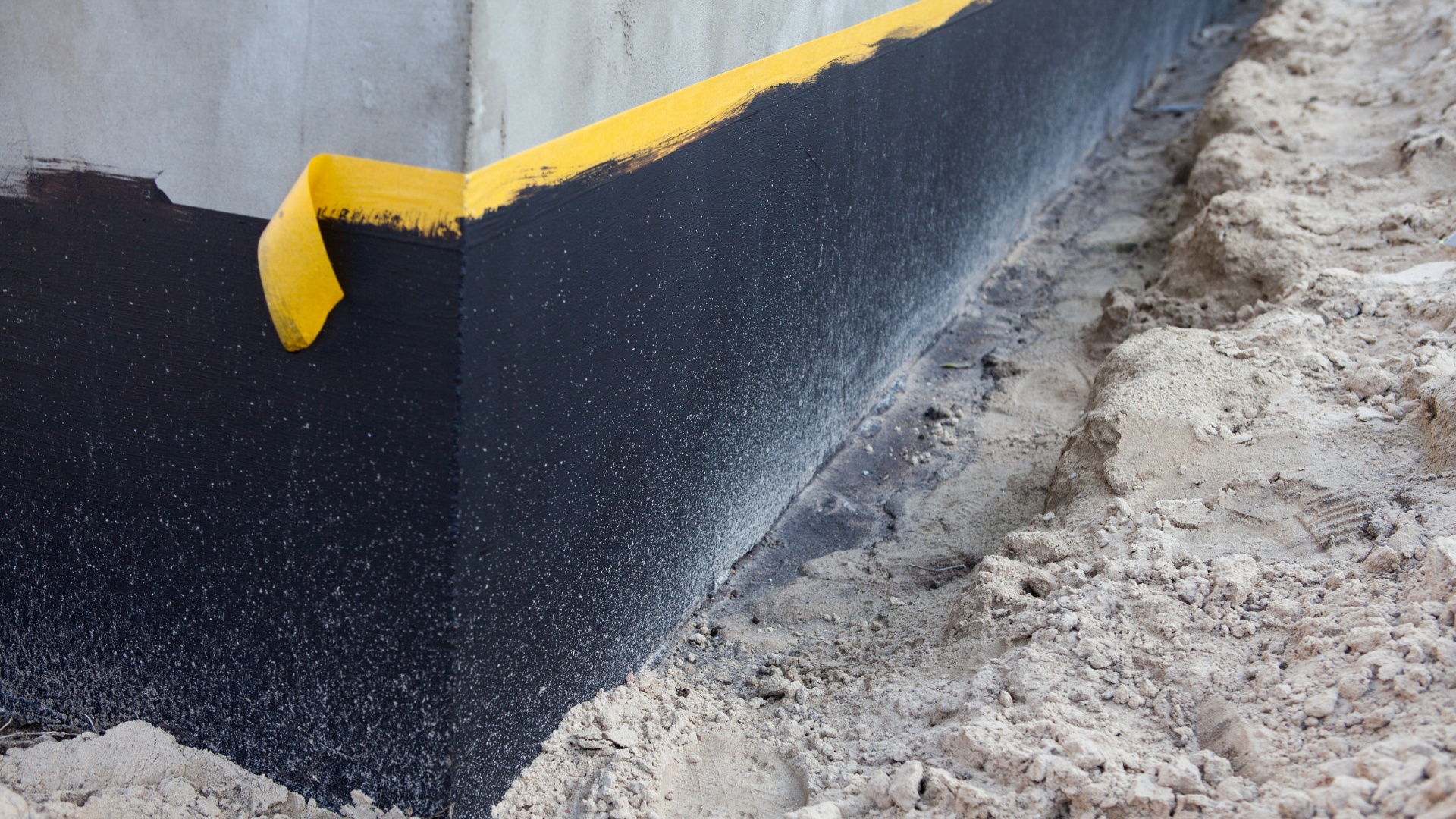
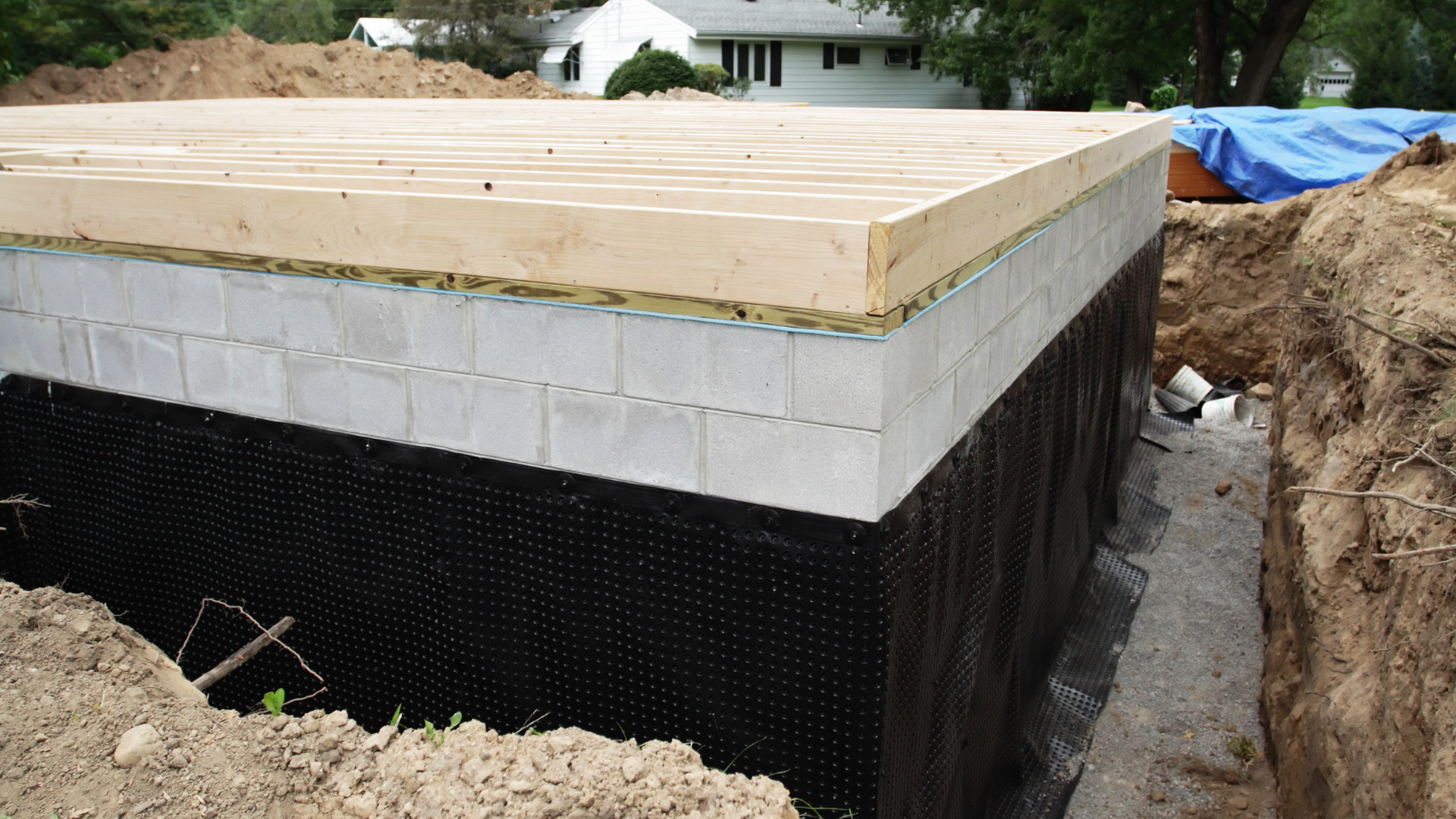
A foundation that repeatedly leaks through cracks, masonry, penetrations, or the wall-floor joint is dealing with more than a shallow grading issue. Excavating to the footing allows the exterior wall to be cleaned, waterproofed, protected with drainage board, and paired with footing drainage. The objective is to intercept water before it reaches the wall rather than managing it after it gets inside.
High Groundwater Is the Main Pressure Source
On flat East Wharf, West Wharf, and Neck Road shoreline lots, seasonal groundwater can keep pressure against the foundation even when the lawn is graded correctly. Regrading can improve surface drainage, but it cannot lower groundwater that is already moving through the soil below grade. Waterproofing is more appropriate when that deeper pressure is the primary cause.
The Problem Persists After Simpler Drainage Corrections
Drainage Pro of CT starts with the least extensive correction that can realistically solve the problem. If downspout drainage, grading, or surface-water improvements have already been handled and the foundation still stays wet, the case for waterproofing becomes much stronger. Our Madison foundation waterproofing service is built around that exterior-first approach.
How the Decision Changes Across Madison Neighborhoods
East Wharf
East Wharf's flat coastal lots often lack a strong natural drainage direction, so surface water can sit close to the building unless grade and discharge are deliberately planned. Regrading can work well when water is visibly moving toward the house, but high seasonal groundwater can still create deeper foundation pressure. The assessment needs to separate those two sources before any excavation begins.
West Wharf
West Wharf presents a similar coastal combination of flat terrain, high-value residential properties, and limited space to create long surface slopes. Regrading may need to connect directly to a dry well or catch basin because there is no useful downhill outlet. When moisture persists despite correct surface drainage, exterior waterproofing becomes the more likely second step.
Neck Road
Neck Road includes shoreline estates and larger properties where long rooflines, multiple downspouts, mature landscaping, and flat or gently changing terrain can all influence drainage. Some properties benefit from perimeter grading alone, while others need grading plus downspout drainage or a dry well. Foundation waterproofing is reserved for cases where water pressure remains at the wall after those surface sources are controlled.
Why the Discharge Plan Matters as Much as the Grade
A yard can be sloped away from the house and still have a drainage problem if the water has nowhere safe to go. The Department of Energy recommends using swales or drains when site constraints prevent adequate positive grade around the foundation. U.S. Department of Energy grading guidance On Madison's flatter lots, that often means the regrading plan and the discharge system have to be designed together.
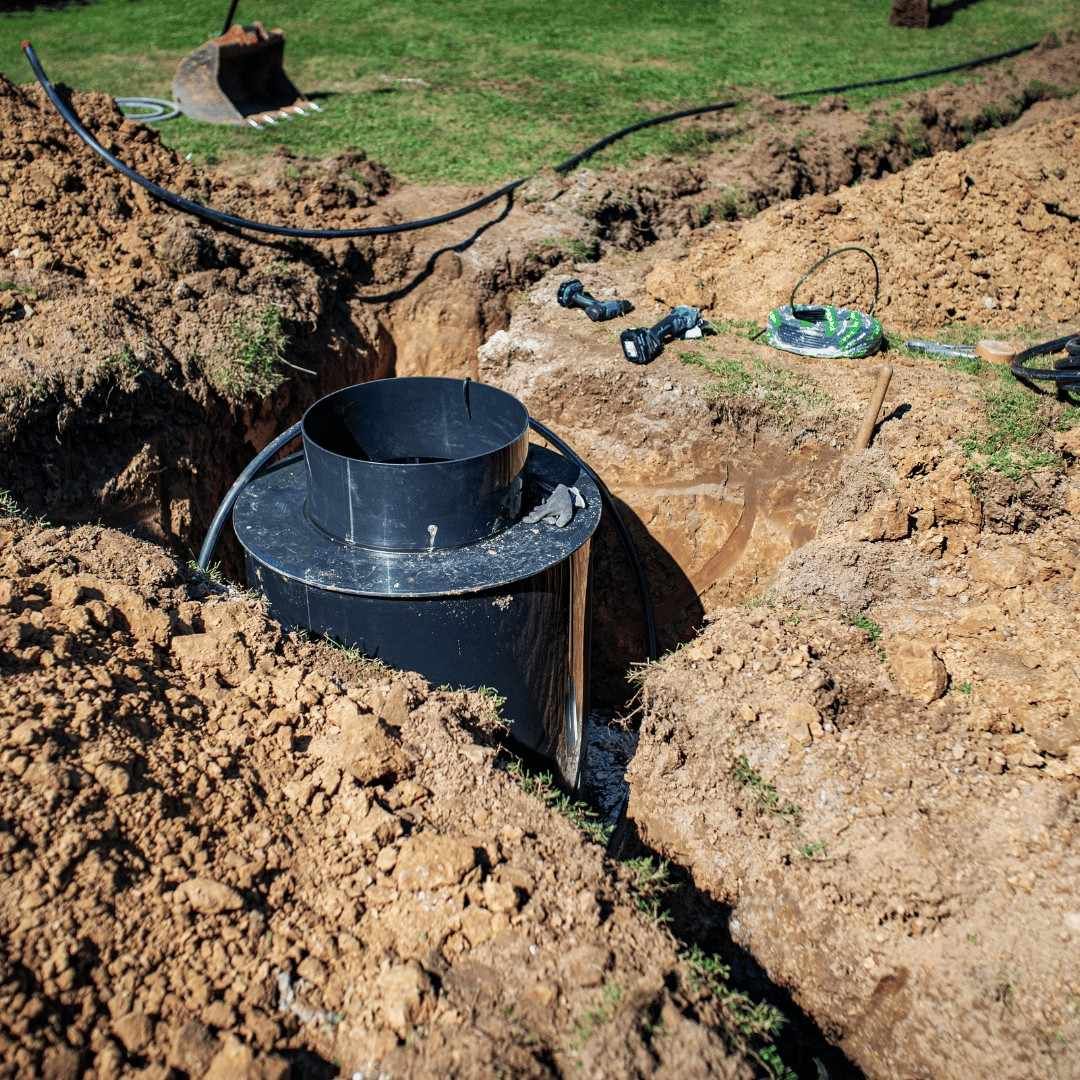
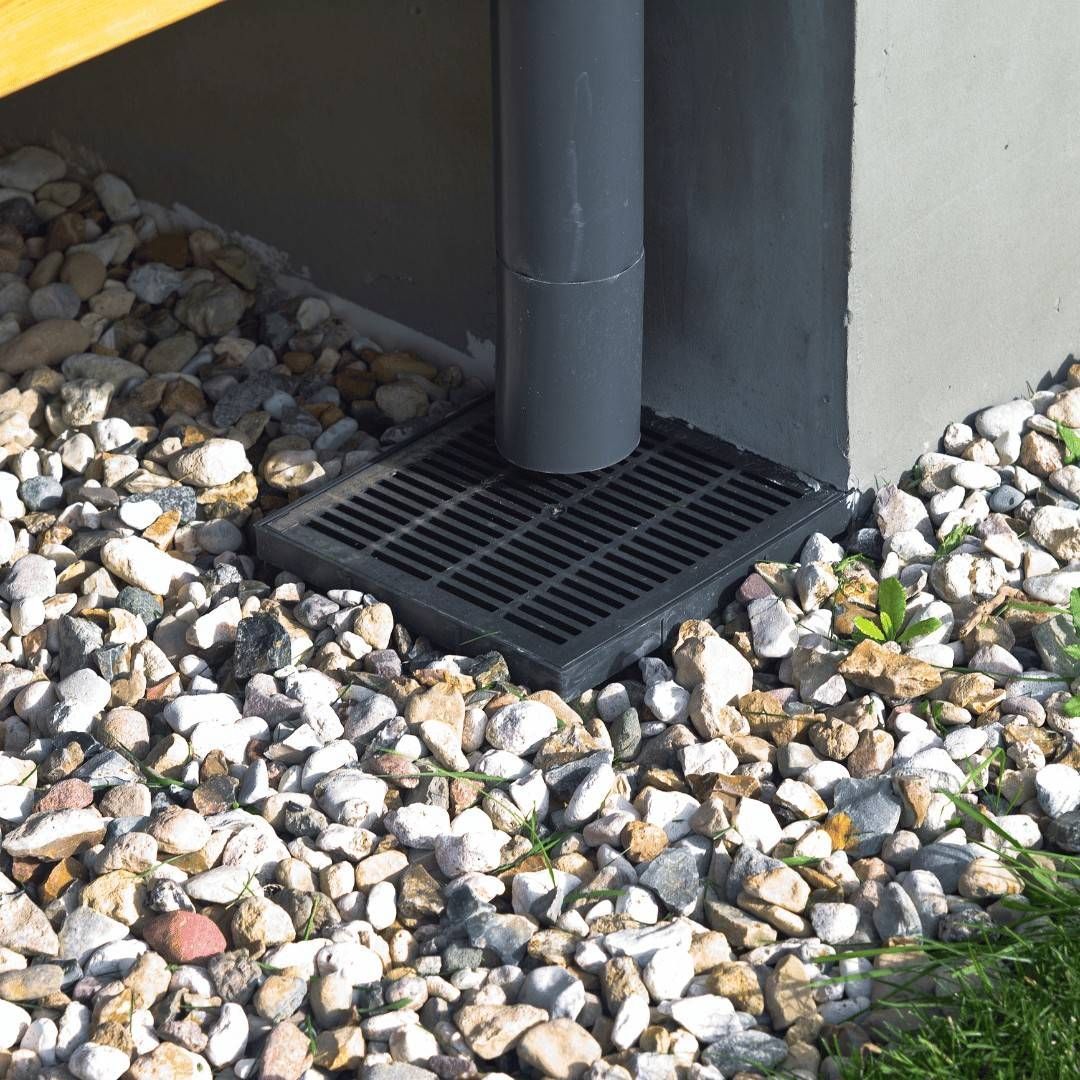
Drainage Pro of CT may combine grading with a dry well, catch basin, downspout system, or another outlet depending on the property. We do not want to move water ten feet away from the foundation only to create a new wet area at the property line. The finished system needs a complete path from where the water arrives to where it can be released safely.
Wetlands and Watercourses Can Affect the Plan
Madison's Inland Wetlands and Watercourses Agency regulates activities that may affect wetlands and watercourses, including excavation, filling, and stormwater discharge. Town of Madison Inland Wetlands and Watercourses Agency Properties near regulated areas may need review before substantial grading or drainage work begins.
What Does Regrading or Foundation Waterproofing Cost in Madison?
Drainage Pro of CT publishes current Madison pricing ranges for both services. Residential yard grading Madison CT projects typically run about $2,000 to $5,500, while exterior foundation waterproofing typically runs about $4,000 to $8,500. These are current Drainage Pro planning ranges, not fixed prices for every property..

| Service | Current Madison Planning Range |
|---|---|
| Yard grading / regrading | $2,000-$5,500 |
| Exterior foundation waterproofing | $4,000-$8,500 |
| Free on-site assessment | $0 |
| Dry well or catch basin with grading | Can move grading toward higher end |
| Full-length foundation waterproofing | Can move waterproofing toward higher end |
| 5-year workmanship warranty | Included on qualifying installations |
Madison's sandy coastal soils can keep excavation and grading toward the lower end compared with heavier inland soils, while northern Madison properties may be more demanding. Access, wall length, excavation depth, landscaping, discharge requirements, and whether several systems need to be combined all change the final scope. Drainage Pro of CT provides exact written pricing after walking the property.
Use This 10-Minute Water-Source Check After Rain
You can gather useful clues before scheduling an assessment by walking the property shortly after a steady rain. Look for water sitting against the foundation, soil that slopes inward, downspouts ending near the wall, and low areas that stay wet longer than the rest of the yard. Then check the basement or lower level for damp walls, mineral deposits, stains, or moisture at the wall-floor joint.
Signs That Point Toward Regrading
Water moving across the lawn toward the house, a visible low spot beside the foundation, settled soil, or a patio or planting bed that directs runoff inward all point toward a surface-drainage problem. These are the conditions regrading is designed to correct. The assessment should still identify where the redirected water will go after the slope is changed.
Signs That Point Toward Waterproofing
Repeated wall dampness, efflorescence, seepage through cracks, or moisture that remains after surface water is gone suggests a deeper foundation-water problem. Those symptoms are more consistent with groundwater pressure or a wall that needs exterior protection. The decision should be made after downspouts and grading have also been checked so simpler sources are not overlooked.
Fix the Water Source Instead of Choosing the Bigger Project
If the yard is sloping toward the house, the soil has settled, or surface runoff is creating water pooling near foundation walls, regrading may be the right first move. If the wall stays damp, groundwater pressure remains, or water is moving through the foundation even after surface drainage has been corrected, foundation waterproofing Madison CT homeowners can use may be the more durable solution. The important part is identifying which water source is actually creating the problem.
Drainage Pro of CT provides free on-site assessments throughout Madison and the Connecticut Shoreline. We are based in Clinton, work only on exterior drainage, and recommend the least extensive solution that can reasonably solve the condition. Whether the answer is grading, foundation drainage, downspout work, waterproofing, or a combination, the system should be designed around how water actually moves across your property.
Related Services & Pages
Foundation Waterproofing in Madison
Yard Grading & Regrading in Madison
Residential Drainage Services in Madison
Downspout Drainage in Madison
About Drainage Pro of CT