8 Warning Signs Your Foundation Needs Waterproofing Before Connecticut’s Fall Rains
Mike James • September 8, 2026

Why this mistake is so damaging: The excavated soil, particularly Connecticut's clay-heavy shoreline soil, has the same low permeability problem that likely contributed to the original drainage issue. Backfilling with this soil directly on top of the gravel and fabric system creates a dense, slow-draining cap that reduces the rate at which surface water can reach the drainage system below it. In clay soil, surface water sits on top of this backfill rather than percolating down into the French drain, which means the system never receives the water it was designed to manage.

The correct approach uses clean gravel as backfill above the fabric-wrapped drainage layer up to a point near the surface, with the final few inches restored with topsoil and seed or sod to blend with the surrounding landscape. This maintains permeability through the full depth of the installation rather than capping a functional drainage system with the same low-permeability soil that was part of the original problem.

Foundation moisture rarely starts with water pouring across the basement floor.


More often, the first signs are subtle: damp walls, mineral deposits, a musty smell, moisture around cracks, or water collecting outside after heavy rain.


At Drainage Pro of CT, we approach foundation waterproofing from the outside because that is where the water pressure begins.

We are based in Clinton and work throughout the Connecticut Shoreline, including Madison, Westbrook, Guilford, Branford, Old Saybrook, Old Lyme, North Branford, East Haven, Killingworth, and surrounding communities.


The important part is deciding whether the foundation actually needs full exterior waterproofing or whether a simpler drainage correction can solve the problem first.


Why September Is the Right Time to Check Foundation Moisture

September is already a meaningful rain month along the Connecticut Shoreline.


National Weather Service 1991-2020 county normals show about 4.49 inches of September precipitation in Middlesex County and 4.55 inches in New Haven County. NWS Northeast River Forecast Center


NOAA’s updated September 2026 outlook also favors above-normal precipitation across much of the Northeast. NOAA Climate Prediction Center


That does not mean every property will have a wet September.


It does mean this is a good month to watch what happens around the foundation before repeated fall rain makes an existing drainage problem harder to ignore.


For shoreline homes, we pay particular attention to:

  • Flat coastal lots
  • Seasonally high groundwater
  • Older foundations
  • Downspouts discharging near the house
  • Negative grading
  • Saturated soil that stays wet after storms


8 Warning Signs Your Foundation May Need Waterproofing

1. Foundation Walls Stay Damp After the Rain Stops

A little surface moisture immediately after a storm is one thing.

If damp foundation walls stay wet long after surrounding surfaces have dried, groundwater may be remaining against the exterior wall.


2. White Mineral Deposits Keep Appearing

White chalky deposits on masonry or concrete are called efflorescence.

They form when moisture moves through the wall and leaves minerals behind as it evaporates.

Recurring efflorescence is a useful sign that water has been moving through the foundation material repeatedly.


3. The Basement Smells Musty Even With a Dehumidifier

A dehumidifier can reduce indoor humidity.

It cannot stop groundwater from pressing against the outside of the foundation.

If the smell keeps returning, we want to know whether the moisture source is still active outside.


4. Water Shows Up After Heavy Rain

Basement water after heavy rain is one of the clearest reasons to inspect the foundation drainage system.

The leak may come through:

  • Wall cracks
  • Floor-wall joints
  • Masonry
  • Utility penetrations
  • Areas where water is concentrating outside

The visible water is the symptom. The exterior water pressure is what we need to understand.


5. Cracks Show Moisture or Staining

A dry hairline crack is different from a crack with moisture, staining, or mineral buildup around it.

Water moving through the crack means exterior pressure is reaching that section of the wall.


6. Water Pools Beside the Foundation

If rainwater stays against the house instead of moving away, the soil around the foundation becomes saturated faster.

On flat shoreline lots, this may come from poor grading, roof runoff, or a lack of a practical discharge path.


7. Downspouts Empty Right at the House

This is one of the most common problems we find.

A roof can send hundreds or thousands of gallons of water toward the foundation during repeated storms.

If downspouts discharge directly at the wall, full waterproofing may not be the first repair you need.


8. The Same Moisture Problem Returns Every Wet Season

A recurring seasonal pattern tells us the water source has not been corrected.

If the wall becomes damp every spring and fall, repeated interior patching or dehumidification is managing the symptom instead of changing the exterior condition.


What Hydrostatic Pressure Actually Means

Hydrostatic pressure sounds more complicated than it is.


When soil around the foundation becomes saturated, water pushes against the wall.


The wetter the soil stays, the longer that pressure remains.


What Increases Foundation Water Pressure?

Site Condition Why It Matters
High water table Keeps soil near the foundation saturated
Flat terrain Gives water fewer natural paths away
Negative grading Directs surface water toward the house
Short downspouts Concentrates roof runoff at the wall
Heavy or slow-draining soil Holds moisture longer
Repeated rainfall Prevents the soil from drying between storms

This is why two houses in the same town can have very different moisture problems.


A flat coastal property in Clinton or Madison may deal with a seasonally responsive water table.


A sloped inland property in North Branford or Killingworth may have groundwater moving downhill toward one side of the foundation.

The solution should match the way water is reaching the building.


Waterproofing or a Simpler Drainage Fix?

Not every damp basement needs full exterior foundation waterproofing.


That is an important part of how we work.


Sometimes the foundation itself is not the first thing we need to fix.


A simpler correction may be enough when the real problem is:

  • Downspouts dumping at the foundation
  • Grade sloping toward the house
  • Overflowing gutters
  • A low spot beside the building
  • Surface water being directed toward one wall
  • Poor discharge from an existing drain


At our Clinton home base, we regularly find properties where moving roof water away from the foundation or correcting grade solves the moisture problem for far less than a full excavation.


Our Clinton foundation waterproofing service is built around that diagnostic approach.


We would rather identify a smaller exterior drainage fix first than recommend a larger waterproofing project the property does not need.


What Exterior Foundation Waterproofing Includes

When full waterproofing is the right solution, the work happens outside the building.


The typical process includes:

  1. Excavating along the affected foundation wall
  2. Exposing the wall down to the footing
  3. Cleaning and preparing the foundation surface
  4. Applying a continuous waterproofing membrane
  5. Installing a drainage board
  6. Placing a footing drain in clean drainage stone
  7. Routing collected groundwater to a safe discharge point
  8. Backfilling and restoring the property


That combination does two jobs.


The membrane stops direct moisture contact with the wall, while the footing drain intercepts groundwater before it can continue building pressure against the foundation.


On flat coastal properties, the discharge may need to connect to a properly located dry well when there is no practical downhill outlet.


You can see how this approach changes by site conditions on our Madison, Branford, and Old Saybrook foundation waterproofing pages.


Use This 10-Minute Foundation Check After Rain

You can gather useful information before scheduling an assessment.

Walk the Outside First

Look for:

  • Standing water beside the house
  • Downspouts ending near the wall
  • Soil sloping toward the foundation
  • Low areas beneath roof valleys
  • Water staining on exposed foundation surfaces
  • Overflow from gutters


Check the Basement or Lower Level

Look for:

  • Damp wall surfaces
  • White mineral deposits
  • Musty odor
  • New stains
  • Moisture around cracks
  • Wet floor-wall joints


Take photos while the conditions are visible.


A photo taken during or shortly after heavy rain can tell us much more than trying to describe a stain two weeks later.


Also note how long water stays beside the foundation after the storm ends.


Where We Provide Foundation Drainage Work on the CT Shoreline

Drainage Pro of CT is based in Clinton, which sits near the center of our Shoreline service corridor.


From Clinton, our nearby foundation and drainage work extends first into communities such as:

  • Madison
  • Westbrook
  • Guilford
  • Old Saybrook
  • Branford

We also work across newer and broader Shoreline markets including:

  • Old Lyme
  • North Branford
  • East Haven
  • Killingworth
  • Durham
  • East Lyme


The conditions change from town to town.


Clinton and Madison have many flat coastal lots with high seasonal groundwater.


Branford includes both low coastal neighborhoods and inland properties where water can move directionally through heavier soils.


Old Saybrook and Old Lyme add river, tidal, historic, and high-water-table conditions.


That is why we do not use one waterproofing design everywhere.


What Does Foundation Waterproofing Cost on the CT Shoreline?

For Estimated Planning Context, current Drainage Pro of CT location guidance places exterior foundation waterproofing around $4,000 to $8,000 in Clinton, while more complex shoreline markets such as Old Saybrook and Old Lyme commonly fall around $4,500 to $9,000.


A useful broad planning range for Connecticut Shoreline homeowners is therefore about $4,000 to $9,000, depending on the property.

These are planning figures, not fixed Drainage Pro pricing.

Cost Factor Why It Changes the Project
Length of wall More excavation and membrane are required
Foundation depth Deeper footings increase excavation
Soil type Sand, clay, and rocky soil excavate differently
Access Tight side yards can limit equipment
Historic foundation Older masonry may require more careful work
Discharge method Dry well or longer drainage routing adds scope
Landscaping Restoration can add labor
Existing drainage Downspout or grading corrections may reduce the scope

Drainage Pro of CT provides a free on-site assessment and written estimate before work begins.


Every installation is backed by our 5-year workmanship warranty, and we are licensed and insured under HIC#0706616.


Stop the Water Before It Reaches the Foundation Wall

A damp foundation is not always a waterproofing problem.


Sometimes the answer is better downspout drainage.


Sometimes the grade needs to change.


And sometimes groundwater is staying against the wall long enough that full foundation waterproofing is the right long-term fix.

At Drainage Pro of CT, we start outside and follow the water.


For Connecticut Shoreline homeowners, September is a good time to identify the source before repeated fall rain creates another season of damp walls, musty odors, and basement water.


We are based in Clinton, serve the full Shoreline corridor, and provide free on-site assessments so the recommendation matches the property instead of forcing every moisture problem into the same solution.


Related Services & Locations

Foundation Waterproofing in Clinton
Foundation Waterproofing in Madison
Foundation Waterproofing in Branford
Foundation Waterproofing in Old Saybrook
Foundation Waterproofing in Old Lyme
Drainage Services in Clinton
Drainage Pro of CT

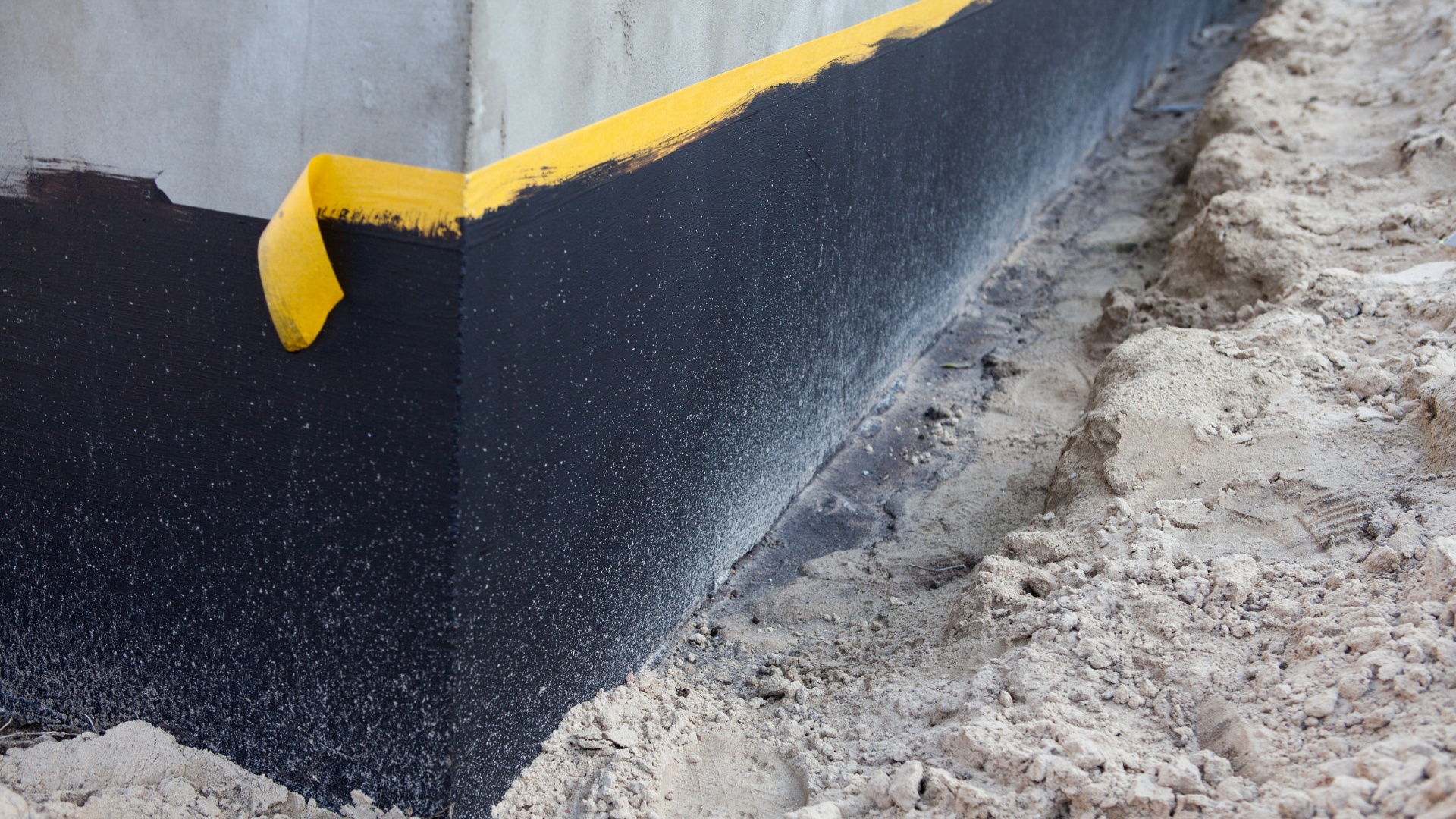
Black and yellow curb edge being coated with sealant beside muddy ground
By Mike James September 15, 2026
Compare foundation waterproofing vs downspout drainage for Madison homes, including basement moisture, underground drainage, causes, and project costs.
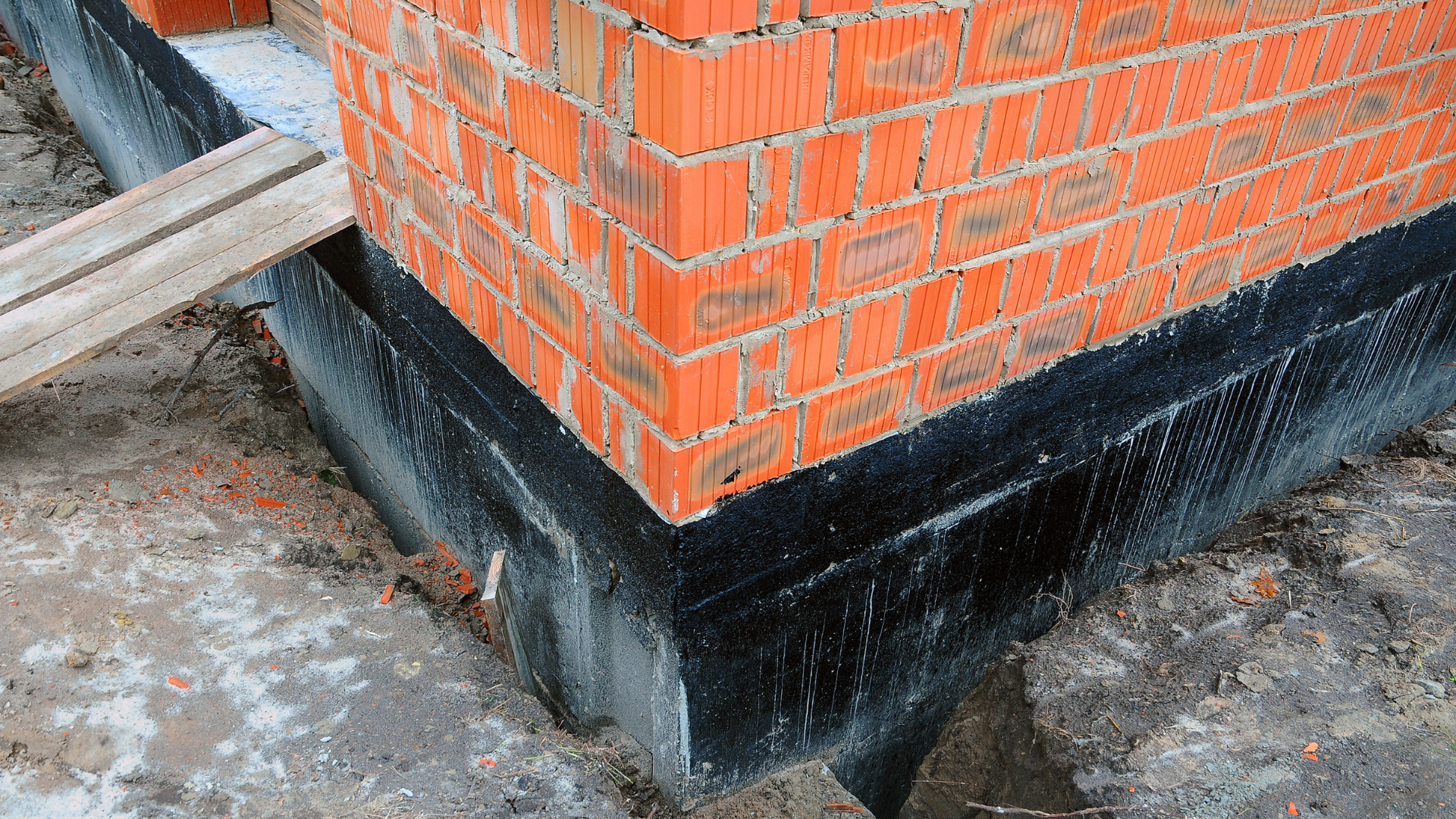
Brick building corner with black waterproofing at the base, seen on a concrete ground.
By Mike James September 15, 2026
Compare foundation waterproofing vs regrading for Madison homes, including negative grading, pooling water, drainage causes, and current project costs.
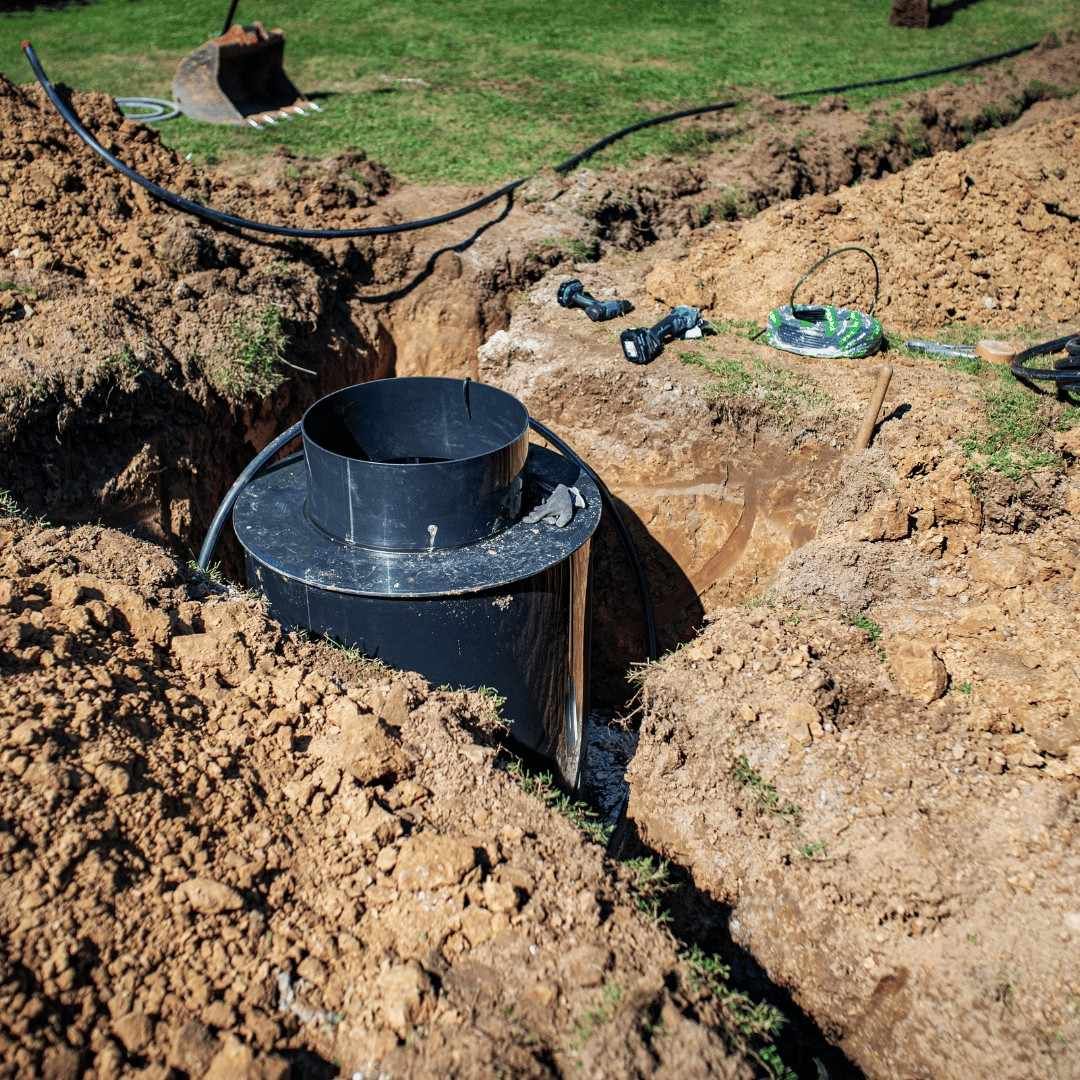
Black plastic pipe protruding from a dirt trench in a grassy yard, with tools nearby.
By Mike James September 1, 2026
Learn why dry wells overflow in heavy Connecticut rain, how to test capacity, spot failure signs, compare fixes, and improve yard drainage before fall.
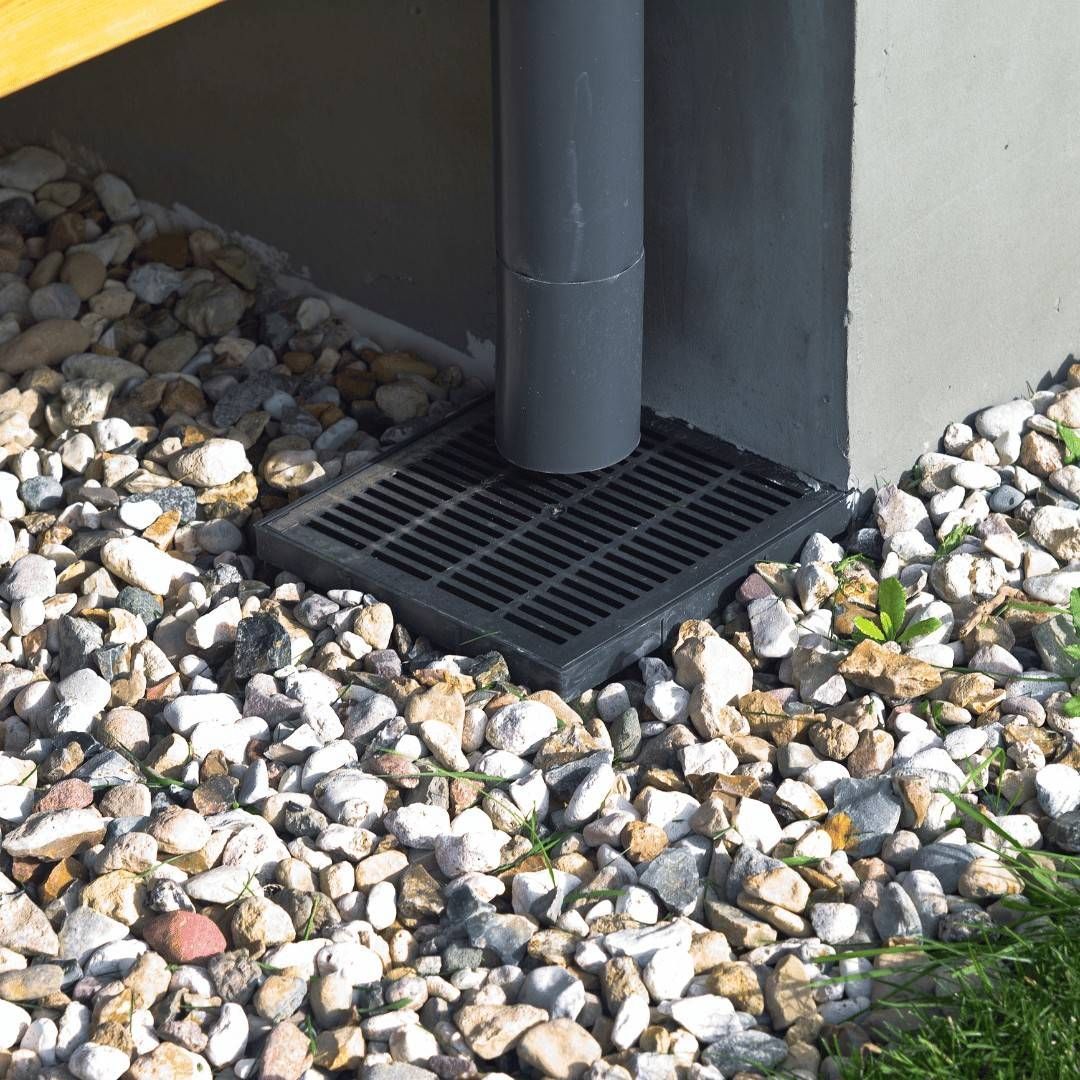
Gray downspout draining into a black grated drain beside a building, surrounded by white stones and grass.
By Mike James September 1, 2026
Learn how to check French drain performance before Connecticut fall rain, spot clogs, clean outlets, test flow, and know when repair is actually needed.
Calm river reflecting trees and sky, bordered by green grass and dense forest.
By Mike James August 25, 2026
Standing water on a CT Shoreline yard is more than a nuisance. Drainage Pro of CT explains 4 ways it quietly damages your property more than you expect.
Yellow construction loader moving dirt on a muddy park path near grass and trees
By Mike James August 11, 2026
Hillside and flat coastal lots need very different grading approaches. Drainage Pro of CT explains the right method for each on the Connecticut Shoreline.
Concrete block wall with two copper pipes protruding from sandy ground at a construction site
By Mike James August 4, 2026
Exterior waterproofing stops water at the wall. Interior manages it after entry. Drainage Pro of CT explains both and why the team only works outside.
A modern white house with a brown roof, stone walkway, and green lawn under a partly cloudy sky
By Mike James July 29, 2026
Standing water and soggy soil rarely fix themselves in a Connecticut yard. Drainage Pro of CT explains 6 signs your drainage problem will only get worse.
Metal storm drain grate set in a grassy lawn
By Mike James July 21, 2026
Curtain drains and French drains both use perforated pipe and gravel, but they solve different problems. Drainage Pro of CT explains the difference, where each belongs on a Connecticut Shoreline property, and how to know which one your drainage situation actually calls for.
White suburban house with a two-car garage, front porch, and driveway under a clear sky
By Mike James July 17, 2026
Standing water in your yard is not just a nuisance. It is the first sign of a drainage failure that can cost Connecticut Shoreline homeowners tens of thousands in foundation repairs. Drainage Pro of CT explains what a professional inspection finds and why it matters.