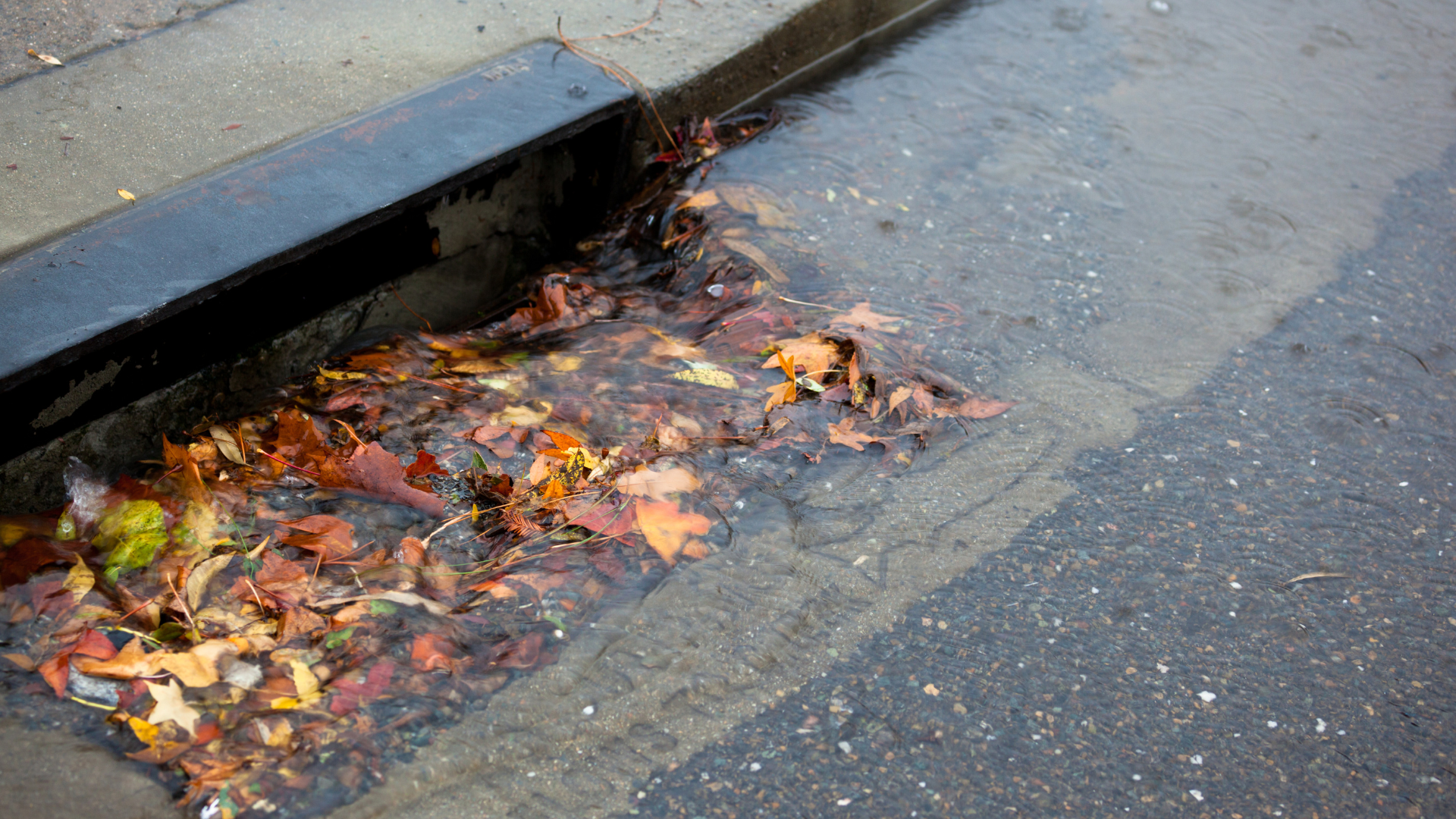
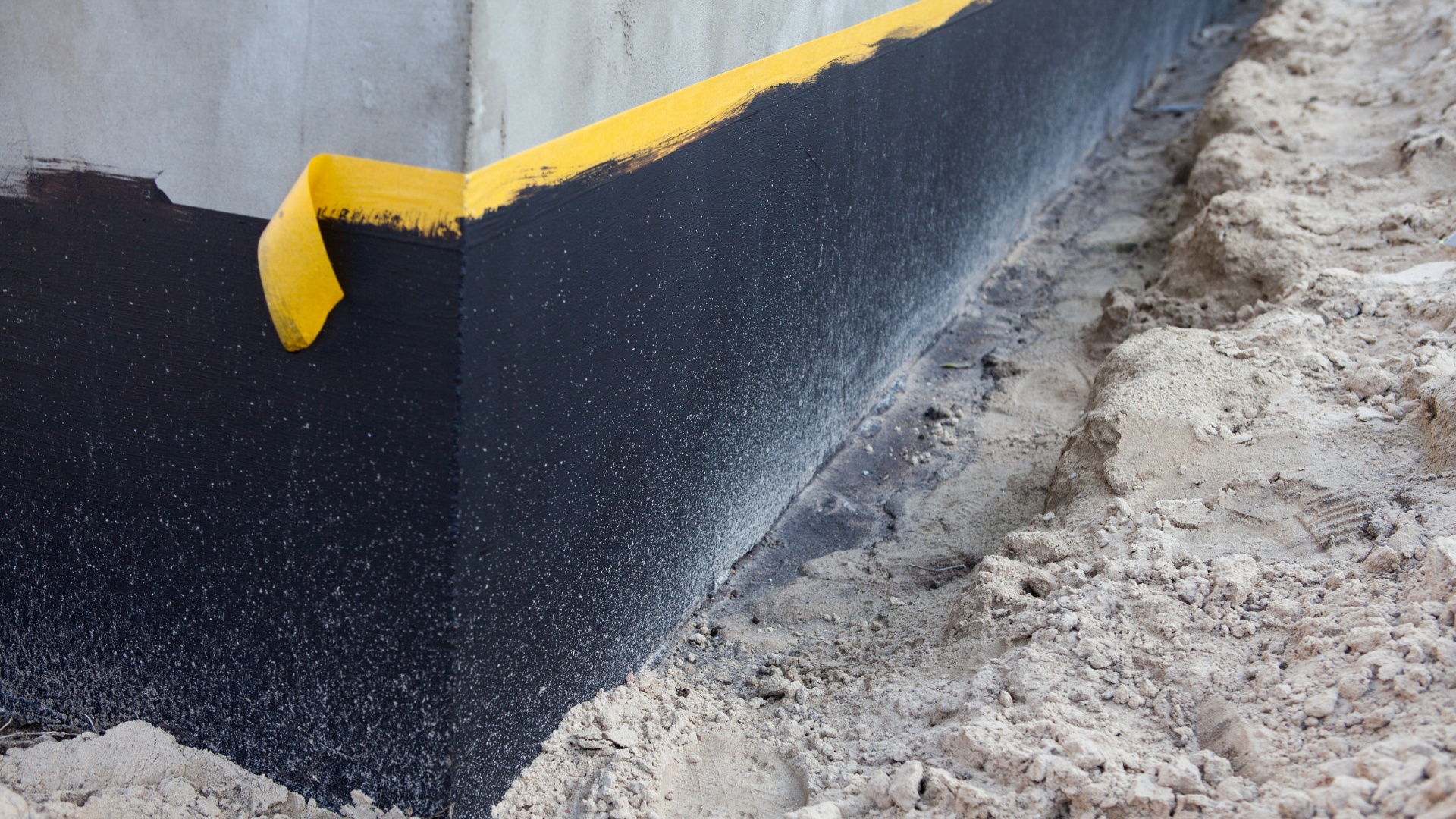
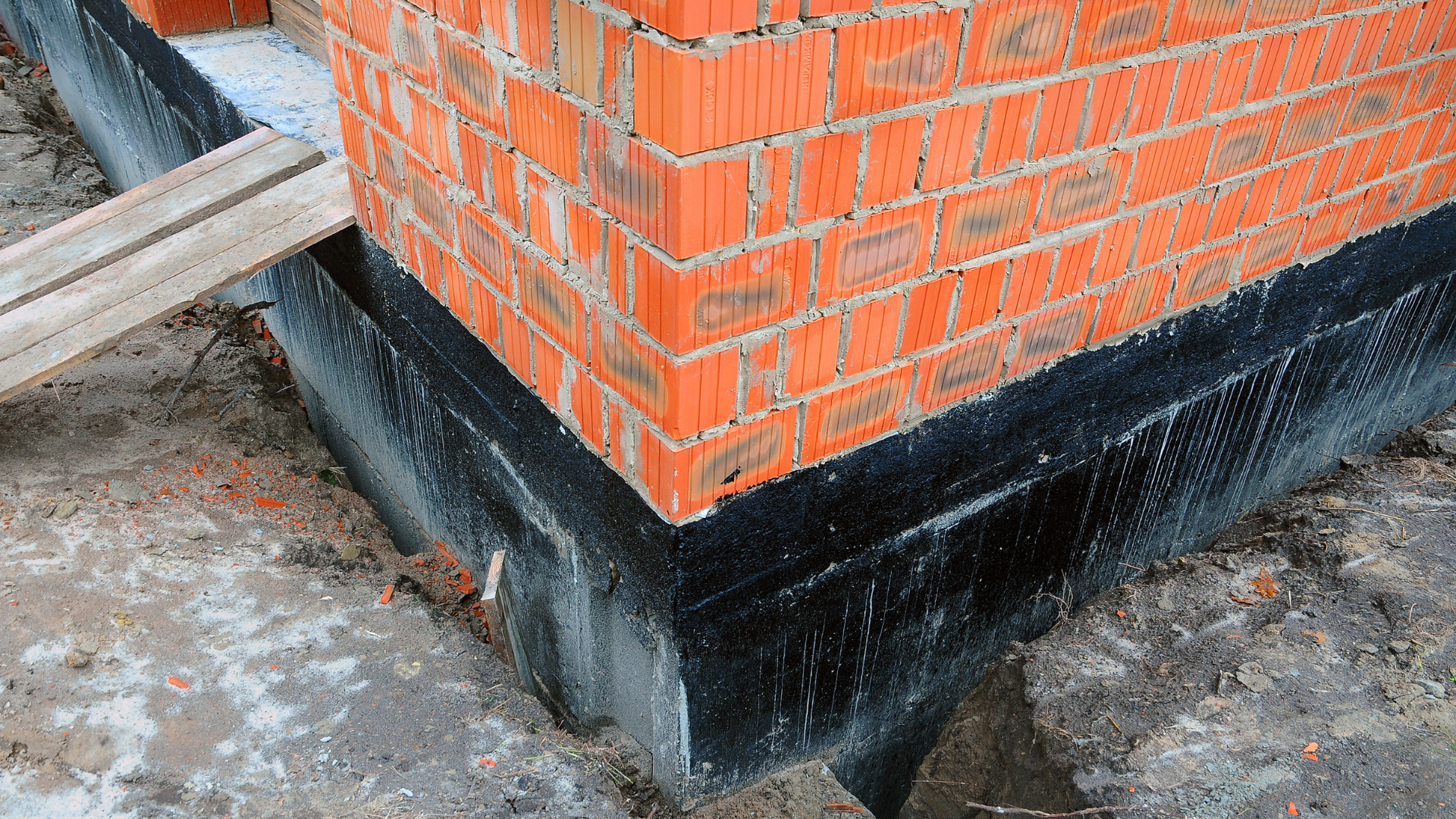
Most homeowners in Clinton, Madison, Guilford, Old Saybrook, and East Lyme treat standing water in the yard as an inconvenience. It is wet out there for a few days after rain, the kids cannot play on that section of the lawn, and it is a little muddy near the foundation. Then it dries up and the thought goes away until the next rain brings it back.
What most homeowners do not account for is what that standing water is doing while it sits there. It is not simply waiting to evaporate. It is saturating the soil against the foundation, suffocating the root zone of the lawn, creating breeding conditions for mosquitoes, and progressively reversing the grade so that more water collects in the same place with every storm. Each of these consequences gets worse over time, not better, and in a Connecticut climate that delivers 47 inches of rain with no dry season, the time between events is never long enough for the damage to reset.
Drainage Pro of CT is based in Clinton and serves all 13 Connecticut Shoreline towns. This guide covers the four ways standing water damages a property that homeowners consistently underestimate, and why addressing the drainage before the fall storm season is the far less expensive path.
1. It Pressurizes the Foundation Every Time It Pools
Standing water near the house is not just surface moisture. It is hydrostatic pressure building against the foundation wall with every rain event, and on a Connecticut Shoreline property, those events never stop for long.
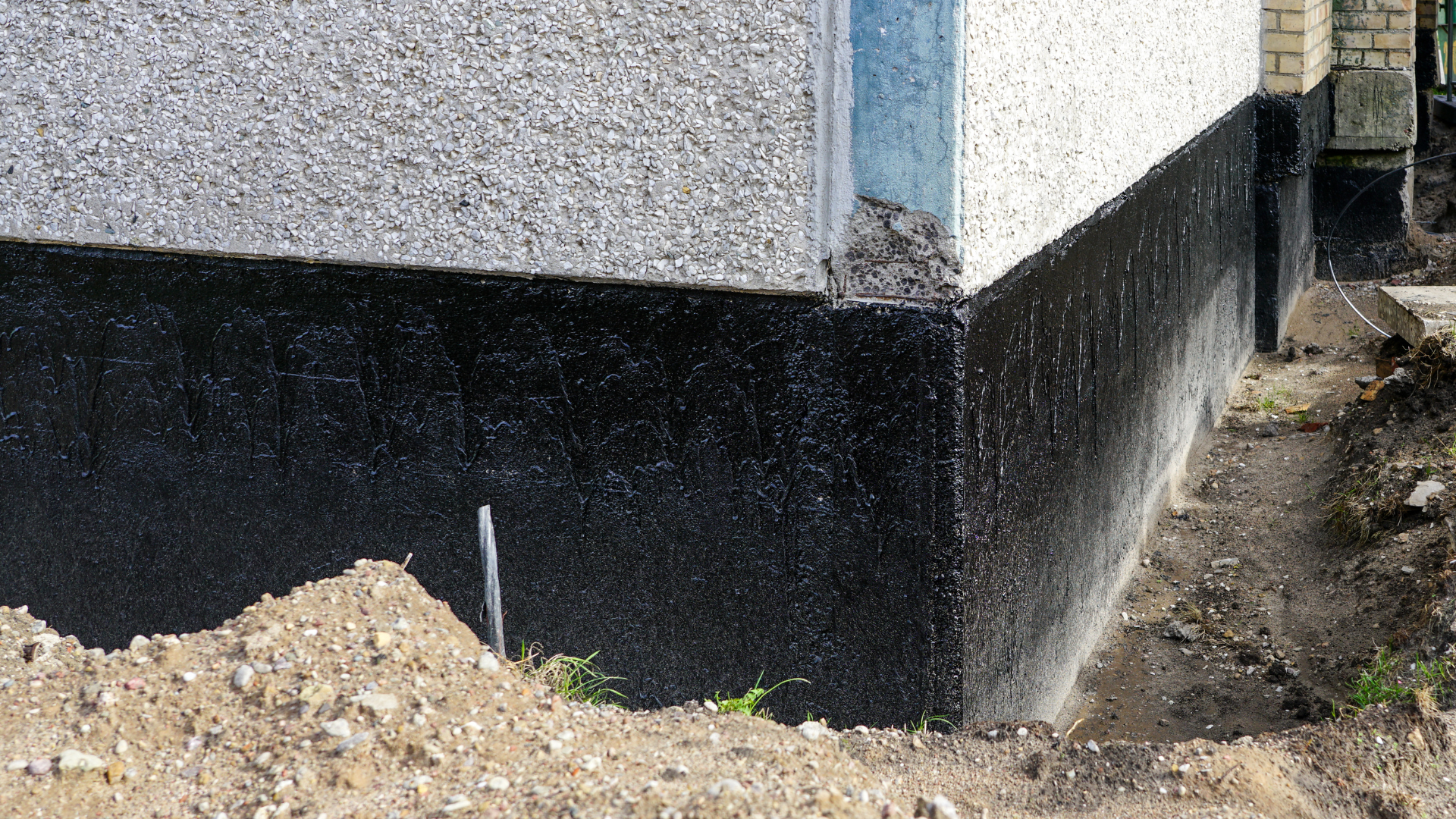
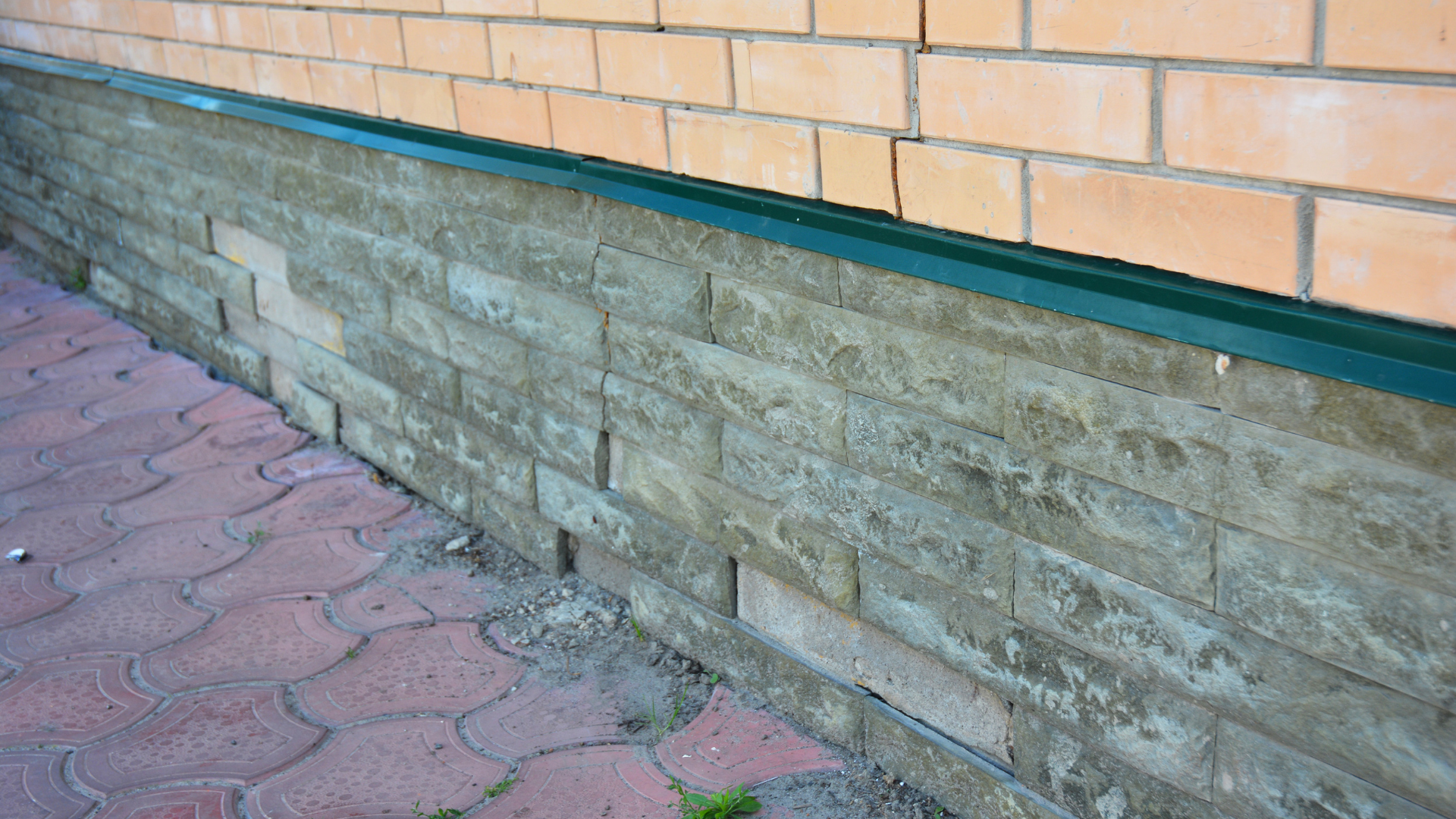
When water pools near the foundation and saturates the surrounding soil, that saturated soil exerts lateral pressure against the foundation wall. Concrete is strong in compression but it is not waterproof under sustained pressure, and over repeated cycles of saturation, water finds paths through the wall: hairline cracks, the cove joint where the wall meets the floor, and any existing penetration. The
U.S. Environmental Protection Agency advises homeowners to make sure the ground slopes away from the foundation so water does not collect there, and names gutter maintenance and proper grading as essential moisture prevention measures.
What makes this worse on the CT Shoreline:
- NOAA documents 47.3 inches of annual precipitation with no dry season
- The soil never fully dries between events
- Each storm re-saturates soil that was already holding moisture
- Freeze-thaw cycling in winter expands any water that has entered the wall
FEMA documents that just one inch of water inside a home can cause up to $25,000 in damage. The standing water outside is the source. The foundation damage inside is the consequence. Addressing the pooling is how you interrupt the connection.
2. It Kills the Lawn by Suffocating the Root Zone
Grass roots need air. Standing water eliminates it, and a lawn that sits underwater repeatedly does not recover on its own, it declines progressively until the turf is gone.
When water saturates the soil and sits on the surface, it displaces the air in the root zone. Grass roots that cannot access oxygen stop functioning, and sustained saturation leads to root rot, thinning, bare patches, and the eventual takeover of moss or mud in the affected area. On Connecticut Shoreline properties, this pattern is especially visible in the low areas of the yard where water collects and in the zones downhill from slopes or neighboring properties.
Why this gets worse, not better:
- Healthy grass cannot establish in a zone that floods repeatedly
- Dead turf exposes bare soil, which compacts and drains even worse
- Compacted bare soil holds the next round of water longer
- The wet zone expands with each season as the soil degrades
Homeowners who reseed or sod a chronically wet area without fixing the drainage underneath watch the new grass fail in the same pattern. The turf is not the problem. The water underneath is.
3. It Breeds Mosquitoes Within 48 Hours
Standing water is the single requirement for mosquito breeding, and on a CT Shoreline property, even a small persistent pool creates a breeding cycle.
Female mosquitoes lay eggs in standing water, and those eggs can develop into adult mosquitoes in as little as a week in warm weather. The
EPA identifies eliminating standing water as the most important step in mosquito prevention, noting that mosquitoes need only a small amount of standing water to breed successfully.
What standing water in the yard means for mosquitoes:
- Any pool lasting more than 48 hours can support egg laying
- Warm summer months accelerate the breeding cycle
- A chronic wet zone produces mosquitoes continuously
- The problem is on your property, not from elsewhere
This is not a minor comfort issue. Mosquitoes carry diseases including West Nile virus and Eastern equine encephalitis, both of which have been documented in Connecticut. A yard drainage problem that keeps water standing is a yard that is generating mosquitoes throughout the warm season, and that generation stops when the standing water stops.
4. It Reverses the Yard Grade and Makes Itself Worse
This is the one homeowners almost never recognize, and it is the reason standing water problems grow rather than stabilize: the water itself is reshaping the yard to hold more water.
Every time standing water pools in the same low area, it softens the soil beneath it. Foot traffic, mowing, and equipment on that softened soil compress it further. The depression deepens. Sediment washes into the low point from surrounding higher ground and accumulates. The net effect is that the grade progressively reverses so that more water drains toward the problem area with each storm rather than less.
How the grade reversal compounds:
- The low spot gets lower as soil compacts under water
- Surrounding soil washes into the depression
- The catchment area grows as the grade tips further
- What started as one wet corner becomes a section of the yard
This is why waiting does not work as a strategy for standing water. The problem is not holding steady while you decide what to do. It is actively getting worse with every rain event, because the water is reshaping the landscape in its own favor.
Why These Four Problems Compound Together
The four consequences do not operate in isolation. They feed each other in a cycle that accelerates over time.