How Hillside Lots in Connecticut Require a Different Grading Approach Than Coastal Flat Lots
Mike James • August 11, 2026

Why this mistake is so damaging: The excavated soil, particularly Connecticut's clay-heavy shoreline soil, has the same low permeability problem that likely contributed to the original drainage issue. Backfilling with this soil directly on top of the gravel and fabric system creates a dense, slow-draining cap that reduces the rate at which surface water can reach the drainage system below it. In clay soil, surface water sits on top of this backfill rather than percolating down into the French drain, which means the system never receives the water it was designed to manage.

The correct approach uses clean gravel as backfill above the fabric-wrapped drainage layer up to a point near the surface, with the final few inches restored with topsoil and seed or sod to blend with the surrounding landscape. This maintains permeability through the full depth of the installation rather than capping a functional drainage system with the same low-permeability soil that was part of the original problem.

Not every drainage problem on the Connecticut Shoreline is the same problem, and the grading solutions that work on one property type can be exactly wrong for another. A hillside lot in Guilford or Madison that is receiving lateral water from uphill terrain faces a fundamentally different challenge than a flat coastal lot in Clinton or Old Saybrook where the water has nowhere to go because the grade is nearly level.


Applying a one-size-fits-all grading approach to both is how homeowners end up with drainage work that does not perform. The hillside lot needs water intercepted before it arrives. The flat lot needs water given a path it does not naturally have. Those are different engineering problems that call for different solutions.


Late August on the Connecticut Shoreline is the practical window for grading work. The ground is dry and workable, the heavy fall rains have not started, and the corrected grade has time to settle before nor'easter season tests it. Drainage Pro of CT is based in Clinton and serves all 13 Shoreline towns. This guide explains why the two property types need different approaches and what each one actually involves.


The Core Difference: Interception vs Direction

Every grading and drainage decision on the CT Shoreline starts with one question: where is the water coming from and where does it need to go?


On a hillside lot, the water source is uphill. Gravity moves groundwater and surface water downslope toward the house, the yard, and the foundation. The grading solution has to intercept that water before it arrives and redirect it around the structure. The challenge is managing water that is already moving.


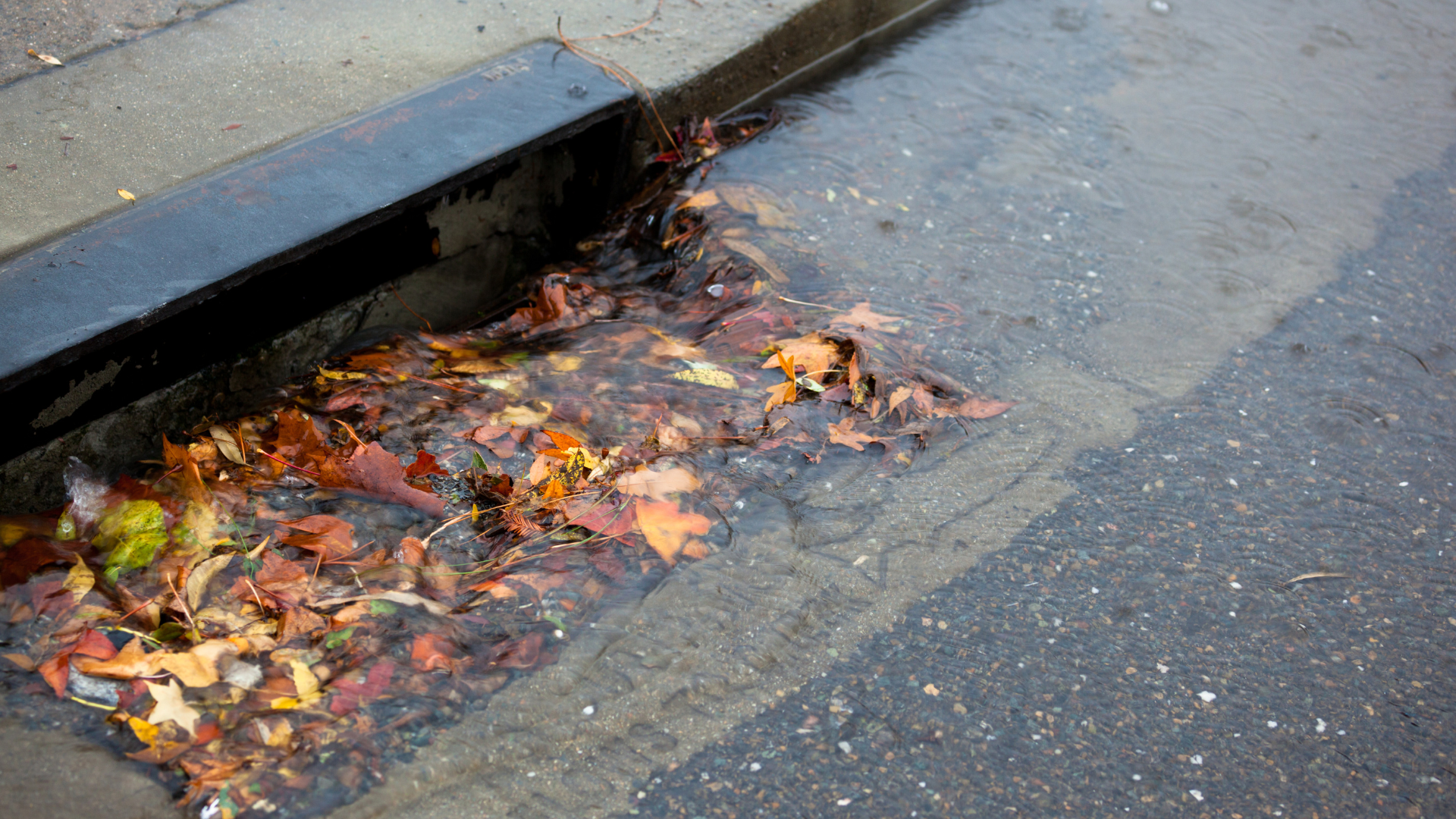
On a flat coastal lot, the water source is often the sky itself. Rain falls on the property, the soil absorbs what it can, and the rest sits because the grade is too flat to give it anywhere to go. The grading solution has to create the slope that nature did not provide. The challenge is moving water that is standing still.


These are different problems, and recognizing which one a property faces is the first step in the grading assessment.


What Hillside Lots in Guilford, Madison, and East Lyme Need

The elevated, wooded lots in Guilford, Madison, and East Lyme are some of the most drainage-challenged properties on the Shoreline, because they sit downhill from terrain that feeds them water with every rain event.


What a hillside lot is dealing with:

  • Lateral groundwater flowing through the soil from higher terrain
  • Surface water sheeting down slopes during and after rain
  • Soil saturation that builds progressively downslope
  • Foundation and basement moisture from water arriving at the building's uphill side


The grading approach on a hillside lot centers on interception. The USDA Natural Resources Conservation Service identifies subsurface drainage, including interceptor drains, as a primary tool for managing water moving laterally through the soil profile. On a CT Shoreline hillside property, that typically means:

  • Curtain drain uphill of the house positioned perpendicular to the water flow to intercept groundwater before it reaches the foundation
  • Surface grading to channel runoff around the structure rather than toward it
  • Swales or berms to redirect concentrated surface flow away from the building and yard
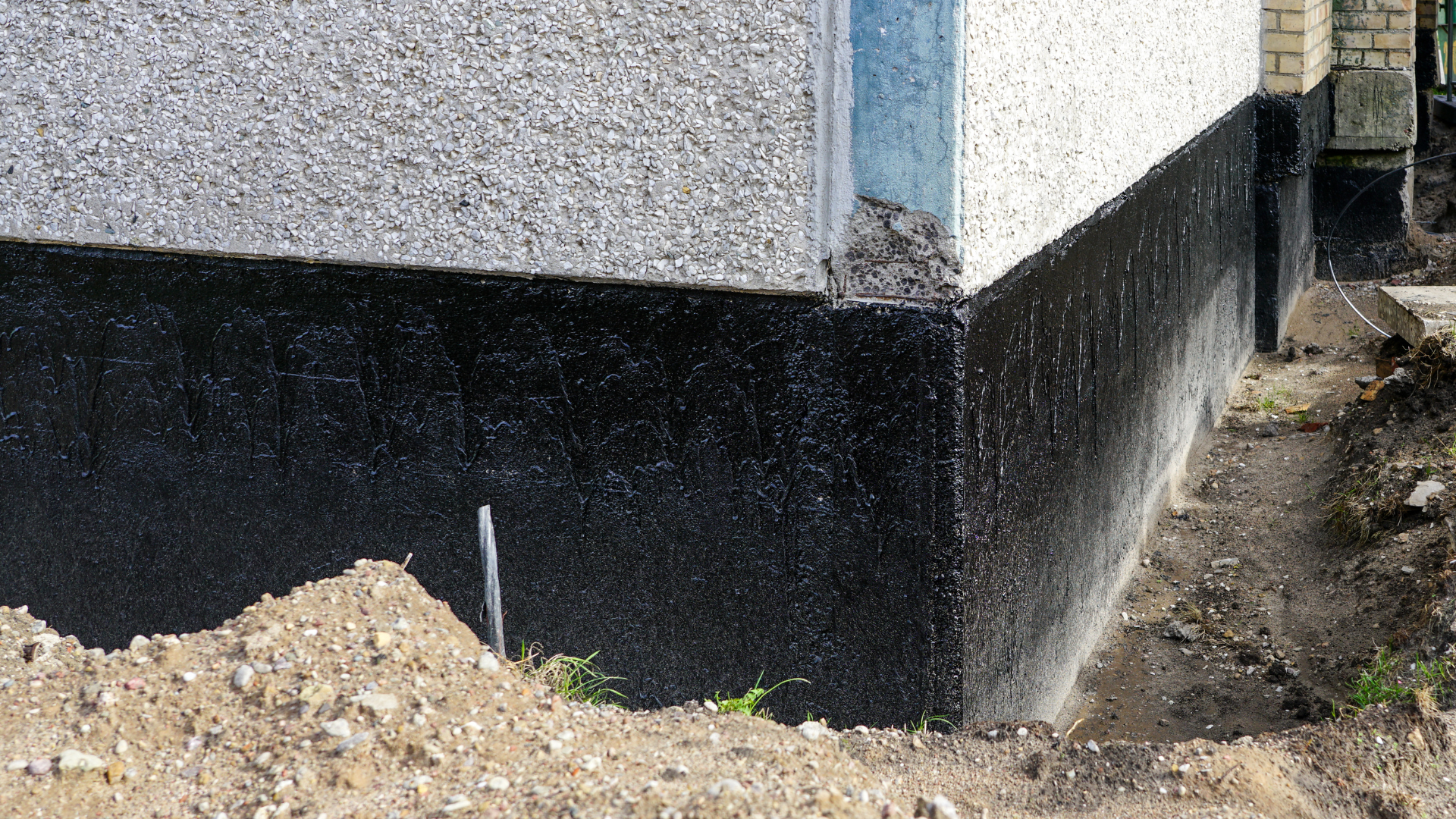
  • Foundation perimeter drainage as a secondary line of defense for water that passes the uphill interception


The Drainage Pro article on curtain drain versus French drain explains the interceptor drain approach in depth. On most hillside Shoreline properties, the curtain drain is the primary tool because it addresses the water at its source rather than at its destination.


What Flat Coastal Lots in Clinton, Old Saybrook, and Westbrook Need

The lower-elevation, flatter lots near the coast face the opposite problem. Water does not arrive from uphill. It falls on the property and stays because the grade does not move it.


What a flat coastal lot is dealing with:

  • Standing water after rain with no natural drainage path
  • Soil that saturates because water cannot flow away
  • High water tables that bring moisture up from below
  • Foundation moisture from water pooling at the base of the house


The grading approach on a flat lot centers on creating direction. When there is no natural slope, the grading work has to manufacture one, even if the total fall across the lot is measured in inches rather than feet. That typically means:

  • Positive grading away from the foundation ensuring the first 6 to 10 feet of ground slopes away from the house at a minimum of 1 inch per foot
  • Yard drains and catch basins at low collection points to capture standing water and pipe it to a discharge point
  • French drains at the foundation perimeter to intercept water that collects in the soil around the building
  • Dry wells where no daylight discharge point or storm connection is available, to absorb collected water underground


On flat lots, even small grade changes make a measurable difference. The EPA's home moisture guidance advises ensuring the ground slopes away from the foundation so water does not collect there. On a hillside, that slope often exists naturally. On a flat coastal lot, the grading creates it.


The Head-to-Head Comparison

Factor Hillside lot Flat coastal lot
Primary water source Lateral flow from uphill Rain with no drainage path
Core problem Water arriving from elsewhere Water with nowhere to go
Primary grading approach Interception uphill Create slope and direction
Key drainage tool Curtain drain, swales Yard drains, catch basins, French drain
Foundation concern Water arriving at the uphill wall Water pooling at the base
Water table factor Varies by elevation Often high, adds pressure from below
Typical soil challenge Saturated clay on slopes Coastal silt, slow drainage

Why Some Properties Need Both Approaches

Some Connecticut Shoreline properties do not fit neatly into one category, and those are the ones most likely to be misdiagnosed.

A lot in Guilford or Madison that slopes down from the street to the house but then flattens at the rear of the property is receiving lateral water on the front side and dealing with standing water on the back. A property in East Lyme on moderate terrain that also has a high water table is managing water from above and below simultaneously.


These properties need a combined approach:

  • Interception at the uphill side to manage the lateral flow
  • Positive grading or drainage infrastructure at the flat portion to move standing water
  • Foundation drainage to protect the building from both sources


The Drainage Pro article on exterior versus interior foundation waterproofing covers the related question of how to protect the foundation once the grading and drainage direct water away from it.


Why August Is the Window for Grading Work

Grading work requires dry, workable ground conditions. Equipment on saturated soil compacts it further and creates new drainage problems while solving old ones.

When you address grading What that looks like
Late summer, dry conditions Best results, ground workable, time to settle
Fall during rain season Wet, messy, harder to get correct grade
After winter freeze-thaw Spring settling may require regrading
After damage appears Reactive, more expensive, foundation at risk
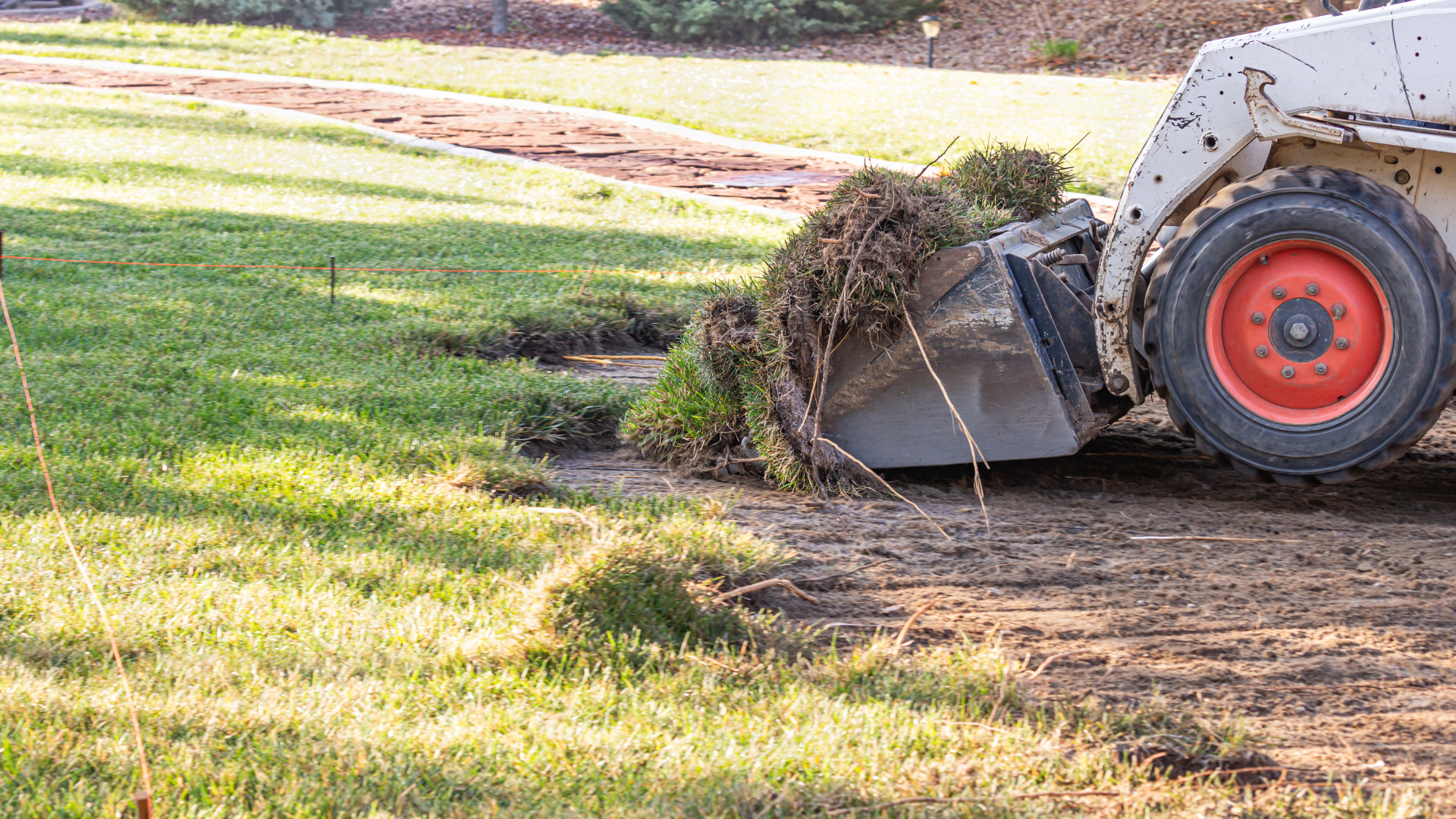
Skid steer loader clearing dirt on a grassy yard, with a pile of soil near the bucket and wheel visible

The NOAA Connecticut State Climate Summary documents 47.3 inches of annual precipitation with no dry season and extreme events becoming more frequent. Late August is the driest practical window before the fall storms, and grading work completed now has time to settle and vegetate before it is tested.


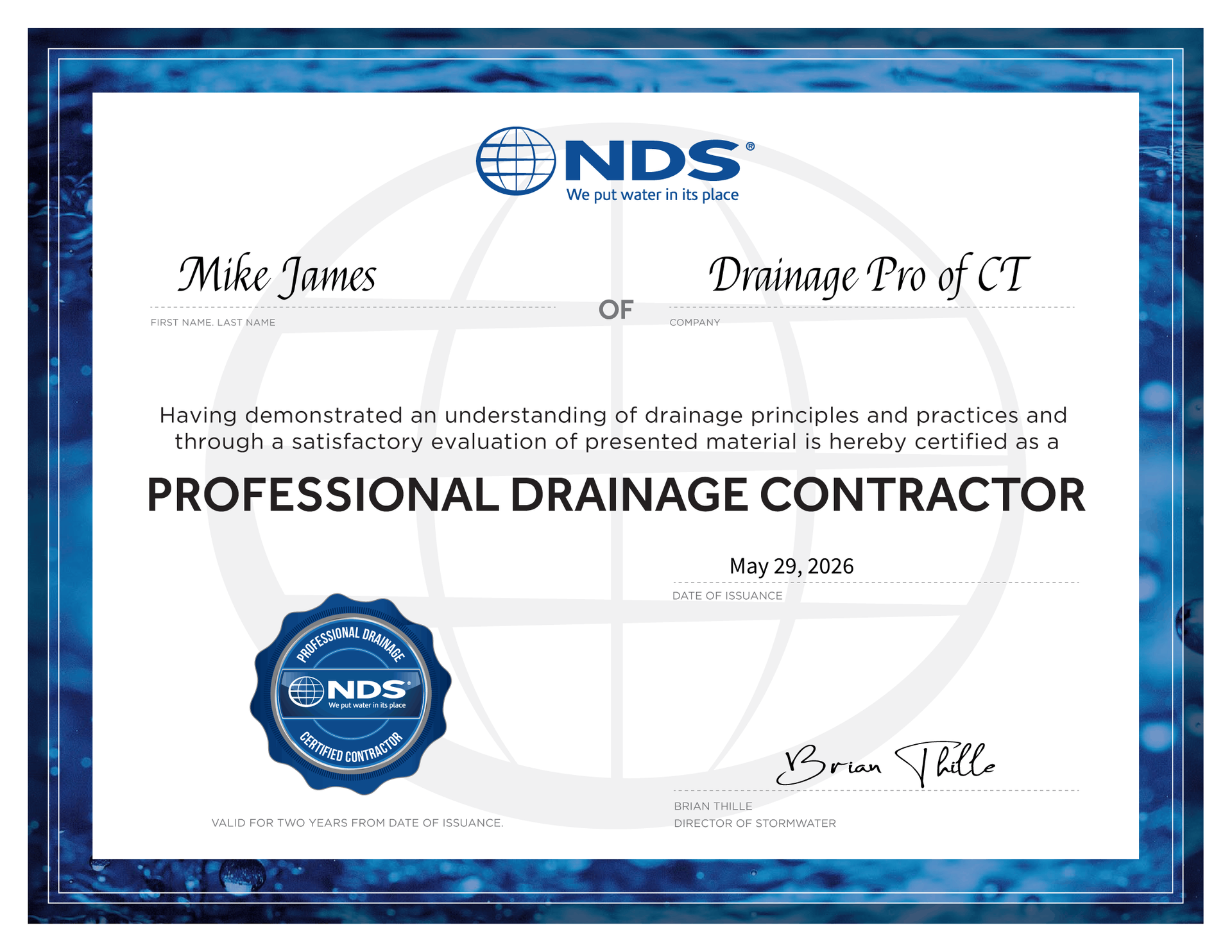
Drainage Pro of CT's yard drainage service covers grading corrections, French drains, curtain drains, catch basins, and dry well installations across all 13 Shoreline towns. The team is a certified NDS Professional Drainage Contractor, and every project starts with an on-site assessment of the property's grade, soil, and water behavior before any solution is recommended.

If your property in Clinton, Madison, Guilford, Old Saybrook, or East Lyme has standing water, slope-driven moisture, or foundation drainage concerns, Drainage Pro of CT can assess whether the lot needs interception, direction, or both, and build the grading solution that matches the actual property.


Yard Drainage Solutions | French Drain Installation | Curtain Drain Installation | Foundation Waterproofing | Contact Drainage Pro of CT


(860) 852-6270 | drainageproofct.com | Clinton, CT | HIC #0706616 | NDS Certified Professional Drainage Contractor

Black plastic pipe protruding from a dirt trench in a grassy yard, with tools nearby.
By Mike James September 1, 2026
Learn why dry wells overflow in heavy Connecticut rain, how to test capacity, spot failure signs, compare fixes, and improve yard drainage before fall.
Gray downspout draining into a black grated drain beside a building, surrounded by white stones and grass.
By Mike James September 1, 2026
Learn how to check French drain performance before Connecticut fall rain, spot clogs, clean outlets, test flow, and know when repair is actually needed.
Calm river reflecting trees and sky, bordered by green grass and dense forest.
By Mike James August 25, 2026
Standing water on a CT Shoreline yard is more than a nuisance. Drainage Pro of CT explains 4 ways it quietly damages your property more than you expect.
Concrete block wall with two copper pipes protruding from sandy ground at a construction site
By Mike James August 4, 2026
Exterior waterproofing stops water at the wall. Interior manages it after entry. Drainage Pro of CT explains both and why the team only works outside.
A modern white house with a brown roof, stone walkway, and green lawn under a partly cloudy sky
By Mike James July 29, 2026
Standing water and soggy soil rarely fix themselves in a Connecticut yard. Drainage Pro of CT explains 6 signs your drainage problem will only get worse.
Metal storm drain grate set in a grassy lawn
By Mike James July 21, 2026
Curtain drains and French drains both use perforated pipe and gravel, but they solve different problems. Drainage Pro of CT explains the difference, where each belongs on a Connecticut Shoreline property, and how to know which one your drainage situation actually calls for.
White suburban house with a two-car garage, front porch, and driveway under a clear sky
By Mike James July 17, 2026
Standing water in your yard is not just a nuisance. It is the first sign of a drainage failure that can cost Connecticut Shoreline homeowners tens of thousands in foundation repairs. Drainage Pro of CT explains what a professional inspection finds and why it matters.
Narrow brown garden path bordered by white stones through green grass and hedges
By Mike James July 7, 2026
Learn when DIY soil management is enough and when Connecticut shoreline homeowners need professional yard drainage to solve standing water, foundation moisture, grading, and runoff problems.
Hands in plaid sleeves placing black irrigation pipe on grassy ground near water.
By Mike James June 30, 2026
A French drain that stops working within a year or two almost always failed for one of seven reasons. Drainage Pro of CT explains the mistakes that doom French drain installations in Clinton, Madison, and across the CT Shoreline.
Black downspout drain on white gravel beside a beige wall and patio pavers
By Mike James June 22, 2026
French drains and dry wells solve different drainage problems. Drainage Pro of CT explains how Connecticut shoreline soil conditions, high water tables, and coastal rainfall patterns determine which system is right for your property.