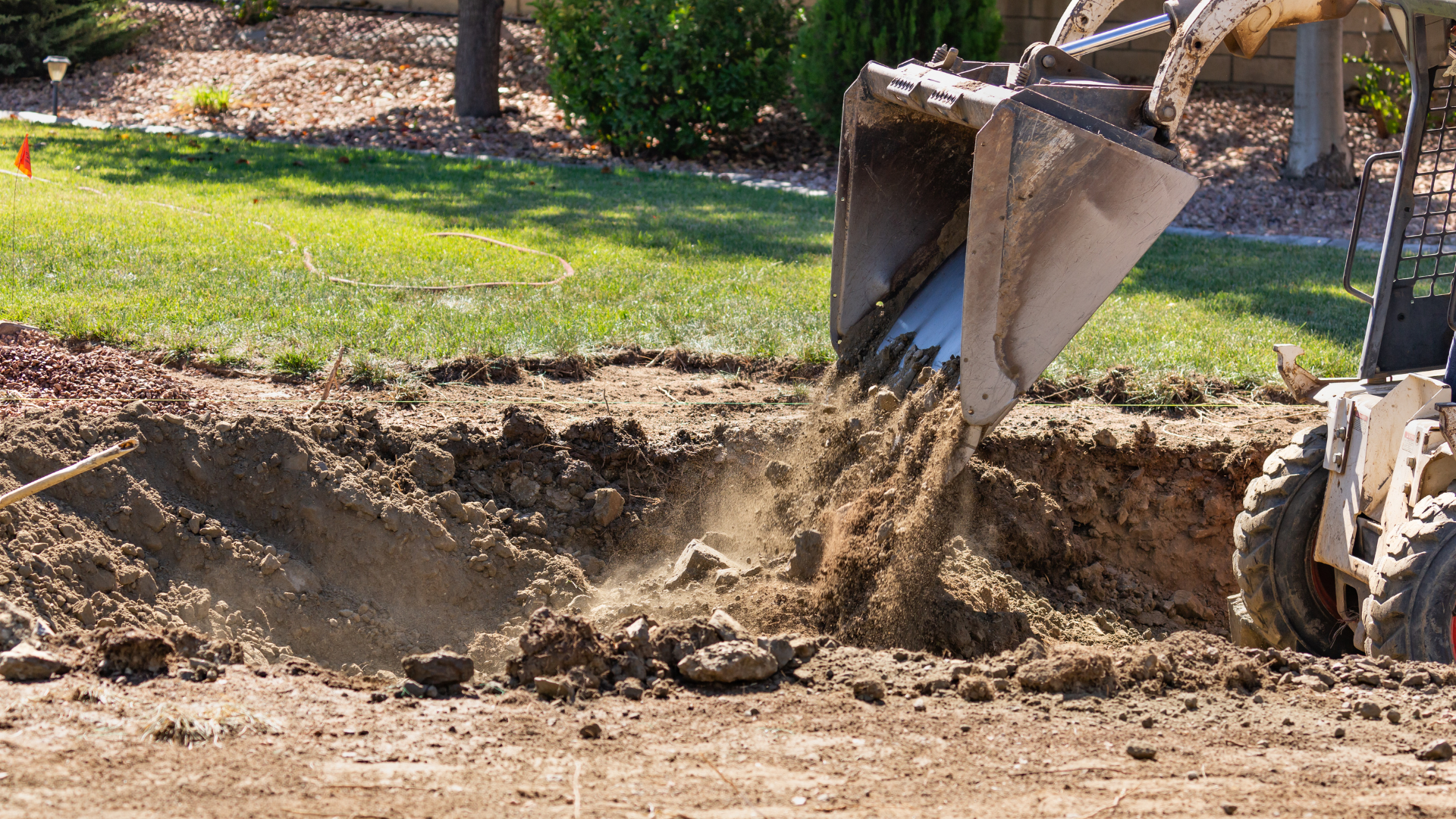
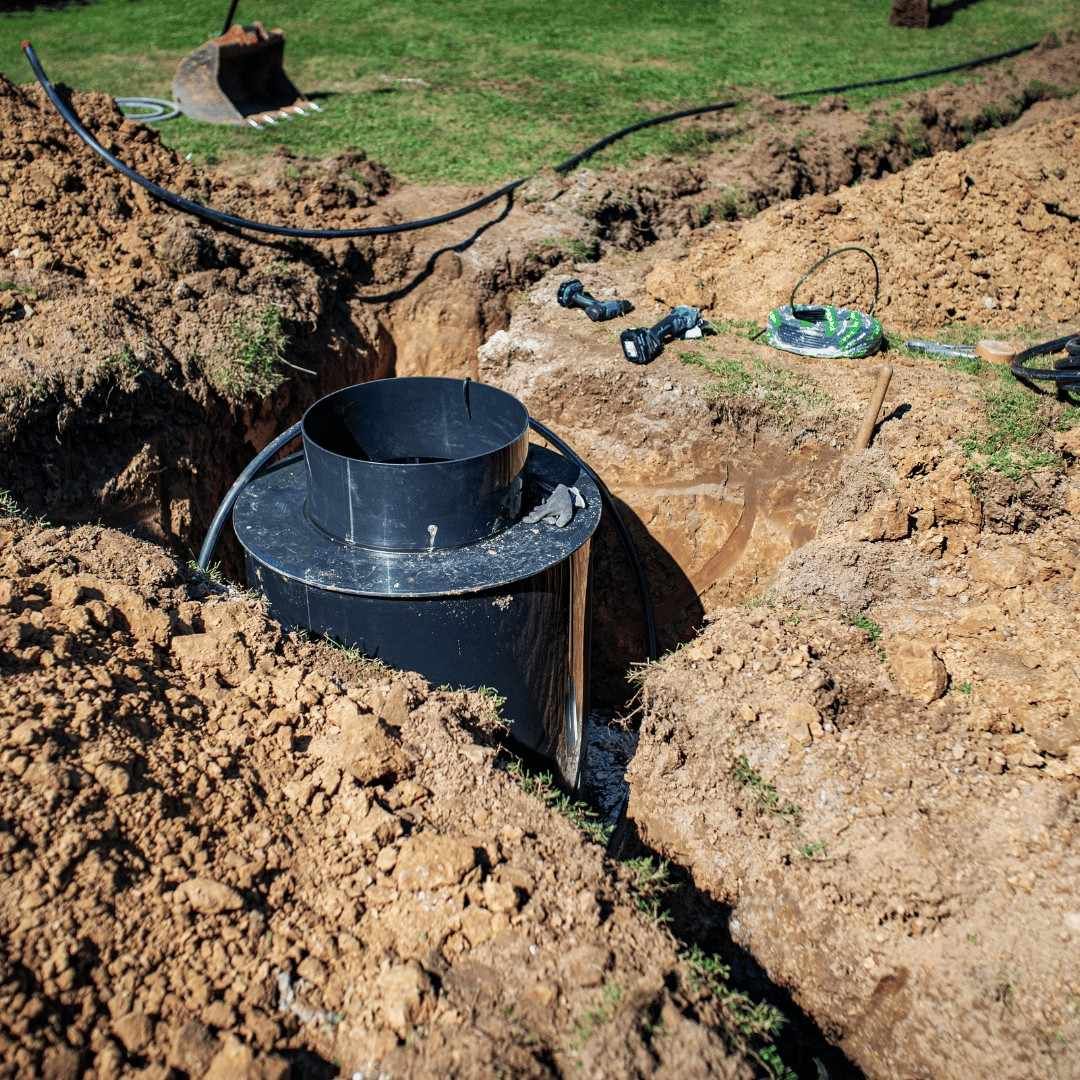
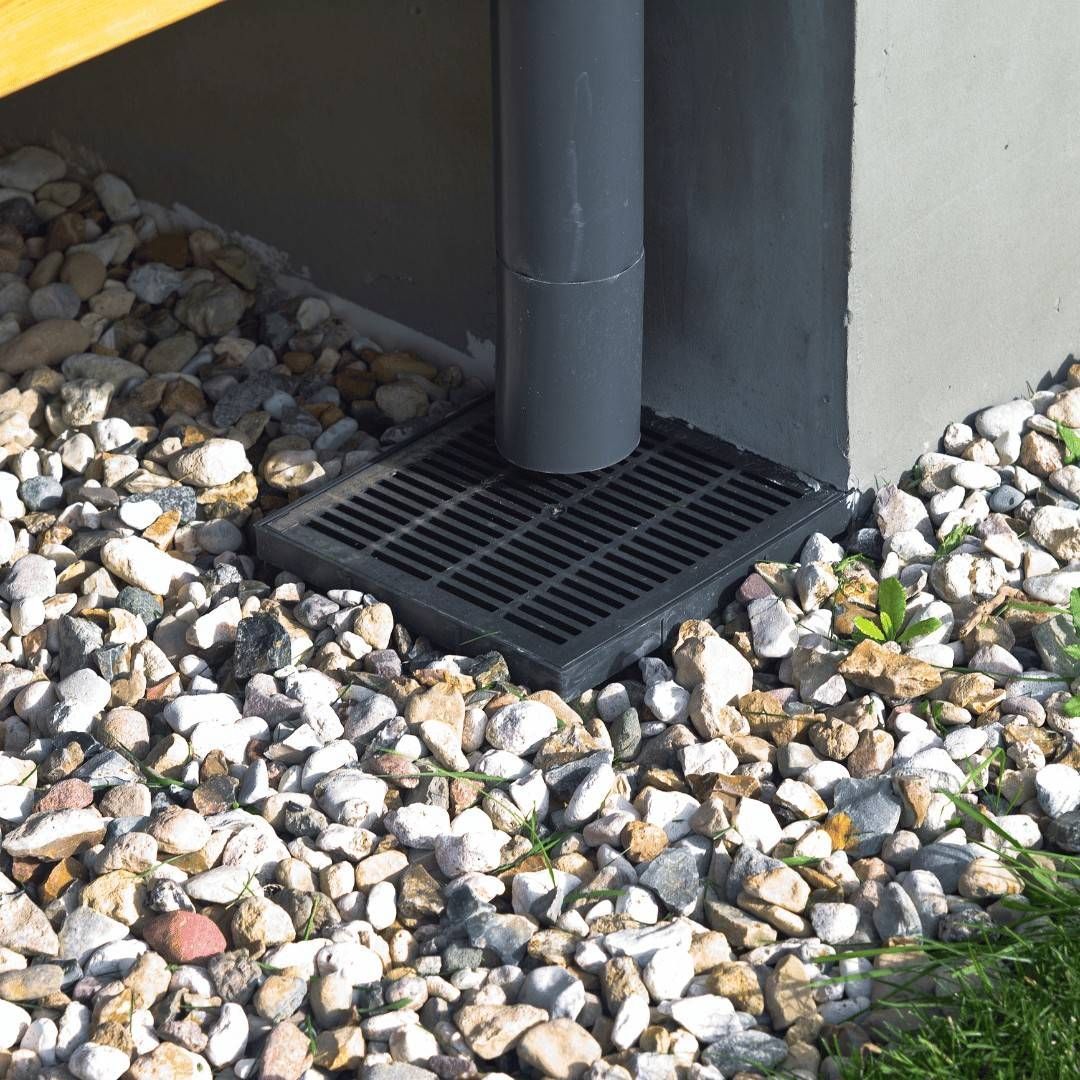
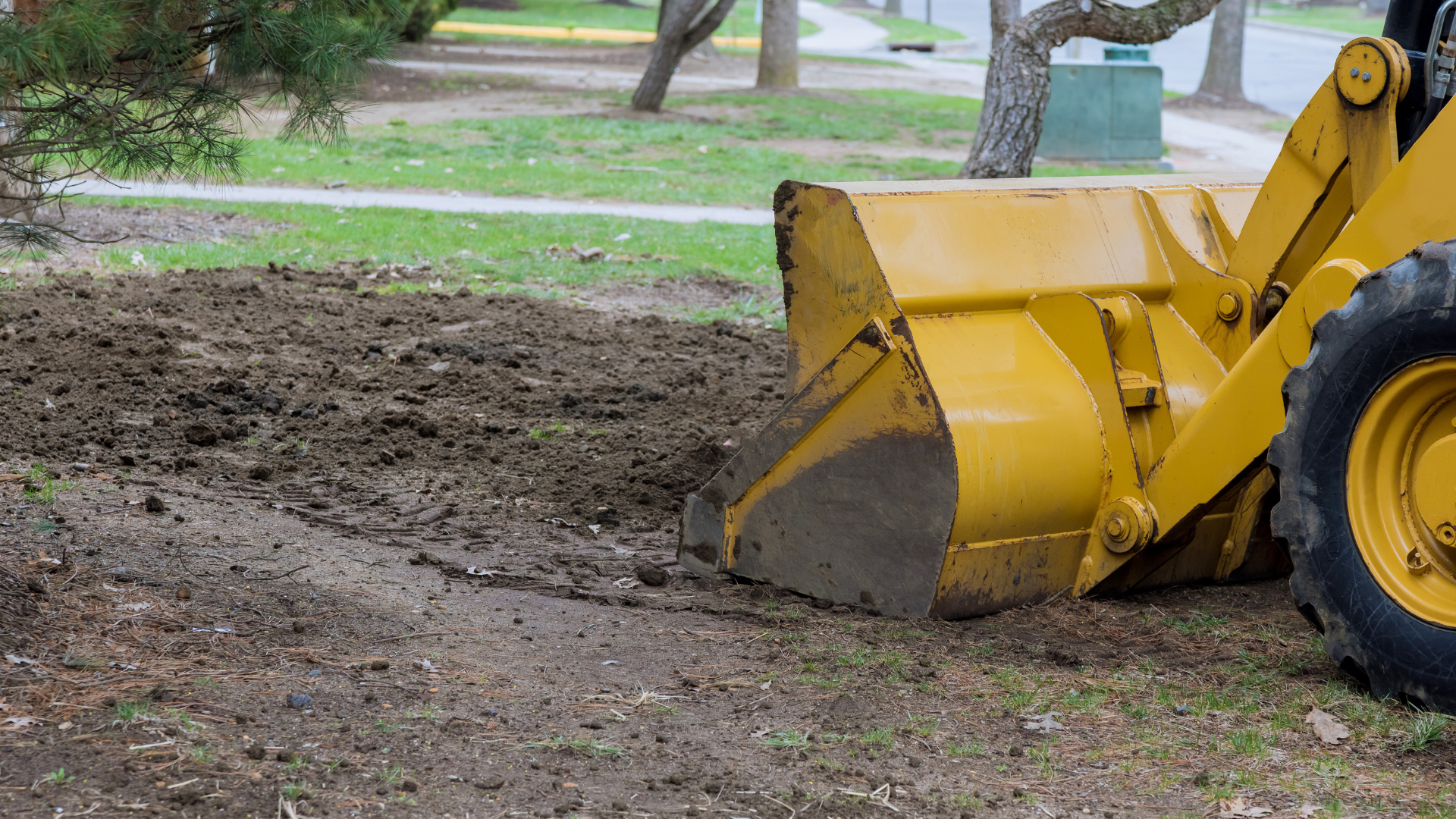
Why this mistake is so damaging: The excavated soil, particularly Connecticut's clay-heavy shoreline soil, has the same low permeability problem that likely contributed to the original drainage issue. Backfilling with this soil directly on top of the gravel and fabric system creates a dense, slow-draining cap that reduces the rate at which surface water can reach the drainage system below it. In clay soil, surface water sits on top of this backfill rather than percolating down into the French drain, which means the system never receives the water it was designed to manage.
The correct approach uses clean gravel as backfill above the fabric-wrapped drainage layer up to a point near the surface, with the final few inches restored with topsoil and seed or sod to blend with the surrounding landscape. This maintains permeability through the full depth of the installation rather than capping a functional drainage system with the same low-permeability soil that was part of the original problem.
When a homeowner in Clinton, Madison, Guilford, or Old Saybrook has water showing up in the basement, the first question is how to stop it. Two very different approaches exist: exterior foundation waterproofing, which stops water before it reaches the wall, and interior waterproofing, which manages water after it has already entered. Both are legitimate. Both have a place. And Drainage Pro of CT only does one of them, for a specific reason worth understanding before any money changes hands.
This is the right time to have this conversation. Late summer on the Connecticut Shoreline is the calm window before fall nor'easters, hurricane remnants, and the freeze-thaw winter that follows. A foundation waterproofing decision made and executed in August or September protects the home through the seasons that test it hardest.
Drainage Pro of CT is based in Clinton and serves all 13 Connecticut Shoreline towns. The company is an exterior drainage and waterproofing specialist. This guide explains both approaches honestly, when each makes sense, and why Drainage Pro only performs the exterior work.
What Each Approach Actually Does
The two methods sound like variations of the same thing. They are not. They address water at completely different points in its path, and that distinction is the whole comparison.
Exterior foundation waterproofing
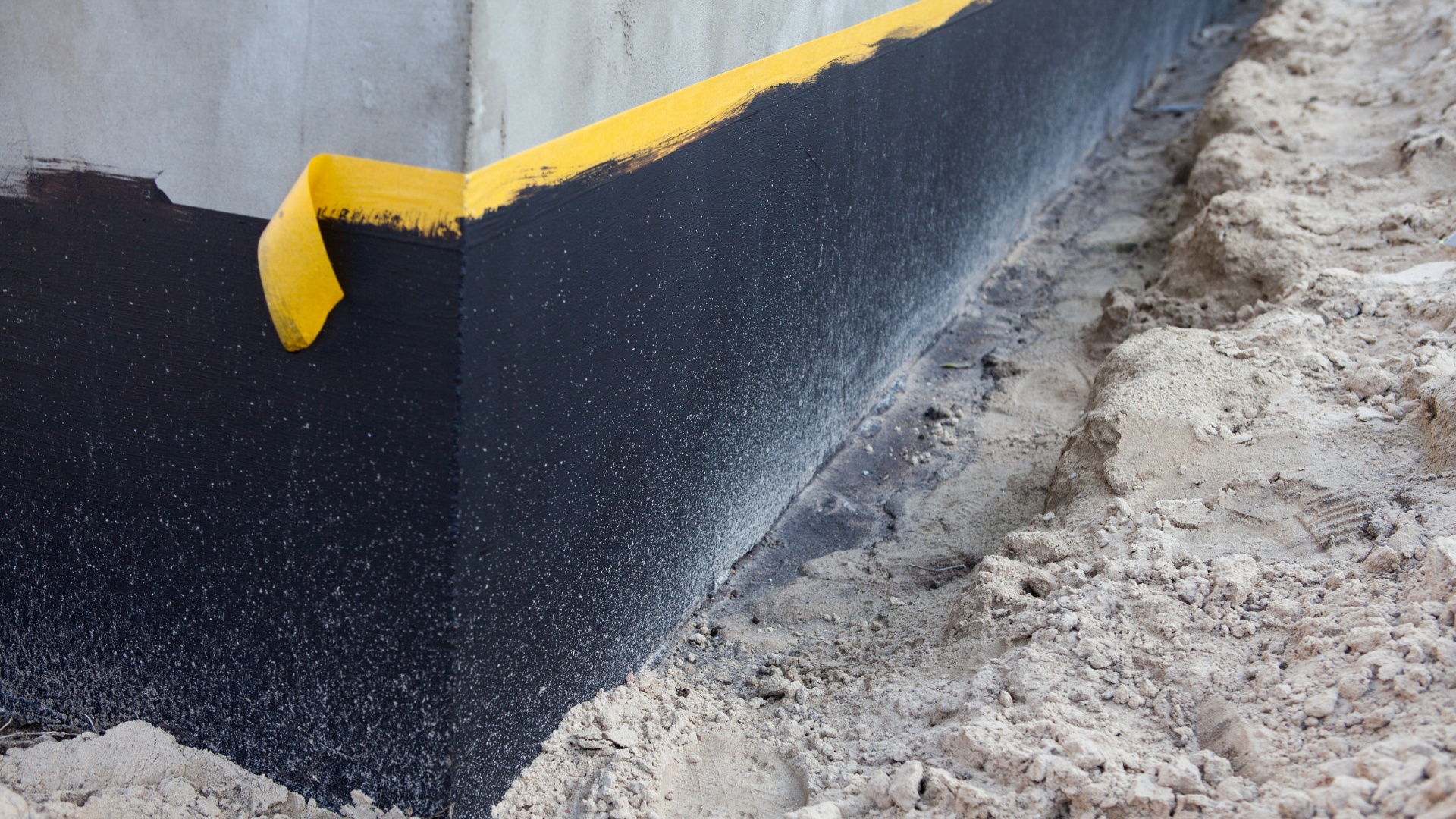
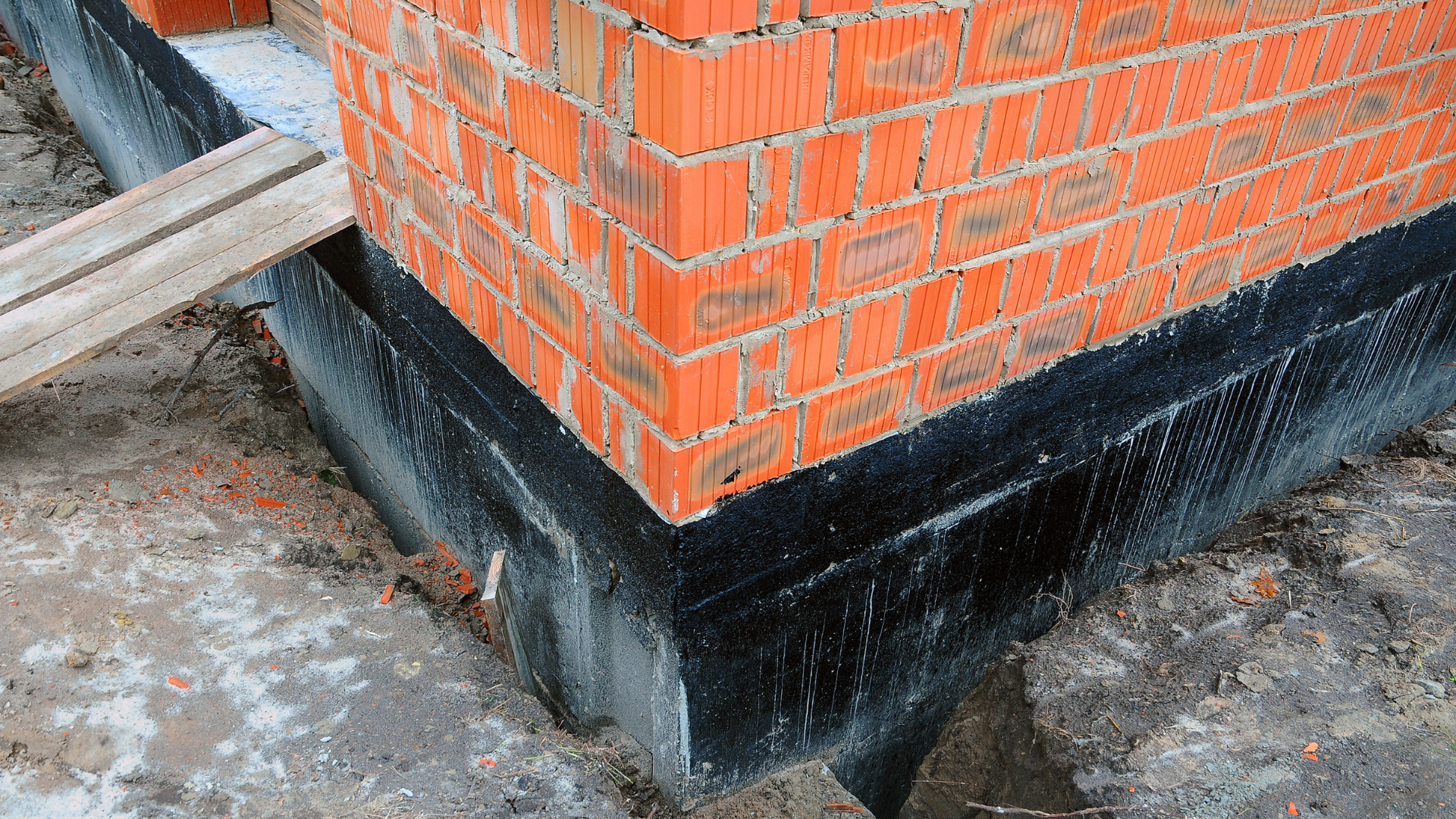
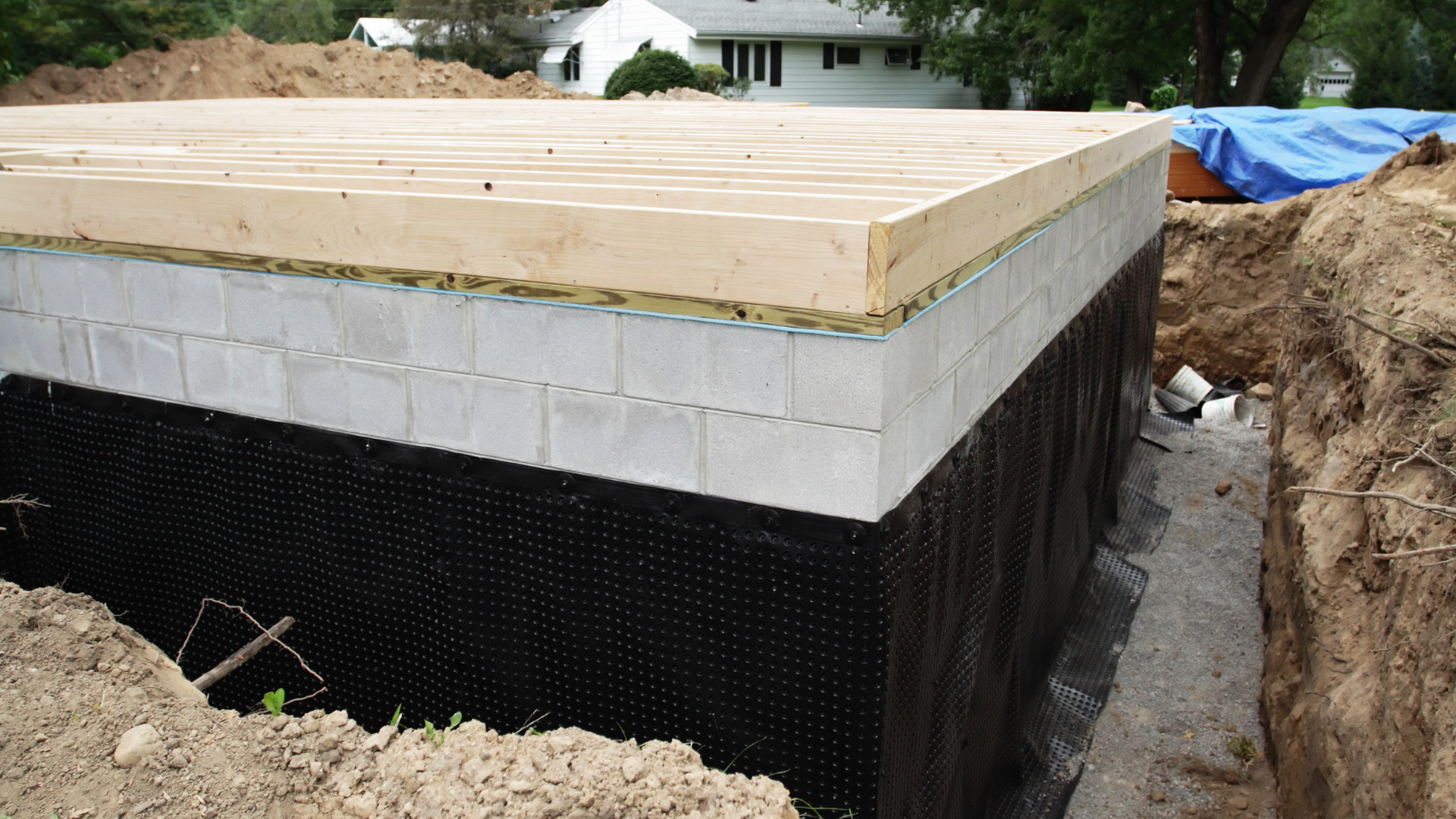
works from the outside. The soil is excavated down to the footing, a waterproof membrane or coating is applied to the exterior face of the foundation wall, and a drainage system, typically a French drain at the footing level, intercepts and redirects groundwater before it ever contacts the foundation. The water is stopped at the wall. It never enters the structure.
Interior waterproofing
works from inside the basement. A perimeter drain channel or drain tile is installed along the inside edge of the basement floor, typically by removing a strip of the concrete slab, and collected water is routed to a sump pit where a pump discharges it away from the home. The water enters the structure, but it is captured and removed before it reaches the finished space.
The University of Minnesota Extension describes exterior drainage as the most effective water control approach for existing buildings and notes that it is also the most costly because it requires excavating the area around the foundation. Interior systems, the Extension notes, intercept water at the footing level inside the basement and redirect it to a sump. Both are described as valid drainage solutions; the difference is where each one operates.
| Factor | Exterior waterproofing | Interior waterproofing |
|---|---|---|
| Where it works | Outside the foundation wall | Inside the basement |
| What it does to water | Prevents it from reaching the wall | Captures it after it enters |
| Excavation required | Yes, around the foundation | No exterior excavation |
| Disruption to landscaping | Yes, temporary | None |
| Disruption to interior | None | Slab removal, potential finish removal |
| Addresses the source | Yes | Manages the symptom |
| Sump pump required | Not always | Yes, required |
| Best for | Lateral water through walls | Hydrostatic pressure from below |
Neither approach is wrong in the right situation. The question is which situation a homeowner is actually in.
Why Drainage Pro of CT Only Works Outside
This is a business positioning choice, not a judgment that interior waterproofing has no value. It is an honest recognition that Drainage Pro's expertise, equipment, and approach are built around solving the problem at the source rather than managing its consequences indoors, and the team is better served doing the work it does best rather than trying to be everything.
Here is the reasoning:
Exterior waterproofing addresses the cause.
Water entering a foundation is an exterior problem. The water is in the soil outside the wall, moving through it under hydrostatic pressure or flowing laterally from saturated ground. Exterior waterproofing intercepts that water and redirects it before it contacts the wall. It treats the cause. Interior systems manage the effect.
The company's skills and equipment are built for excavation and drainage.
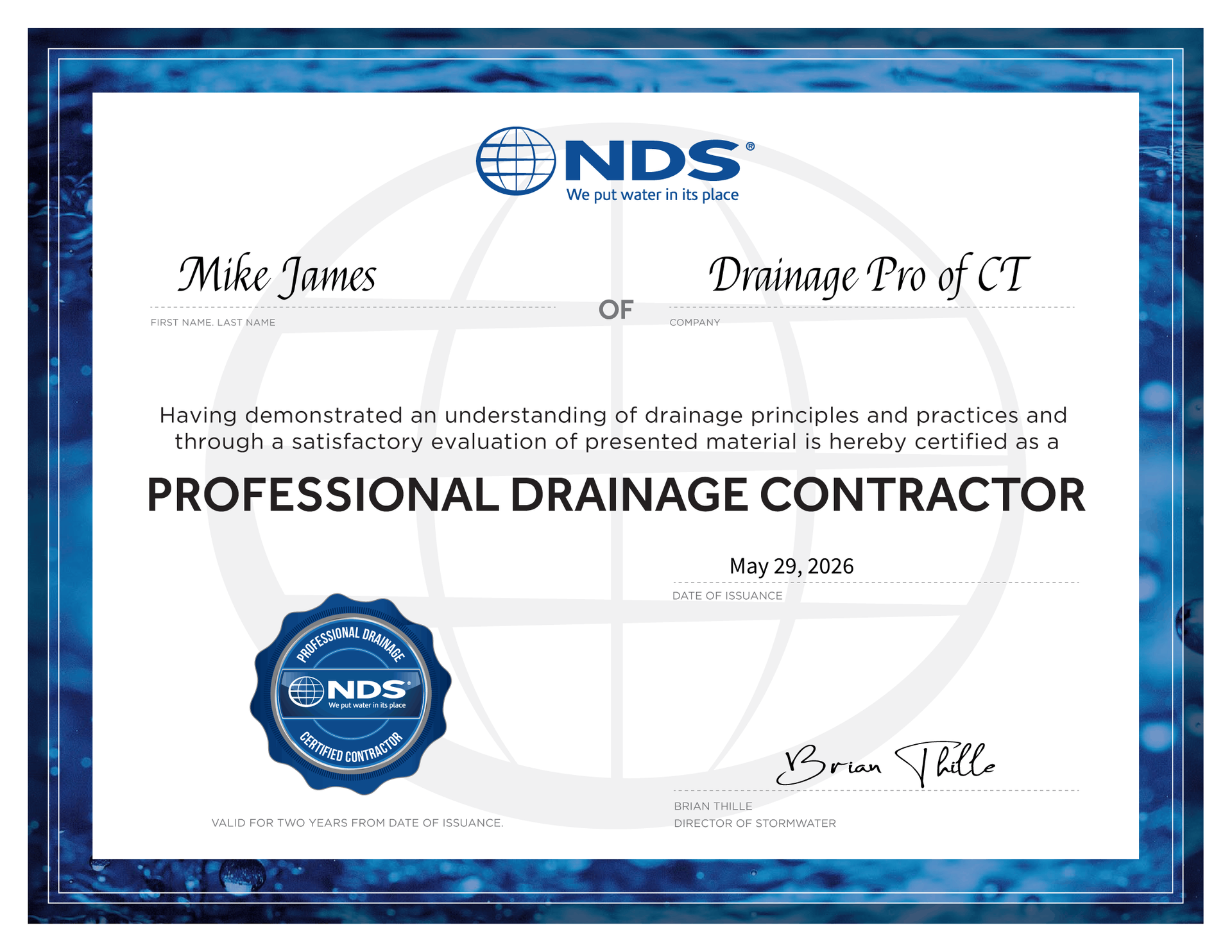
Drainage Pro of CT installs French drains, curtain drains, yard drainage systems, and foundation perimeter drainage. That work is excavation, pipe, gravel, grading, and discharge, all exterior. The team's NDS certification, equipment, and decades of experience are purpose-built for working in the ground around foundations, not inside finished basements.
Honesty about scope matters.
A company that does everything risks doing some of it less well. Drainage Pro does exterior drainage and waterproofing, does it at a high level, and refers homeowners to an interior specialist when their specific situation calls for an interior solution. That honesty is better for the homeowner than a company stretching beyond its core expertise to capture the whole job.
When Exterior Waterproofing Is the Right Answer
Exterior waterproofing is the most effective answer when water is entering through the foundation walls from the surrounding soil, which is the most common scenario on Connecticut Shoreline properties with clay-heavy and silt-heavy soils, high water tables, and sloped terrain.
When exterior is the right call:
- Water staining, seeping, or leaking through the foundation wall itself
- Moisture that appears along the wall after rain and correlates with exterior saturation
- A lot that slopes toward the house, directing surface and subsurface water at the foundation
- An older foundation with no original waterproof membrane or deteriorated dampproofing
- Conditions that worsen with Connecticut's sustained fall and winter rainfall
The U.S. Environmental Protection Agency advises homeowners to ensure the ground slopes away from the foundation and to repair gutters to prevent water from collecting at the base of the house. Exterior waterproofing takes those principles to their full conclusion: it corrects the grading, intercepts the subsurface water with a drain at the footing, and places a waterproof barrier on the wall so water cannot reach it even under pressure.
When Interior Waterproofing Makes More Sense
Drainage Pro does not install interior systems, but honesty requires acknowledging when they are the better answer, because sometimes they are.
Interior waterproofing is the more appropriate solution when:
- Water is entering from beneath the slab through hydrostatic pressure pushing up from a high water table. An exterior membrane on the wall does not address water coming from below.
- The basement is finished and the homeowner wants to protect the interior space without the disruption of exterior excavation and temporary loss of landscaping.
- Exterior excavation is physically impractical because of structures, hardscaping, or access limitations that make digging around the foundation impossible or disproportionately expensive.
- The problem is isolated to the cove joint where the slab meets the wall, a condition that interior perimeter drainage is specifically designed to address.
When a homeowner's situation points clearly toward an interior solution, Drainage Pro says so and recommends they consult with an interior waterproofing specialist rather than trying to force an exterior approach that does not fit the problem. That is what working within a defined scope looks like in practice.
What Exterior Foundation Waterproofing Involves on a CT Shoreline Property
For homeowners who have never seen an exterior waterproofing project, understanding the scope helps set realistic expectations about the timeline, the disruption, and why the investment protects the home as long as it does.

| Phase | What happens |
|---|---|
| Assessment | Foundation condition, water source, soil type evaluated |
| Excavation | Soil removed down to the footing around the affected wall |
| Wall preparation | Foundation cleaned, cracks and damage repaired |
| Membrane application | Waterproof membrane or coating applied to the wall |
| Drain installation | Perforated pipe in gravel at the footing level |
| Backfill and grading | Trench backfilled, grade corrected away from the house |
| Discharge connection | Drain tied to daylight, dry well, or storm connection |

On a Connecticut Shoreline property, two local factors affect the installation specifically. The frost line in the Clinton and Madison area runs 36 to 42 inches, which means the excavation and drain installation must go deep enough that the system is protected from frost heave. And Connecticut's year-round rainfall, averaging 47.3 inches per the NOAA Connecticut State Climate Summary, means the system needs to perform under constant moisture load with no seasonal break.
Why Doing This Before Fall Matters
Connecticut's fall and winter are the hardest seasons on a foundation. Sustained nor'easter rainfall, hurricane remnants, and the freeze-thaw cycling that follows all drive water against the foundation wall at its highest volume and pressure.
Addressing a known foundation moisture issue in the late-summer window means:
- The work happens in dry, manageable conditions
- The protection is in place before the heavy rain arrives
- The excavation and backfill settle before winter freeze
- The foundation enters the worst season fully protected
Waiting until water is actively coming in during a November nor'easter turns a planned project into a reactive one, with wet conditions, compressed scheduling, and a foundation that has already absorbed another season of the damage.
If your foundation is showing signs of moisture, seepage, or water intrusion in Clinton, Madison, Guilford, Old Saybrook, or East Lyme, Drainage Pro of CT can assess the source and determine whether exterior waterproofing is the right solution. And if it is not, the team will tell you that too.
Foundation Waterproofing | French Drain Installation | Curtain Drain Installation | Yard Drainage Solutions | Contact Drainage Pro of CT
(860) 852-6270 | drainageproofct.com | Clinton, CT | HIC #0654716 | NDS Certified Professional Drainage Contractor