Most drainage problems on Connecticut Shoreline properties do not announce themselves. They show up as small, easy-to-dismiss things: a corner of the yard that stays soggy a little too long, a patch of grass that will not grow, a faint musty smell in the basement after heavy rain. None of it feels urgent, so it waits.
The trouble is that yard drainage problems do not hold steady while they wait. Water follows the same path every time it rains, and each storm deepens the channel, saturates the soil a little more, and pushes the problem closer to the foundation. In a Connecticut climate that delivers 47 inches of rain a year with no dry season, a minor drainage issue in spring becomes a foundation concern by fall.
Drainage Pro of CT is based in Clinton and serves properties across all 13 Connecticut Shoreline towns. These are the six signs the team looks for that tell a homeowner a drainage problem is already in motion and will not resolve on its own.
1. Standing Water That Lingers After the Rain Stops
The clearest sign, and the one homeowners most often talk themselves out of, is water that pools in the yard and stays there.
A well-draining yard sheds water within a few hours of a rain event. When water sits in the same low spots 24 to 48 hours after the rain has stopped, the soil in that area cannot absorb or move water fast enough, and that is a drainage problem by definition. On Connecticut Shoreline properties, this is especially common because of the soil.
Why it will not resolve on its own:
- The soil that cannot drain today will not suddenly drain next storm
- Standing water compacts the soil further, reducing its capacity even more
- Each event saturates the area deeper and holds water longer
- Pooling near the house is pressurizing the foundation every time it happens
Standing water is not a dry-spell problem waiting to be solved by nicer weather. It is the surface symptom of soil that has stopped moving water.
2. A Lawn That Stays Soggy, Spongy, or Won't Grow
Sometimes there is no visible standing water, but the ground itself tells the story underfoot.
A lawn area that feels spongy or soft days after rain, that squelches when walked on, or that has developed bare patches where grass simply will not establish, is showing chronic soil saturation. Grass roots need air in the soil. When an area stays waterlogged, the roots suffocate, the turf thins, and moss or bare soil takes over where healthy grass used to be.
On properties in Clinton, Madison, Guilford, and Old Saybrook, this pattern shows up in predictable places:
- Low spots and natural collection areas in the yard
- The base of slopes where water sheets down and sits
- Areas downhill from a neighbor's property or elevated terrain
- Along foundation lines where downspouts discharge
A soggy lawn is the drainage problem you feel before you see, and it marks exactly where the water is collecting below the surface.
3. Water Showing Up in the Basement or Crawl Space
When a yard drainage problem moves indoors, it has stopped being a landscaping issue and become a structural one.
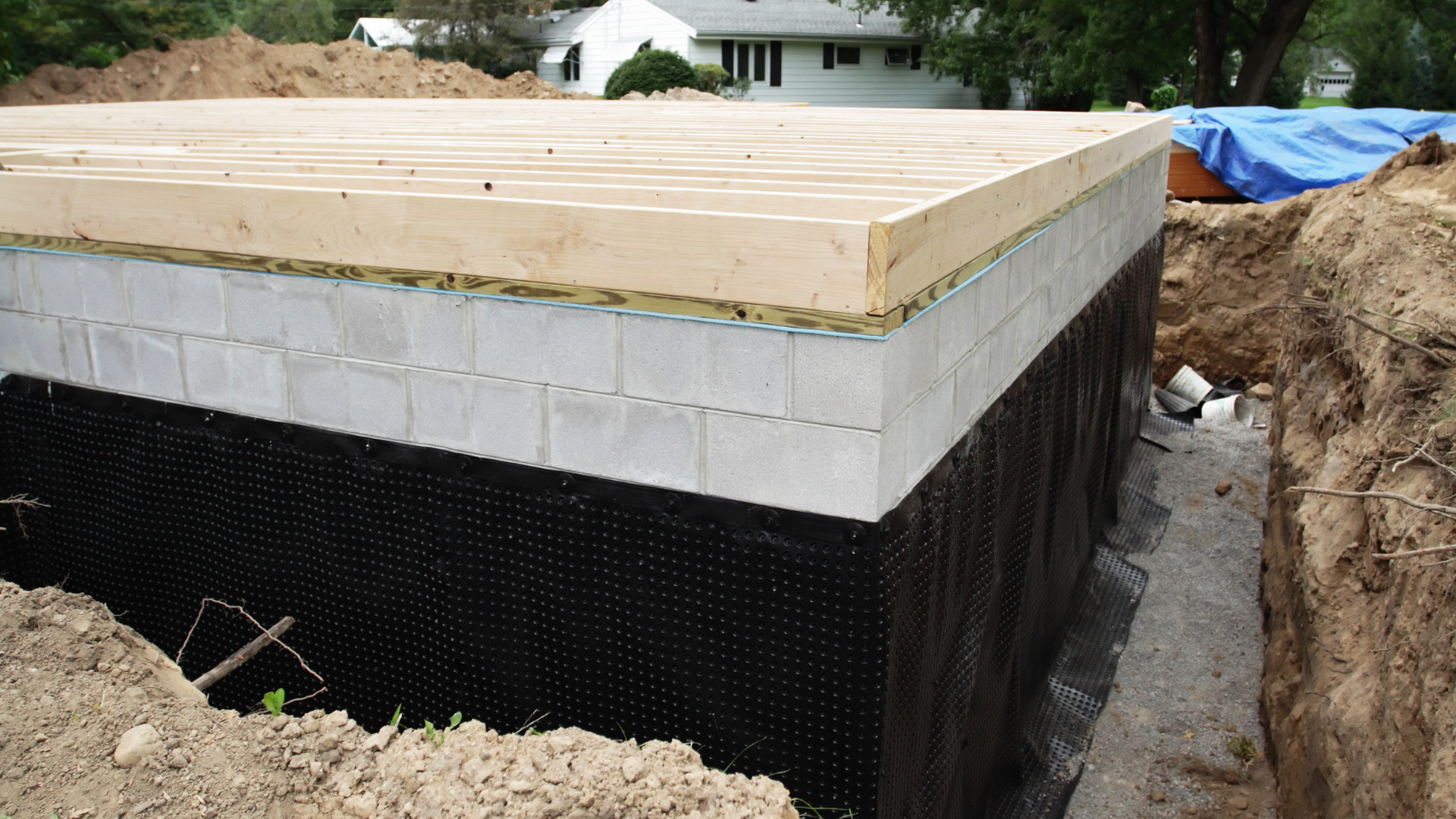
Basement moisture that appears after rain, or during spring snowmelt, is evidence that water is reaching the foundation and finding its way through. The
U.S. Environmental Protection Agency notes in its home moisture guidance that water in the basement can result from a lack of proper drainage or water flowing toward the house, and it advises grading the ground so that water moves away from the foundation.
This sign matters more than the others because of what follows it:
- Saturated soil against the foundation drives hydrostatic pressure through the wall
- FEMA documents that one inch of water in a home can cause up to $25,000 in damage
- Persistent moisture creates the conditions for mold within 24 to 48 hours
- Finished basement space, flooring, and belongings are at risk
Basement water is the point at which a yard drainage problem starts writing large checks. It is also the clearest signal that the exterior water needs to be intercepted before it reaches the house.
4. Soil Erosion, Channels, or Gullies Forming
When water moves across a yard with enough volume and speed, it takes the soil with it, and the evidence it leaves behind points straight to the problem.
Visible channels, small gullies, exposed roots, or fans of washed-out soil are signs of concentrated water flow. Something, a downspout, a slope, a low point, is directing a large volume of water across the same path repeatedly, and it is carrying the yard away in the process. On Connecticut Shoreline properties, this erosion does more than make a mess.
Why erosion accelerates the underlying problem:
- Channels carve deeper with each storm, concentrating water further
- Eroded soil often gets deposited where it reverses the yard's grade
- A reversed grade sends even more water back toward the house
- Exposed roots and undermined hardscape follow
Erosion is a drainage problem actively making itself worse. The water is not just failing to drain, it is reshaping the property to drain even more poorly.
5. Mulch and Landscaping Washing Out Repeatedly
If the mulch beds keep disappearing and the plantings keep struggling, the landscape is telling you where the water goes.
Mulch that washes out of beds after every heavy rain, plants that fail in a particular area no matter what gets planted there, and soil that keeps migrating out of place are all signs that stormwater is routing through the landscaping rather than around it. Homeowners often treat this as a landscaping problem and keep replacing mulch and plants, when the actual issue is drainage moving water through those beds.
The recurring costs add up:
- Mulch replaced season after season in the same spots
- Plants and shrubs lost to waterlogged soil or washout
- Money spent on landscaping that the next storm undoes
- The underlying water path never addressed
Replacing what washes away treats the symptom every season. The water will keep coming until the drainage is corrected.
6. Cracks or Moisture Near the Foundation
The most serious sign, and the one that means the problem has reached the structure, shows up on the foundation itself.
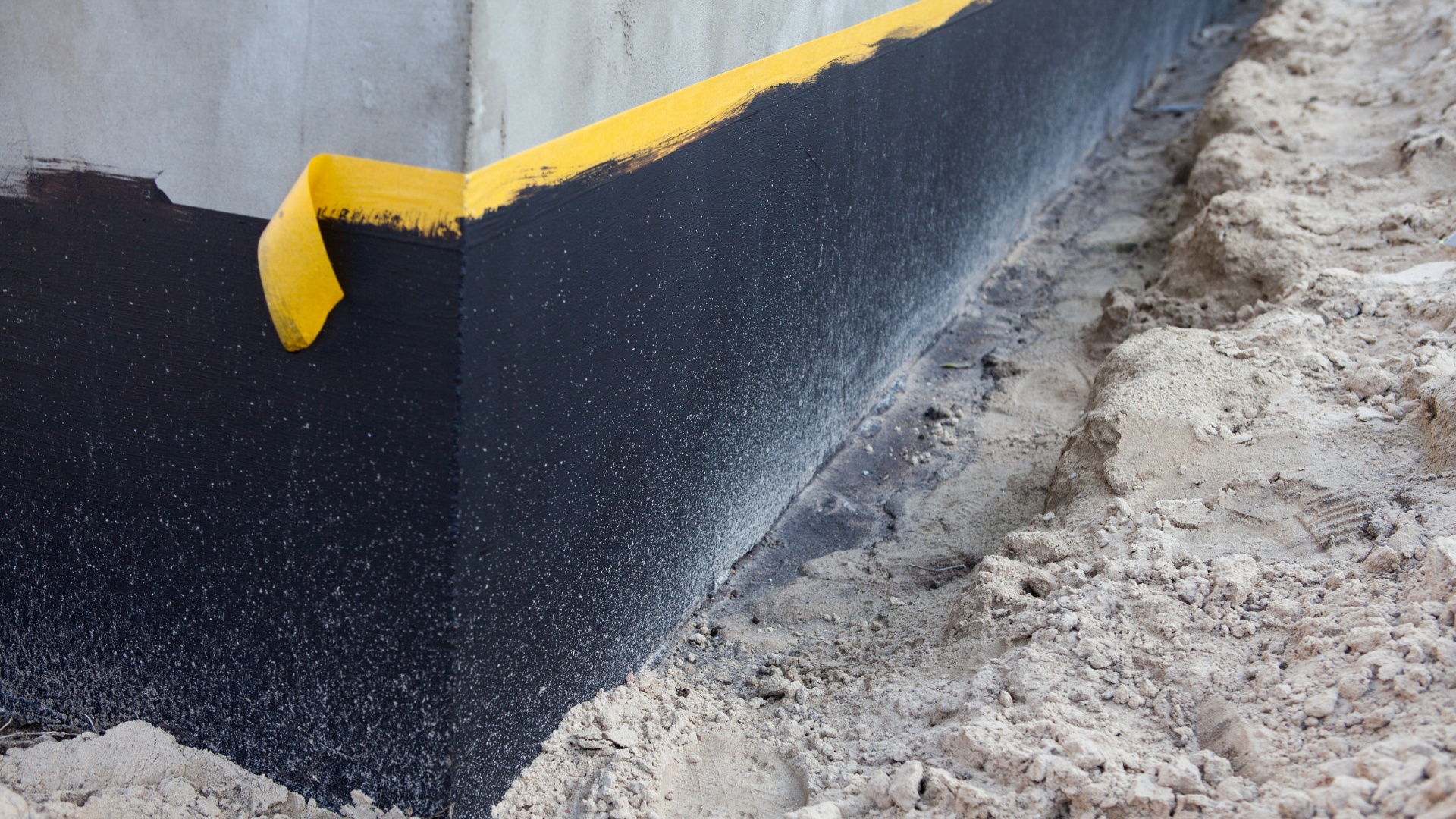
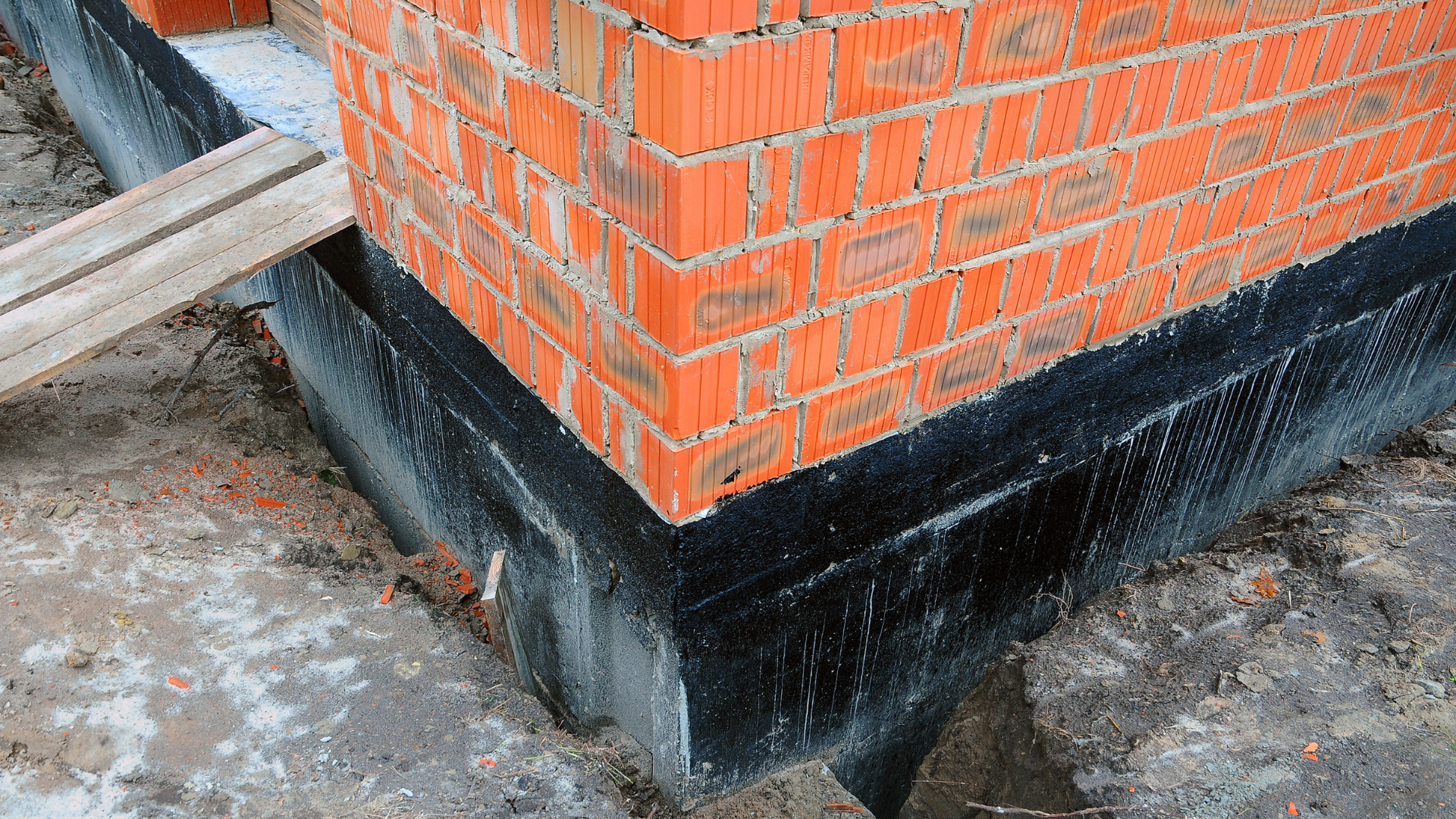
Hairline cracks in the foundation wall, white mineral staining called efflorescence where water has passed through concrete, soil that stays visibly wet against the foundation between rain events, and moisture or musty odor in the lowest level of the home all indicate that water has been working against the foundation for a while. Connecticut's freeze-thaw winters make this worse: water in the soil against the foundation freezes, expands, and widens any existing crack, then thaws and lets more water in.
This sign should not wait:
- Foundation repair is dramatically more expensive than drainage correction
- Freeze-thaw cycling widens the damage every winter
- The water source is almost always correctable exterior drainage
- Addressing the drainage stops the damage at the cause
By the time the foundation shows signs, the yard drainage problem has been in motion for a while. The good news is that the fix is usually still exterior, redirecting the water before it reaches the wall, rather than structural.
How Fast a Connecticut Drainage Problem Compounds
None of these signs improve with time. On a Connecticut Shoreline property with year-round rainfall, they progress on a predictable path from surface nuisance to structural cost.