Curtain Drain vs French Drain: What Is the Difference and Which Does Your CT Property Need
Mike James • July 21, 2026

Why this mistake is so damaging: The excavated soil, particularly Connecticut's clay-heavy shoreline soil, has the same low permeability problem that likely contributed to the original drainage issue. Backfilling with this soil directly on top of the gravel and fabric system creates a dense, slow-draining cap that reduces the rate at which surface water can reach the drainage system below it. In clay soil, surface water sits on top of this backfill rather than percolating down into the French drain, which means the system never receives the water it was designed to manage.

The correct approach uses clean gravel as backfill above the fabric-wrapped drainage layer up to a point near the surface, with the final few inches restored with topsoil and seed or sod to blend with the surrounding landscape. This maintains permeability through the full depth of the installation rather than capping a functional drainage system with the same low-permeability soil that was part of the original problem.

Most homeowners in Clinton, Madison, Guilford, Old Saybrook, and East Lyme who call about a drainage problem describe the same situation. Water is ending up somewhere it should not be. The yard stays wet after rain. The basement shows moisture. The soil along the foundation stays soft long after a storm passes. They have heard that a French drain or a curtain drain might be the answer, and they want to know which one they need.


The honest answer is that French drains and curtain drains are related systems that solve different problems. They share the same core components, a perforated pipe set in a gravel-filled trench lined with filter fabric, but they are positioned differently on the property, oriented differently relative to water flow, and designed to intercept water at different points in its path toward the problem area. Installing the wrong one does not necessarily cause harm, but it does not fully solve the problem either.


Drainage Pro of CT is based in Clinton and serves residential and commercial properties across all 13 towns on the Connecticut Shoreline. This is the explanation the team gives property owners before any installation recommendation is made.


Why This Distinction Matters on Connecticut Shoreline Properties

The Connecticut Shoreline is not a uniform drainage environment. Properties along the coastal communities of Clinton, Westbrook, and Old Saybrook have different soil profiles and water table behavior than the more elevated and heavily wooded parcels in Guilford, Madison, and East Lyme. The slope conditions, soil composition, and seasonal water table fluctuations vary significantly across even a short distance on this stretch of coastline.


According to NOAA's Connecticut State Climate Summary, Connecticut averages 47.3 inches of precipitation per year with no meaningful dry season, and the frequency of extreme precipitation events, defined as days receiving two or more inches of rain, has been above historical averages in recent decades. That rainfall volume, combined with the soil conditions specific to each town along the Shoreline, determines which drainage system is appropriate for a given property.


The distinction between a curtain drain and a French drain is ultimately a question of where the water is coming from and where in its travel path the system needs to intercept it. Getting that question right before any trench is dug is what determines whether the installed system performs as expected.

Property condition Water source Appropriate system
Foundation perimeter stays wet after rain Groundwater accumulating around the building footprint French drain installed along the foundation perimeter
Yard slopes downhill from an adjacent property or elevated terrain and water flows onto the lot during rain Lateral groundwater flowing downslope from uphill Curtain drain positioned uphill of the problem area
Low area in the yard holds water after every rain event Surface and near-surface water collecting in a depression French drain or yard drain system at the collection point
Basement moisture appears after heavy rain on a hillside lot in Guilford or Madison Groundwater moving downslope through soil toward the foundation Curtain drain uphill of the house to intercept the flow
Multiple areas of the property stay wet and the slope is complex Combined surface and subsurface flow from multiple directions Assessment to determine whether French drain, curtain drain, or both are needed

What a French Drain Is and What It Solves

A French drain is a subsurface drainage system installed at or adjacent to the problem area. It consists of a perforated pipe, typically four-inch PVC or corrugated pipe depending on the application, set in a trench filled with drainage stone and wrapped in filter fabric that prevents soil migration into the gravel over time. The pipe is sloped toward a discharge point, which may be daylight at a lower point on the property, a dry well, or a connection to the municipal stormwater system where applicable.


The USDA Natural Resources Conservation Service Engineering Field Handbook on Water Management identifies subsurface drainage as the primary tool for managing groundwater that accumulates in the soil profile, reducing the saturation that causes root damage, soil instability, and foundation moisture infiltration. A French drain creates a preferential flow path through the gravel envelope that draws groundwater toward the pipe before it can accumulate against the foundation or saturate the root zone.


On Connecticut Shoreline properties in Clinton, Madison, and Guilford, French drains are most commonly installed in two configurations.


Foundation perimeter French drain.

Installed along the exterior of the building at or near the footing elevation, this system intercepts groundwater that has accumulated in the soil surrounding the foundation and redirects it away from the building. On older homes throughout the Shoreline corridor with no original foundation drainage, a perimeter French drain is the most direct solution to chronic basement moisture that originates from exterior hydrostatic pressure.


Yard French drain.

Installed across a low or wet area of the yard, this system collects water that accumulates in a defined zone and channels it to a discharge point. On residential lots in Clinton, Westbrook, and Old Saybrook where a specific section of lawn holds water after rain events, a yard French drain positioned at or slightly uphill of the collection zone moves water out of that area before it saturates the soil to a depth that affects the lawn or adjacent foundation.


French drains are installed at the location of the problem. They are not designed to prevent water from reaching the problem area from uphill. They collect and redirect water that has already arrived. That is the distinction that determines when a curtain drain is the more appropriate solution.


What a Curtain Drain Is and What It Solves

A curtain drain uses the same core components as a French drain, a perforated pipe in a gravel-filled, fabric-lined trench, but it is positioned differently and oriented to a different purpose. Rather than being installed at the problem area, a curtain drain is installed uphill of the problem area, positioned perpendicular to the direction of groundwater flow to intercept that water before it reaches the foundation, the lawn, or the structure.


The USDA NRCS subsurface drainage guidance describes this interceptor drain configuration as the appropriate approach when the drainage problem originates from water moving laterally through the soil from an adjacent slope, elevated terrain, or neighboring property. By cutting across the flow path uphill, the curtain drain captures the moving groundwater in the gravel trench and redirects it to a discharge point before it ever reaches the problem zone downhill.


On the Connecticut Shoreline, curtain drains are most often the right answer in three specific situations.


Sloped lots in Guilford, Madison, and East Lyme.

Properties on hillside terrain where the lot sits downhill from elevated ground are receiving continuous lateral groundwater flow during and after rain events. A French drain at the foundation will collect what arrives. A curtain drain uphill intercepts it before it travels the full slope to the building.


Shared property line drainage.

When water is flowing onto a Clinton or Old Saybrook property from an adjacent, higher neighboring lot, the source of the problem is outside the property owner's control. A curtain drain positioned across the property line, oriented to intercept the lateral flow, catches that water and redirects it to a discharge point rather than allowing it to continue downhill to the foundation or yard.


Properties with natural springs or seasonal groundwater seeps.

Some Shoreline properties in wooded areas of Guilford and East Lyme have groundwater that surfaces seasonally in the upper portion of the lot. A curtain drain placed above the seep area intercepts the flow before it saturates the downhill portion of the property.

White downspout pouring water beside a brick wall onto dark mulch.

How Installation Differs Between the Two Systems

Understanding the installation differences helps property owners evaluate what a proposed drainage project actually involves and why the positioning of each system is critical to its performance.


French drain installation.

The trench for a foundation perimeter French drain is typically excavated down to or just above the footing elevation on the exterior of the building. This depth allows the drain to intercept groundwater at the level where it exerts hydrostatic pressure against the foundation wall. Yard French drains are installed at a shallower depth determined by where water is traveling through the soil profile on that specific property. Both configurations require a continuous slope from the highest point of the drain to the discharge point, and the discharge point must be at a lower elevation than the pipe to allow gravity flow.


Curtain drain installation.

A curtain drain trench runs across the slope of the property rather than along it, positioned at a point uphill where the lateral groundwater flow can be intercepted before it reaches the problem area. The depth of a curtain drain on Connecticut Shoreline properties needs to account for the frost line, which in the Clinton and Guilford area is typically 36 to 42 inches. A curtain drain installed too shallowly on a CT property is vulnerable to frost heave that can shift the pipe out of alignment and reduce system effectiveness over time. Drainage Pro of CT installs curtain drains with this depth consideration built into every project across the Shoreline service area.


Filter fabric specification.

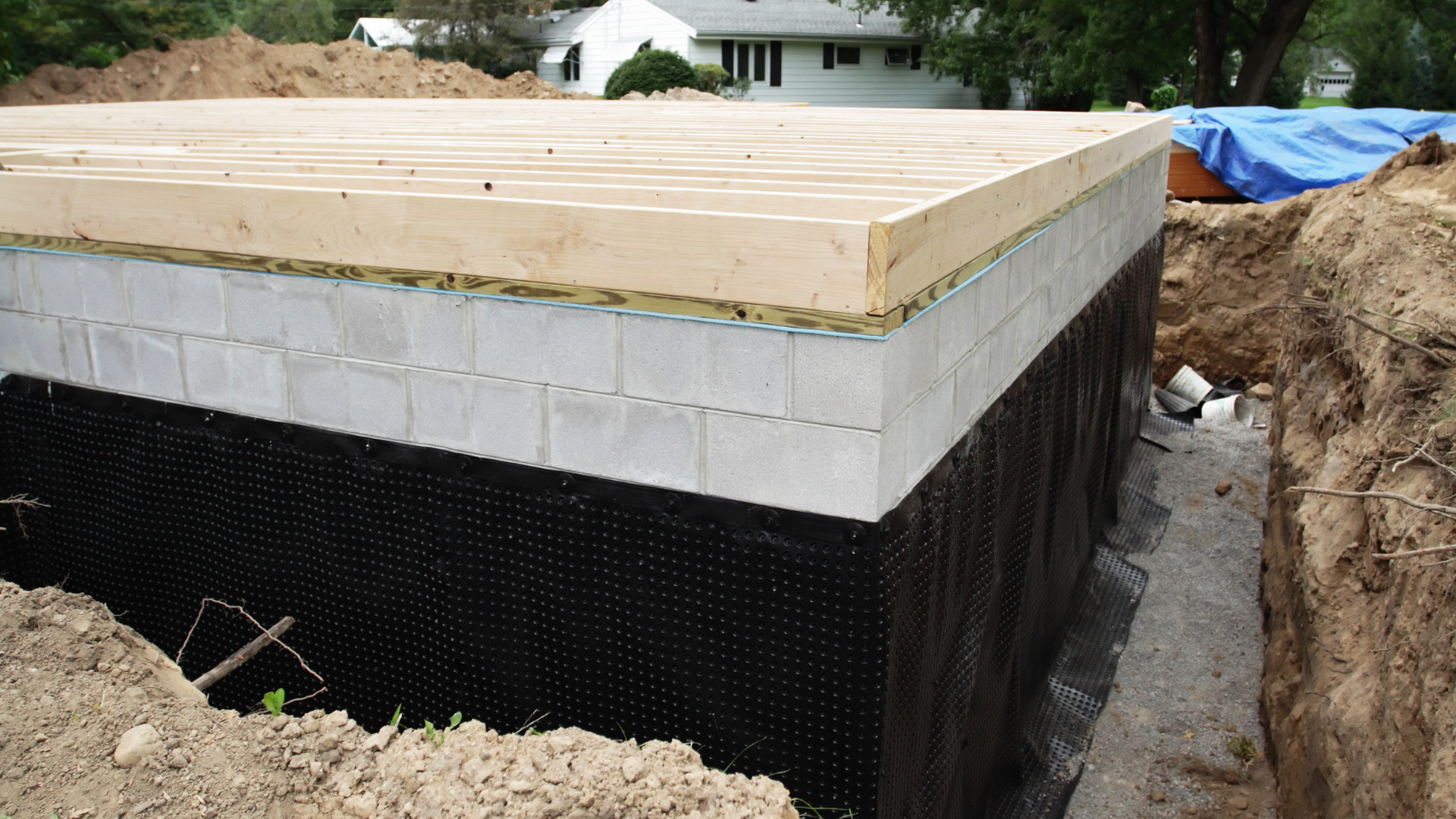
Both systems require filter fabric wrapped around the gravel envelope to prevent fine soil particles from migrating into the drainage stone over time and reducing permeability. On Connecticut Shoreline properties where silt-heavy coastal soils and clay-dominant inland soils are both common, the specification of the filter fabric is a meaningful detail. Drainage Pro of CT is a certified NDS Professional Drainage Contractor, a credential that reflects training in drainage system design and material specification appropriate to local soil conditions.


Discharge point requirements.

Both systems require a discharge point where the collected water exits the property. On Connecticut Shoreline properties, that discharge point may be at daylight on a lower portion of the lot, connected to a dry well where daylight discharge is not available, or in some cases connected to the municipal storm system where local regulations permit. Drainage Pro of CT identifies and confirms the discharge point as part of every drainage assessment before installation begins.


When Both Systems Are Needed

Some Connecticut Shoreline properties, particularly those on hillside terrain in Guilford, Madison, and East Lyme, have drainage problems that originate from both lateral groundwater flow from uphill and localized accumulation at the foundation or in specific yard areas. In these cases, a single system, whether a curtain drain or a French drain, addresses only part of the problem.


A curtain drain uphill intercepts the lateral flow from the slope before it reaches the lower portion of the property. A French drain at the foundation collects the groundwater that accumulates in the soil immediately surrounding the building, which may come from downspout discharge, surface runoff from the property itself, or residual moisture that the curtain drain has not fully intercepted.


These two systems work together rather than duplicating each other's function. The curtain drain reduces the volume of water arriving at the foundation. The French drain manages what arrives at the building perimeter regardless of source. On properties where both conditions are present, installing only one of them produces a partial result.


Drainage Pro of CT's property assessment process identifies whether one system or both are warranted before any recommendation is made. The goal is a drainage solution that addresses the full scope of the water problem on a specific property, not the smallest scope that allows a proposal to be submitted quickly.


For a related look at how foundation drainage connects to broader property drainage issues on CT Shoreline properties, the Drainage Pro of CT article on why a professional yard drainage inspection could save Connecticut homeowners thousands in foundation costs walks through the full picture of how deferred drainage produces compounding property damage.

If water is pooling on your property, entering your foundation, or flowing onto your lot from adjacent terrain in Clinton, Madison, Guilford, Old Saybrook, East Lyme, or anywhere across the Connecticut Shoreline, Drainage Pro of CT will assess the full property, identify the source of the water movement, and recommend the right system, whether that is a French drain, a curtain drain, or both working together.


French Drain Installation | Curtain Drain Installation | Yard Drainage Solutions | Foundation Waterproofing | Dry Well Installation | Contact Drainage Pro of CT

(860) 852-6270 | drainageproofct.com | Clinton, CT | HIC #0654716 | NDS Certified Professional Drainage Contractor

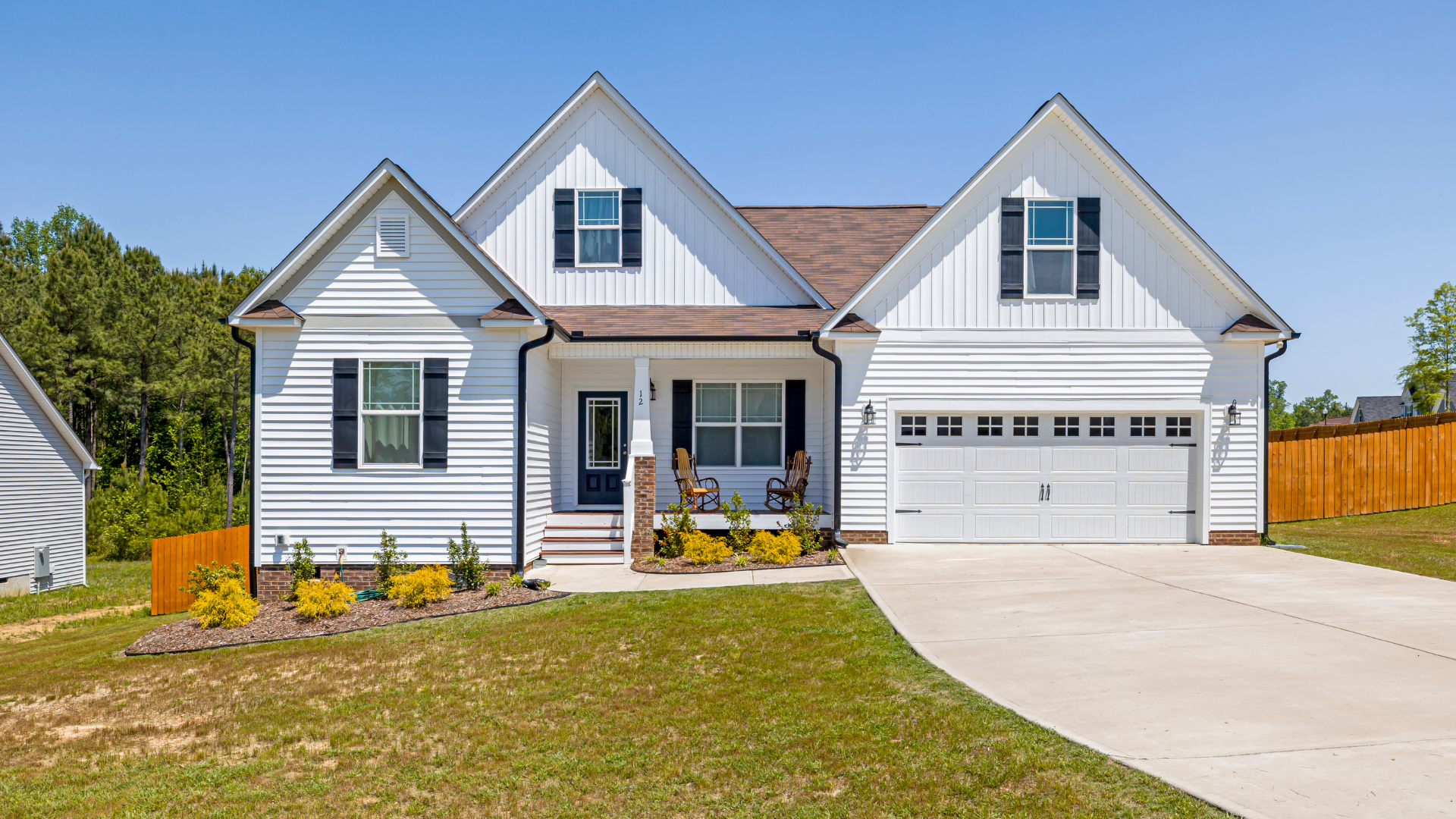
White suburban house with a two-car garage, front porch, and driveway under a clear sky
By Mike James July 17, 2026
Standing water in your yard is not just a nuisance. It is the first sign of a drainage failure that can cost Connecticut Shoreline homeowners tens of thousands in foundation repairs. Drainage Pro of CT explains what a professional inspection finds and why it matters.
Narrow brown garden path bordered by white stones through green grass and hedges
By Mike James July 7, 2026
Learn when DIY soil management is enough and when Connecticut shoreline homeowners need professional yard drainage to solve standing water, foundation moisture, grading, and runoff problems.
Hands in plaid sleeves placing black irrigation pipe on grassy ground near water.
By Mike James June 30, 2026
A French drain that stops working within a year or two almost always failed for one of seven reasons. Drainage Pro of CT explains the mistakes that doom French drain installations in Clinton, Madison, and across the CT Shoreline.
Black downspout drain on white gravel beside a beige wall and patio pavers
By Mike James June 22, 2026
French drains and dry wells solve different drainage problems. Drainage Pro of CT explains how Connecticut shoreline soil conditions, high water tables, and coastal rainfall patterns determine which system is right for your property.
Excavator dumping dirt into a trench in a grassy yard construction site
By Mike James June 17, 2026
Not all grading work produces the same result. Drainage Pro of CT explains what Connecticut code requires, what the shoreline's clay soils demand, and how to tell high-quality grading from a job that will fail in the first wet season.
Open utility access box in grass, with red-handled tools on either side
By Mike James June 15, 2026
French drain installation and basement moisture control are high-stakes investments for Connecticut shoreline homeowners. Drainage Pro of CT explains exactly what to look for before hiring anyone for this work.
Brick building corner on a black waterproofed foundation, with wet concrete and wooden planks nearby.
By Mike James June 3, 2026
Got a wet basement and a big waterproofing quote? Before you sign, check these three things outside first. Most wet basement problems are cheaper to fix than you think.