Why a Professional Yard Drainage Inspection Could Save Connecticut Homeowners Thousands in Foundation Costs
Mike James • July 17, 2026

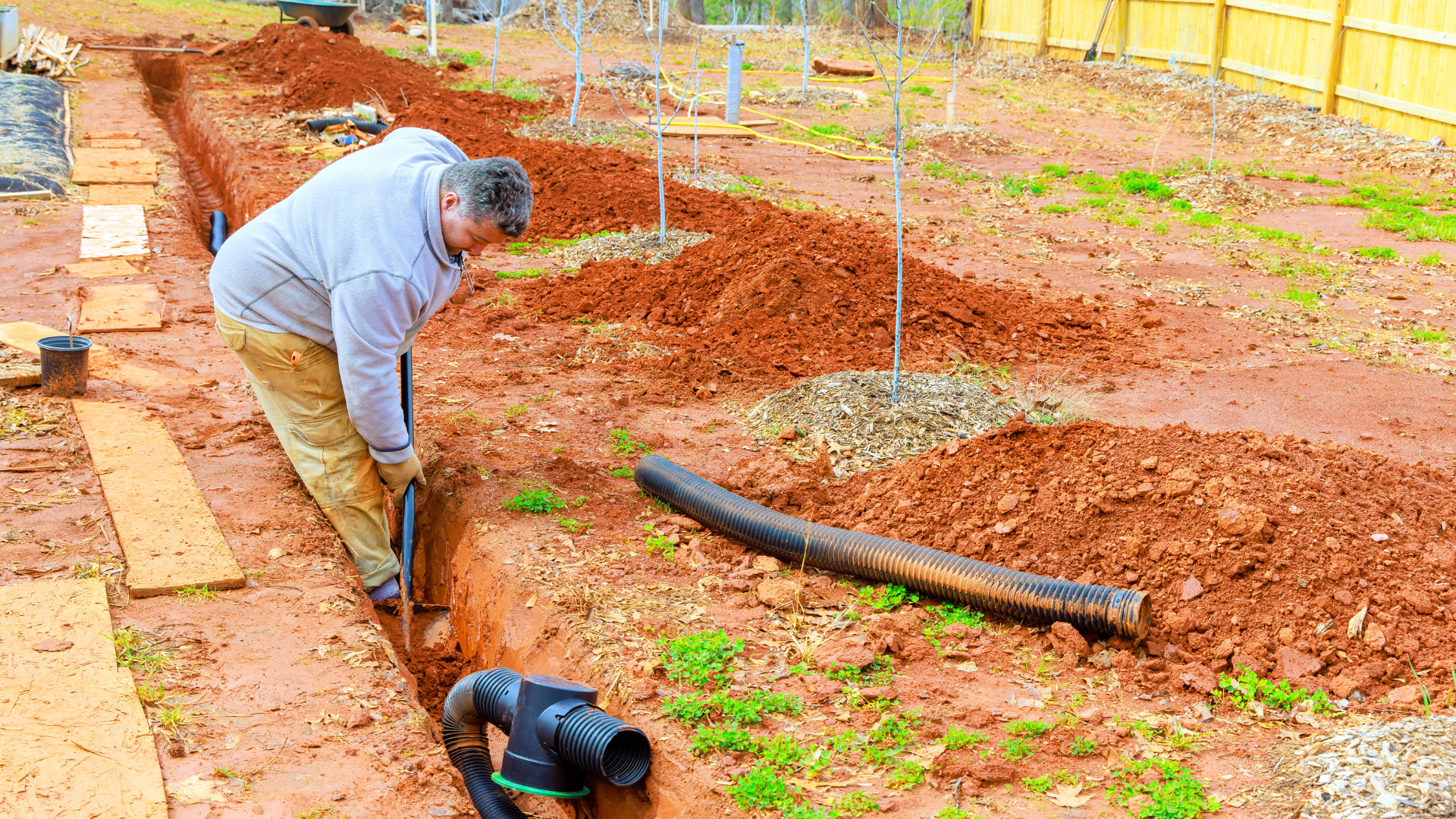
Why this mistake is so damaging: The excavated soil, particularly Connecticut's clay-heavy shoreline soil, has the same low permeability problem that likely contributed to the original drainage issue. Backfilling with this soil directly on top of the gravel and fabric system creates a dense, slow-draining cap that reduces the rate at which surface water can reach the drainage system below it. In clay soil, surface water sits on top of this backfill rather than percolating down into the French drain, which means the system never receives the water it was designed to manage.

The correct approach uses clean gravel as backfill above the fabric-wrapped drainage layer up to a point near the surface, with the final few inches restored with topsoil and seed or sod to blend with the surrounding landscape. This maintains permeability through the full depth of the installation rather than capping a functional drainage system with the same low-permeability soil that was part of the original problem.

Standing water in a yard after a rainstorm is the kind of thing most homeowners in Clinton, Madison, Guilford, and Old Saybrook learn to live with. It drains eventually. It has always done this. The lawn is a little soggy for a few days, and then things return to normal until the next storm rolls in off Long Island Sound.


That pattern is the problem.


What looks like a lawn drainage nuisance is almost always a foundation problem in slow motion. Every time water pools against or near a foundation and then drains through the soil surrounding it, that soil is being saturated, pressurized, and then relieved repeatedly. Over seasons and years, that cycle works against the structural integrity of the foundation in ways that do not become visible until the repair bill is significant.


According to FEMA and the National Flood Insurance Program, just one inch of water in a home can cause up to $25,000 in damage. The Insurance Information Institute reports that the average homeowner insurance claim for water damage between 2019 and 2023 was $15,400, and that figure represents sudden events, not the gradual foundation deterioration that develops when yard drainage goes unaddressed season after season.


Drainage Pro of CT is based in Clinton, at the center of the Connecticut Shoreline, and serves residential and commercial properties across all 13 Shoreline towns. A professional yard drainage inspection is what identifies these problems while there is still time to solve them at a fraction of the cost of foundation repair.


Why Connecticut Shoreline Properties Are Especially Vulnerable

The Connecticut Shoreline is not an average drainage environment. The combination of soil conditions, precipitation patterns, coastal water table influence, and the age of residential housing stock in towns like Madison, Guilford, Old Saybrook, and East Lyme creates specific vulnerabilities that homeowners in drier or more inland regions do not face in the same way.


NOAA's Connecticut State Climate Summary documents that the state averages 47.3 inches of precipitation annually with no significant dry season, and that annual precipitation has been above average since the 1970s. The state experiences between two and three extreme precipitation events per year at a typical station, defined as days receiving two inches or more of rainfall. These are not exceptional storms. They are the pattern Connecticut homeowners manage year after year.


The soil conditions along the Shoreline compound this. Properties in coastal Clinton, Westbrook, and Old Saybrook often have sandy near-surface soil that drains quickly but allows water to move rapidly toward the foundation. Inland properties in Guilford, Madison, and East Lyme frequently have heavier clay-dominant or loam soils that absorb water slowly, hold it at the surface for extended periods, and build hydrostatic pressure against anything they surround, including foundation walls.


The housing stock adds a third layer. Many of the homes along the Connecticut Shoreline were built in the mid-twentieth century when drainage engineering on residential lots was minimal. Landscaping has matured over decades, lot grades have shifted with soil settlement, and original drainage configurations no longer perform the way they did when the homes were first built.

Shoreline condition How it creates drainage risk
47+ inches of annual precipitation with no dry season Soil around foundations rarely fully dries, keeping hydrostatic pressure elevated year-round
Coastal water table influence in Clinton, Westbrook, Old Saybrook Water table rises during wet seasons, reducing the soil's capacity to absorb additional rainfall
Clay and loam soils in Guilford, Madison, and East Lyme Water moves slowly through these soils and accumulates against foundations rather than dispersing
Mature landscaping on mid-century homes Root systems, settled soil, and decades of grading changes redirect water toward structures in ways the original lot design did not intend
Connecticut freeze-thaw cycles Winter moisture expansion pushes against foundation walls repeatedly, widening existing hairline cracks over multiple seasons

What a Professional Yard Drainage Inspection Actually Covers

A yard drainage inspection is not a walk around the property with a clipboard. It is a systematic evaluation of how water enters a property, how it moves across it, where it collects, and why it ends up where it does not belong. That sequence matters because the visible symptom, standing water in the yard, is rarely where the underlying problem is.


Drainage Pro of CT walks every property before recommending anything. The inspection covers the full chain of conditions that contribute to drainage failure on Connecticut Shoreline properties.


Surface water entry and movement.

Where is water coming from? Rainfall directly on the property is only one source. Many properties in Guilford and Madison receive runoff from neighboring uphill lots, from impervious surfaces like driveways and patios that shed water faster than the lawn can absorb it, and from municipal storm systems that overflow their capacity during intense rainfall events. Identifying all entry points is the starting point.


Downspout discharge locations and distances.

This is the most common and most consequential finding on properties across the Shoreline. A typical Connecticut home roof concentrates significant rainfall volume into two to four downspout outlets. If those outlets discharge within two or three feet of the foundation, the entire volume of roof runoff is being delivered directly to the soil zone surrounding the building. Drainage Pro of CT evaluates every downspout outlet on the property as part of the inspection.


Grade and slope assessment.

The direction the land slopes around a home determines where water goes during and after a rain event. Many older properties in Clinton, Madison, and East Lyme have yard grades that slope toward the building rather than away from it, either by original design failure or because soil has settled over decades of freeze-thaw cycles. A grade that slopes toward the foundation cannot be corrected by any drainage pipe or catch basin system until the slope itself is addressed.


Soil saturation and drainage capacity.

How quickly is the soil around the property absorbing and releasing water? Clay-heavy soil that remains saturated for 48 hours after a rain event is a sign that the drainage capacity of the surrounding area is insufficient for the amount of water the property receives.


Foundation perimeter conditions.

Is there standing water, soil staining, or vegetation die-off at the base of the foundation? Are there visible cracks or efflorescence, the white mineral deposit left when water repeatedly passes through concrete, on the exterior foundation wall? These are the signs that water has already been reaching the foundation wall for an extended period.


Existing drainage infrastructure condition.

Many properties along the Shoreline have some form of drainage already in place, whether that is a buried downspout extension, a dry well that was installed decades ago, or a French drain that may or may not be functioning correctly. The inspection evaluates whether existing systems are performing and where they may have failed.


The Connection Between Yard Drainage and Foundation Repair Costs

The gap between what a yard drainage inspection costs and what foundation repair costs is the financial case for having an inspection done before a problem becomes visible.


Foundation repair costs in Connecticut vary significantly by scope, but the general ranges give homeowners a clear picture of what delayed drainage action produces. Minor crack repair and waterproofing on an existing foundation typically runs from a few thousand dollars to the low tens of thousands. Significant structural repair involving wall bowing, settlement, or major water infiltration that has gone unaddressed for multiple seasons can reach well into the five figures, and in some cases exceeds the value that would be added to the home by completing the repair.


The FEMA National Flood Insurance Program data is specific on this point: one inch of water in a home can cause up to $25,000 in damage. That figure covers restoration costs from a single event. The cumulative effect of water infiltration that has been building over years through inadequate yard drainage is typically more expensive because the damage affects multiple systems simultaneously, including the foundation structure itself, insulation in the crawl space or basement, framing at the sill plate, and in some cases interior finished spaces.


Standard homeowners insurance covers sudden and accidental water events. It does not cover gradual infiltration resulting from drainage neglect. The homeowner bears the full cost of what accumulated drainage failure produces.


The comparison that matters for Connecticut Shoreline homeowners is straightforward. A professional drainage inspection identifies the conditions leading to foundation damage while they are still addressable through exterior drainage solutions. French drain installation, downspout extensions, grading corrections, and catch basin systems are investments in the hundreds to low thousands of dollars depending on scope. Foundation repair that could have been prevented by addressing those conditions is an investment in the tens of thousands.

White downspout pouring water beside a brick wall onto dark mulch.

What Drainage Pro of CT Finds Most Often on Shoreline Properties

After assessing properties across Clinton, Madison, Guilford, Old Saybrook, East Lyme, and the surrounding towns, certain conditions appear consistently on properties where yard drainage has not been professionally evaluated.


Downspouts terminating at or near the foundation.

This is the most frequent finding across all property types and ages. A downspout that ends within two to three feet of the building delivers the full volume of roof drainage to the soil immediately surrounding the foundation. On a 2,000-square-foot roof receiving one inch of rain, that is approximately 1,250 gallons concentrated at the base of the building per storm event.


Grade sloping toward the building.

Particularly common on older homes in Clinton and Madison that have experienced decades of soil settlement. The original grade may have been adequate at the time of construction, but frost heave, tree root activity, and general settlement have reversed the slope over time. Water that once moved away from the building now moves toward it.


Standing water in low-lying yard areas within 10 to 15 feet of the foundation.

Water pooling this close to the building is exerting hydrostatic pressure against the foundation wall every time it accumulates. On properties in low-lying areas of Westbrook or in the tidal-influenced neighborhoods of Old Saybrook, this condition is particularly common because the water table is already elevated relative to the foundation.


Buried downspout extensions that have failed.

Many Shoreline properties had underground pipe extensions installed under previous owners. These pipes collapse, clog with root intrusion, or simply fill with sediment over time. A homeowner who believes their downspouts are being routed away from the building may not know that the pipe carrying that water failed years ago.


Dry wells that have exceeded their capacity or useful life.

Dry wells installed in the 1980s or 1990s on Connecticut Shoreline properties often have insufficient capacity for the volumes required, particularly as impervious surface area has increased over time and Connecticut's rainfall has remained above the historical average. A dry well that overflows during storm events is sending water back to the surface in the area it was designed to drain.


For a deeper look at how Connecticut's precipitation patterns and freeze-thaw cycles create year-round drainage pressure on Shoreline properties, the related post on how Connecticut's heavy rainfall and freeze-thaw cycles make foundation drainage a year-round priority explains the full seasonal context.


When to Schedule a Yard Drainage Inspection

The best time to have a yard drainage inspection is before visible symptoms of foundation involvement appear. The second-best time is the moment any of the following conditions are present.


Standing water in the yard that does not fully drain within 24 to 48 hours after a rain event is the clearest indicator. It means the soil's drainage capacity is insufficient for the volume of water the property receives, and that excess water has nowhere to go except to continue pressurizing the soil around the foundation.


Basement moisture that appears seasonally, particularly in spring or after heavy rain events, is evidence that water is already reaching the foundation wall. At this stage, the inspection identifies the source and the drainage solution that will interrupt the path before the water infiltration causes structural damage.


Water staining, efflorescence, or peeling paint on the exterior of the foundation wall are signs that water has been moving through or against the wall repeatedly. These are cosmetic symptoms of a water management problem that requires exterior drainage correction to resolve.

Soil erosion channels in the yard, particularly ones that point toward the building or along the foundation perimeter, indicate concentrated surface flow. Water moving fast enough to erode soil is moving fast enough to carry significant volume toward the foundation.


Gutters that are functioning correctly but still producing foundation moisture suggest the problem is yard drainage rather than roof drainage. Drainage Pro of CT's yard drainage service and French drain installation address these conditions at their source.


If you are seeing standing water, basement moisture, or soil erosion near your foundation on a property in Clinton, Madison, Guilford, Old Saybrook, East Lyme, or anywhere across the Connecticut Shoreline, a professional yard drainage inspection is the right starting point. Drainage Pro of CT assesses the full property, explains exactly what is causing the problem, and provides a clear written recommendation before any work begins.

Request a Free Drainage Estimate | Yard Drainage Solutions | French Drain Installation | Foundation Waterproofing | Downspout Drainage | Grading and Regrading

(860) 852-6270 | drainageproofct.com | Clinton, CT | HIC #0654716

Narrow brown garden path bordered by white stones through green grass and hedges
By Mike James July 7, 2026
Learn when DIY soil management is enough and when Connecticut shoreline homeowners need professional yard drainage to solve standing water, foundation moisture, grading, and runoff problems.
Hands in plaid sleeves placing black irrigation pipe on grassy ground near water.
By Mike James June 30, 2026
A French drain that stops working within a year or two almost always failed for one of seven reasons. Drainage Pro of CT explains the mistakes that doom French drain installations in Clinton, Madison, and across the CT Shoreline.
Black downspout drain on white gravel beside a beige wall and patio pavers
By Mike James June 22, 2026
French drains and dry wells solve different drainage problems. Drainage Pro of CT explains how Connecticut shoreline soil conditions, high water tables, and coastal rainfall patterns determine which system is right for your property.
Excavator dumping dirt into a trench in a grassy yard construction site
By Mike James June 17, 2026
Not all grading work produces the same result. Drainage Pro of CT explains what Connecticut code requires, what the shoreline's clay soils demand, and how to tell high-quality grading from a job that will fail in the first wet season.
Open utility access box in grass, with red-handled tools on either side
By Mike James June 15, 2026
French drain installation and basement moisture control are high-stakes investments for Connecticut shoreline homeowners. Drainage Pro of CT explains exactly what to look for before hiring anyone for this work.
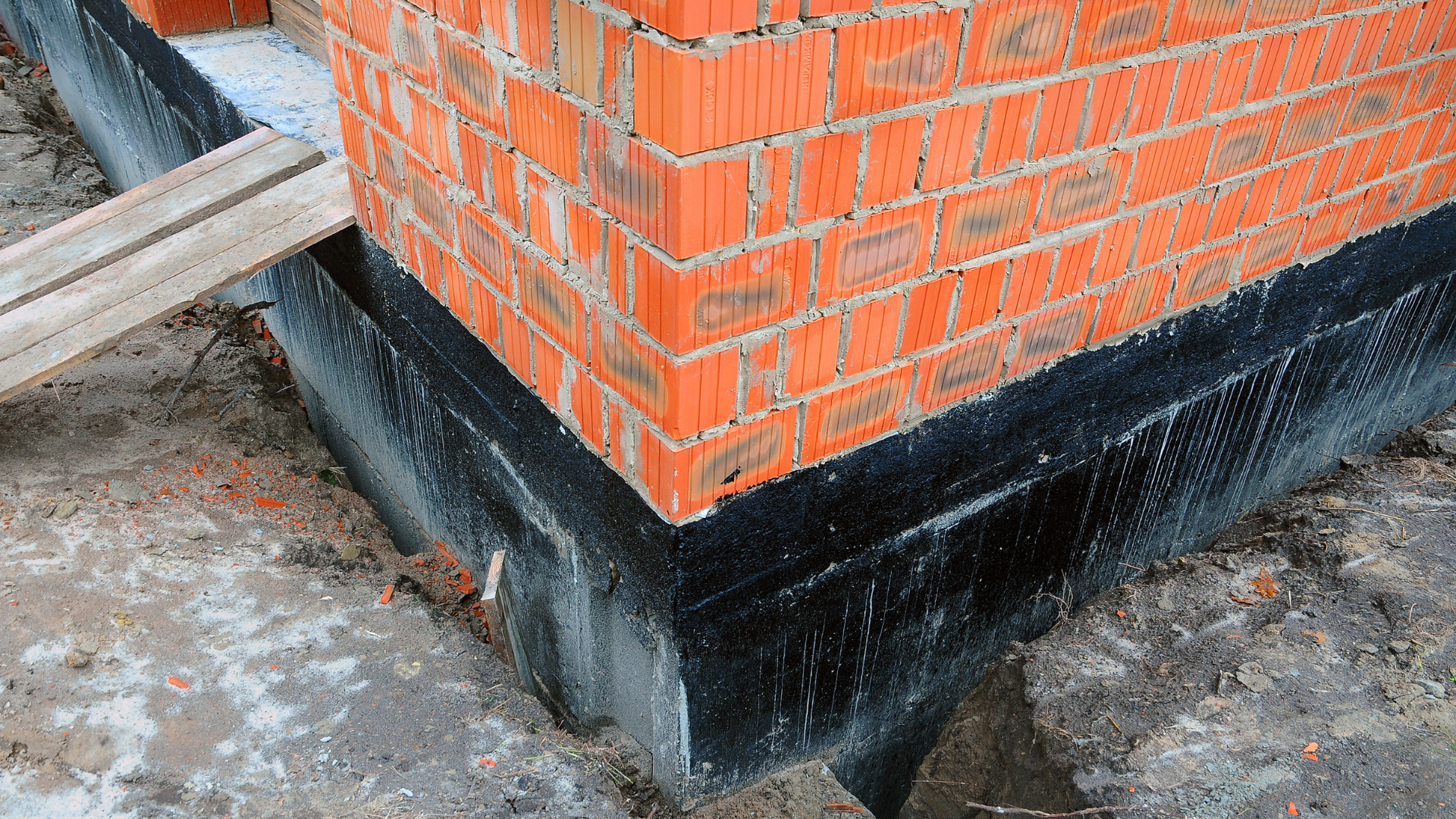
Brick building corner on a black waterproofed foundation, with wet concrete and wooden planks nearby.
By Mike James June 3, 2026
Got a wet basement and a big waterproofing quote? Before you sign, check these three things outside first. Most wet basement problems are cheaper to fix than you think.