Grading Services in Connecticut Shoreline: What Sets High-Quality Work Apart
Mike James • June 17, 2026

Grading is one of the most consequential services performed on a residential property and one of the least understood by the homeowners who commission it. The work looks straightforward from the outside: a machine moves soil, the yard is reshaped, the project is complete. What is not visible is whether the slope meets Connecticut building code requirements, whether the soil was properly compacted before the final grade was established, whether the discharge point for the redirected water was correctly selected, and whether the finished grade will hold its shape through Connecticut's freeze-thaw cycles and 48 inches of annual rainfall, or whether it will settle, shift, and return the property to the drainage conditions it had before the work began.

High-quality grading on the Connecticut shoreline produces a yard that drains correctly across every season, protects the foundation from moisture intrusion, and remains stable over time. Poor grading produces a yard that looks improved on completion day and fails in the first wet season. The difference between these two outcomes is not visible to the homeowner at the moment the equipment leaves the property. It shows up six months later when the basement shows moisture again, when the low spots that disappeared in August return in November, or when the slope that looked right turns out to be directing water toward the foundation rather than away from it.

This guide explains what high-quality grading on the Connecticut shoreline actually involves, what the Connecticut building code requires, how the region's specific soil conditions affect grading design and execution, and what to look for when evaluating a grading contractor.

What Grading Actually Does and Why It Matters

White downspout pouring water beside a brick wall onto dark mulch.

Grading is the process of shaping the ground surface around a property to control how water moves across it. Every raindrop that falls on the land around a structure has one of two destinations: it either flows away from the foundation toward an appropriate drainage point, or it flows toward the foundation and concentrates against the structure.

The consequences of the second outcome are specific and well-documented. Water that concentrates against a foundation perimeter:

  • Builds hydrostatic pressure against the foundation wall, which forces moisture through porous concrete and through any crack or joint in the foundation assembly
  • Saturates the soil immediately against the foundation, which in Connecticut's clay-heavy shoreline soils means that saturation can persist for days or weeks after a rainfall event because clay drains slowly
  • Creates freeze-thaw damage cycles, where water in saturated soil against the foundation freezes in winter, expands by approximately 9 percent according to industry sources, and applies lateral pressure to the foundation wall with each cycle
  • Provides the sustained moisture conditions that mold requires to establish in basement and crawl space environments

According to the 2022 Connecticut State Building Code, which adopts the International Residential Code provisions for foundation drainage, lots must be graded to drain surface water away from foundation walls, and the grade must fall a minimum of 6 inches within the first 10 feet from the foundation. This is not a recommendation. It is a code requirement. A property whose grade does not meet this standard is below code, and a grading contractor whose finished work does not achieve this standard has not completed the job correctly.

What the Connecticut Building Code Requires for Foundation Grading

The specific requirements from the 2022 Connecticut State Building Code, Chapter 4, Section R401.3, provide the baseline that every grading project near a structure must meet:

  • Primary standard: The grade must fall a minimum of 6 inches within the first 10 feet from the foundation wall, establishing a slope away from the structure
  • Impervious surfaces: Impervious surfaces such as driveways and patios within 10 feet of the foundation must slope away from the building at a minimum of 2 percent
  • Exception for constrained sites: Where lot lines, walls, or other physical barriers prevent the full 6-inch drop in 10 feet, drains or swales must be constructed to ensure drainage away from the structure, and swales must be sloped at a minimum of 2 percent where located within 10 feet of the foundation
  • Discharge: Surface drainage must be diverted to a storm sewer conveyance or other approved collection point and must not create a hazard

For Connecticut shoreline properties in Clinton, Madison, Guilford, Old Saybrook, Branford, and East Lyme, these requirements interact with site-specific conditions that determine which approach achieves the standard. A relatively flat coastal lot with clay soil and a neighboring property at grade is a different challenge than a sloped inland lot with better-draining soil and room to discharge to a swale. Code compliance is the floor, not the ceiling. High-quality grading achieves code compliance and designs for the specific conditions of the site.

The Connecticut Shoreline's Soil Conditions and Why They Change the Calculation

The soil conditions across the Connecticut shoreline are not uniform, but they share a characteristic that fundamentally affects grading design and execution: the prevalence of clay-heavy soils with low permeability throughout much of the region.

Clay soil holds water. It absorbs rainfall slowly, releases it slowly, and remains saturated for significantly longer after a rain event than loam or sandy soil. A grading design that works adequately in well-draining soil may be insufficient in heavy clay because the soil cannot shed water quickly enough to prevent saturation against the foundation even when the surface grade is technically correct.

What clay soil conditions on the Connecticut shoreline mean for grading:

  • Slope requirements may need to exceed code minimums: A 6-inch drop in 10 feet is the code floor. On properties with heavy clay soil and flat terrain, establishing a steeper slope or combining grading with subsurface drainage is often necessary to achieve the intended result.
  • Soil compaction during the work matters as much as the final grade: Clay soil that is moved and replaced without proper compaction settles unevenly after the project is complete. A grade that looked correct at completion develops low spots, reverse slopes, and pooling areas within one to two seasons as the uncompacted fill settles. High-quality grading work involves compacting fill in lifts, not simply moving soil to the desired elevation and leaving it.
  • The transition between existing soil and added fill is a failure point: Where new fill soil meets existing undisturbed soil, differential settlement is a consistent risk. A contractor who does not account for this transition in the grading design and compaction approach creates a seam where the grade will shift over time.

Import soil specifications matter: When significant fill is needed to achieve the required slope, the type of soil imported to the site affects long-term performance. Fill with high clay content added to an already clay-heavy site increases the drainage challenge. Appropriate fill specification for the site conditions is a design decision that requires soil knowledge.

The shoreline communities also include properties near tidal wetlands, coastal marshes, and regulated water resources where grading that alters drainage patterns can trigger Connecticut Inland Wetlands and Watercourses Act permit requirements. A grading contractor working on Connecticut shoreline properties without awareness of these regulatory triggers is creating liability for the homeowner in addition to the performance risks.

The Variables That Separate High-Quality Grading from Work That Fails

Every grading project involves a sequence of decisions, each of which affects whether the finished result performs correctly. High-quality grading work gets each of these right. Work that produces poor results typically goes wrong at one or more of these points.

Site assessment before any design is proposed

High-quality grading begins with a thorough assessment of the existing conditions: the current grade across the property, the soil type and its drainage characteristics, the sources of water that need to be managed, the existing drainage infrastructure, the discharge options available, and any regulatory constraints from wetlands proximity or coastal management requirements. A contractor who proposes a scope of work without walking the property and assessing these conditions is proposing a solution without knowing the problem.

Correct slope design for the specific site

The grade must fall away from the foundation at the required minimum, but the design must also account for where the water goes after it leaves the foundation perimeter. A slope that directs water away from one structure and toward another, toward a neighbor's property, or into a low area that has no drainage outlet creates a new problem while solving the original one. The discharge path for regraded water is a design element, not an afterthought.

Proper soil removal, preparation, and compaction

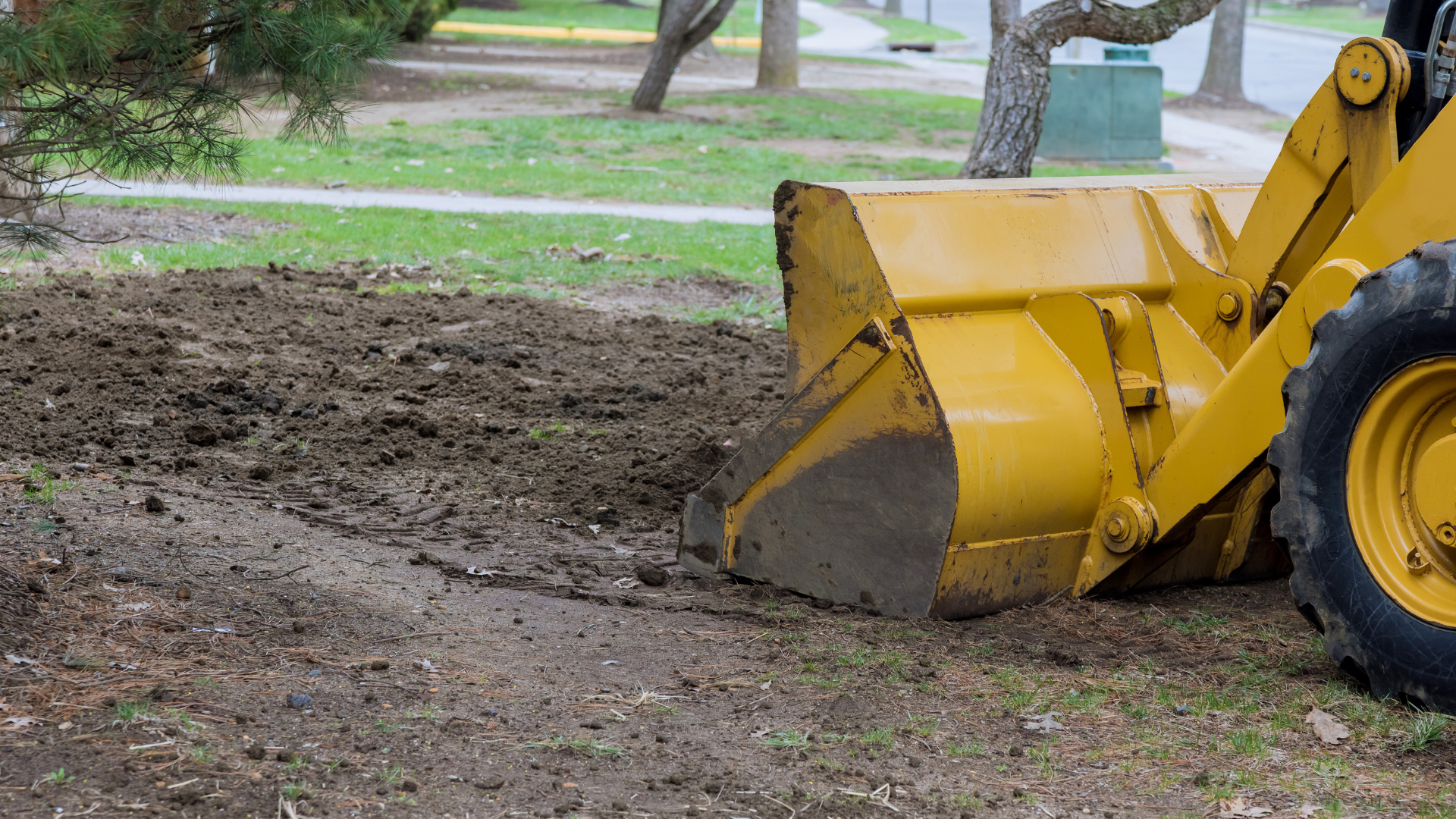
Before adding fill to establish the new grade, existing vegetation, debris, and unsuitable material must be removed from the work area. The existing soil surface must be prepared to accept and bond with the new fill. Fill must be added in controlled lifts, typically not exceeding 6 to 12 inches per layer, and compacted after each lift before the next is added. Compaction eliminates the air voids in the fill material that produce settlement over time.

A common shortcut in lower-quality grading work is to add fill material to the required elevation without compacting between lifts. The finished grade looks correct at completion. Within one to two seasons, the uncompacted fill settles, re-creating the low spots and reverse slopes that caused the original problem.

Transition management between new and existing grade

Where new fill meets the existing undisturbed ground, the grading design must account for differential settlement at the transition. This includes feathering the new grade smoothly into the existing grade rather than creating an abrupt edge, and ensuring the compaction approach addresses the transition zone specifically.

Final grade verification before completion

High-quality grading work includes verification of the finished grade against the design requirements before the project is considered complete. This means measuring actual slopes across the finished work area, confirming that the minimum code requirements are met at the foundation, and confirming that water flows to the intended discharge point rather than to any unintended low area.

Restoration of disturbed surfaces

Grading work disturbs the surface vegetation and exposes bare soil. Bare soil on a Connecticut shoreline property is vulnerable to erosion during the next rainfall event, which can redistribute the graded soil before it has stabilized. High-quality grading work includes immediate restoration of disturbed areas, typically through seeding with erosion-control seed mix and application of straw or erosion control fabric until vegetation establishes.

Where Grading Fits in a Complete Drainage Solution

Grading is frequently the first and most cost-effective line of defense against drainage problems on a Connecticut shoreline property. Many moisture issues that homeowners attribute to subsurface water or foundation defects are, in fact, grading problems: the surface water from the yard and from roof runoff is not being directed away from the foundation, and it is concentrating against the structure with every rain event.

Correcting the grade around the foundation resolves these problems without the cost and disruption of subsurface drainage installation. According to HomeAdvisor, professional grading typically costs $1,000 to $7,000 depending on the scope of work, while foundation waterproofing and subsurface drainage systems range from $4,000 to $20,000 or more. For properties where poor grading is the primary cause of moisture problems, grading correction is the right first step, and in many cases the complete solution.

When grading alone is insufficient, typically because of high water tables, significant subsurface water flow, or soil conditions that cannot shed surface water quickly enough despite a correct grade, grading is combined with subsurface drainage solutions: French drains to intercept groundwater, curtain drains to redirect uphill water flow, dry wells to provide additional absorption capacity, or swales to channel surface water to appropriate discharge points.

Drainage Pro of CT assesses each shoreline property individually to determine which combination of grading and drainage solutions will produce the correct result for that specific site. The assessment considers the soil type, the sources of water affecting the property, the existing drainage infrastructure, the code requirements that apply, and the regulatory constraints from Connecticut's coastal and wetlands regulations.

What to Look for in a Grading Contractor on the Connecticut Shoreline

The grading contractor category includes companies that specialize in drainage and grading, general landscapers who offer grading as one of many services, and excavation contractors whose primary work is larger-scale construction grading. The qualifications that matter for residential drainage grading on Connecticut shoreline properties are specific.

Questions to ask before hiring:

  • Do you conduct a site assessment before proposing a scope of work? A proposal without a site visit is not a proposal for your property's conditions.
  • How do you address soil compaction during the project? A contractor who cannot explain their compaction approach has likely not thought carefully about it.
  • Where will the water go after it leaves the foundation perimeter, and how was that discharge point selected? This is the question that reveals whether the contractor has designed a complete drainage solution or just moved soil.
  • Does this project require permits? In Connecticut, grading that alters drainage patterns near wetlands, affects neighboring properties, or involves significant earthmoving may require permits. A contractor unfamiliar with these requirements on Connecticut shoreline properties is a liability risk.
  • How do you restore disturbed surfaces after the work? The answer should include erosion control measures that take effect immediately after grading is complete.
  • Can you provide references from similar grading projects in this area? Call them and ask specifically whether the grading has continued to perform through multiple wet seasons.

Drainage Pro of CT: Grading and Regrading on the Connecticut Shoreline

Drainage Pro of CT provides grading and regrading services as part of a complete drainage solution approach for residential and commercial properties across the Connecticut shoreline. Services include site assessment, grade design for foundation drainage compliance, soil compaction and fill management, swale and discharge design, and surface restoration after grading work is complete.

Every grading project is assessed on-site before a proposal is written. Every proposal is specific to the site conditions, the soil type, and the drainage objectives of the property. Every installation meets or exceeds the requirements of the 2022 Connecticut State Building Code and accounts for the regulatory requirements that apply to each Connecticut shoreline community.

Drainage Pro of CT serves Clinton, Madison, Guilford, Old Saybrook, Branford, East Lyme, New Haven, and the surrounding Connecticut shoreline communities.

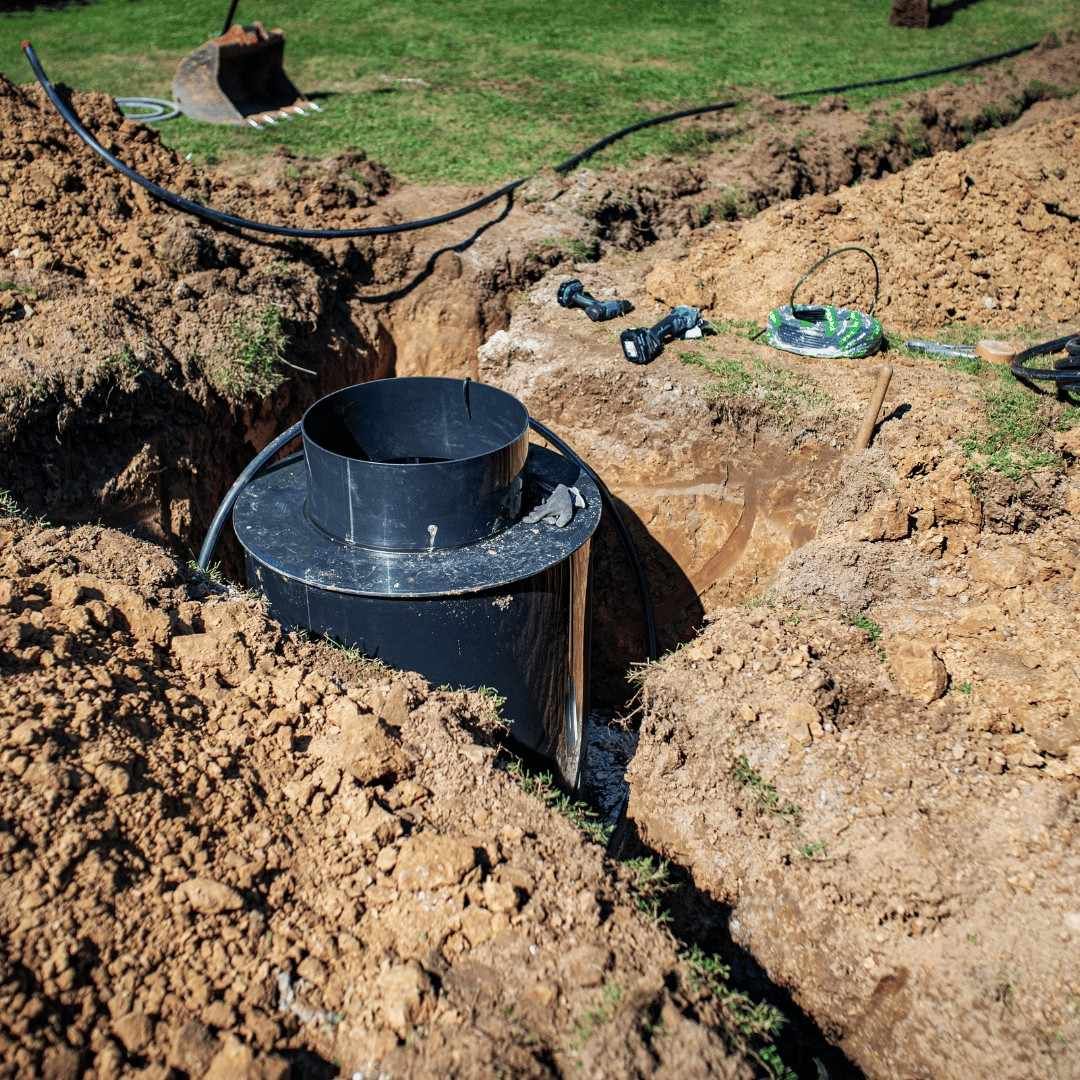
Open utility access box in grass, with red-handled tools on either side
By Mike James June 15, 2026
French drain installation and basement moisture control are high-stakes investments for Connecticut shoreline homeowners. Drainage Pro of CT explains exactly what to look for before hiring anyone for this work.
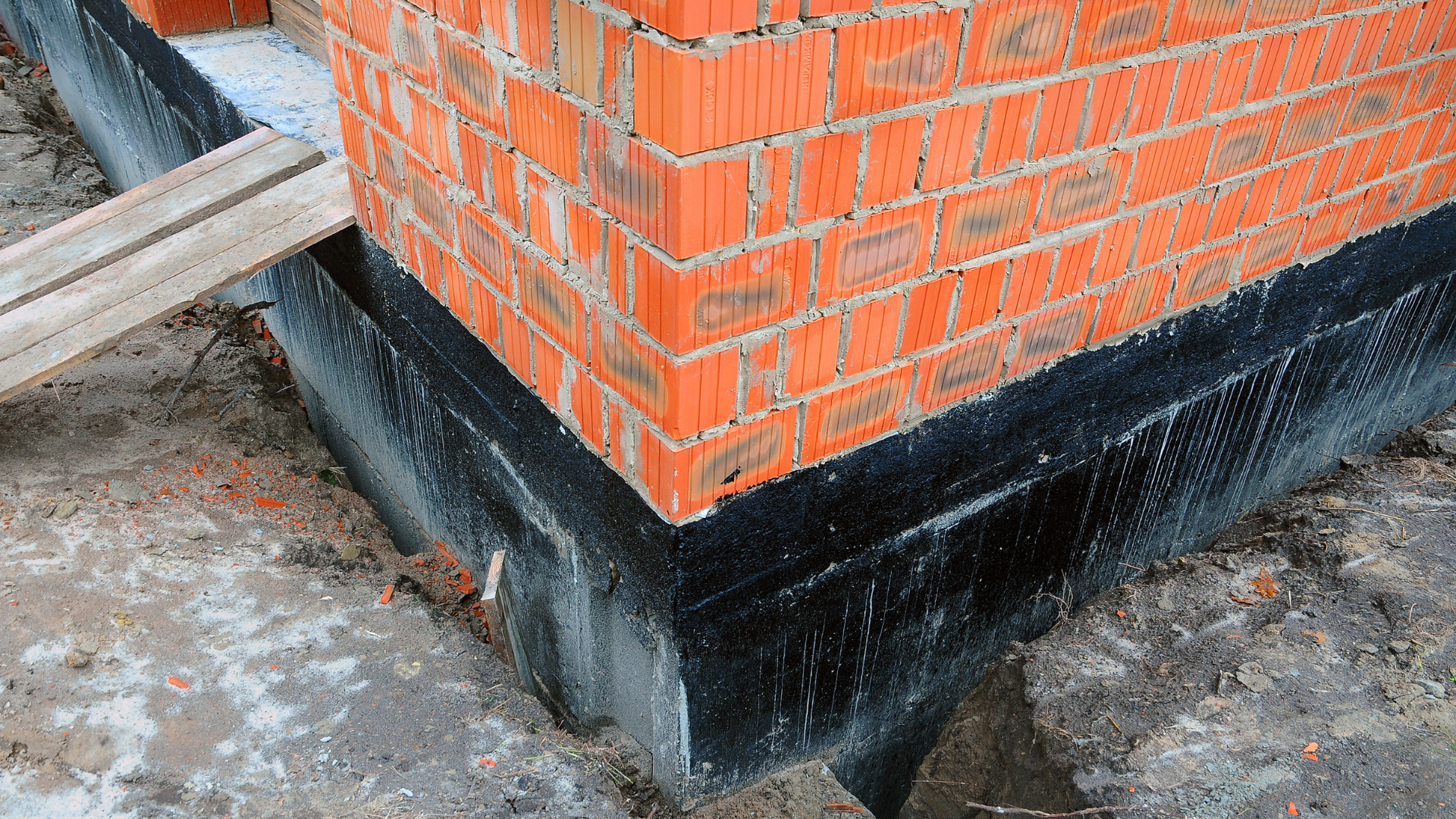
Brick building corner on a black waterproofed foundation, with wet concrete and wooden planks nearby.
By Mike James June 3, 2026
Got a wet basement and a big waterproofing quote? Before you sign, check these three things outside first. Most wet basement problems are cheaper to fix than you think.