How to Find a Trusted Professional for French Drain Installation and Basement Moisture Control in Connecticut
Mike James • June 15, 2026

Basement moisture and drainage problems are not minor inconveniences for Connecticut shoreline homeowners. They are the beginning of a damage sequence that progresses from damp walls to active leaking, from surface mold to structural foundation damage, from a manageable moisture issue to a repair bill that can reach five figures or more. According to This Old House, catastrophic foundation repairs can exceed $25,000 when moisture problems are left unaddressed. Mold remediation alone runs $500 to $3,500 when moisture problems spiral out of control.

The solution to most of these problems, whether a French drain installation around the perimeter, exterior foundation waterproofing, yard regrading to redirect surface water, or a combination of approaches, is a permanent one. It is not a coat of waterproof paint applied to a basement wall. It is a drainage system designed specifically for the site conditions, installed correctly, and built to perform across Connecticut's 48 inches of annual rainfall, its seasonal nor'easters, and the freeze-thaw cycles that stress foundation materials every winter.

Which is precisely why who you hire for this work matters as much as what work is done.

French drain installation and basement moisture control attract a wide range of contractors in Connecticut, from highly qualified drainage specialists with deep experience in local soil conditions, permitting requirements, and system design, to general landscapers who add drainage to their service list without the specialized knowledge to design a system that actually solves the problem long-term. The homeowner who cannot tell these apart before writing a check is the one who calls a second contractor to fix what the first one did wrong.

This guide explains what French drain installation and basement moisture control actually involve, what distinguishes a qualified drainage contractor from an unqualified one, what Connecticut law requires, and the specific questions to ask before any work begins on your Connecticut shoreline property.

What French Drain Installation Actually Involves

White downspout pouring water beside a brick wall onto dark mulch.

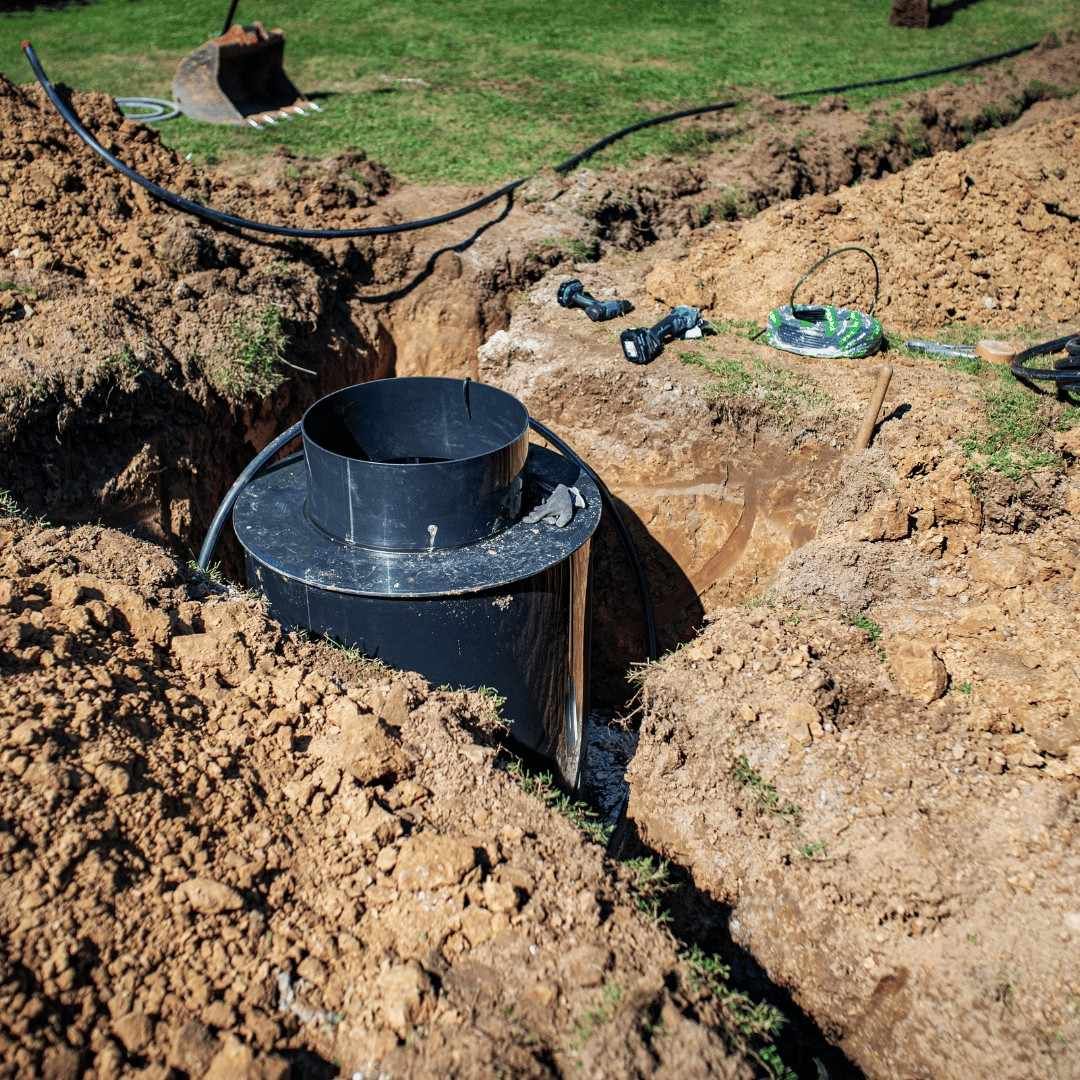
A French drain is a subsurface drainage system consisting of a perforated pipe wrapped in filter fabric, surrounded by gravel, installed in a trench designed to intercept groundwater and surface water and redirect it to a discharge point away from the structure or low-lying area being protected.

The description sounds straightforward. The installation is not. Every element of a French drain system must be designed and executed correctly for the system to function as intended over its lifespan.

The design variables that determine whether a French drain works:

  • Slope calculation: The trench must maintain a consistent grade of at least 1 percent, meaning a minimum of one inch of drop per eight feet of horizontal run, to ensure water flows toward the discharge point rather than sitting in the pipe. Measuring slope precisely across a residential yard requires experience and proper equipment. A trench that looks sloped to the eye may be flat or reverse-sloped in sections, producing a system that holds water rather than draining it.
  • Soil assessment: Connecticut shoreline communities, including Clinton, Madison, Guilford, and Old Saybrook, have variable soil profiles. Heavy clay soil, which is common throughout the region, has very low permeability and does not absorb water the way loam or sandy soil does. A French drain designed for well-draining soil performs very differently in heavy clay, and a contractor who does not account for the actual soil conditions on a specific site will design an undersized or mis-routed system.
  • Discharge point selection: The water collected by the drain has to go somewhere. It can be discharged to daylight at a downslope point on the property, directed into a dry well, connected to a storm drain with appropriate permits, or routed to a detention area. Each option has different requirements, different regulatory implications, and different suitability depending on the site. An incorrectly selected discharge point can redirect water from one problem area to another, or create drainage onto neighboring properties that creates liability.
  • Filter fabric specification: The fabric that wraps the perforated pipe and lines the trench prevents fine soil particles from migrating into the gravel and clogging the system. The wrong fabric specification for the soil type produces a system that clogs prematurely, requiring excavation and reinstallation.
  • Pipe diameter and perforation pattern: The volume of water a French drain needs to handle determines the pipe diameter required. An undersized pipe in a high-volume application backs up during heavy rainfall events, defeating the purpose of the installation.

A qualified drainage contractor designs all of these variables for the specific site before a trench is dug. An unqualified one installs a trench and pipe based on general practice and hopes the system performs.

The Connecticut Permit Requirement Most Homeowners Miss

French drain installation in Connecticut is not a permit-free project in many circumstances, and proceeding without required permits creates legal and financial exposure for the homeowner.

According to Angi's drainage guidance, major French drain projects that involve discharging into a municipal sewer or roadside ditch require a permit. Projects that divert water affecting a wetland or watercourse require permits under Connecticut's Inland Wetlands and Watercourses Act. Projects that alter drainage patterns affecting neighboring properties can trigger additional regulatory requirements.

In Connecticut's shoreline communities, where many properties sit near tidal wetlands, coastal features regulated under the Connecticut Coastal Management Act, and drainage systems that connect to shared infrastructure, the permit landscape is more complex than in inland suburban settings. A contractor who does not ask about wetlands proximity, discharge point connection, and local zoning requirements before beginning work on a Connecticut shoreline property is not conducting due diligence.

Connecticut's Department of Consumer Protection confirms that verification of contractor licensing and permit compliance are both essential steps before any significant home improvement work begins. The DCP's online lookup tool allows homeowners to verify contractor registration status, expiration dates, and disciplinary history before hiring.

What to confirm before any drainage installation begins:

  • Whether the project requires a local building or grading permit
  • Whether the discharge point requires a permit or utility coordination
  • Whether the property or its drainage path falls within a wetlands buffer zone requiring IWWA approval
  • Whether the contractor will pull required permits or whether the homeowner is responsible for doing so

A contractor who tells you no permits are needed for a significant drainage installation on a Connecticut shoreline property without having reviewed the specific site and local requirements is either uninformed or cutting corners. Either answer tells you something important.

Interior vs. Exterior Basement Moisture Control: Understanding What You Are Actually Buying

Basement moisture control is a category that includes genuinely different approaches, and the distinctions between them matter because they address different problems, carry different costs, and produce different long-term outcomes. A homeowner who does not understand the difference can be sold an interior solution for a problem that requires an exterior one.

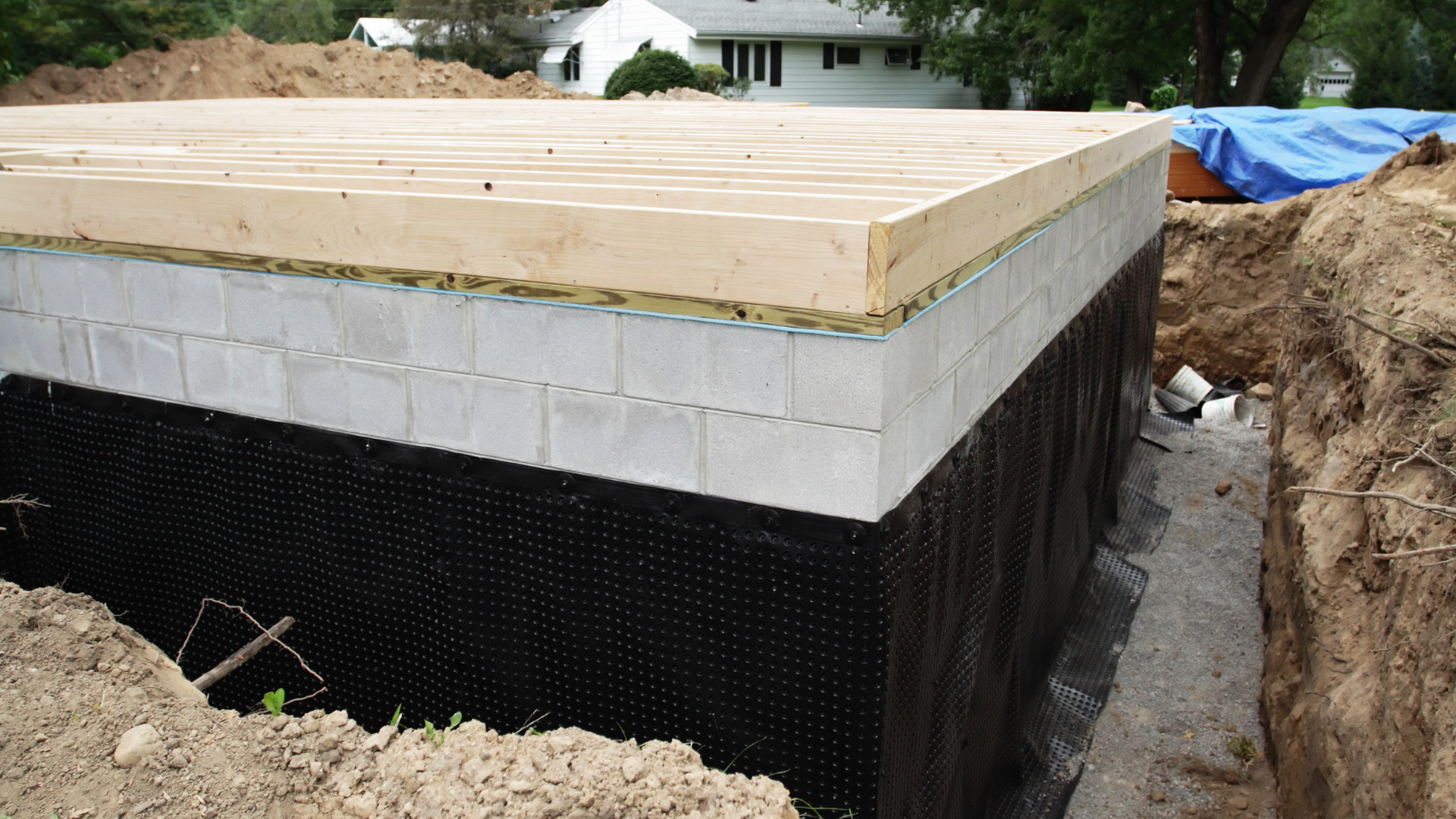
Exterior drainage and waterproofing: Addresses the source of moisture by intercepting water before it reaches the foundation wall. This includes exterior French drains installed along the foundation perimeter, exterior waterproofing membranes applied to the outside of the foundation wall, and grading corrections that direct surface water away from the structure. According to This Old House, exterior French drains for a full property run approximately $8,000 to $15,000, with major excavation projects exceeding $20,000. Exterior approaches are more disruptive during installation but address the cause of moisture entry rather than managing water that has already entered.

Interior drainage systems: Installed inside the basement perimeter, typically involving a trench cut in the basement floor along the footing, a perforated pipe system, and a sump pump that discharges collected water to the exterior. Interior French drain installation runs approximately $70 to $100 per linear foot along the perimeter, according to published industry pricing. Interior systems do not stop water from entering the foundation wall. They intercept it after entry and remove it before it accumulates. For chronic moisture problems driven by hydrostatic pressure against the foundation, interior drainage is often combined with exterior waterproofing for complete protection.

The important distinction for Connecticut homeowners: Research from Bob Vila suggests that properly installed French drain systems can reduce basement water intrusion by up to 90 percent in most homes. But "properly installed" is doing significant work in that sentence. A system installed at incorrect slope, with the wrong pipe diameter for the water volume, or discharging to a point that backs up during heavy rainfall events, will not perform at anything close to that figure. The installation quality is what determines the outcome.

Red flags in basement moisture control proposals:

  • A contractor who recommends interior drainage without assessing the exterior drainage conditions around the foundation
  • A proposal that relies entirely on waterproof paint or sealant as the primary solution for active water intrusion, which according to This Old House controls humidity but does not stop pressurized water
  • A quote that does not include a site assessment before the scope is defined
  • A warranty that is not in writing and that specifies what it covers and for how long
  • A contractor who cannot explain where the discharge water will go and how that discharge point was selected

What to Look for in a Connecticut Drainage Contractor

The drainage contractor category in Connecticut includes companies that specialize exclusively in drainage and waterproofing, general landscapers who offer drainage as a supplemental service, and basement waterproofing companies that focus on interior systems. Each has a different knowledge base, and each is the right choice for a different type of problem.

For French drain installation and exterior drainage work on Connecticut shoreline properties, the contractor profile that produces reliable results has these characteristics:

Specialization in drainage system design and installation

General landscapers can install simple surface drains and basic French drains. Complex drainage problems involving foundation moisture, high water tables, wetlands proximity, or significant site grading challenges require a contractor whose primary expertise is drainage system design. Ask how long the contractor has been installing French drains specifically, how many projects they have completed in the shoreline communities, and whether they can provide references from similar projects in the same soil and site conditions.

Site-specific assessment before any proposal

A drainage contractor who provides a quote without a site visit is quoting a generic solution, not a solution for your specific property. A qualified contractor visits the site, assesses the soil, identifies the water source, evaluates discharge options, and designs a system for those conditions. The assessment should be completed before the proposal is written, not after.

Written proposal with full scope detail

The written proposal should specify:

  • The drainage system type and configuration: Exterior French drain, interior perimeter drain, curtain drain, dry well, combination system
  • Pipe diameter, material, and perforation specification
  • Gravel type and volume
  • Filter fabric specification
  • Trench dimensions and slope
  • Discharge point location and method
  • Permit responsibility: Who pulls required permits and who pays for them
  • Backfill and surface restoration: What happens to the excavated area after installation
  • Cleanup and debris removal
  • Warranty terms in writing: What is covered, for how long, and what the process is for warranty claims

A proposal that describes the work in general terms without these specifics does not give you the information needed to evaluate whether the solution is appropriate or to hold the contractor accountable for the result.

Insurance and licensing verification

Connecticut law requires home improvement contractors to be registered with the Department of Consumer Protection and to carry liability insurance. Connecticut also requires workers compensation for employers with one or more employees.

Verify before any work begins:

  • HIC registration: Connecticut Home Improvement Contractor registration, verifiable through the DCP online lookup tool
  • General liability insurance: Request a certificate of insurance and call the insurer to confirm the policy is active
  • Workers compensation: Request confirmation that the crew working on your property is covered
  • Wetlands credentials: If the project involves or is near wetlands, confirm the contractor is familiar with Connecticut IWWA permit requirements

Local experience on the Connecticut shoreline

The soil conditions, water table characteristics, wetlands proximity, and drainage patterns of Clinton, Madison, Guilford, Old Saybrook, Branford, and East Lyme are specific to this region. A contractor with deep experience on the Connecticut shoreline has encountered and solved the drainage problems that are common here: clay-heavy soils with low permeability, high water tables near tidal influence zones, properties where surface water from adjacent parcels contributes to the moisture problem, and foundation types common in the housing stock of each community.

That local experience is not something a credential certifies. It is demonstrated through the specific projects a contractor has completed and the references those homeowners can provide.

The Questions to Ask Before Hiring

Before any drainage contractor begins work on your Connecticut shoreline property, ask these questions and evaluate the answers carefully:

  • Can I see your HIC registration number? Verify through the CT DCP online lookup tool.
  • Can you provide a current certificate of insurance for general liability and workers compensation? Call the insurer to confirm.
  • Will you conduct a site assessment before providing a proposal? A proposal without a site visit is not a proposal for your property.
  • Does this project require permits? Which ones, and who is responsible for obtaining them?
  • Is this property near wetlands or coastal resources that affect the project? How will that be managed?
  • Where will the discharge water go, and how was that discharge point selected?
  • Can you provide references from similar projects in this area? Call them.
  • What does your warranty cover, for how long, and how do I make a claim? Get it in writing.
  • What happens to my yard after the installation? Grading restoration, seeding, surface repair.

A contractor who answers every one of these questions directly and provides documentation without hesitation is operating the way a qualified professional should. A contractor who deflects, pressures you to decide before doing a site visit, or cannot provide insurance documentation is telling you what you need to know before you write a check

Why Drainage Pro of CT

Drainage Pro of CT specializes exclusively in drainage system design and installation across the Connecticut shoreline. The team serves Clinton, Madison, Guilford, Old Saybrook, Branford, East Lyme, New Haven, and surrounding communities with French drain installation, yard drainage solutions, exterior foundation waterproofing, downspout drainage, grading and regrading, curtain drains, dry well installation, and retaining walls.

Every project begins with a free on-site assessment. Every proposal is written, site-specific, and covers the full scope of work before anything is approved. Every installation is licensed, insured, and executed with knowledge of the specific soil conditions, water table characteristics, and regulatory requirements of each Connecticut shoreline community.

For homeowners dealing with basement moisture, standing water, foundation seepage, or drainage problems that have not been solved by a prior contractor, the first step is a conversation and a site visit with a team that has seen and solved these problems in this specific region.

Excavator dumping dirt into a trench in a grassy yard construction site
By Mike James June 17, 2026
Not all grading work produces the same result. Drainage Pro of CT explains what Connecticut code requires, what the shoreline's clay soils demand, and how to tell high-quality grading from a job that will fail in the first wet season.
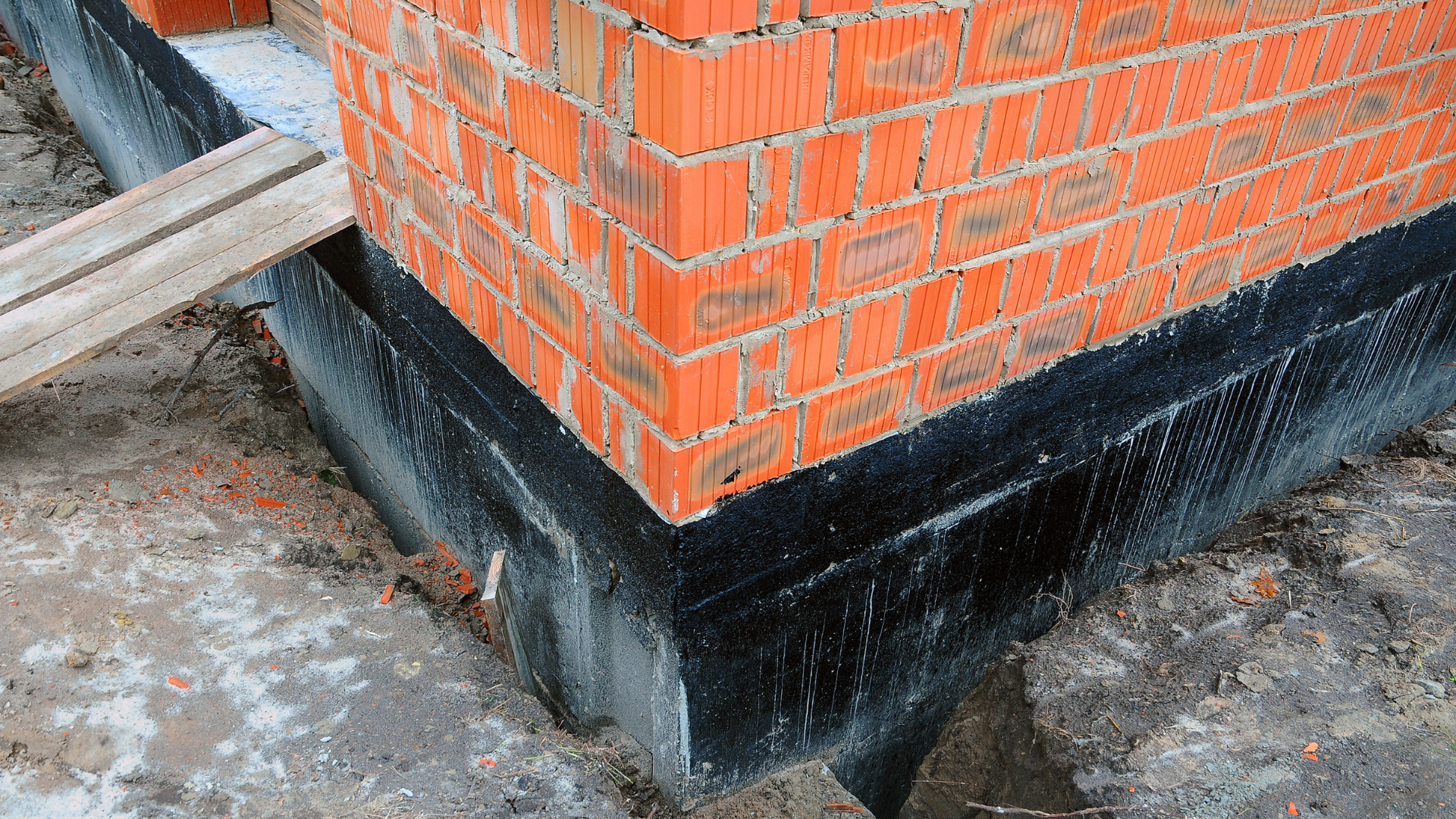
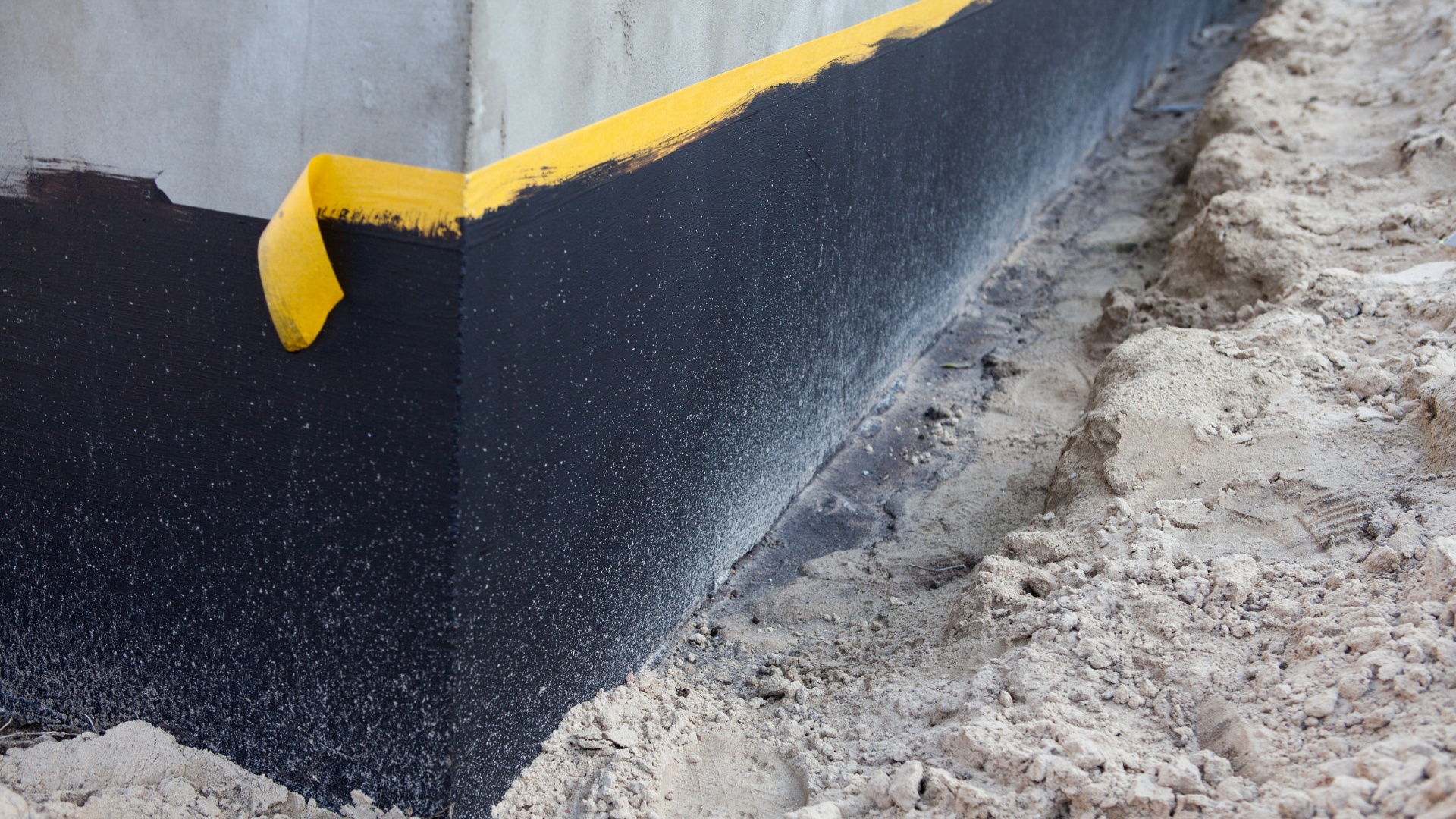
Brick building corner on a black waterproofed foundation, with wet concrete and wooden planks nearby.
By Mike James June 3, 2026
Got a wet basement and a big waterproofing quote? Before you sign, check these three things outside first. Most wet basement problems are cheaper to fix than you think.