Before You Spend $15,000 on Interior Basement Waterproofing, Check These Three Things First
Mike James • June 3, 2026

You've got water in your basement. Maybe it showed up after a heavy rain last spring, maybe it's been quietly ruining boxes and making the whole lower level smell like a root cellar for years. Either way, you finally called a waterproofing contractor. Maybe two. And now you're sitting on a quote somewhere between $15,000 and $25,000 for an interior drainage system, a sump pump, and a warranty that sounds airtight until you actually read it.

The contractor wants you to sign this week. There's a scheduling window. The crew is in your area.

Before you do anything, slow down.

This isn't a post telling you that interior basement waterproofing is a ripoff, because it isn't. There are situations where it's the right answer and the only answer. But there are also a lot of situations where a wet basement is fundamentally an exterior water management problem, and interior waterproofing is an expensive way to manage a symptom that didn't need to get inside in the first place.

The distinction matters more than most homeowners realize. Interior systems intercept water that has already entered your foundation. They channel it to a sump and pump it out. That's not nothing, but it's reactive. Exterior solutions stop water from reaching your foundation at all. When the source is controllable from outside, and very often it is, fixing it there is almost always cheaper, less invasive, and more permanent.

So before you sign anything, here are three things worth checking first.

Check Your Downspouts Before You Do Anything Else

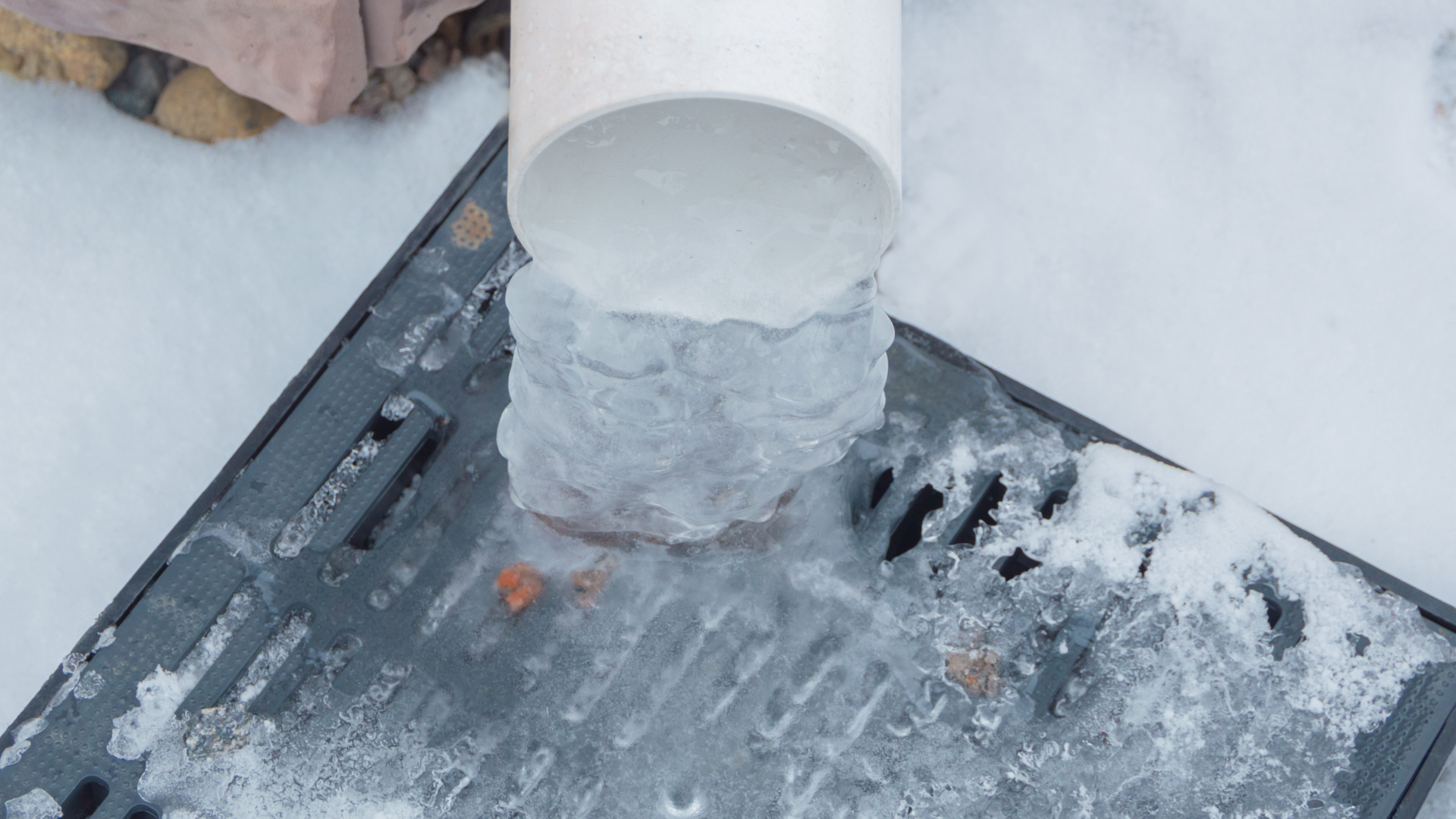
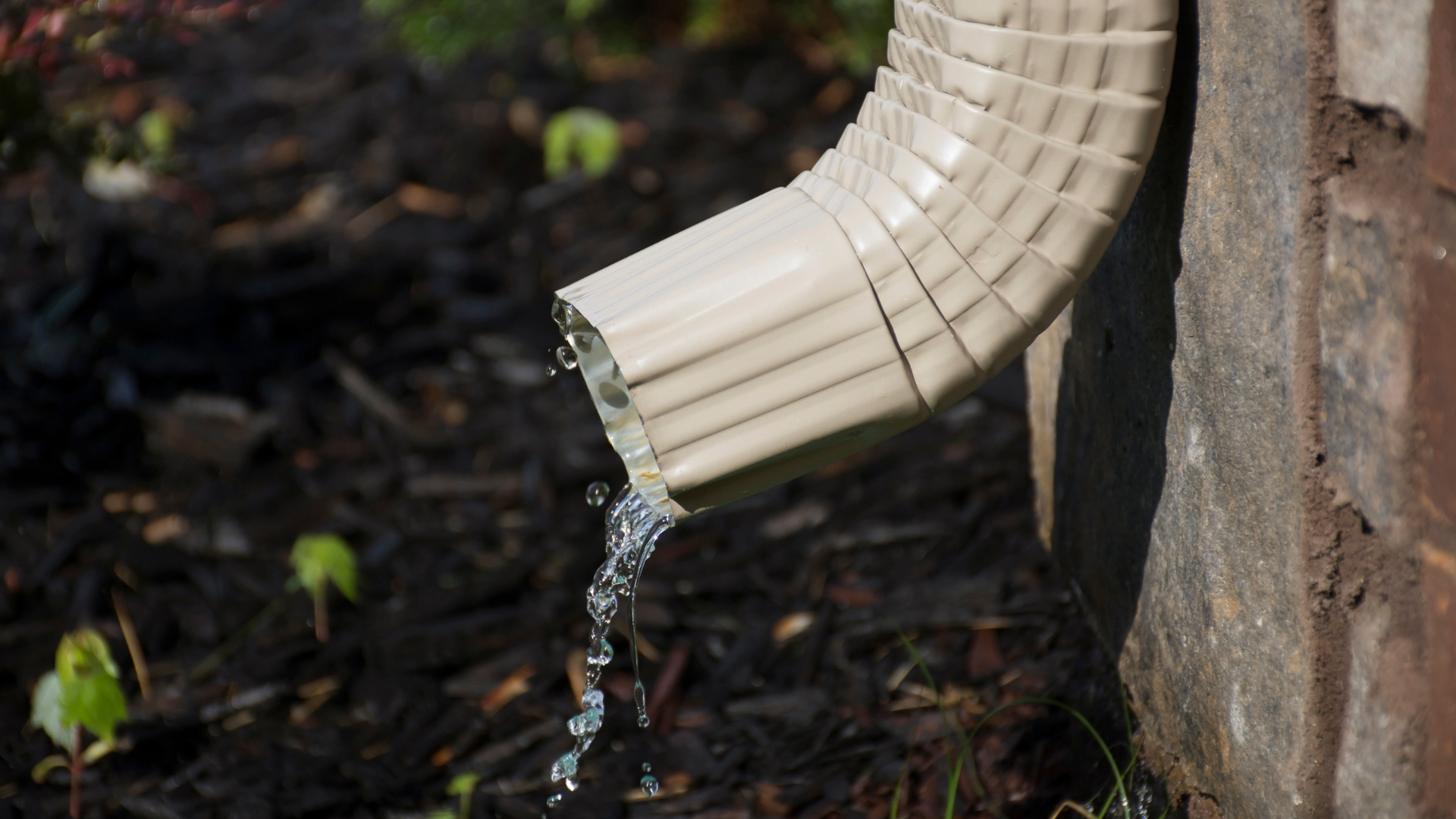
White downspout pouring water beside a brick wall onto dark mulch.

Most people don't think about their gutters when they're standing in a wet basement, but they should. A 1,500-square-foot roof sheds roughly 900 gallons of water for every inch of rain, and Connecticut averages around 47 inches a year. That's an enormous volume of water, and if your downspouts are depositing it within two or three feet of your foundation, you've essentially built a system designed to saturate the soil at the base of your walls.

Walk your perimeter the next time it rains, or right after. Look at where each downspout terminates. Is the extension intact, or has it been kicked loose and is discharging right at the foundation? Is the splash block cracked, missing, or pitched back toward the house? Is water pooling visibly against the wall?

If the answer to any of those is yes, you may be looking at the entire cause of your wet basement. Downspout extensions that carry water at least six feet from the foundation are cheap. Buried downspout drainage systems that carry roof water underground and daylight it far from the structure cost a few hundred to a couple thousand dollars depending on the run. That's not $15,000.

Look at How the Ground Around Your Foundation Is Sloped

Soil settles. It happens on every property, and it happens more than most people notice because it's slow. Garden beds get built up against the house over the years. Landscaping that was graded correctly when the house was built gradually develops a slight pitch back toward the foundation. In Connecticut especially, with freeze-thaw cycles hammering the ground every winter, you can develop grading problems in five years that didn't exist when you moved in.

When the ground slopes toward the house rather than away from it, surface water has nowhere to go but against your foundation wall. Rain, snowmelt, runoff from a neighbor's yard uphill from yours. It all flows toward the low point, and if the low point is the base of your foundation, you're going to get a wet basement.

Stand at your foundation on a dry day and just look at the pitch of the soil. Even a subtle inward slope is meaningful. Corners are worth particular attention because two slopes can converge there and concentrate water in one spot. Soil that stays soggy for days after rain, right up against the wall, is a reliable sign the grade is working against you.

Regrading the perimeter to create a positive slope away from the foundation is often a straightforward fix. For more complex situations where water is migrating from neighboring property or from a rise in the landscape uphill from the house, a curtain drain on that uphill side can intercept subsurface flow before it ever reaches the foundation. These are exterior solutions that address the actual cause, not a pump system in your basement floor managing the result.

Check Every Opening at or Below Grade

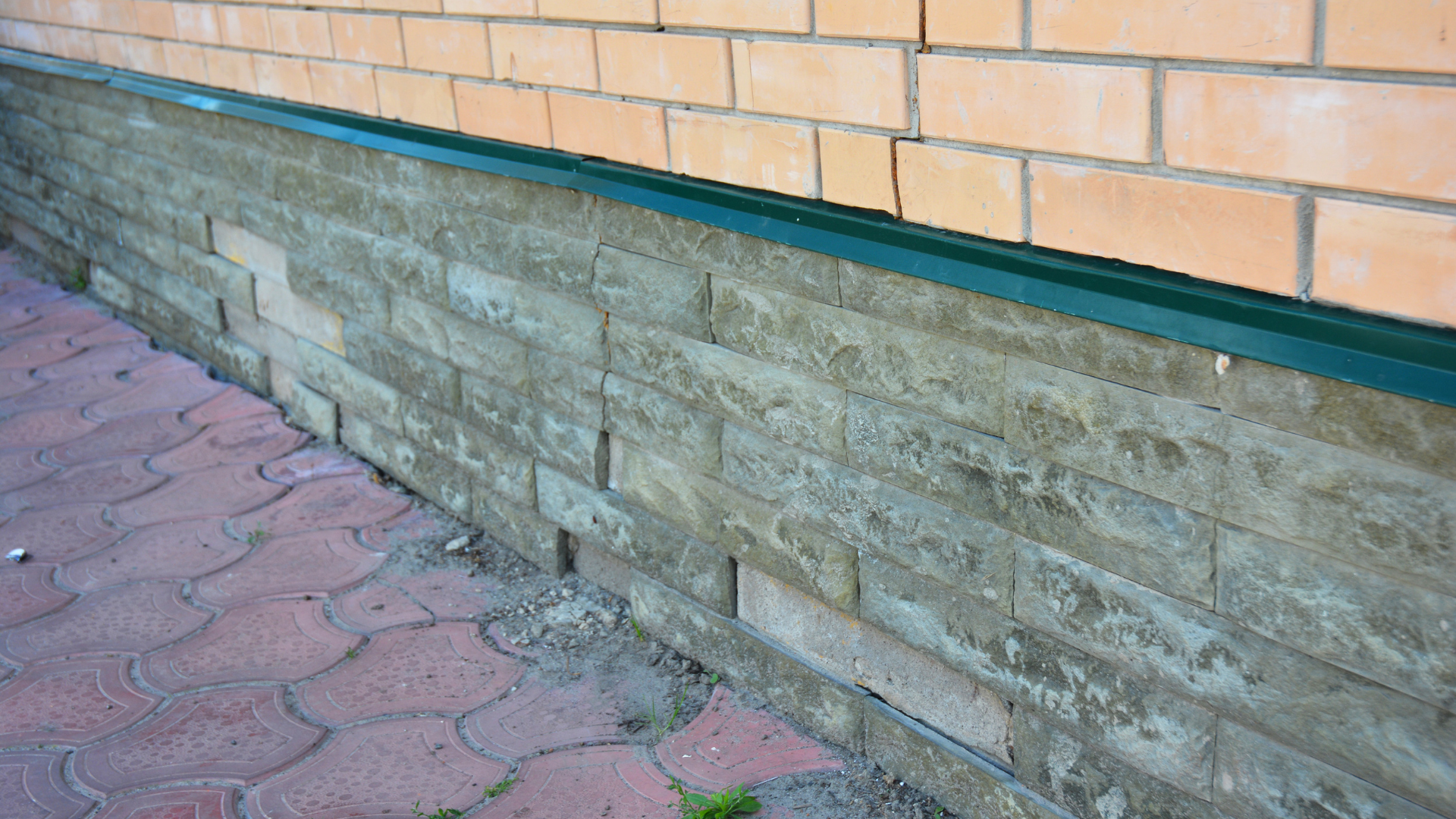
Not all basement water comes through the foundation wall itself. Window wells that don't have drains, basement hatchways that aren't properly sealed or graded, settled walkways that now pitch back toward the house rather than away from it. All of these can let water in at grade level or just below it, and the water that enters this way often looks exactly like a wall leak once it's on your basement floor.

This one is easy to miss because the presentation is deceptive. Water enters at a window sill, runs down the wall, and pools on the floor. The contractor looks at a wet wall, a wet floor, and quotes you an interior drainage system. But the entry point was above the foundation entirely.

Walk the perimeter slowly and look at everything at or near grade. Window wells should have gravel at the bottom for drainage and ideally a dedicated drain. Hatchway doors should close tight with no gaps and the surrounding grade should shed water away. Any concrete surface adjacent to the house, walkways, patios, stoops, has probably settled over the years. Even a half-inch of reverse pitch toward the house is enough to channel water into a window frame during a heavy rain.

For situations where water is approaching laterally from uphill, an exterior French drain or curtain drain installed between the source and those entry points can resolve the problem completely without touching the interior of the house.

When Interior Waterproofing Actually Is the Right Call

It would be easy to read everything above and conclude that interior waterproofing is never the answer. That's not what we're saying.

If your property sits in an area with a naturally high water table, which is common in coastal Connecticut, near rivers, and in low-lying areas, you're dealing with hydrostatic pressure that builds from below the slab, not from surface runoff. Exterior drainage helps at the margins, but a properly designed interior system with a sump is often the most practical long-term solution for a property where the ground is persistently saturated regardless of rainfall.

If you've already had the exterior work done, downspouts rerouted, grading corrected, French drains installed, and the basement is still taking on water, that tells you something important. At that point it's no longer a drainage management problem and interior waterproofing becomes a legitimate recommendation rather than a premature one.

And there are cases where hairline cracks in poured concrete walls, or deteriorating mortar joints in block walls, are under enough direct hydrostatic pressure that exterior surface drainage alone won't stop the intrusion. Those situations often call for a combination approach.

The point isn't that interior waterproofing is wrong. The point is that the diagnostic order of operations matters. Most wet basements in Connecticut, particularly in homes from the mid-20th century where grading and drainage were not carefully engineered, are caused by exterior water management failures. Checking those first costs almost nothing. Skipping straight to a $15,000 interior system without checking them costs quite a lot.

We'll Tell You What You Actually Need

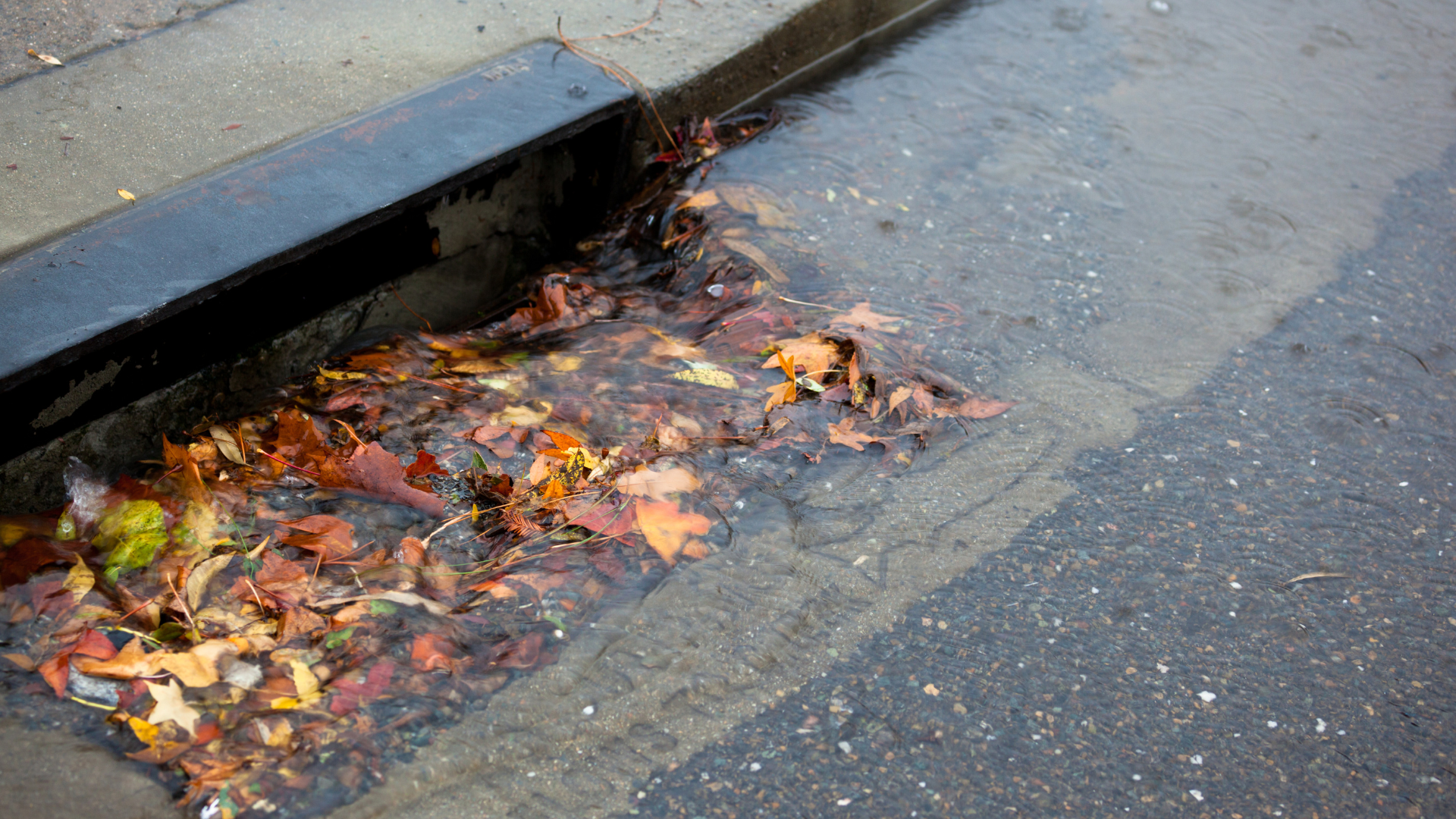
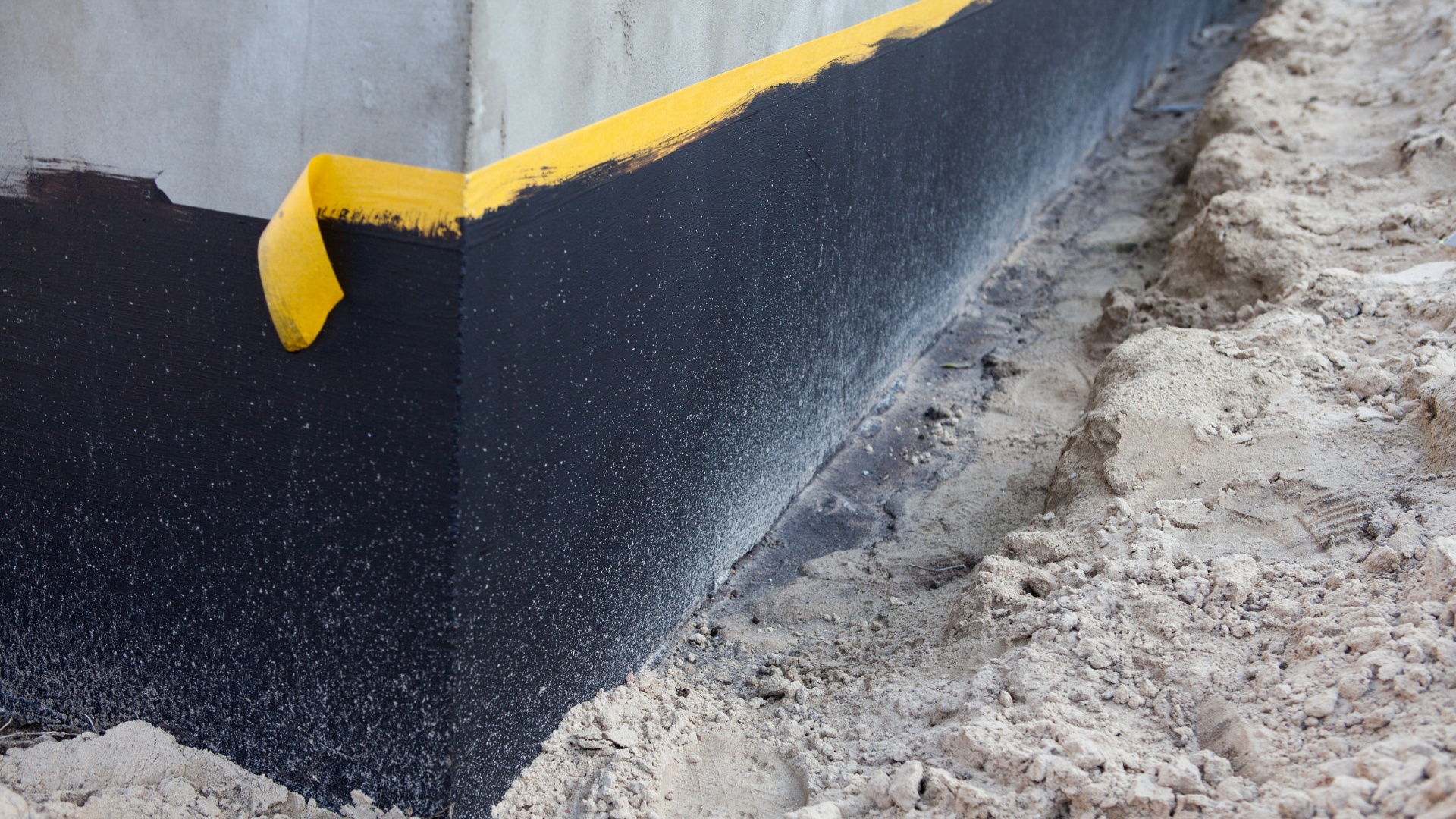
Black-and-yellow curb edge with fresh asphalt beside a concrete and dirt roadside surface

At Drainage Pro of CT, we do exterior water management: French drains, downspout drainage, grading and regrading, curtain drains, swales. We work across the Connecticut Shoreline including Clinton, Madison, Guilford, Old Saybrook, Branford, and East Lyme.

If you've got a waterproofing quote in hand and want someone to walk the exterior of your property and give you an honest second opinion, that's exactly what we do. We'll tell you what we find and what we think the right fix is, even if that means telling you the interior waterproofing contractor already has the right diagnosis and you should move forward with them.

We'd rather earn your trust by being straight with you than sell you something you don't need.