7 French Drain Installation Mistakes That Cause Systems to Fail on Connecticut Properties
Mike James • June 30, 2026

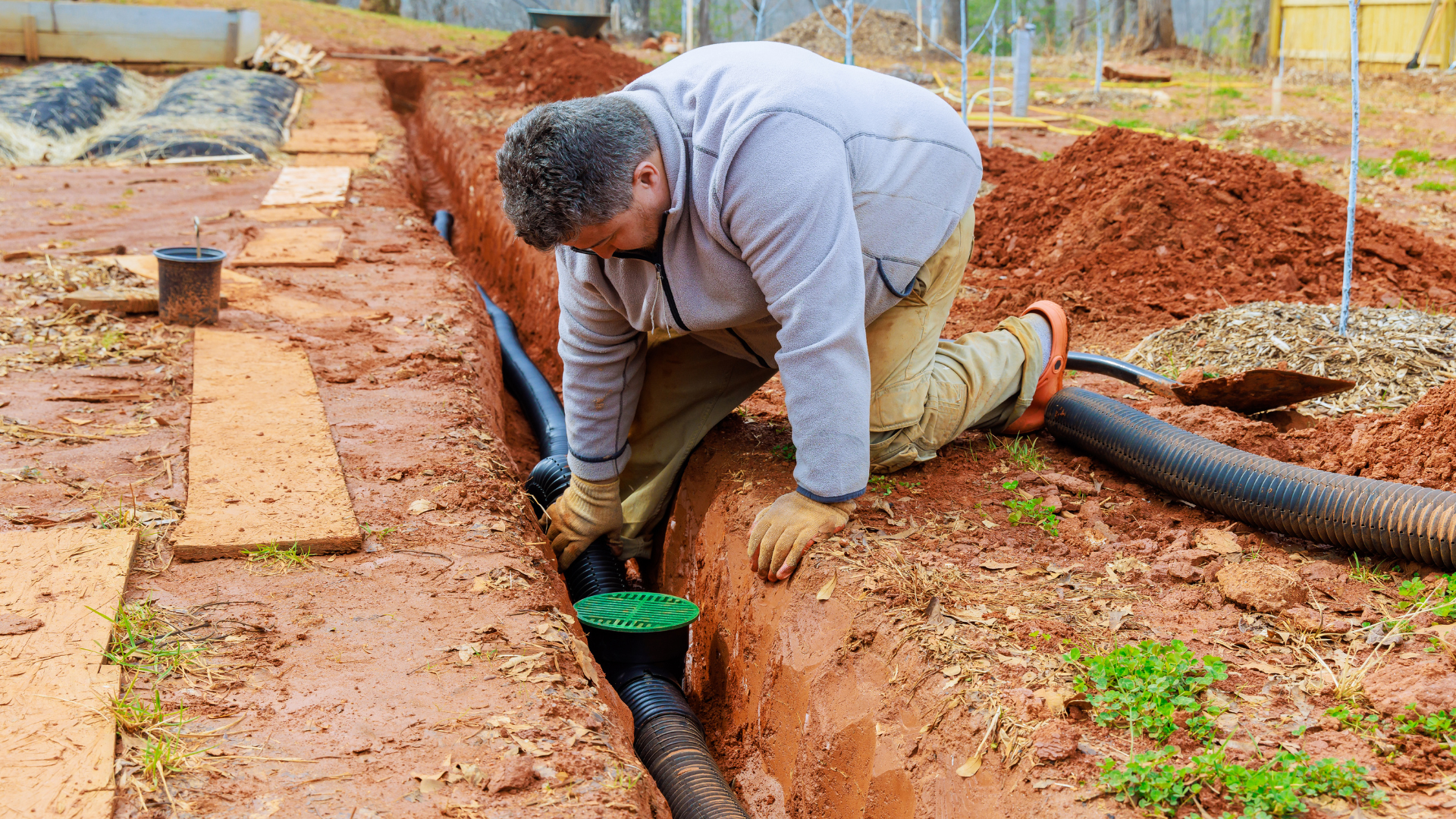
A French drain that does not work is not a mystery. It is almost always the result of one or more specific, identifiable mistakes made during design or installation, mistakes that are common enough that Drainage Pro of CT encounters them on a recurring basis when called in to diagnose a system that a property owner in Clinton, Madison, Guilford, Branford, or Old Saybrook installed themselves or hired an unqualified contractor to build.

The frustrating part for homeowners is that a failed French drain often looks correct on the surface. The trench was dug. The pipe was installed. The gravel was added. Everything appears to be in place, and yet the standing water the system was supposed to eliminate is still there after the first significant rain. The reason is almost always buried in the details that determine whether a French drain actually functions: the slope, the materials, the placement, and the discharge point.

This guide covers the seven mistakes that most reliably cause French drain installations to fail on Connecticut properties, why each one matters specifically in the soil and climate conditions of the CT Shoreline, and what correct installation looks like instead.

Mistake 1: Inadequate Slope

White downspout pouring water beside a brick wall onto dark mulch.

This is the single most common reason a French drain fails, and it is also the most fundamental, because a French drain is a gravity-fed system with no mechanical pump. If the trench does not maintain a consistent downward slope from start to discharge point, water has no force moving it through the system.

A functional French drain requires a minimum slope of approximately 1 percent, meaning roughly 1 inch of drop for every 8 to 10 feet of trench length. Without this slope, water sits in the pipe rather than flowing toward the discharge point, and stagnant water in a French drain creates secondary problems: sediment settles in the low spots rather than being carried through the system, mosquito breeding conditions develop in standing water, and the drain provides essentially none of the protection it was installed to provide.

Why this mistake is so common on Connecticut shoreline properties:

Many Clinton, Madison, and Guilford properties are relatively flat, particularly closer to the shoreline, which makes achieving consistent slope across a full trench run more demanding than it is on a naturally sloped lot. Eyeballing the grade, a common shortcut on DIY and unqualified installations, almost never produces a consistent 1 percent slope across the full trench length. Even a short flat or reverse-sloped section anywhere along the run can stall water flow and cause the entire system to underperform.

What correct installation requires: Slope must be verified continuously during excavation using a laser level or string line, not assumed from the visual appearance of the trench. On flatter Connecticut shoreline lots, achieving the necessary slope sometimes requires the trench to start shallower and end significantly deeper than the soil's natural grade would suggest, which is a design decision that has to be made before digging begins, not adjusted for afterward.

Mistake 2: Wrong Gravel Size and Type

The gravel surrounding a French drain pipe is not a filler material. It is an active part of the system, creating the void space that allows water to move into the pipe while filtering out the sediment that would otherwise clog it. Choosing the wrong gravel undermines the system regardless of how correctly everything else was installed.

The gravel mistakes that cause failure:

  • Pea gravel: Too small and compacts over time, reducing the void space between stones that water needs to flow through, and contributing to clogging more quickly than larger stone.
  • Crushed stone or crushed rock: Contains angular particles and fine sediment that work into the system over time, gradually filling the void space and reducing flow capacity.
  • Lime rock: Inexpensive but deteriorates over time, breaking down into smaller particles that behave like the fine sediment problem of crushed stone.

The correct specification is clean, round, natural stone, typically 1 to 1.5 inches in diameter. This size creates adequate void space for water to move through the gravel bed and into the perforated pipe, while being large enough that the stones themselves do not compact or migrate into the pipe perforations.

Why this matters more in Connecticut's clay-heavy soils: Connecticut shoreline soils are predominantly clay-heavy, which means the surrounding soil already drains slowly. A French drain installed with the wrong gravel in clay soil compounds the problem: the soil cannot absorb water quickly on its own, and gravel that clogs with fine particles further restricts the system's only remaining pathway for moving water away from the problem area.

Mistake 3: Missing or Incorrect Filter Fabric

Filter fabric, also called geotextile fabric, wraps the gravel and pipe to separate the drainage system from the surrounding soil. Without it, soil particles migrate into the gravel bed over time, filling the void space that water needs and eventually clogging the system from the inside out, in a process that is invisible until the drain stops working.

The two failure modes related to fabric:

  • No fabric installed at all: Some installations skip this step entirely to save material cost. Without fabric, soil works into the gravel from every surface of the trench, and the resulting clog is below ground and difficult to diagnose or repair without excavating the entire system.
  • The wrong fabric type: Woven landscape fabric, the kind commonly sold for weed barrier applications, is a frequent and costly mistake. Woven fabric is not designed to allow water through efficiently and can actually block water from entering the drainage system at all, defeating the purpose of the installation entirely. The correct material is non-woven geotextile fabric, typically in the 4 to 6 ounce weight range, which allows water to pass through freely while still filtering out soil and fine sediment.

Correct fabric installation uses a continuous wrap method, sometimes called the burrito wrap, where a single continuous piece of fabric lines the trench, wraps fully around the gravel and pipe, and overlaps at the top with a minimum 12-inch overlap secured before backfilling. Pieced or gapped fabric installation leaves seams where soil migration begins, undermining the entire purpose of including fabric in the first place.

Mistake 4: Pipe Perforations Facing the Wrong Direction

This is a mistake specific to the orientation of the perforated pipe within the trench, and it is counterintuitive enough that even well-intentioned DIY installers get it wrong.

Some installers position the pipe with the perforation holes facing upward or sideways, reasoning that this allows water to enter the pipe as quickly as possible from above. This reasoning is backward. Correct installation positions the pipe with perforations facing downward.

Why downward-facing perforations are correct: Water entering a French drain system needs to pass through the gravel before reaching the pipe, where the gravel performs its filtering function. With perforations facing down, water has already filtered down through the gravel bed before entering the pipe, and the water level inside the pipe stays lower because water exits through the bottom-facing holes into the soil beneath rather than accumulating to the level of upward-facing holes. This keeps the system in a self-cleaning configuration that resists sediment accumulation inside the pipe.

Pipe orientation is a detail that is completely hidden once the trench is backfilled, which is exactly why it is one of the mistakes Drainage Pro of CT most frequently finds when called in to diagnose a failed system that was installed by an unqualified contractor or as a DIY project.

Mistake 5: Backfilling with Excavated Soil Instead of Clean Stone

After the pipe and gravel are placed, the trench needs to be filled to grade. The mistake that undermines the entire system at this final step is using the soil that was excavated from the trench as backfill material, rather than additional clean gravel or appropriate fill.

Why this mistake is so damaging: The excavated soil, particularly Connecticut's clay-heavy shoreline soil, has the same low permeability problem that likely contributed to the original drainage issue. Backfilling with this soil directly on top of the gravel and fabric system creates a dense, slow-draining cap that reduces the rate at which surface water can reach the drainage system below it. In clay soil, surface water sits on top of this backfill rather than percolating down into the French drain, which means the system never receives the water it was designed to manage.

The correct approach uses clean gravel as backfill above the fabric-wrapped drainage layer up to a point near the surface, with the final few inches restored with topsoil and seed or sod to blend with the surrounding landscape. This maintains permeability through the full depth of the installation rather than capping a functional drainage system with the same low-permeability soil that was part of the original problem.

Mistake 6: Connecting Roof Downspouts Directly to the French Drain

This mistake seems efficient on paper: route the gutter downspout directly into the French drain system so all the water is managed by one drainage solution. In practice, it frequently overwhelms the system and produces backups.

Why direct downspout connection causes failure: A French drain is typically sized to manage groundwater seepage and gradual surface water infiltration, a relatively modest and steady volume. A roof downspout during a significant rain event delivers a sudden, high-volume surge of water in a short window, particularly during the intense, brief storms common to Connecticut's monsoon-adjacent summer thunderstorm pattern and nor'easter rainfall. A French drain that was sized for gradual infiltration cannot handle this surge volume, and the result is water backing up at the connection point, sometimes pushing back out of the trench at the surface, exactly the flooding condition the system was meant to prevent.

The correct approach keeps roof drainage and French drain systems separate, or routes roof downspout water through a catch basin that filters debris and moderates flow before any connection to a French drain occurs. For Connecticut shoreline properties managing both foundation perimeter water and roof runoff, a properly designed system accounts for both water sources with appropriately sized components for each, rather than funneling everything into a single undersized pipe.

Mistake 7: No Maintenance Access and No Maintenance Plan

A French drain that was installed correctly on day one will not necessarily perform correctly five years later without basic maintenance, and a system installed without any provision for inspection or cleanout access makes that necessary maintenance difficult or impossible.

What goes wrong without maintenance access:

  • Sediment that does enter the system over time has no easy removal point: Even a correctly installed system with proper fabric will accumulate some fine sediment over years of operation. Without a cleanout access point, clearing this sediment requires excavating the trench rather than a simple maintenance procedure.
  • Tree root intrusion goes undetected: Roots are attracted to the consistent moisture inside a French drain system and can work their way into the pipe through joints or perforations over time. Without periodic inspection, root intrusion can progress to a significant blockage before any symptom becomes visible at the surface.
  • Discharge point blockage is not caught early: The point where the French drain releases water, whether to daylight, a dry well, or a storm connection, can become blocked by debris, vegetation growth, or settling. Without a maintenance plan that includes periodic discharge point inspection, this blockage backs up the entire system before anyone notices.

Correct installation includes accessible cleanout points at strategic locations along the trench run, allowing future inspection and clearing without excavation, along with a basic maintenance schedule that includes periodic inspection after heavy rain events and clearing of the discharge point.

Why These Mistakes Compound on Connecticut Shoreline Properties

Each of the seven mistakes above is damaging on its own. On Connecticut shoreline properties specifically, several factors make the consequences more severe and more likely to occur in combination.

The clay-heavy soil common throughout Clinton, Madison, Guilford, and the surrounding communities means the surrounding ground cannot compensate for a French drain that is underperforming due to wrong gravel, missing fabric, or improper backfill. In sandy or loamy soil, some of these mistakes might be partially masked by the soil's own natural drainage capacity. In clay soil, the French drain is often the only meaningful drainage pathway, which means every installation mistake has a more direct and visible impact.

Connecticut's rainfall pattern, with nor'easters delivering sustained volume and summer thunderstorms delivering intense short bursts, tests a French drain system across very different load conditions throughout the year. A system with marginal slope or undersized capacity that performs adequately during gentle, steady rainfall can fail completely during a nor'easter or a summer downpour, which is often when homeowners first discover that their installation has a problem.

What Correct French Drain Installation Looks Like

Drainage Pro of CT designs every French drain installation around the specific soil conditions, water sources, slope characteristics, and discharge options of the individual Connecticut shoreline property. Every installation includes:

  • Site assessment and percolation evaluation before any trench design is proposed
  • Slope verification using laser level technology throughout excavation, not visual estimation
  • Clean, properly sized round stone, typically 1 to 1.5 inches in diameter
  • Non-woven geotextile fabric installed using the full continuous wrap method with proper overlap
  • Correctly oriented perforated pipe positioned with perforations facing downward
  • Clean gravel backfill through the drainage zone, not excavated native soil
  • Appropriately separated roof and surface drainage systems, designed to handle each water source's actual volume characteristics
  • Maintenance access points built into the system for long-term serviceability

For Clinton, Madison, Guilford, Branford, and Old Saybrook homeowners who already have a French drain that is not performing, or who are planning a new installation and want it built correctly the first time, the assessment that precedes any Drainage Pro of CT proposal identifies exactly what the site requires before any trench is dug.

Black downspout drain on white gravel beside a beige wall and patio pavers
By Mike James June 22, 2026
French drains and dry wells solve different drainage problems. Drainage Pro of CT explains how Connecticut shoreline soil conditions, high water tables, and coastal rainfall patterns determine which system is right for your property.
Excavator dumping dirt into a trench in a grassy yard construction site
By Mike James June 17, 2026
Not all grading work produces the same result. Drainage Pro of CT explains what Connecticut code requires, what the shoreline's clay soils demand, and how to tell high-quality grading from a job that will fail in the first wet season.
Open utility access box in grass, with red-handled tools on either side
By Mike James June 15, 2026
French drain installation and basement moisture control are high-stakes investments for Connecticut shoreline homeowners. Drainage Pro of CT explains exactly what to look for before hiring anyone for this work.
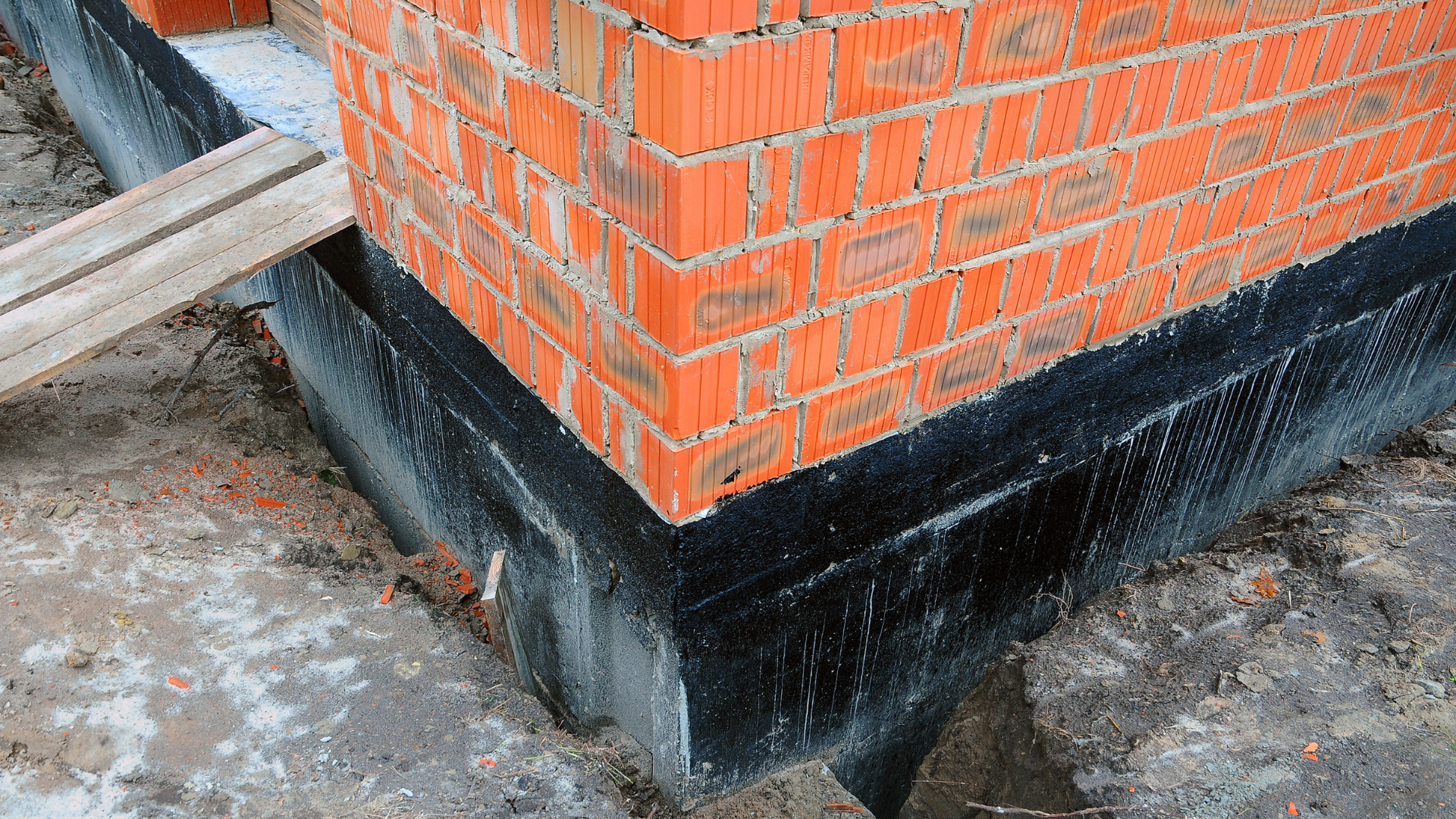
Brick building corner on a black waterproofed foundation, with wet concrete and wooden planks nearby.
By Mike James June 3, 2026
Got a wet basement and a big waterproofing quote? Before you sign, check these three things outside first. Most wet basement problems are cheaper to fix than you think.