Why this mistake is so damaging: The excavated soil, particularly Connecticut's clay-heavy shoreline soil, has the same low permeability problem that likely contributed to the original drainage issue. Backfilling with this soil directly on top of the gravel and fabric system creates a dense, slow-draining cap that reduces the rate at which surface water can reach the drainage system below it. In clay soil, surface water sits on top of this backfill rather than percolating down into the French drain, which means the system never receives the water it was designed to manage.
The correct approach uses clean gravel as backfill above the fabric-wrapped drainage layer up to a point near the surface, with the final few inches restored with topsoil and seed or sod to blend with the surrounding landscape. This maintains permeability through the full depth of the installation rather than capping a functional drainage system with the same low-permeability soil that was part of the original problem.
A soggy lawn in Clinton or Madison rarely looks complicated at first. The grass stays wet longer than the rest of the yard, a low spot holds water after every heavy rain, or a mulched bed near the foundation keeps washing out. From the surface, it can look like a simple soil problem.
That is why many homeowners start with DIY soil management. They aerate the lawn, add compost, topdress a low area, plant moisture-tolerant shrubs, or loosen compacted soil near a patio. In the right situation, those steps can help. Soil health matters, and better soil structure can improve how water moves through the landscape.
The problem is that shoreline drainage issues are not always caused by soil alone. On Connecticut properties near Long Island Sound, standing water may come from flat grades, clay-heavy subsoil, high groundwater, downspout discharge, undersized swales, compacted construction fill, or runoff from a neighboring lot. When those forces are present, improving the top few inches of soil will not solve the drainage problem.
This guide explains the difference between professional yard drainage and DIY soil management, when each approach makes sense, and why Drainage Pro of CT evaluates the full water pathway before recommending a solution for homes in Clinton, Madison, Guilford, Branford, Old Saybrook, New Haven, and surrounding CT shoreline communities.
For properties with recurring ponding, soft lawn areas, or water moving toward the house, a professional yard drainage assessment is usually the starting point because the issue may involve more than soil texture.
Why This Decision Matters More on Connecticut Shoreline Properties
Yard drainage decisions carry more weight on the CT shoreline because the margin for error is smaller. Many lots in Clinton, Madison, Guilford, and Branford are relatively flat, especially in neighborhoods closer to the coast. A yard that appears only slightly low can still hold water because there is not enough natural fall to move runoff away from the home.
The Northeast has also seen an increase in extreme precipitation. The Fifth National Climate Assessment reports that extreme precipitation events in the Northeast have increased by about 60 percent, the largest increase among U.S. regions. For homeowners, this means drainage systems and landscapes are being tested by heavier rainfall events than many older yards were originally graded to handle.
Soil improvement can help absorb light to moderate water when the problem is shallow compaction or poor organic matter. Professional drainage becomes necessary when the property is receiving more water than the soil can reasonably absorb, or when water has no safe route to leave the problem area.
That distinction matters because treating a volume problem as a soil problem creates delay. The yard may look better for a few weeks, but the same low spot will return after the next thunderstorm, nor'easter, or spring snowmelt event.
What DIY Soil Management Can Actually Improve
DIY soil management is not useless. In fact, it can be an important part of long-term landscape health when the drainage issue is minor and the water is not threatening the foundation, basement, driveway, walkway, septic area, or neighboring property.
The USDA Natural Resources Conservation Service explains that healthy soils absorb and retain more water, making them less susceptible to runoff and erosion. UConn Extension also emphasizes soil testing, amendments, cover cropping, and other soil health practices for landowners and gardeners in Connecticut.
For a homeowner, this means the right soil work can improve the way the surface layer behaves during normal rainfall. It can help lawns recover from compaction, improve root growth, and reduce shallow puddling in areas where water already has a reasonable path to move.
DIY soil management may help when:
- The lawn stays damp but does not hold standing water for long periods.
- The issue is limited to shallow compaction from foot traffic or light equipment.
- Water is not flowing toward the foundation or basement.
- The yard has enough natural slope for runoff to leave the area.
- The drainage problem appeared after surface disturbance, not after repeated major storms.
- Soil testing shows the lawn needs organic matter or fertility adjustments.
Examples include core aeration, compost topdressing, reseeding thin turf, maintaining mulch beds, planting deeper-rooted vegetation, and reducing repeated traffic over wet soil. These improvements support the landscape, but they do not replace drainage design when the problem is caused by water volume, grade, or discharge location.
Where DIY Soil Management Starts to Fail
The most common mistake is assuming that standing water always means the soil needs to be amended. Sometimes the soil is only showing the symptom. The actual cause may be water entering the yard from the roof, driveway, hillside, neighboring property, or groundwater table.
A homeowner may add compost to a wet low spot and see a temporary improvement because the surface becomes looser. But if that low spot receives concentrated runoff from two downspouts and a sloped driveway, the soil amendment does not change the amount of water entering the area. The next large storm simply overwhelms the improved soil again.
This is the same reason DIY grading and soil work can create unintended consequences. Moving soil around without understanding the discharge path may push water closer to the foundation, trap water against a walkway, or send runoff toward a neighbor's yard.
DIY soil work usually fails when the issue involves:
- Persistent standing water after moderate rainfall.
- Water moving toward the foundation or basement wall.
- Downspouts discharging into low areas.
- Clay-heavy subsoil that does not drain below the surface layer.
- A flat lot with no reliable outlet for runoff.
- Water crossing driveways, walkways, patios, or retaining walls.
- Multiple wet zones connected by one larger drainage pattern.
- A wet basement, damp crawlspace, or foundation moisture.
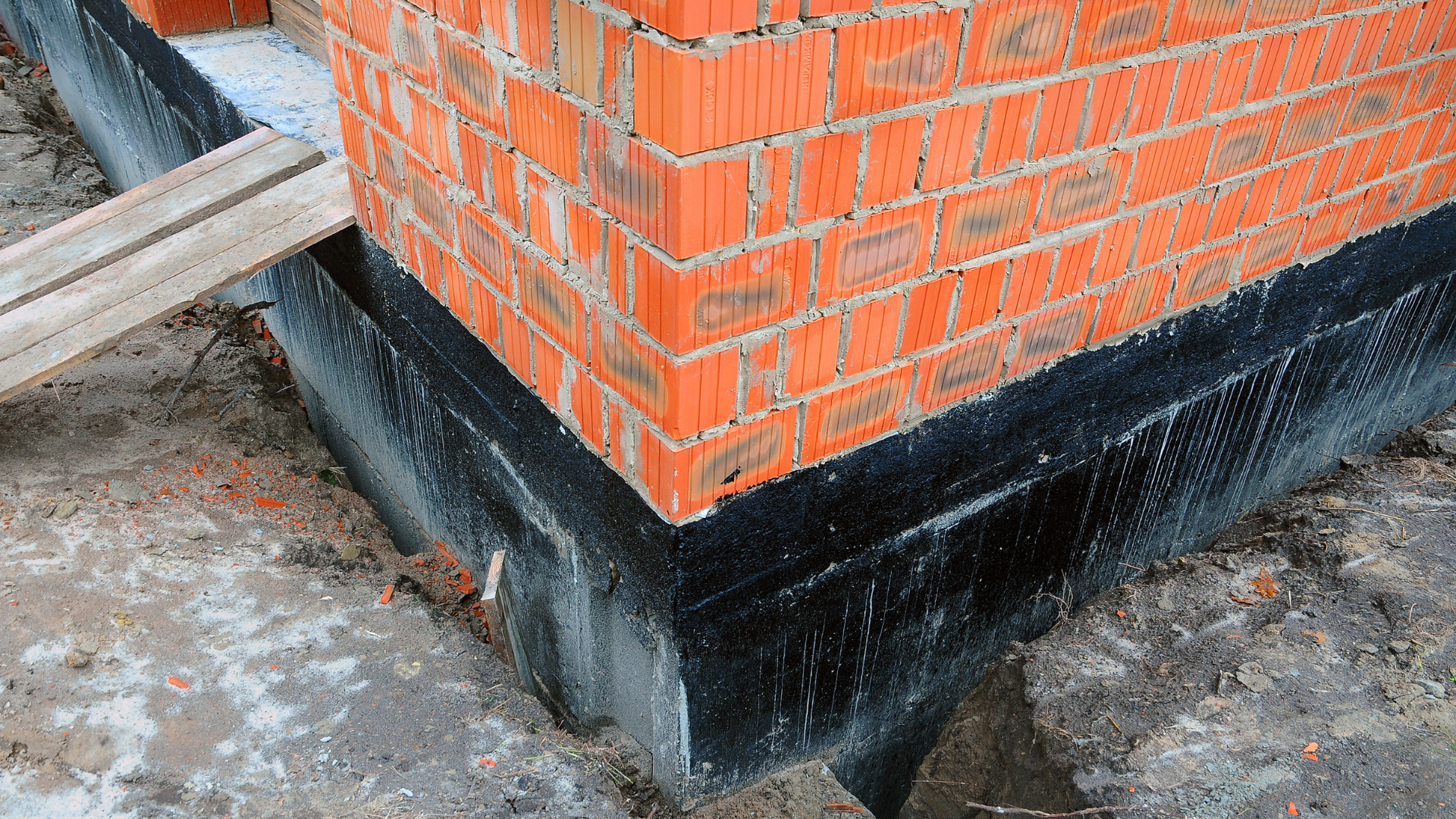
When basement moisture is part of the symptom, the better first step is not more topsoil. It is evaluating whether the property needs foundation waterproofing, exterior grading correction, downspout management, or a dedicated drainage system.
Professional Yard Drainage Starts with the Water Source
Professional yard drainage is different from DIY soil management because it begins with diagnosis, not materials. Before any trench is dug or any pipe is installed, the contractor has to identify where the water is coming from, how fast it arrives, where it is currently going, and where it can legally and safely discharge.
That is the part most DIY drainage fixes skip. A homeowner sees the puddle and treats the puddle. A drainage specialist studies the entire path that created the puddle.
On a Connecticut shoreline property, that path might begin at a roof valley, a driveway apron, a compacted side yard, a rear slope, or a neighbor's higher grade. It may pass through a lawn that looks level but actually contains shallow depressions created by settling, construction fill, or years of erosion.
A professional assessment typically looks at:
- Roof runoff and downspout discharge volume.
- Surface grades around the foundation.
- Low spots and natural drainage channels.
- Soil texture, compaction, and infiltration behavior.
- Driveway, patio, walkway, and hardscape runoff.
- Discharge options such as daylight outlets, dry wells, swales, or approved storm connections.
- Existing drainage systems that may be undersized, clogged, or improperly installed.
- Constraints such as utilities, septic areas, tree roots, retaining walls, and property boundaries.
This is why Drainage Pro of CT separates drainage recommendations by function. A property may need downspout drainage for roof runoff, grading and regrading for surface pitch, a French drain for subsurface water, or a dry well where controlled infiltration is appropriate.
Reason 1: Soil Amendments Improve Absorption, but They Do Not Create Slope
The first major difference between soil management and professional drainage is slope. Water needs somewhere to go. Compost, aeration, and improved turf can increase surface absorption, but they cannot create consistent fall across a flat or reverse-pitched yard.
This matters on the CT shoreline because many yards do not have obvious elevation change. A lawn in Madison or Guilford may appear flat enough to be harmless, but even a small reverse pitch can hold water against the house after repeated rainfall.
Professional drainage design measures grade instead of guessing. A system that moves water by gravity has to maintain a predictable pitch from collection point to discharge point. If the yard cannot provide that slope naturally, the solution may require a different route, a deeper trench, a catch basin, a dry well, or a combination of grading and subsurface drainage.
What this means for homeowners:
If the water problem is caused by a low area with no outlet, DIY soil improvement may make the lawn healthier but will not solve the drainage pattern. The yard needs a designed path for water movement, not only better soil at the surface.
Reason 2: Compacted Soil Can Behave Like a Hard Surface
Compaction is one of the few drainage problems where DIY soil management can make a real difference, but only when compaction is the primary cause. Repeated foot traffic, construction equipment, parked vehicles, and lawn maintenance over wet ground can compress soil particles and reduce pore space. When that happens, rainfall has a harder time entering the soil.
NRCS explains that soil disturbance can reduce infiltration and increase runoff. EPA guidance on urban soils also notes that heavily compacted soils can produce runoff behavior similar to hard surfaces. In practical terms, a compacted lawn can shed water more like a patio than a sponge.
On shoreline properties, compaction is common around new construction, additions, patios, driveways, and pool installations. The yard may have been graded and seeded after construction, but the deeper soil structure may still be dense enough to prevent water from moving downward.
When DIY may be enough:
- The area is only mildly compacted.
- Standing water disappears within a reasonable time after rainfall.
- Water is not threatening structures.
- The yard has a safe downhill path after the soil absorbs what it can.
When professional drainage is needed:
- The compacted area receives concentrated runoff from roofs or hardscapes.
- Water remains for days after storms.
- The problem returns immediately after aeration or topdressing.
- The affected area is part of a larger low zone.
Reason 3: Downspouts Can Overwhelm Even Healthy Soil
One of the clearest cases where DIY soil management falls short is roof runoff. A roof collects a large amount of water and delivers it through a few downspouts in a short window during heavy rain. Even healthy soil can be overwhelmed if that water is dumped into a low side yard or foundation planting bed.
This is especially common on older Connecticut homes where downspouts discharge only a few feet from the foundation. The lawn may be amended, aerated, and replanted repeatedly, but the problem remains because the water source has not changed.
Professional downspout drainage moves roof water away from the foundation and routes it to a safe discharge location. That may involve underground extensions, catch basins, solid pipe, pop-up emitters, dry wells, or another discharge strategy designed around the site's grade and soil conditions.
When roof runoff is part of the problem, Drainage Pro of CT typically evaluates whether dedicated downspout drainage and underground extensions should be separated from other yard drainage components so the system is not overloaded by sudden roof-water surges.
Reason 4: Clay-Heavy Soil Limits What Surface Fixes Can Accomplish
Many Connecticut shoreline properties contain clay-heavy or slow-draining subsoil. The top layer may be improved with compost, loam, seed, or sod, but water still has to move through the layers below. If the deeper soil drains slowly, the improved surface layer can become saturated and begin ponding again.
This is why a yard can look beautifully restored after a DIY soil project and still fail during a sustained nor'easter. The surface looks corrected, but the deeper drainage constraint remains. Once the soil profile fills with water, additional rainfall has nowhere to go.
A professional solution addresses the limiting layer instead of only treating the surface. Depending on the site, that may involve a French drain to intercept subsurface water, a curtain drain to cut off water moving across a slope, a swale to direct surface water, or a dry well where the soil has enough infiltration capacity to receive collected water.
For homeowners comparing underground options, the related Drainage Pro of CT article French Drain vs. Dry Well: Which Works Best for Connecticut Shoreline Properties? explains why soil conditions, water table, and discharge options determine which system is appropriate.
Reason 5: Professional Drainage Accounts for Discharge
Every drainage solution has to answer one question: where does the water go? DIY soil management often improves the place where water sits, but it may not provide a controlled outlet. That is a major limitation when the property is receiving more runoff than the soil can absorb.
A professionally designed drainage system considers discharge from the beginning. Water may be directed to daylight where grade allows, routed to a dry well where infiltration is suitable, carried to an approved storm connection, or slowed through grading and surface features so it does not cause erosion downstream.
The discharge point matters because solving one wet spot by sending water to the wrong place can create a new problem. It can wash out a slope, saturate a neighbor's yard, undermine a walkway, or overload a drainage feature that was never designed for that volume.
What correct planning requires:
- Confirm the water source before choosing the system.
- Measure grade from collection point to discharge point.
- Separate roof runoff from groundwater where needed.
- Match the drainage system to soil infiltration capacity.
- Avoid discharging water where it creates erosion or neighbor conflicts.
- Build in cleanout access or serviceability when underground piping is used.
What Homeowners Can Safely Try Before Calling a Drainage Contractor
Not every wet yard requires excavation. Some small drainage issues can be improved with careful homeowner maintenance and soil management, especially when water is not threatening the home or remaining for long periods.
Reasonable DIY first steps include:
- Clean gutters and confirm downspouts are not clogged.
- Extend downspouts temporarily and observe whether the wet area improves.
- Avoid mowing or driving equipment over saturated soil.
- Aerate compacted turf where the issue is shallow and localized.
- Add organic matter gradually based on soil testing, not guesswork.
- Reseed thin areas so exposed soil is less likely to erode.
- Keep mulch from piling against siding or foundation materials.
- Document where water flows during a storm with photos or short videos.
Soil testing is especially useful before adding amendments. The Connecticut Agricultural Experiment Station provides soil testing information for Connecticut residents, and UConn Extension offers soil health resources for landowners. Testing helps homeowners avoid adding the wrong material to the wrong problem.
When DIY Soil Management Is No Longer the Right Tool
The best time to call a drainage professional is before the wet yard becomes a foundation problem. Surface water rarely stays isolated forever. If it repeatedly sits near the home, crosses hardscapes, or saturates the same low area after every storm, the issue should be evaluated as a drainage problem, not only a lawn problem.
Call for a professional yard drainage assessment when:
- Water stands for more than 24 to 48 hours after ordinary rainfall.
- The same area floods after every heavy storm.
- Water moves toward the foundation, basement, crawlspace, garage, or bulkhead.
- Downspouts discharge into mulch beds or low lawn areas.
- The yard stays soft enough to sink underfoot days after rain.
- A driveway, patio, or walkway sends runoff into the lawn.
- Previous DIY fixes worked briefly and then failed.
- There is visible erosion, mulch washout, or soil movement.
- A neighbor's higher property appears to drain toward your yard.
- You are planning landscaping, hardscaping, or a yard renovation and want drainage addressed first.
If grading appears to be part of the issue, the related Drainage Pro of CT article Grading Services in Connecticut Shoreline: What Sets High-Quality Work Apart is a helpful next read because it explains why high-quality grading depends on more than moving soil around.
Professional Yard Drainage vs DIY Soil Management: The Practical Difference
The difference is not that one approach is always good and the other is always bad. The difference is what each one is designed to solve.
| Issue | DIY Soil Management | Professional Yard Drainage |
|---|---|---|
| Mild surface compaction | Often helpful with aeration and soil improvement | May not be needed unless water persists |
| Low spot with no outlet | Usually limited | Needed to create or restore a water pathway |
| Downspout discharge | Does not address water volume | Routes roof water to a safe discharge point |
| Foundation moisture | Not sufficient | Evaluates grading, runoff, and foundation drainage |
| Clay-heavy subsoil | Can improve surface only | Designs around limited infiltration |
| Driveway or patio runoff | Usually limited | Collects, redirects, or disperses runoff |
| Recurring storm ponding | Temporary improvement at best | Addresses source, slope, capacity, and outlet |
What Drainage Pro of CT Recommends on Shoreline Properties
Drainage Pro of CT generally recommends starting with the simplest solution that actually addresses the cause. If a lawn only needs soil improvement, that should be the recommendation. If the issue is a true drainage failure, the solution should be designed around the full water pathway rather than the visible puddle.
On shoreline properties, that often means combining surface and subsurface strategies. A wet side yard may need downspout extensions, minor regrading, and a French drain. A backyard low spot may need a catch basin and controlled discharge. A persistent foundation moisture issue may require grading correction and exterior drainage before interior waterproofing is considered.
The right answer depends on the site. That is why the assessment matters more than the product. A French drain, dry well, swale, grading correction, or downspout system can all work when used for the right problem. Each can also fail when installed without accounting for slope, soil, water volume, and discharge.
In practical terms, Drainage Pro of CT recommends:
- Use DIY soil management for shallow, localized soil health issues where water is not threatening structures.
- Do not rely on compost or aeration to solve roof runoff, reverse grade, or foundation water.
- Separate downspout water from systems designed for gradual groundwater movement.
- Measure grade before deciding whether water can move by gravity.
- Confirm soil infiltration before recommending a dry well or infiltration-based solution.
- Choose French drains, curtain drains, grading, or yard drains based on the water source, not on what is easiest to install.
- Build systems with cleanout access and long-term serviceability when possible.
The Cost Difference: Why the Cheaper Fix Can Become Expensive
DIY soil management is less expensive upfront. A homeowner can buy compost, seed, soil amendments, and basic tools without the cost of excavation or pipe installation. For a mild surface issue, that may be the right choice.
The expense comes when DIY work is repeated several times against a problem it cannot solve. A homeowner may aerate, reseed, add soil, rebuild mulch beds, and replace damaged plants season after season while the underlying drainage pattern remains unchanged. Over time, the property absorbs the cost of repeated materials, lost landscaping, lawn repair, and possible structural moisture damage.
Professional drainage costs more because it involves diagnosis, equipment, labor, materials, grade control, and discharge planning. The value is that the work is aimed at the cause, not only the symptom. On a Connecticut shoreline property, that difference can determine whether the yard survives the next heavy rainfall or returns to the same wet condition.
Common Mistakes Homeowners Make When Comparing DIY and Professional Drainage
Mistake 1: Adding topsoil to every low spot
Adding soil may raise the surface temporarily, but it does not always solve the grade. If water still flows to that area, the new soil may wash out or create a soft mound that sheds water toward another problem area.
Mistake 2: Mixing sand into clay without a plan
Improving clay-heavy soil requires care. Randomly mixing materials without testing can create a denser or less functional soil blend. Soil amendments should be based on the existing soil and the goal of the area.
Mistake 3: Installing a drain before identifying the outlet
A drain without a reliable outlet is only a buried storage area. Before installing pipe, the discharge point has to be identified and confirmed.
Mistake 4: Sending all water into one system
Roof runoff, surface water, and subsurface seepage behave differently. Combining them without sizing the system properly can overload the drain during major storms.
Mistake 5: Waiting until the basement gets wet
A wet yard near the foundation should be addressed before water reaches the basement. Once moisture is inside, the repair conversation becomes more urgent and often more expensive.
Final Recommendation: Use Soil Management for Soil Problems and Drainage Design for Water Problems
DIY soil management is worthwhile when the issue is shallow compaction, weak turf, low organic matter, or minor surface absorption. It supports a healthier landscape and can reduce small runoff problems when the site already has a reasonable drainage path.
Professional yard drainage is the better choice when water is recurring, concentrated, structural, or unexplained. If a yard floods after every storm, stays soft for days, sends water toward the foundation, or receives runoff from roofs and hardscapes, the problem is no longer only about soil health. It is about water management.
For CT shoreline homeowners, the safest approach is to match the solution to the cause. Improve the soil when the soil is the issue. Design drainage when the site has a water movement problem. That distinction is what prevents a simple wet lawn from becoming a foundation, basement, or landscape failure.
If your property in Clinton, Madison, Guilford, Branford, Old Saybrook, New Haven, or another CT shoreline community has recurring standing water, soft lawn areas, washouts, or water moving toward the home, schedule a professional Yard Drainage Solutions assessment with Drainage Pro of CT before the next major storm tests the yard again.
Related Drainage Pro of CT Resources
- Yard Drainage Solutions
- French Drain Installation on the CT Shoreline
- Downspout Drainage and Underground Extensions
- Yard Grading and Regrading
- Dry Well Installation
- Foundation Waterproofing
- French Drain vs. Dry Well: Which Works Best for Connecticut Shoreline Properties?
- Grading Services in Connecticut Shoreline: What Sets High-Quality Work Apart
- How to Find a Trusted Professional for French Drain Installation and Basement Moisture Control in Connecticut